Best Books About Fathers and Daughters
The father-daughter relationship is one of fiction's most reliable subjects and one of its most consistently softened. The best novels about it don't settle for warmth -- they're honest about the specific power dynamic at its center, the ways paternal love and paternal expectation are often the same thing, and what daughters do with both.
June 2026 · 7 min read · The Pagesmith
The father-daughter relationship has a structural feature that distinguishes it from most other parent-child pairings: it is simultaneously the primary relationship through which many women first encounter male authority, and a relationship organized around love. That combination — genuine love and genuine power differential — produces a specific dynamic that the best fiction about it renders honestly rather than sentimentalizing. Atticus Finch is a genuinely good man and his relationship with Scout is genuinely warm, and Harper Lee is also honest that Scout’s education is organized around learning what her father believes rather than developing her own independent view — which is love and authority in the same gesture. The novels here are all built around some version of that combination. They don’t reduce the father to obstacle or saint; they render the relationship in its full complexity, which includes the love and the constraint and the specific way daughters internalize and eventually act on both.
Paternal love and paternal expectation are often the same thing, delivered in the same gesture. The best novels about fathers and daughters know this — that the relationship’s warmth and its weight are inseparable, and that what daughters do with both is where the most interesting stories are.
The Books
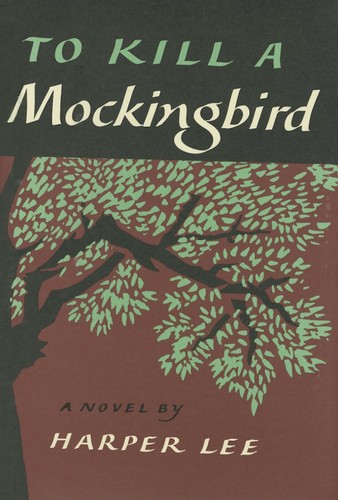
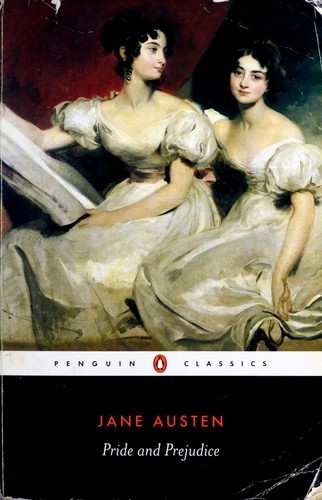
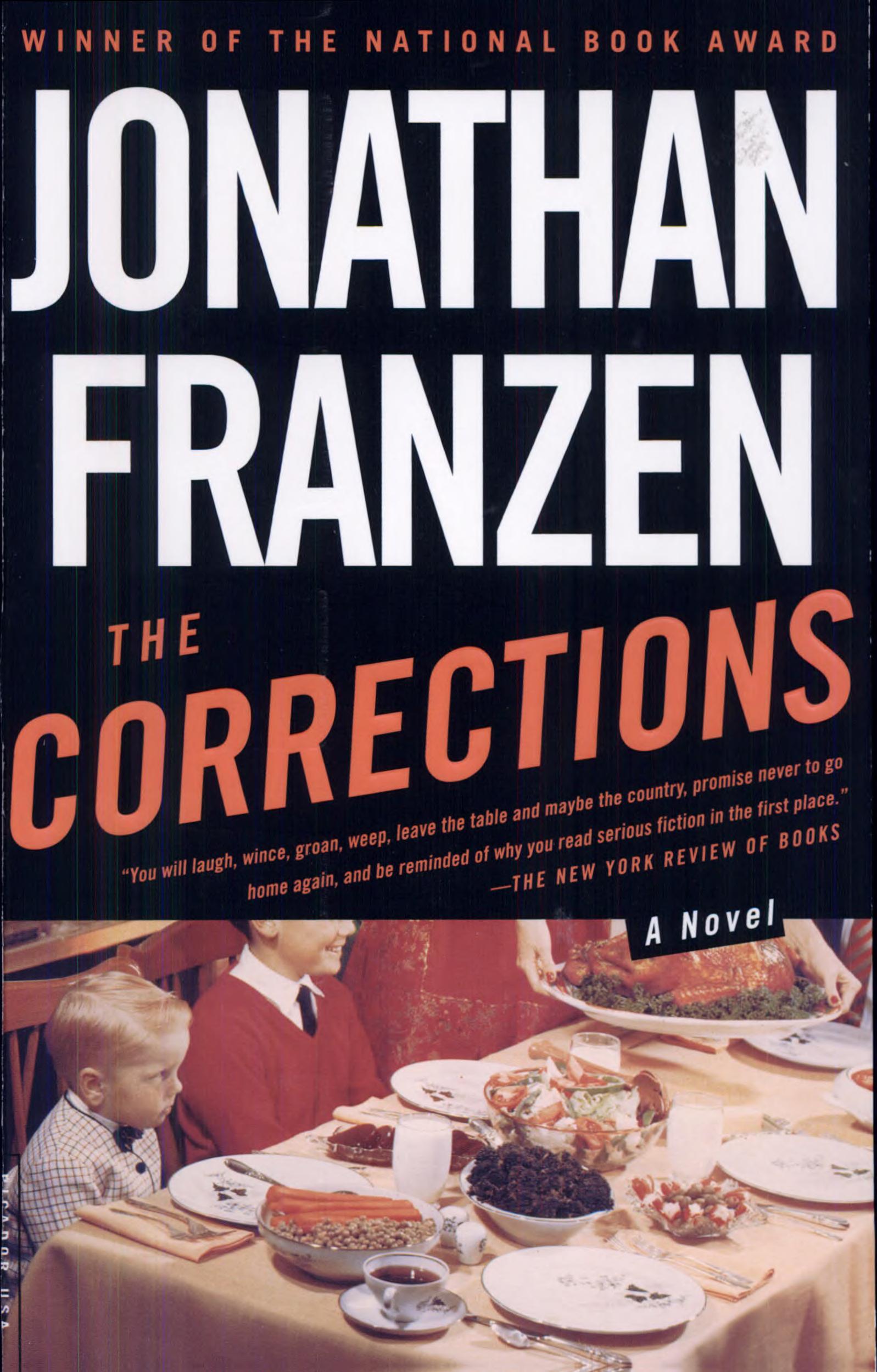
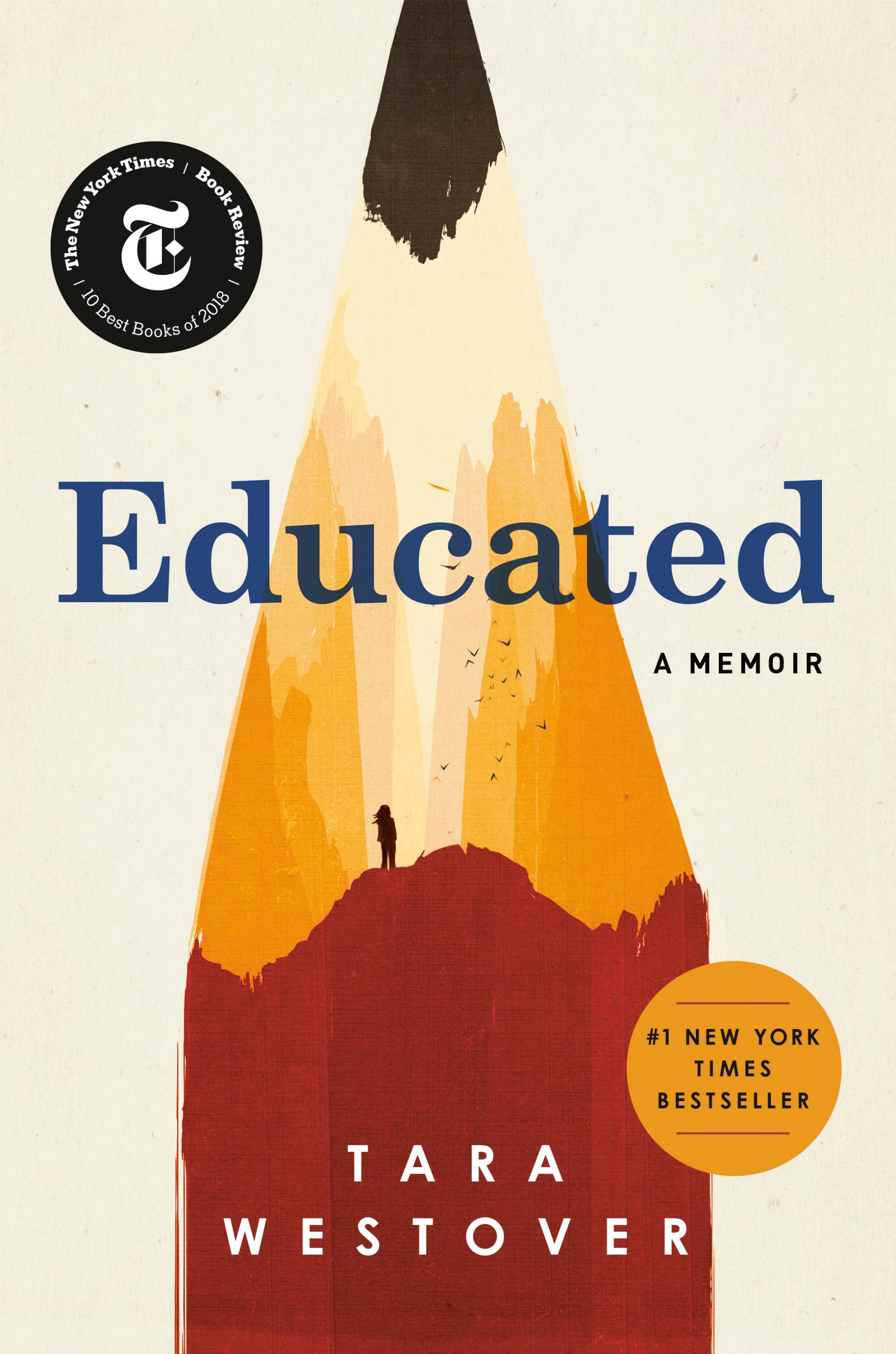
To Kill a MockingbirdHarper LeeThe most canonical father-daughter relationship in American literature, and the one that most directly renders both its warmth and its complexity. Scout Finch idolizes Atticus, and the novel is organized around her gradual discovery that Atticus’s world — his commitment to justice, his faith in the legal system, his belief that decency can prevail — is real, limited, and something she will have to decide her own relationship to. The education Atticus provides is largely his own moral framework, absorbed by Scout through proximity rather than question, which is both the gift and the constraint of their relationship. Lee renders this not as criticism but as the honest texture of what it means to grow up with a genuinely admirable parent whose worldview you have to eventually inhabit or depart from. Pride and PrejudiceJane AustenAusten renders the father-daughter relationship in its most economically explicit Victorian form: Mr. Bennet is genuinely witty, genuinely fond of Elizabeth, and genuinely useless as a protector of her future. The specific quality of their bond — the complicity of two intelligent people in a household of less intelligent ones, organized around irony and mutual recognition — is also the thing that has allowed Mr. Bennet to abdicate the practical responsibilities of fatherhood in favor of the pleasures of it. Elizabeth’s sharpness was formed in her father’s company; it was also formed without the guidance and active protection a father owed his daughters in their circumstances. Austen holds both without excusing either. Little WomenLouisa May AlcottFather March’s absence — at war through most of the novel — is itself the organizing fact of the March daughters’ development, which means the novel is about father-daughter relationships in their most fundamental form: the presence of a paternal ideal that shapes daughters without being present to be complicated by them. The father who returns from war is warm and beloved and largely symbolic; the mother who remained has done the actual work. Alcott is honest about this distribution in a way that the novel’s surface warmth doesn’t announce directly, and reading Little Women with the father’s role clearly in view reveals how much the daughters’ development was shaped by his absence as much as by any direct paternal influence. The Lovely BonesAlice SeboldSebold’s novel renders the father-daughter bond from the perspective of loss — Susie Salmon narrating from the afterlife as she watches her father Jack process her murder. The relationship at the novel’s center is between Jack’s grief and his daughter’s ongoing, helpless witness to it, and Sebold is precise about what Jack’s obsession with finding Susie’s killer is doing for him and what it is costing the family he still has. The novel’s most tender and most honest element is its rendering of how a father’s love for a specific daughter is different from his love for his children generally — the specific quality of Jack and Susie’s bond made visible precisely because it has been ended and can now only be observed rather than lived. The CorrectionsJonathan FranzenFranzen’s Alfred Lambert and his daughter Denise represent the most psychologically precise rendering of the father-daughter dynamic in contemporary American fiction. Denise has internalized her father’s rigorous standards so completely that she applies them to herself and everyone around her, and is only gradually discovering the cost of this internalization — the specific way that a father’s demanding love becomes a daughter’s demanding relationship with herself. Alfred, for his part, has no access to what his love for Denise has produced in her; his declining capacity for emotional contact means he cannot see what he shaped, only that something is there. Franzen holds both sides with equal, uncomfortable precision. EducatedTara WestoverWestover’s memoir is the most direct treatment on this list of paternal authority at its most extreme: Gene Westover’s worldview organized his daughter’s entire childhood, and her memoir is organized around the specific work of building a self separate from it — which required leaving not just the physical location but the interpretive framework her father had constructed around everything she had experienced. The father-daughter relationship in Educated is rendered without simplification: Gene is not simply a villain, and the connection Westover feels to him is real even as she documents what his authority cost her. The most honest available account of what it means to love a father whose view of the world is genuinely damaging and whose view of you was determined by that worldview from the beginning. Who This Is For
Readers who want fiction and memoir about the father-daughter relationship that takes its full complexity seriously — the love and the power differential and what daughters do with both — rather than settling for either sentimentality or simple critique. The literary fiction catalogue has more in this direction.
Frequently asked questions
Q: Why is Educated on a list of fiction if it’s a memoir?
A: Because the father-daughter relationship it renders is as psychologically specific and as carefully observed as anything in the fiction on this list, and the question the list is organized around — what daughters do with paternal love and paternal authority — is addressed by Westover’s memoir more directly than any of the novels could. The category “fiction versus memoir” matters less than whether the book does justice to the subject.
Q: Is Mr. Bennet in Pride and Prejudice a good or bad father?
A: Both, simultaneously, and Austen refuses to separate the two. His wit and his connection with Elizabeth are genuine and valuable; his abdication of practical parental responsibility is real and costly. The novel is organized, among other things, around showing both without excusing either, which is why Elizabeth’s eventual happiness requires her to find in Darcy someone who combines the intellectual engagement she had with her father with the practical reliability her father never provided.
Q: Is The Lovely Bones appropriate for readers who have experienced child loss personally?
A: It is a novel about grief after child murder, rendered from the victim’s perspective, and some readers who have experienced child loss find it helpful and others find it too close. It is not a comfort read in a conventional sense, though it has something more like transcendence in its final movement. Readers should approach it with awareness of its subject.
Q: What should I read after Educated if I want more Tara Westover?
A: Westover has not published a second book as of this writing. For comparable memoirs about escaping controlling religious families and building an independent self, A River Runs Through It by Norman Maclean (though fiction) covers related father-child territory in a warmer register. For the specific experience of intellectual self-construction against family opposition, The Glass Castle by Jeannette Walls covers adjacent territory.
Not sure which of these is right for you specifically? The Pagesmith quiz matches you to books based on your mood, pacing preference, and reading goals, not bestseller lists. Takes two minutes.