The best books about power and ambition share a quality that separates them from morality tales: they are not trying to warn you. They are trying to show you. The difference matters. A book that tells you power corrupts is giving you a lesson. A book that shows you, in granular and uncomfortable detail, exactly how the logic of power operates on a real person — how it justifies itself, how it expands, how it becomes indistinguishable from the person who holds it — that is something more useful and more disturbing.
The political classics: power as a system
These books treat power not as a personal failing but as a structural force — something that operates through institutions, language, and the erosion of alternatives.
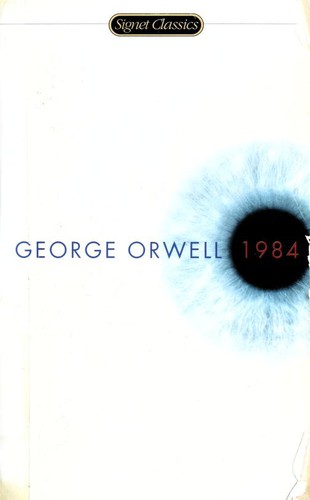
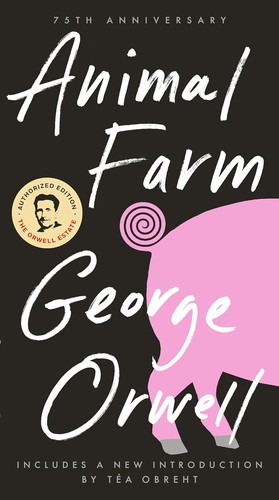
The most honest books about power don’t warn you against it. They show you exactly how it works — and trust you to sit with what that reveals about people, institutions, and yourself.
Power as personal ambition: the individual pursuit
These books narrow the focus to a single person and trace the logic of ambition from the inside — how it justifies itself at each step, how the calculus shifts.
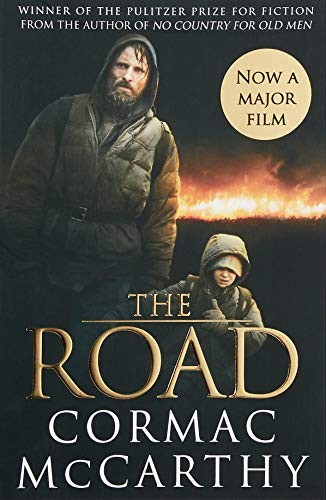
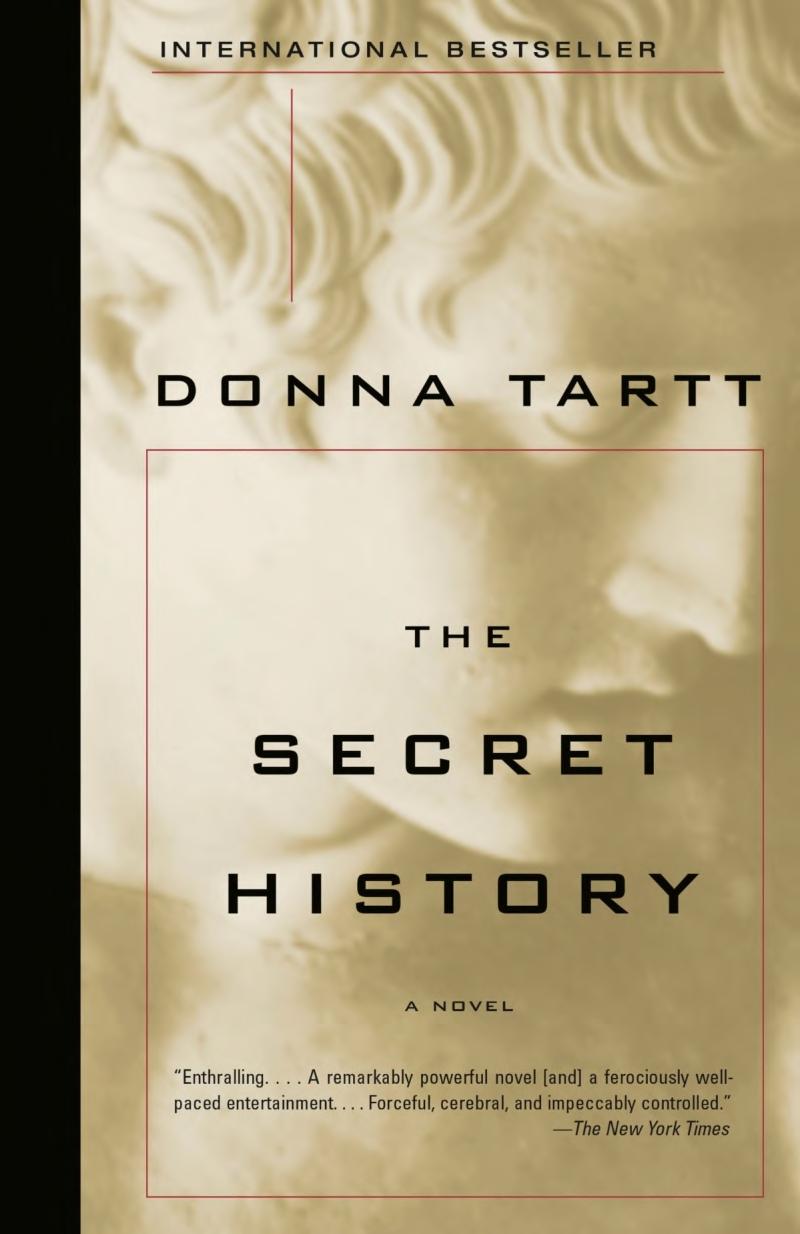
Power at epic scale: whole systems in motion
Who this is for
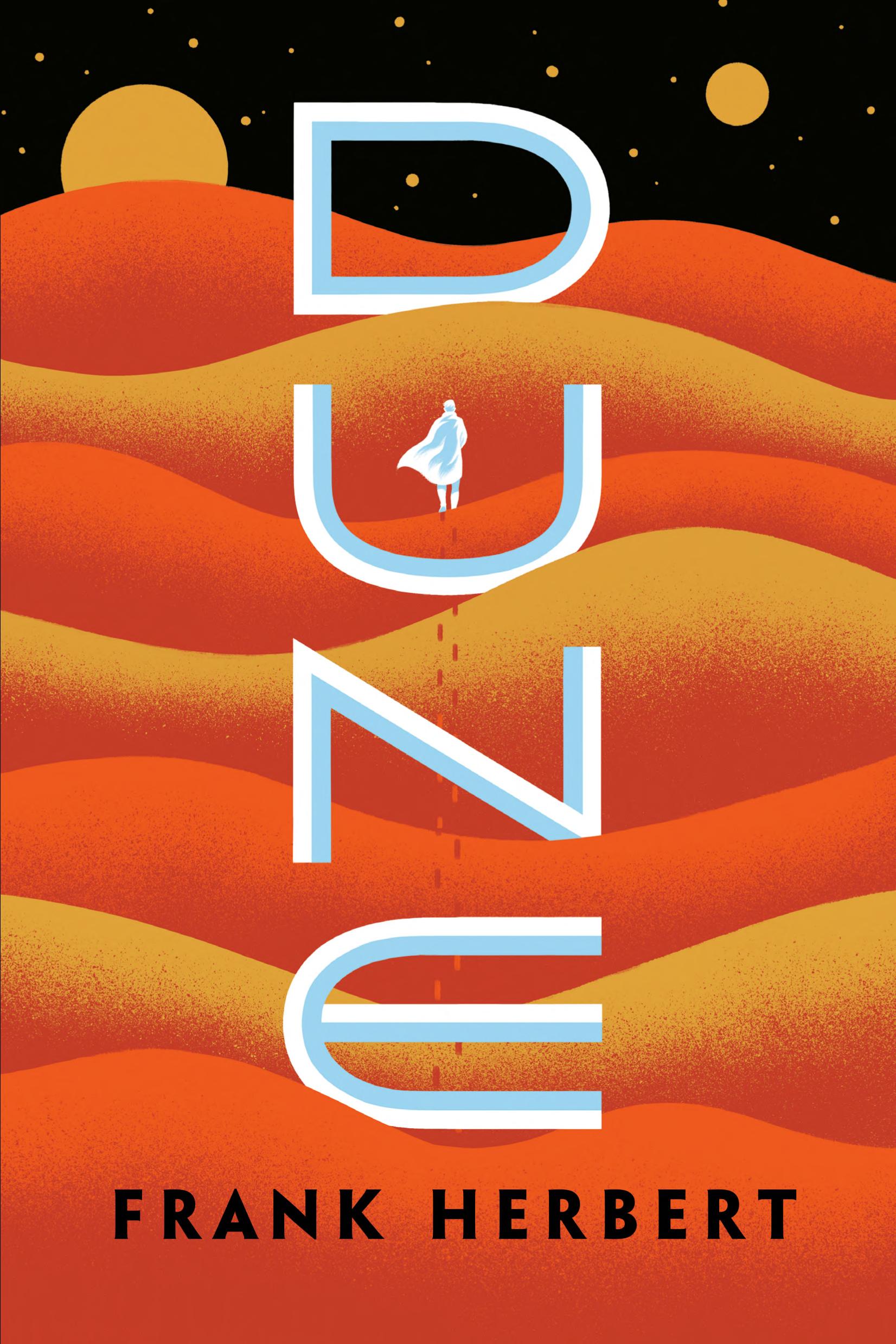
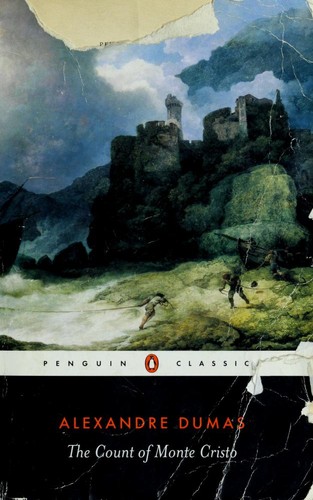
This list is for readers who want fiction and nonfiction that takes power seriously as a subject — not as a backdrop for adventure, but as the actual territory. If you want the most intellectually rigorous, 1984 and Dune. If you want the most purely readable, The Count of Monte Cristo. If you want the most psychologically precise, Wolf Hall. Browse literary fiction and historical fiction for more.
Frequently asked questions
Q: What are the best novels about political power? A: 1984 by George Orwell is the canonical answer and still the most precise account of how power sustains itself institutionally. Wolf Hall by Hilary Mantel is the best historical novel on the subject — she writes political intelligence from the inside rather than judging it from outside.
Q: What books explore ambition and its consequences? A: The Secret History by Donna Tartt is the best contemporary novel about the intoxication of feeling exceptional and where it leads. Wolf Hall traces a single man’s ambition across a decade with forensic detail. The Count of Monte Cristo is the most entertaining account of what the systematic pursuit of power costs its possessor.
Q: Are there books about power that aren’t depressing? A: The Count of Monte Cristo is genuinely enjoyable — a revenge epic that is honest about its costs without being grim. Dune has a complex relationship with its hero’s power that rewards rather than punishes the reader’s engagement. The Princess Bride satirizes power structures with affection rather than cynicism.
Q: What nonfiction books are good about power and ambition? A: Sapiens by Yuval Noah Harari examines how power operates across human history through shared fictions. Bad Blood by John Carreyrou is the best recent account of personal ambition without ethical limits. Empire of Pain by Patrick Radden Keefe traces how a family’s ambition shaped an entire public health crisis.
Not sure which of these is right for you specifically? The Pagesmith quiz matches you to books based on your mood, pacing preference, and reading goals — not bestseller lists. Takes two minutes.