Best Books About Revenge That Understand the Cost
The best revenge fiction is not about whether revenge is satisfying -- it is about what organizing your life around it produces in the person doing it. These books understand that the cost is always larger than the target.
June 2026 · 8 min read · The Pagesmith
Revenge is one of literature’s oldest engines, and it is consistently misunderstood by the fiction that deploys it. Most revenge narratives are organized around whether the revenge succeeds — will Edmond Dantes bring down the men who wronged him, will the protagonist get justice, will the perpetrator face consequences. The more interesting question, and the one the books here are organized around, is what the person organizing their life around revenge becomes in the process. The Count of Monte Cristo is the most satisfying revenge narrative ever written partly because Dumas is honest that Dantes transforms into something in the process of his revenge that he would not have chosen to become — that the twenty years of planning cost him something that the revenge cannot return. The books here are all interested in that cost: what it does to a person to want revenge, to plan for it, to execute it, and to live after it.
Why Revenge Fiction Is More Serious Than It Appears
The revenge plot creates a specific moral situation: a protagonist who has been genuinely wronged, whose desire for justice or compensation is legible and sympathetic, and who pursues it through methods that are morally complicated or outright wrong. That situation is the structure the best revenge fiction uses to ask a genuinely hard question: what does a justified desire, pursued over a sustained period through whatever means are available, do to the person whose desire it is? The answer in every book here is some version of the same thing: more than expected, and not reversible.
The deepest truth about revenge in fiction is not that it fails to satisfy. It is that the satisfaction, when it comes, arrives for a person who is no longer the person who was wronged — and that person cannot fully receive what was recovered for them.
The Books
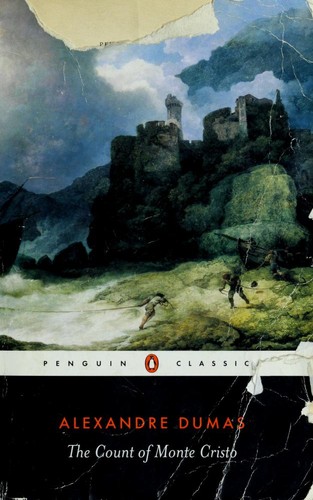
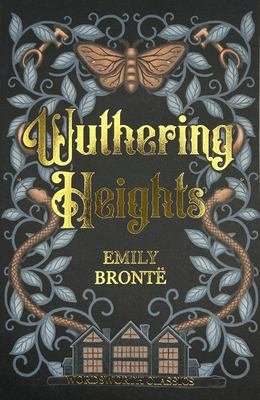
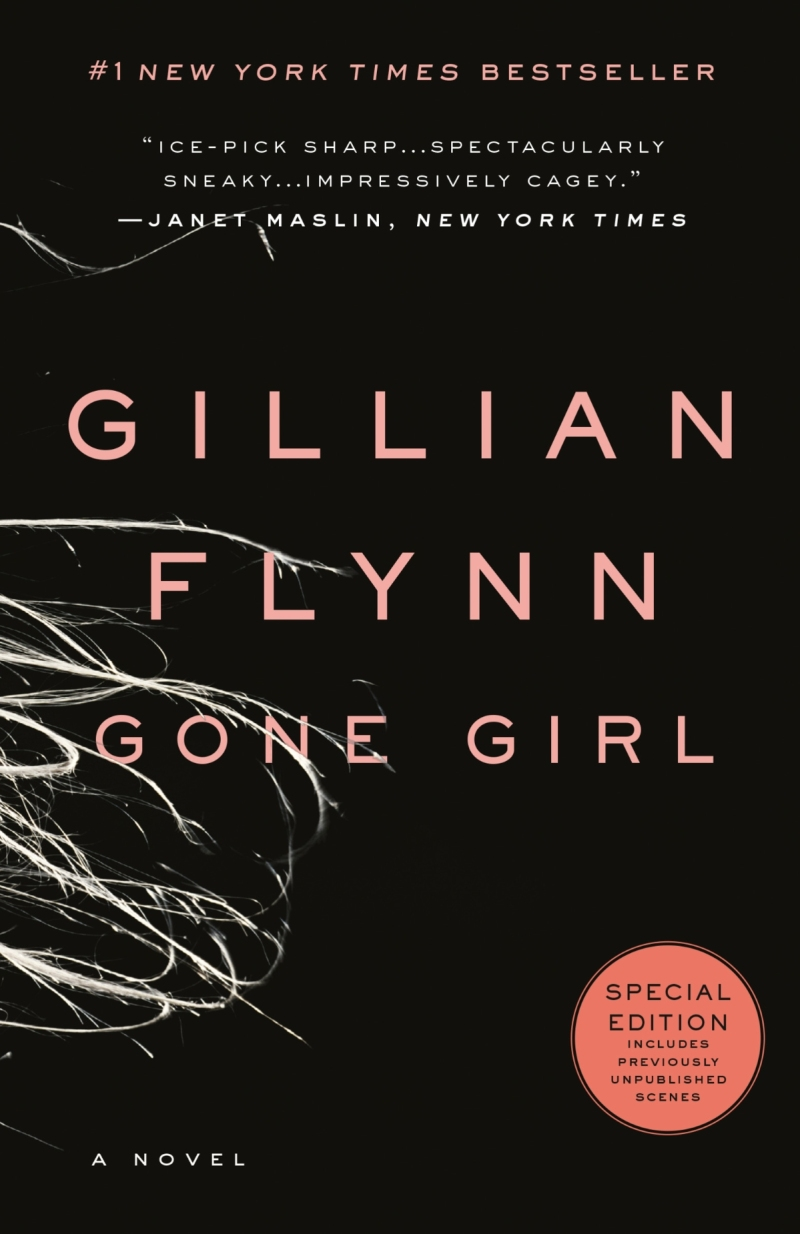
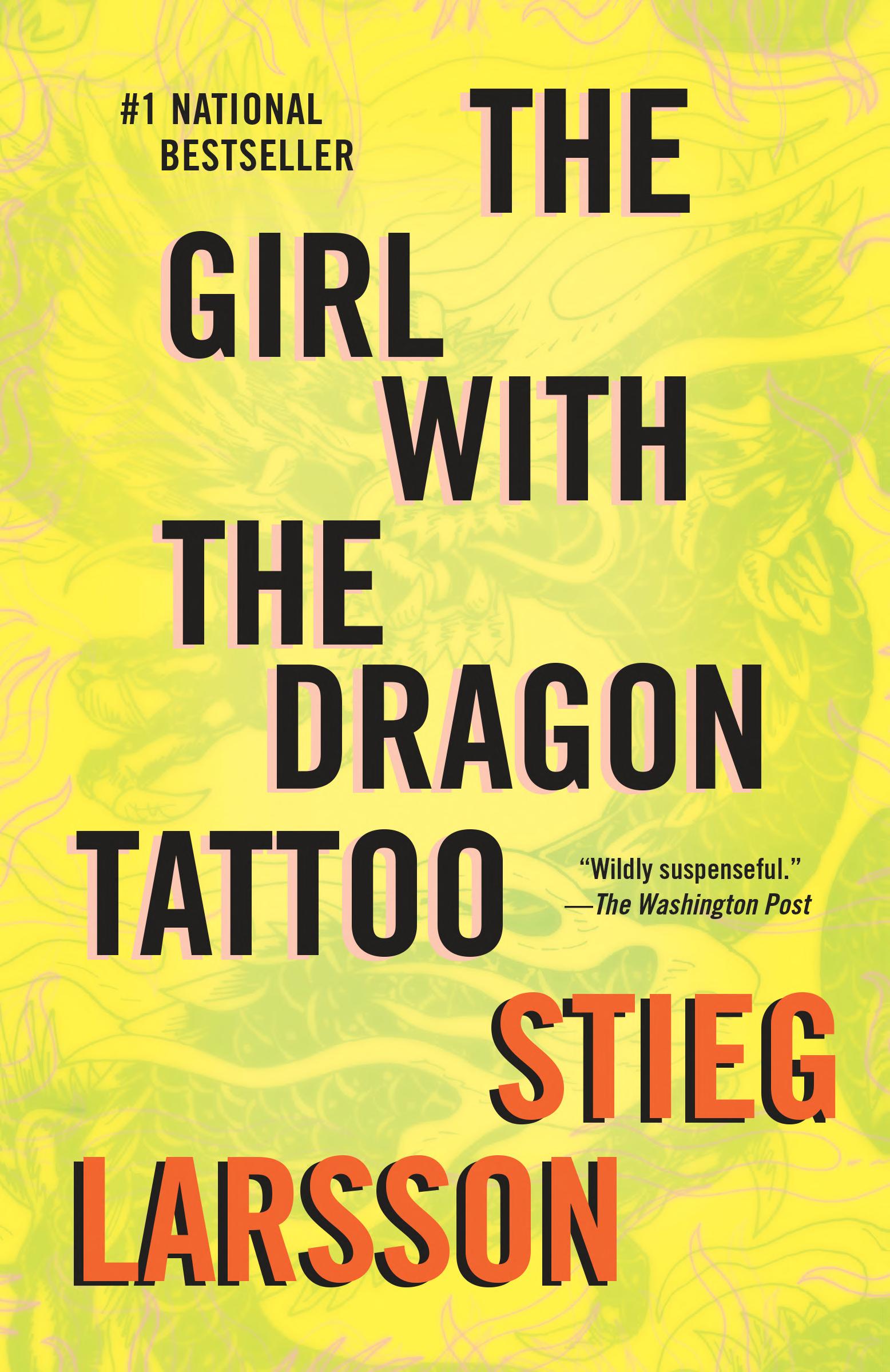
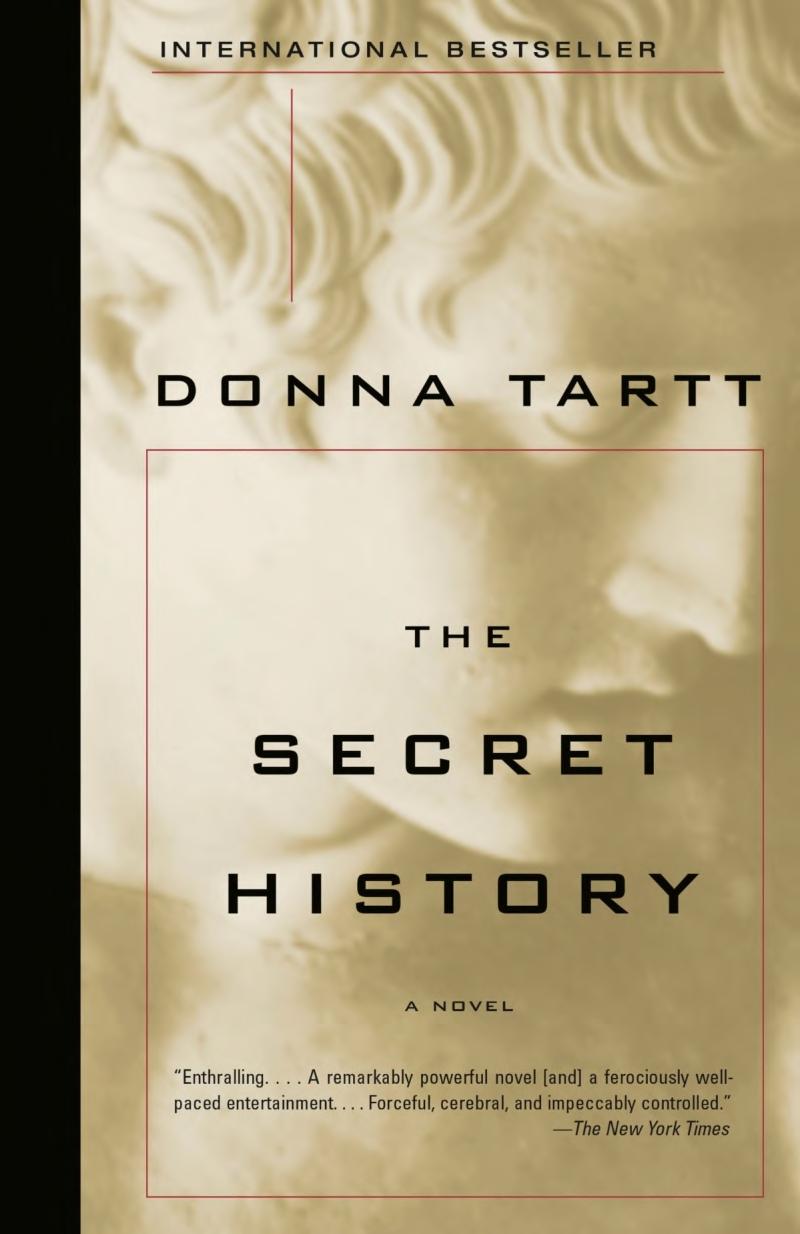
The Count of Monte CristoAlexandre DumasThe definitive revenge narrative in Western literature, and the one that earns its status by being honest about what Dantes’s transformation costs him. The plotting mechanics are as satisfying as advertised: two decades of patient, intricate revenge executed with the calm of a man who has had time to plan every contingency. What Dumas adds — and what most readers remember after the satisfaction of the plot has faded — is the specific melancholy of a man who has become the Count of Monte Cristo and can no longer locate Edmond Dantes inside himself. The revenge is complete. The person who was wronged is gone. Whether that is justice or another kind of loss is the question the novel deposits and declines to resolve. Wuthering HeightsEmily BronteHeathcliff’s revenge against the Earnshaw and Linton families — for what was done to him as a child, for Catherine’s marriage to Edgar, for the specific class humiliation that defined his entire youth — is the most sustained and most destructive revenge in the British novel tradition. Bronte does not sentimentalize it: Heathcliff’s actions are genuinely cruel, the people he damages include people who had no part in what was done to him, and his revenge ultimately destroys everything he valued including his capacity to feel anything except the original wound. The most Gothic entry on this list and the one that most completely renders what a life organized around revenge looks like from the inside: not triumphant but consumed. Gone GirlGillian FlynnFlynn’s novel is the most contemporary treatment of the revenge premise and the one that most directly implicates the reader. Amy Dunne’s revenge against her husband Nick is psychologically sophisticated, meticulously planned, and executed with the specific fury of someone who has been diminished by a relationship she organized her life around. The novel’s formal achievement is making the reader understand Amy’s logic — the grievances are real, the construction of the persona “Cool Girl” is accurately observed, the specific quality of her humiliation is rendered precisely — before making clear that what she has done is monstrous. Gone Girl asks the reader to hold both of those truths simultaneously, which is what the best revenge fiction does: it makes the revenge comprehensible without making it acceptable. The Girl with the Dragon TattooStieg LarssonLisbeth Salander’s revenge against the men and institutions that have wronged her is the most morally straightforward on this list — her targets are unambiguously guilty, her methods are extreme but proportional, and the reader’s satisfaction in her victories is not complicated by the novel in the way that Amy Dunne’s revenge is complicated by Gone Girl. What Larsson adds is the systemic argument: Lisbeth is not an anomaly but an index of how Swedish society treats women who refuse to perform vulnerability, and her revenge against specific men is inseparable from her structural position in the society that produced those men. The most thriller-propulsive entry on this list and the one that most directly connects personal revenge to social critique. Moby-DickHerman MelvilleAhab’s pursuit of the white whale is the most philosophically complete revenge narrative in American literature and the one that most directly addresses the question of what revenge does to the person organizing their life around it. Ahab is not diminished by his obsession in the conventional sense — he remains formidable, even magnificent — but the obsession has replaced everything else, including the capacity to value anything that is not the whale. Melville renders this not as pathology but as a specific kind of grandeur: Ahab is genuinely heroic in the classical sense and genuinely destroyed by the same quality that makes him so. The most formally demanding book on this list and the one that most completely earns its reputation as the great American novel of obsession. The Secret HistoryDonna TarttTartt’s novel inverts the revenge structure in a way that makes it the most psychologically interesting entry on this list: the murder at its center is preemptive rather than retaliatory, which means the novel is about people trying to live with a revenge they took against someone who had not yet finished wronging them. Bunny knew too much; the group eliminated the threat. What follows is not the satisfaction of revenge but the specific psychological weight of having acted on a worst-case scenario and now having to carry the knowledge that they did. The novel is the clearest account available of what it costs to take a violent action not in the heat of wronged emotion but in cold calculation — which turns out to cost more, not less. Who This Is For
Readers who want revenge fiction that takes the premise seriously as a moral and psychological question — who want the satisfaction of a well-executed revenge plot alongside the honesty about what that execution costs. Also readers who have found most revenge thrillers too straightforwardly satisfying and who want the genre complicated by genuine moral intelligence. The thriller and mystery and literary fiction catalogues have more in this direction.
Frequently asked questions
Q: Does The Count of Monte Cristo have a satisfying ending?
A: The revenge is satisfying in the conventional sense — Dantes brings down his enemies with extraordinary precision and they suffer in proportion to what they did. Whether the ending as a whole is satisfying depends on the reader: Dumas earns a kind of melancholy resolution that is more honest than a triumphant one would be. Most readers find it more moving than expected.
Q: Is Moby-Dick as difficult to read as its reputation suggests?
A: The cetology chapters — the extended discussions of whale biology, the whaling industry, and the mechanics of the hunt — require patience and some readers skip them on first reading without losing the narrative. The chapters that follow Ahab and Ishmael are as immediately gripping as any nineteenth-century novel. The recommendation is to read the cetology chapters rather than skip them, but to accept that they are an acquired taste rather than an immediate pleasure.
Q: Is Gone Girl’s Amy Dunne a sympathetic character?
A: Flynn is not interested in whether Amy is sympathetic but in whether she is comprehensible, and she is — the novel works because Amy’s grievances are rendered with enough precision that the reader understands the logic of her response before understanding how catastrophic that response is. Whether “comprehensible” is the same as “sympathetic” is a question the novel deliberately leaves open.
Q: What makes Wuthering Heights different from other Gothic novels?
A: Most Gothic fiction uses the supernatural or extreme emotion as a source of dramatic intensity while maintaining a narrative moral framework. Wuthering Heights refuses the moral framework: Heathcliff is monstrous and Bronte renders his monstrousness as the logical extension of what was done to him, without excusing it. The novel does not suggest that love would have redeemed him if Catherine had chosen differently. It suggests that what was done to him was done, and what it produced is what it produced, and that is the whole of it.
Not sure which of these is right for you specifically? The Pagesmith quiz matches you to books based on your mood, pacing preference, and reading goals, not bestseller lists. Takes two minutes.