Best Books About Sisters That Go Beyond the Family Drama
The best books about sisters understand that the bond is not defined by warmth alone -- it is produced by proximity, inheritance, and the specific competition of sharing the same family template. These books treat female bonds with the same seriousness given to any primary relationship.
June 2026 · 8 min read · The Pagesmith
The sisterhood novel has a sentimentality problem. Most fiction about sisters reaches for warmth as its primary register — the bond that survives estrangement, the sisters who hold the family together, the reconciliation that produces the ending. The books here are more interested in the full complexity of a relationship defined equally by proximity and competition, by shared history and divergent experience, by love that does not require liking. Sisters inherit the same family and arrive at entirely different versions of it; they are assigned roles — the responsible one, the wild one, the pretty one, the clever one — that shape their identities whether or not the assignments are accurate. The bond between sisters is real and, at its best, one of the primary relationships in a life. But it is also a relationship of inescapable comparison, and the books here understand that the comparison is as constitutive of the bond as the love.
What Fiction About Sisters Can Do That Other Family Fiction Cannot
The sister relationship produces a specific dynamic that the parent-child and the spouse-spouse relationships do not: two people who grew up in the same house, received the same inheritance, and became entirely different people because of it. That specificity is what the best sister fiction examines. How did two daughters of the same parents, raised in the same conditions, arrive at such different values, choices, and lives? What does each sister represent to the other, and how does that representation shape who each of them becomes? The books here are all organized around some version of these questions, and all of them understand that the answer is more interesting than either “they are fundamentally the same because sisters” or “they are fundamentally different because individuals.”
Sisters are the people who know the same origin story you do and arrived at an entirely different understanding of what it means. That is what makes the relationship irreplaceable — and what makes the best fiction about it so difficult to sentimentalize.
The Books
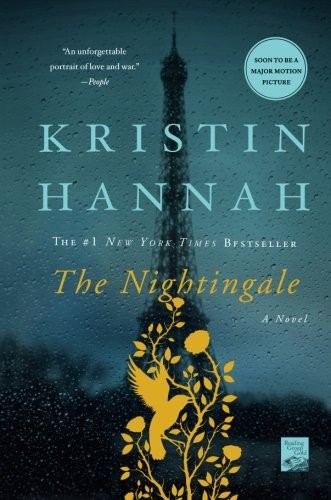
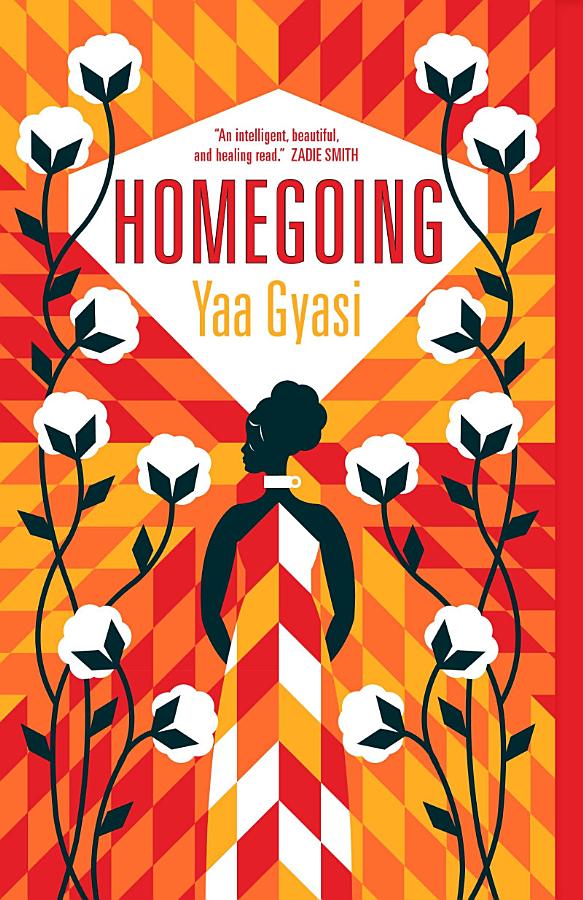
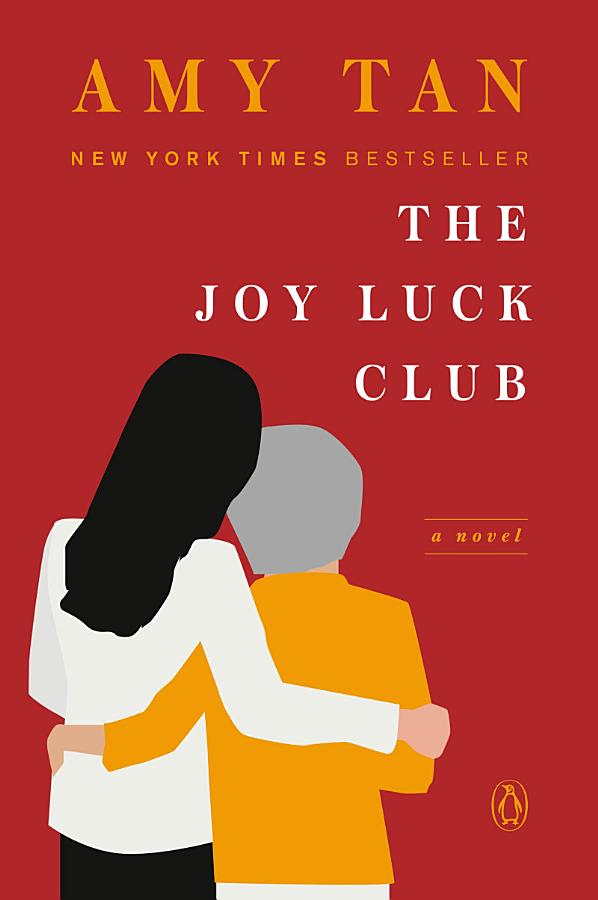
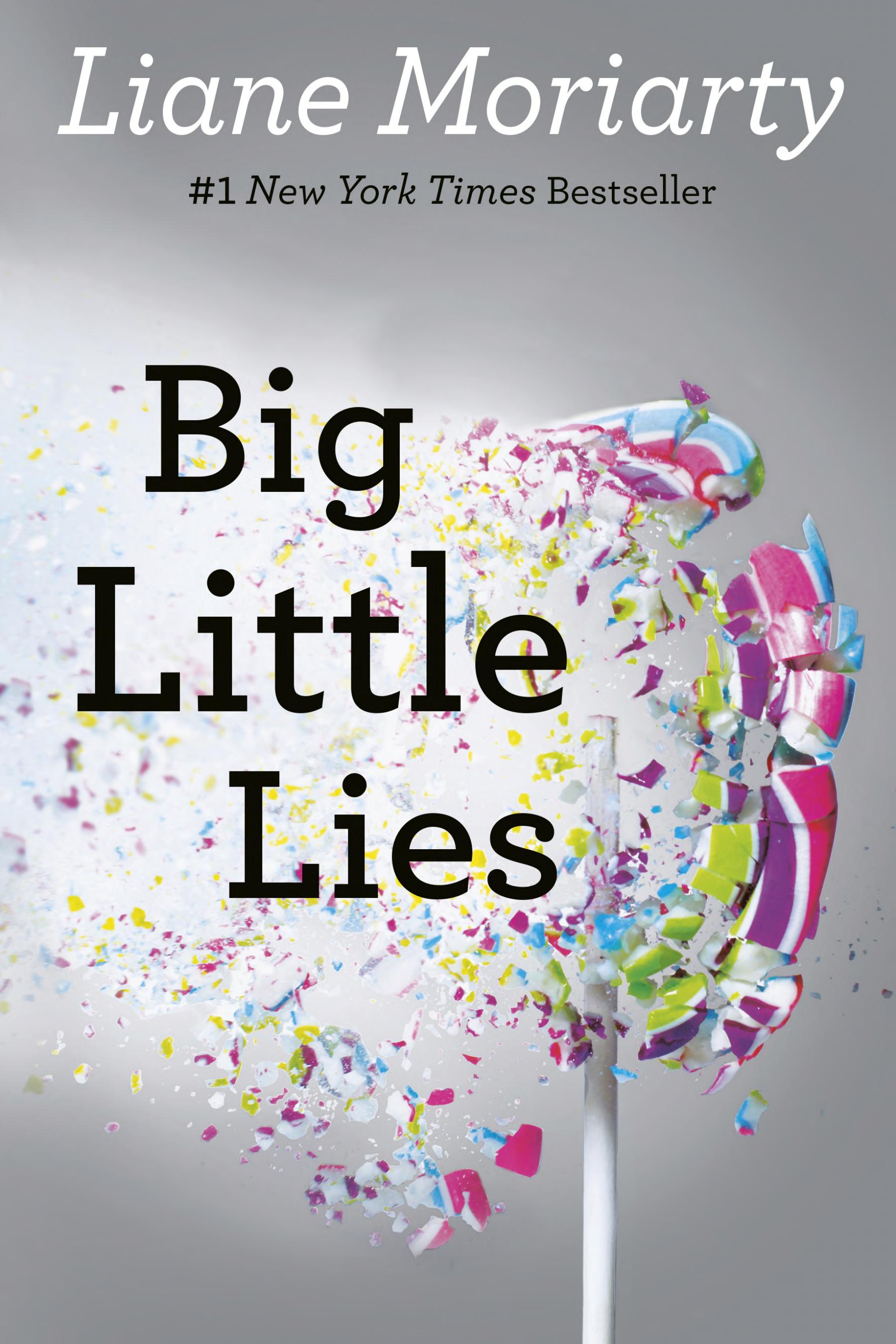
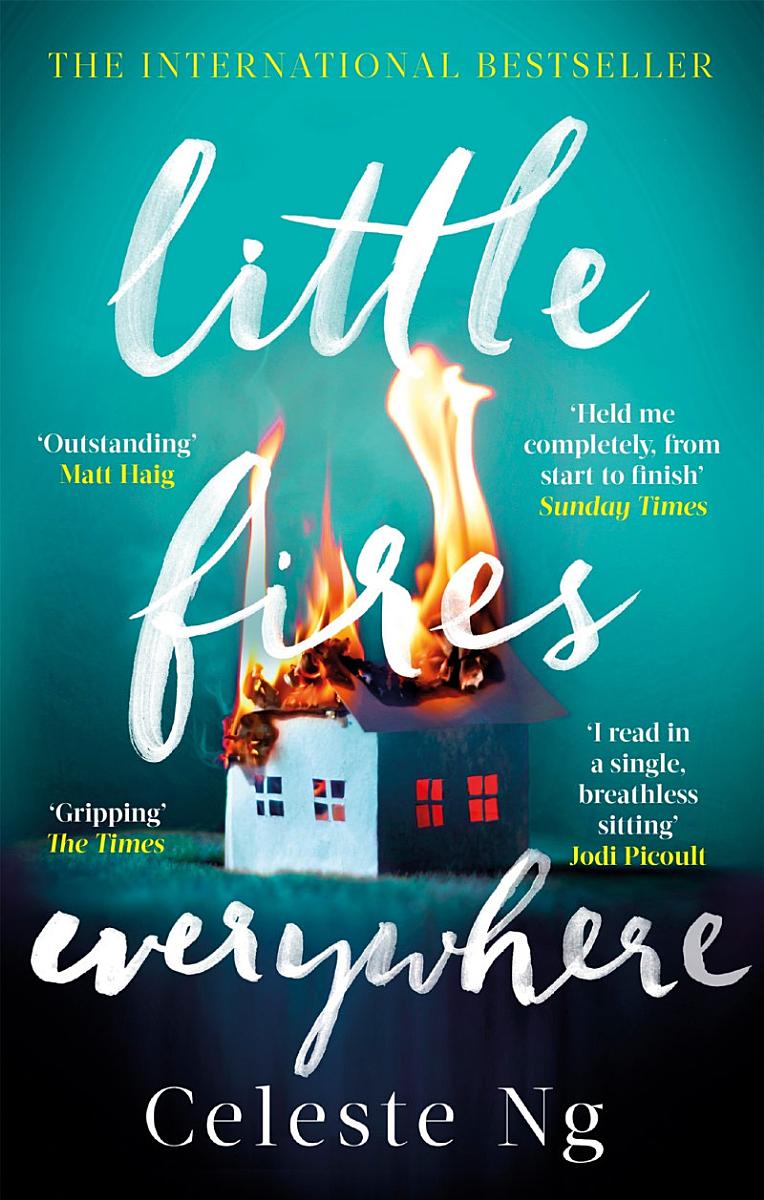
Little WomenLouisa May AlcottThe canonical American sister novel, and the one that established the template most subsequent fiction about sisters either follows or consciously departs from. Alcott’s four March sisters are assigned roles — Meg the responsible, Jo the headstrong, Beth the gentle, Amy the ambitious — and the novel is organized around what each of them does with the role and how it either fits or constrains who they actually are. Jo’s refusal of her assigned role (the domestic daughter who becomes a wife) is the novel’s most forward-looking element, and Alcott’s own ambivalence about the happy ending she felt pressured to provide is legible in every reader who finishes the novel convinced that Jo should have chosen differently. Still the most honest American novel about what girls are allowed to want. The NightingaleKristin HannahHannah’s WWII novel is organized around the sister dynamic in its most morally serious form: two women who share the same origin and make incompatible choices under the same impossible conditions, and neither of whom is simply right. Vianne’s accommodation of the German officer billeted in her home is survival strategy and moral compromise simultaneously; Isabelle’s Resistance work is courage and recklessness simultaneously. The novel refuses the comfort of assigning one sister the heroic role and the other the pragmatic one — both are heroic and both pay real costs — and Hannah uses their divergent choices to make an argument about what war actually required of civilian women, including the requirement to choose and to live with the choice. The most emotionally complete sister novel on this list. HomegoingYaa GyasiGyasi’s novel begins with two half-sisters who never meet — one sold into slavery, one remaining in Ghana — and uses their divergence as the structural argument of the entire book. Effia and Esi share a mother and a moment in history, and the eight generations that follow demonstrate what a single historical rupture does to a lineage when it splits at the moment of catastrophe. The sister bond here is defined entirely by its absence: the two women who could have known each other are separated before they know the other exists, and the novel is about what each line inherits from that separation. The most formally ambitious sister novel on this list and the one that uses the relationship as a structural argument rather than a narrative engine. The Joy Luck ClubAmy TanTan’s novel expands the sister dynamic outward to encompass a generation of mothers and daughters, each pair shaped by the same untranslatable distance between the world that produced the mother and the world in which the daughter grew up. The Joy Luck Club is not primarily about literal sisters, but it is the definitive novel about the specific female bond of shared female inheritance — what women transmit to the women they produce, and what is lost in the transmission. Each mother-daughter pair is also a sister story: women who grew up in the same cultural tradition at different moments, who carry versions of the same story, and who cannot fully understand each other despite loving each other completely. The most essential novel on this list for readers interested in the lateral bonds between women across generations. Big Little LiesLiane MoriartyMoriarty’s novel is not about biological sisters but about the chosen sisterhood that three women build around a school community and a shared crisis, which is the form that female solidarity takes in adult life when the original family is dispersed. Madeline, Celeste, and Jane protect each other with the same territorial intensity that biological sisters deploy, and Moriarty is honest about what that solidarity requires and what it costs — including the accommodation of secrets that the bond requires but that justice might not permit. The most entertaining novel on this list and the one that most directly addresses the question of what women owe each other when the bond is chosen rather than given. Little Fires EverywhereCeleste NgNg’s novel uses two women as structural opposites — Elena Richardson, who has organized her life around rules and stability, and Mia Warren, who has organized hers around artistic freedom and instability — and makes their collision a meditation on what different women choose to value and what those choices produce in their daughters. Pearl and Izzy, Elena’s youngest daughter, develop a bond that is a second version of the primary opposition: they are learning from each other’s mothers what their own mothers cannot teach them. The novel understands female influence and female inheritance as something that flows laterally across families as much as vertically through them, and it is the most contemporary treatment on this list of how women shape each other. Who This Is For
Readers who want fiction that takes female bonds seriously as a primary subject — specifically the sister relationship in its full complexity, including competition, assigned roles, and the specific dynamic of two people who share an origin and become different people because of it. Also readers who have found most “sister” fiction too warm and too resolved, and who want books that hold the love and the difficulty in the same frame. The literary fiction catalogue has more in this territory.
Frequently asked questions
Q: Is Little Women appropriate for adult readers?
A: Entirely. The novel was not published as children’s fiction — it was published as fiction for young women and for women, which is a different category. Adult readers who missed it often find it sharper, funnier, and more honest about female ambition than its reputation as a cozy classic suggests. Jo March’s frustration is as legible to adult women as to teenage readers.
Q: What makes The Nightingale different from other WWII sister novels?
A: Hannah refuses to assign one sister the heroic role. Most WWII fiction that centers women places one woman in the Resistance and one in collaboration, and the narrative clearly endorses the Resistance choice. Hannah renders both Isabelle’s courage and Vianne’s survival strategy as comprehensible and costly, which produces a more honest account of what the Occupation actually required of ordinary women.
Q: Is Big Little Lies really about sisterhood if the women aren’t related?
A: The most important female bonds in most adult women’s lives are not biological. Moriarty is specifically interested in the chosen sisterhood of adult female friendship — the bonds that are built around shared circumstances, shared children, and shared secrets — and how those bonds operate under the same obligations and the same intensities as biological sisterhood. The novel is about sisterhood in the form it actually takes in contemporary women’s lives.
Q: What should I read after Homegoing if I want more Yaa Gyasi?
A: Transcendent Kingdom is her second novel — smaller in scale, more concentrated, and organized around a single contemporary mother-daughter relationship rather than eight generations. It is as psychologically precise as Homegoing and considerably darker. Both are essential.
Not sure which of these is right for you specifically? The Pagesmith quiz matches you to books based on your mood, pacing preference, and reading goals, not bestseller lists. Takes two minutes.