Dystopian fiction works by making recognisable things strange. The societies in these novels are never invented wholesale: they’re extrapolations of systems already in motion, pushed far enough that what we accept quietly becomes impossible to ignore. The best dystopian novels are uncomfortable not because the future they describe is unthinkable, but because it isn’t.
What separates great dystopian fiction from the merely dark
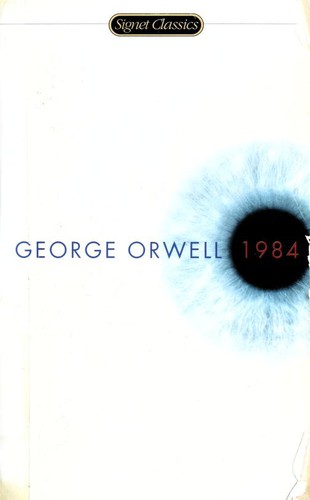
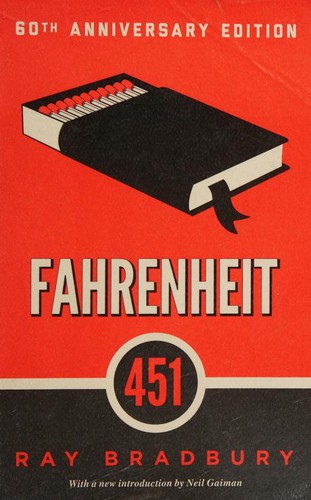
There are thousands of dystopian novels. Most of them mistake grimness for meaning. The ones worth reading do something specific: they use an imagined society to illuminate a real argument about power, conformity, identity, or survival. Orwell wasn’t writing about totalitarianism in the abstract; he was writing about how language shapes thought. Bradbury wasn’t warning about censorship in general; he was writing about a society that chose comfort over truth. The target is always something actual.
The best dystopian novels aren’t warning us about unlikely futures. They’re showing us what’s already here, made visible by being pushed one degree further.
The foundational texts
If you haven’t read these, read them before anything else. They are the novels that established what dystopian fiction can do, and every subsequent work in the genre is in conversation with them.
The political satire: dystopia as argument
For younger readers, or readers new to the genre
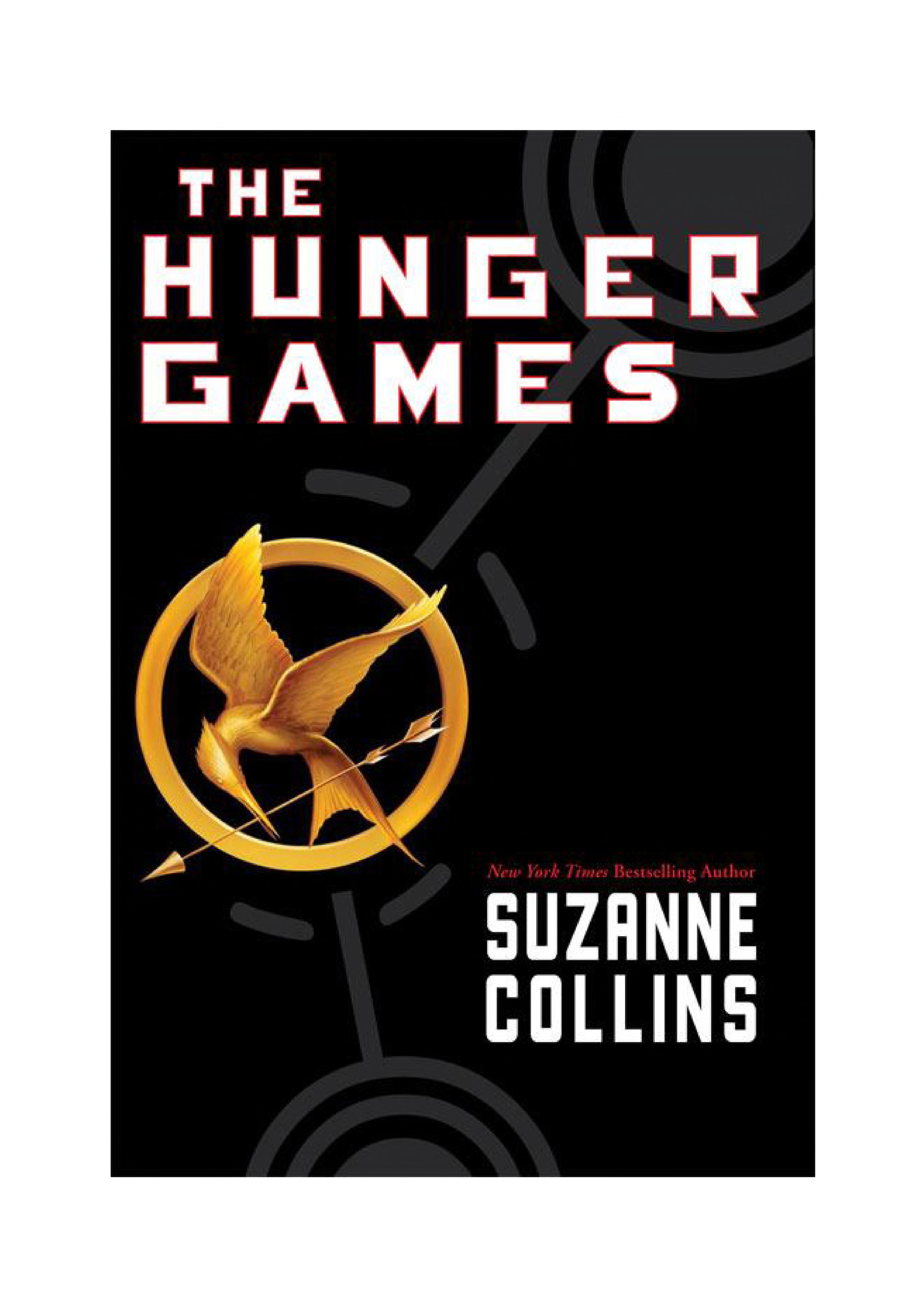
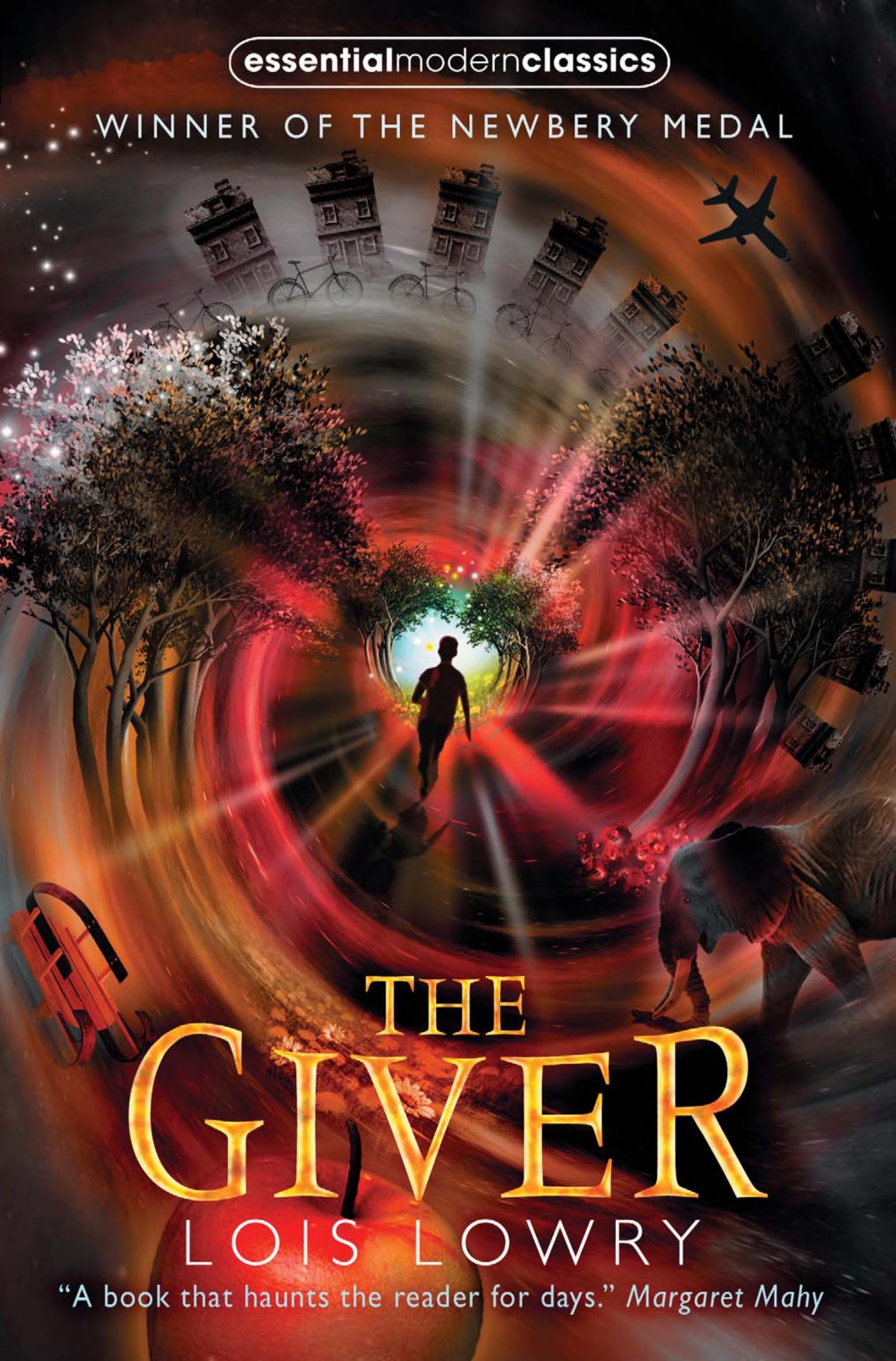
The one that felt like science fiction and became current affairs
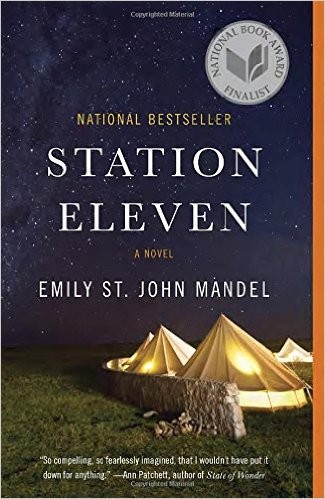
Who this is for
This list suits readers who want fiction that argues: novels with a point of view about power, society, and what gets lost when institutions fail. If you’ve read Orwell and want more in that register, go to science fiction for the broader genre catalogue. If you want something current and propulsive rather than classically structured, start with The Hunger Games or Station Eleven.
Frequently asked questions
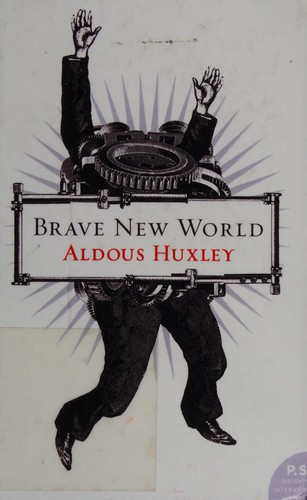
Q: What is the best dystopian novel ever written? A: 1984 and Brave New World are the two standard answers, and both are correct, but they’re arguing opposite things. Orwell feared tyranny imposed by force; Huxley feared tyranny accepted through comfort. Which one feels more relevant to you right now says something interesting.
Q: What are good dystopian novels besides 1984? A: Brave New World, Fahrenheit 451, and Animal Farm form the classic canon alongside 1984. For something more recent, The Hunger Games is the most accessible contemporary entry; Station Eleven is the most literary. Parable of the Sower by Octavia Butler is the most urgent.
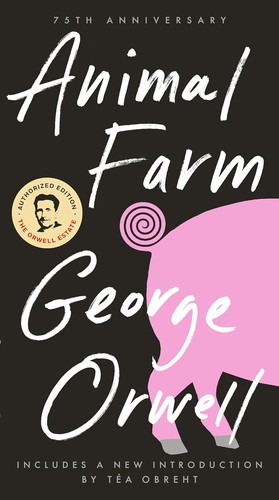
Q: Are dystopian novels science fiction? A: Usually, but not always. Dystopian fiction uses imagined societies to make arguments about real ones: the science fiction elements are incidental. Animal Farm has no science fiction elements at all. The genre is defined by its purpose (social critique through extrapolation) not its setting.
Q: What dystopian novel should I read first? A: If you haven’t read 1984, start there: it’s the most directly readable of the classics and provides the foundation for everything that followed. If you want something faster and more contemporary, The Hunger Games is the best entry point that doesn’t require any genre familiarity.
Not sure which of these is right for you specifically? The Pagesmith quiz matches you to books based on your mood, pacing preference, and reading goals, not bestseller lists. Takes two minutes.