The single biggest mistake fantasy recommendations make is pointing newcomers at the genre’s monuments first. Tolkien, Sanderson, Jordan: these are books written for readers who already love fantasy. They reward commitment with richness, but they ask a lot upfront: invented languages, complex maps, casts of dozens, backstory delivered in chapter-length digressions. For a reader who hasn’t yet decided they love the genre, this is a test they didn’t sign up for.
The books below are chosen differently. They lead with story and character. The world-building is present (some of it extraordinarily intricate), but it never gets between the reader and why they’re turning the page. This is where to start. The thousand-page epics are waiting for you on the other side.
Start Here: Fantasy That Earns Its World-Building Through Character
The most common reason readers bounce off fantasy is the same reason they’d bounce off any genre: the story hasn’t given them a reason to care about its mechanics yet. The books in this section lead with people (their voices, their wants, their failures) and let the world expand around that foundation.
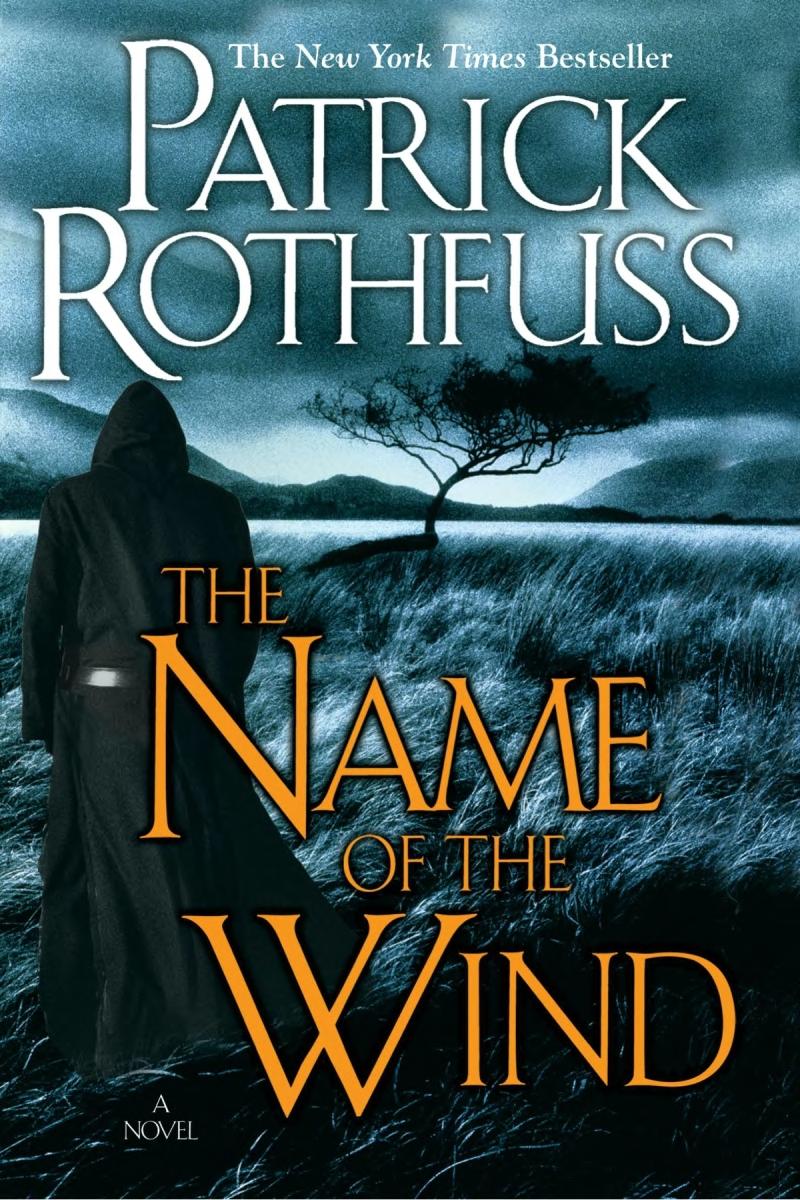
A legendary wizard sits in a roadside inn and tells the true story of his life to a chronicler over three days. Rothfuss structures his novel as a frame narrative, which means the magic system and world are introduced gradually, through the voice of someone telling a story rather than through exposition. One of the most beautifully written debuts in fantasy history, and a perfect entry point for literary fiction readers trying the genre for the first time.
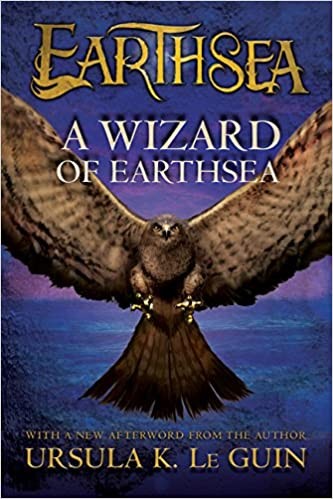
A young mage unleashes a shadow creature on the world through an act of arrogance and must pursue it alone across an archipelago of islands. Le Guin’s novel is deceptively short (under 200 pages) and moves with the authority of myth rather than the bustle of plot. It does not explain its world so much as reveal it, incrementally and without condescension. The best argument that fantasy at its finest is not escapism but genuine literature.
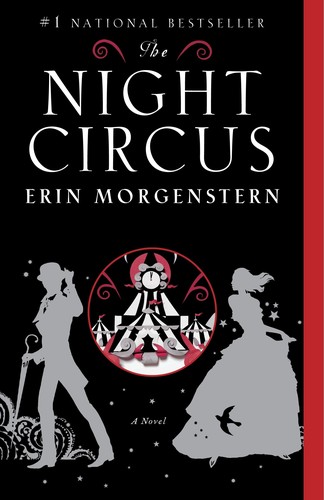
A mysterious black-and-white circus appears without warning in a field, and two young magicians who have been trained since childhood to compete stage their contest inside it. Morgenstern’s novel is atmospherically overwhelming: its circus is one of fiction’s most beautifully imagined spaces, but it never asks readers to track geopolitics or decode a magic taxonomy. This is fantasy as immersion. Come for the world, stay for the love story built inside it.
The right first fantasy novel doesn’t just tell a great story: it rewires your sense of what stories are allowed to do.
Start Here: Fantasy for Readers Who Like Momentum and Plot
Some readers don’t want to linger; they want the story to move. These books give fantasy the structural energy of a thriller or adventure novel. The world-building is real, but it’s delivered in motion rather than front-loaded into backstory.
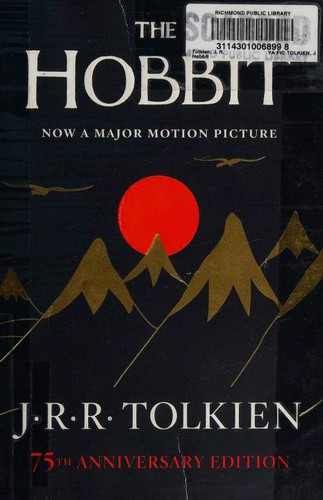
A homebody hobbit is recruited by a wizard and thirteen dwarves on an unexpected quest to reclaim a mountain from a dragon. Tolkien’s novel is the foundational text of the genre, but it’s also one of its most genuinely fun: conversational, warm, surprisingly funny, and built around momentum rather than the dense world-building of The Lord of the Rings. This is where the genre began, and it remains one of the easiest places to start.
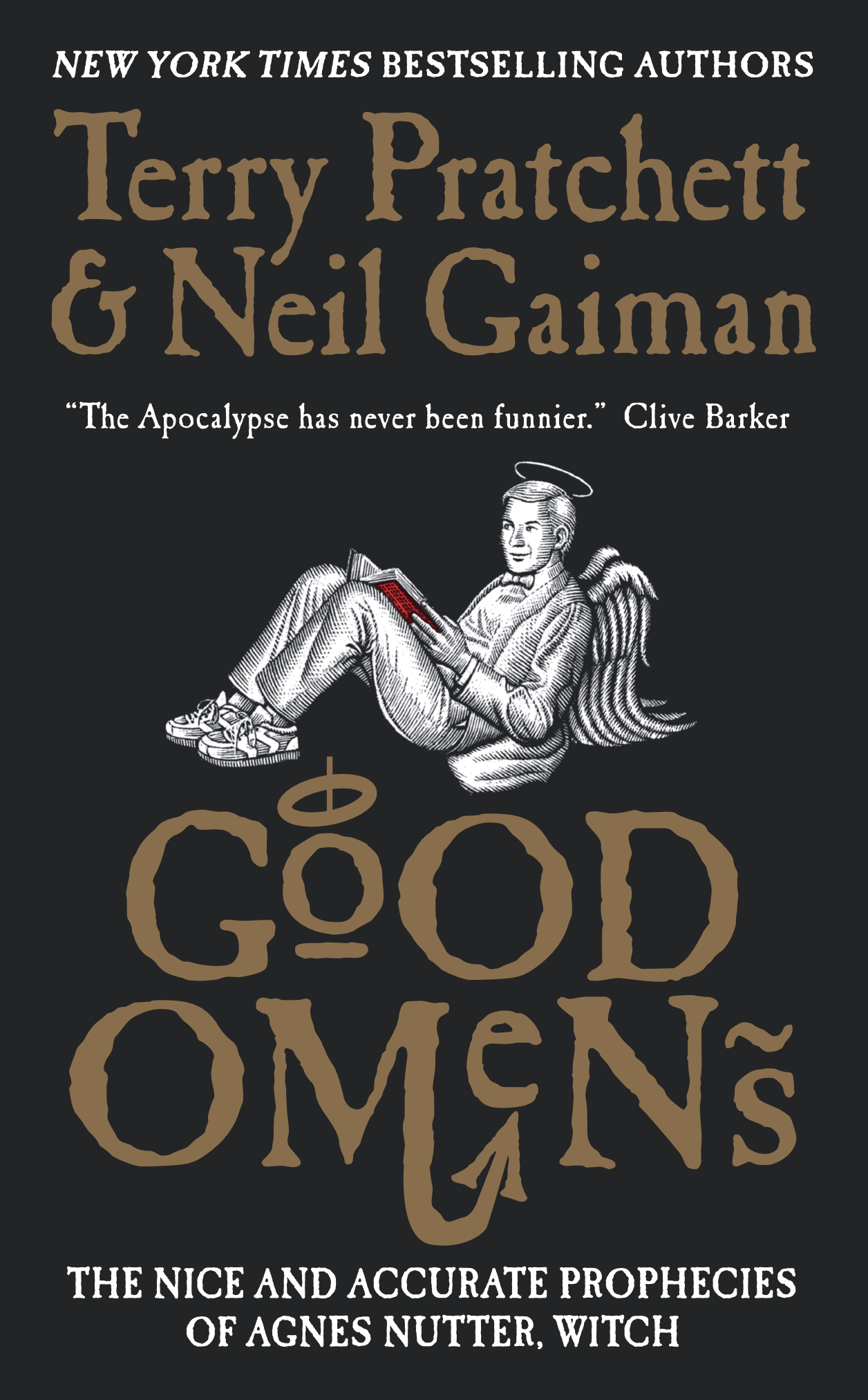
An angel and a demon who’ve both grown rather fond of Earth decide to prevent the apocalypse they’re each supposed to be supporting. Pratchett and Gaiman’s collaboration is one of the funniest novels in English: warm, irreverent, and propulsive in a way that makes its fantasy elements feel effortless rather than demanding. For readers who suspect they’d love fantasy if only it were funnier and didn’t take itself quite so seriously.
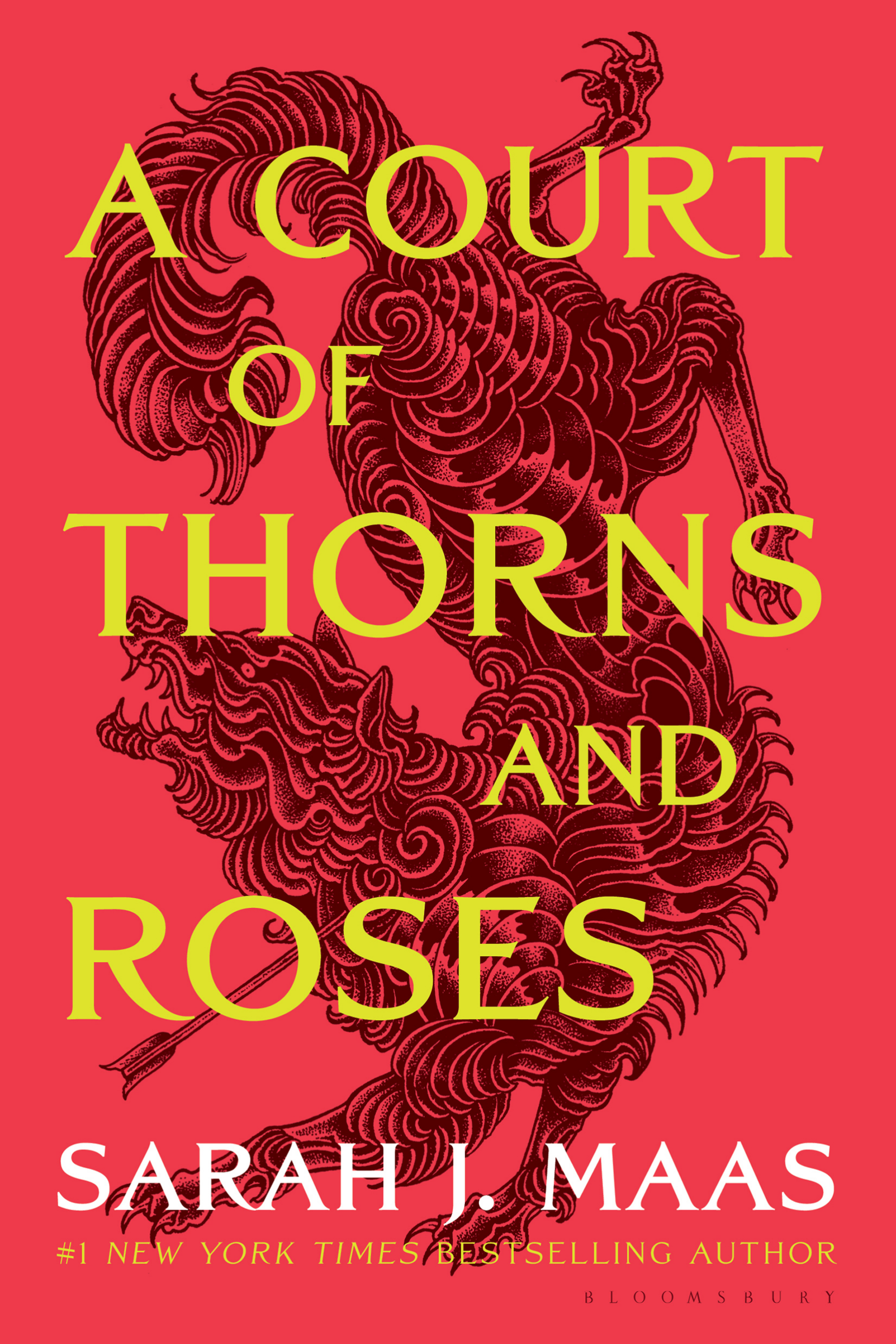
A mortal huntress kills a wolf in the woods and is taken to a magical fae realm as payment, where nothing is quite what it appears. Maas draws on Beauty and the Beast to build a romance that is lush, propulsive, and structurally smart, with a second half that actively subverts the expectations established in the first. The best entry point into romantic fantasy, and one of the genre’s most reliably compelling first books in a series.
When You’re Ready to Go Deeper
Once these books have done their work, the door to the larger genre is open. The Way of Kings by Brandon Sanderson is the place to go when you’re ready for true epic fantasy: 1,000 pages of intricate worldbuilding that rewards every page invested. Its magic system is genuinely novel, its character work thorough, and its commitment to the form complete. This is not a beginner book, but it’s the best argument that the epic fantasy doorstop is worth the effort.
Beyond this catalogue, Mistborn by Brandon Sanderson (his most accessible standalone epic) and The Long Way to a Small Angry Planet by Becky Chambers (science fantasy with literary fiction sensibilities) are natural next steps for readers who’ve worked through the list above.
For everything in the fantasy genre, browse by tone, pacing, and complexity to find the book that matches where you are as a reader right now.
Frequently Asked Questions
Do I need to read fantasy series in order? For series: yes, generally. But most of the books above are standalones or function as complete first entries. The Hobbit, A Wizard of Earthsea, The Night Circus, and Good Omens are all self-contained. The Name of the Wind is book one of an unfinished trilogy; read it knowing that, and decide whether you want to commit.
Is Lord of the Rings good for beginners? Only if you’re already a committed reader comfortable with slow-paced, densely world-built fiction. For most newcomers, The Hobbit is the better starting point: it’s where Tolkien himself started, and it earns the mythology before demanding you know it.
What fantasy genre should I start with if I like romance? Romantasy (fantasy with a strong romantic narrative) is currently the genre’s most active space. A Court of Thorns and Roses is the obvious entry point. From there: The Cruel Prince by Holly Black and From Blood and Ash by Jennifer L. Armentrout are the most widely read alternatives.
What if I’ve tried fantasy and bounced off it? Ask yourself what you bounced off specifically. Too slow? Try Good Omens or The Hobbit. Too much world-building upfront? Try The Night Circus or A Wizard of Earthsea. No emotional core? Try The Name of the Wind. The genre is wide enough that one failed attempt tells you almost nothing.
Not sure which of these fits how you actually read? Take the quiz: six questions, and it will match you to the right book for where you are right now.