6 Essential Books About Books and Reading You Need to Read
The best fiction about reading understands that books are not passive objects but active forces -- things that change readers, outlast their owners, and occasionally become worth dying for. These novels make the case for why reading matters by demonstrating it.
June 2026 · 8 min read · The Pagesmith
There is a specific genre of novel that only serious readers fully appreciate: the novel whose subject is reading itself. These books are organized around the proposition that stories matter — that what we read shapes who we become, that books outlast the people who loved them, and that the act of reading is not passive consumption but active participation in something larger than any individual life. The books here make that argument through their premises. A man who steals books during the Holocaust, finding in them the only form of resistance available to her. A library of books that have been abandoned by their readers, each one waiting to be discovered by someone who needs it. A world that has decided books are dangerous enough to burn. The case for reading is most persuasively made not by essays about it but by fiction that embeds the argument in stories — which is what each of these novels does.
Why Fiction About Books Is Often the Best Case for Fiction
There is a circularity to the best novels about reading that is not a weakness but a formal achievement: the novel proves its own argument by being the kind of thing it is arguing for. Fahrenheit 451 makes the case that books matter by being a book that matters — by producing in the reader the experience of an imagination enlarged by contact with another consciousness. The Shadow of the Wind makes the same case by building a story around the discovery that a book can be the most important thing a person ever encounters. These novels are persuasive not because they make strong arguments but because they perform them. By the end, the reader does not need to be convinced that books matter; they have just experienced it.
The best fiction about reading proves its argument through form rather than statement. By the final page, the reader does not believe books matter because the novel said so. They believe it because they just finished one that did.
The Books
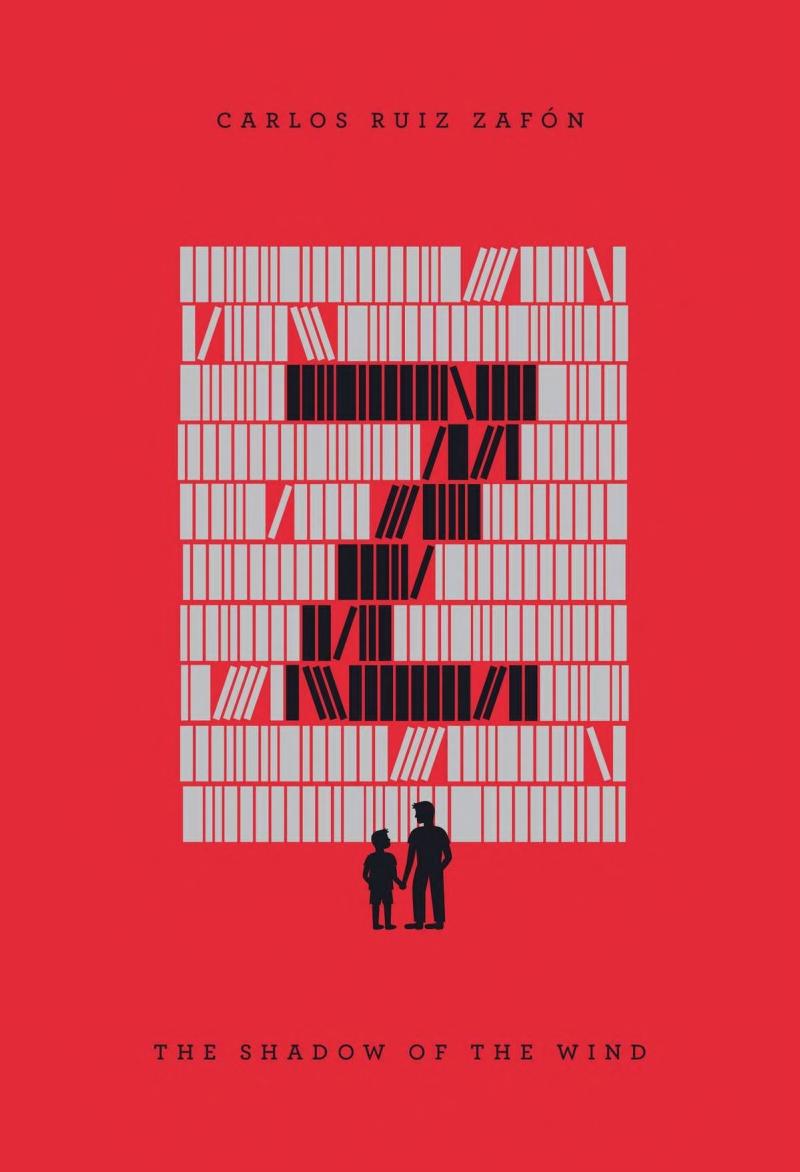
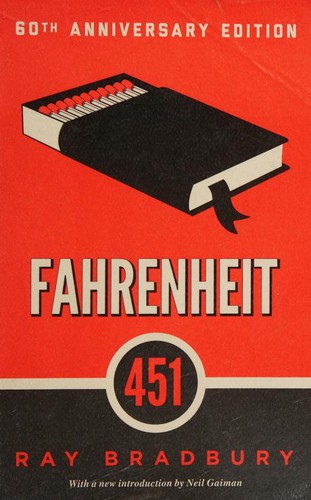
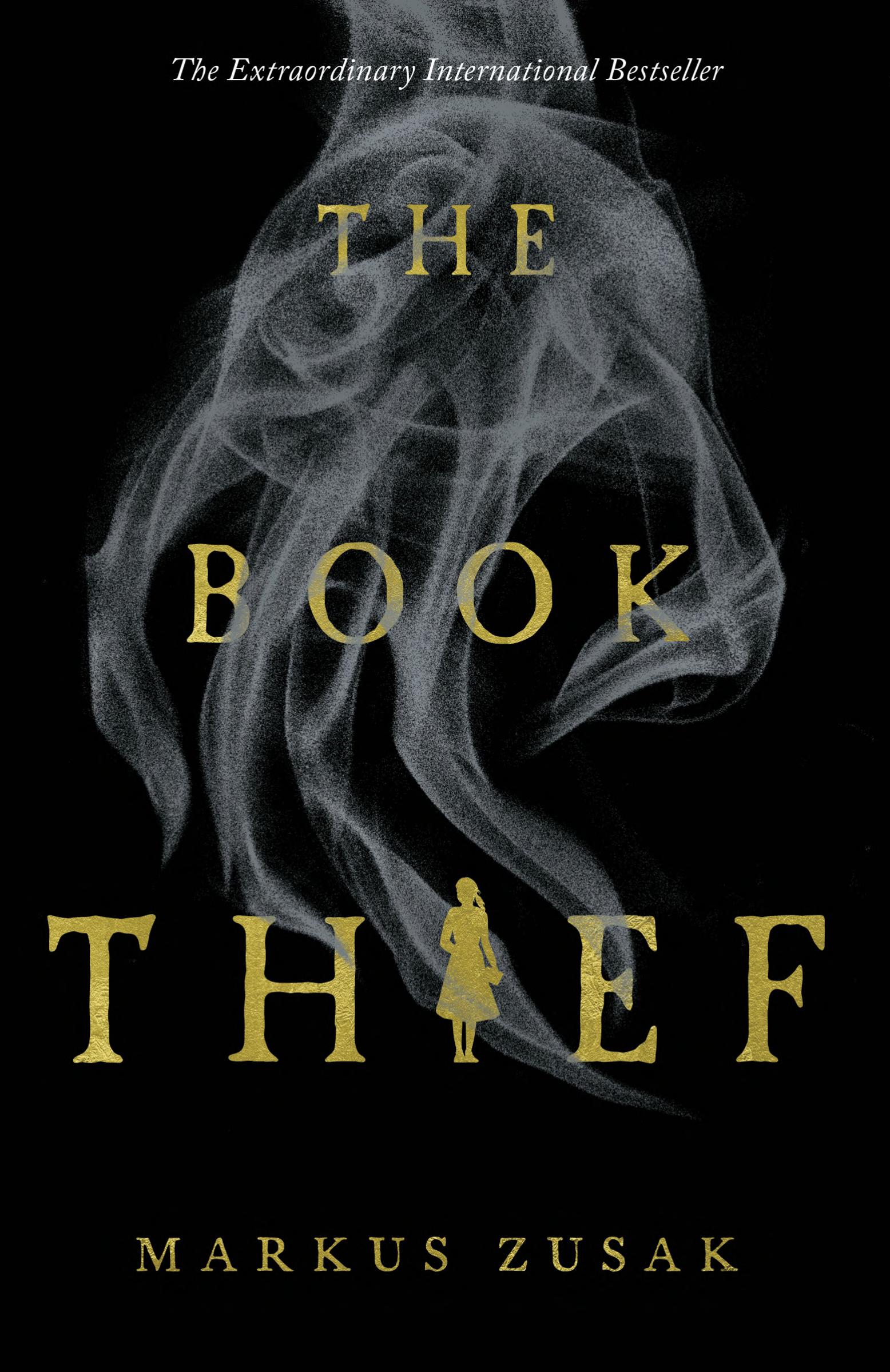
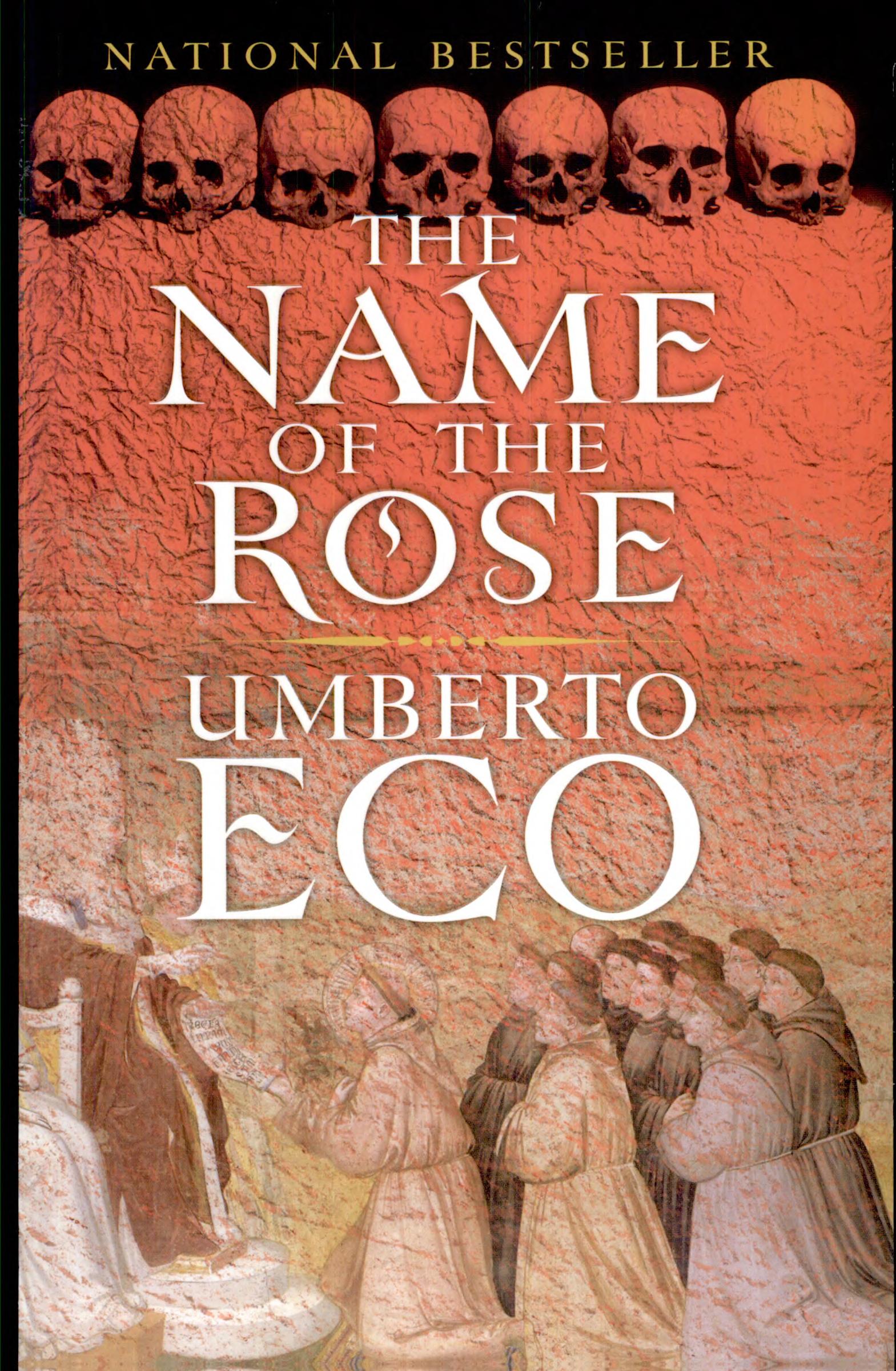
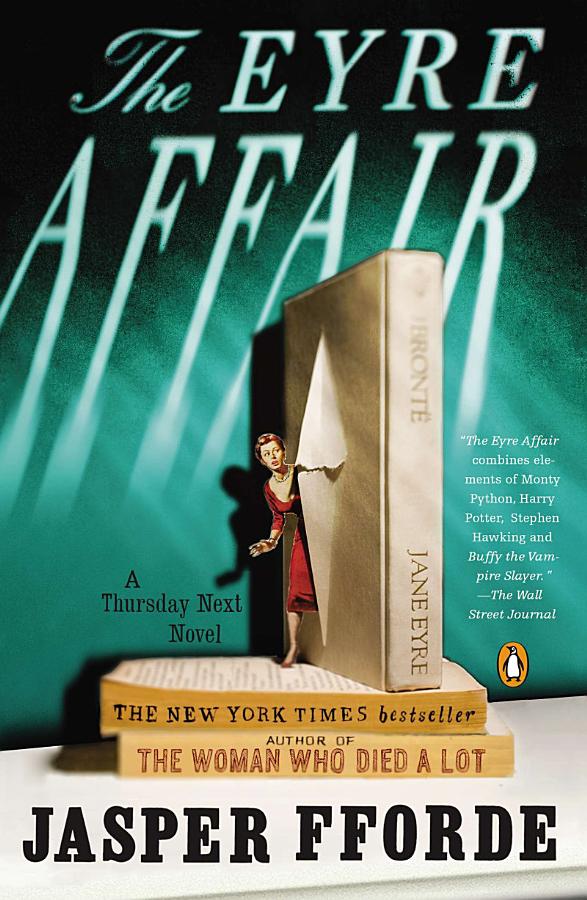
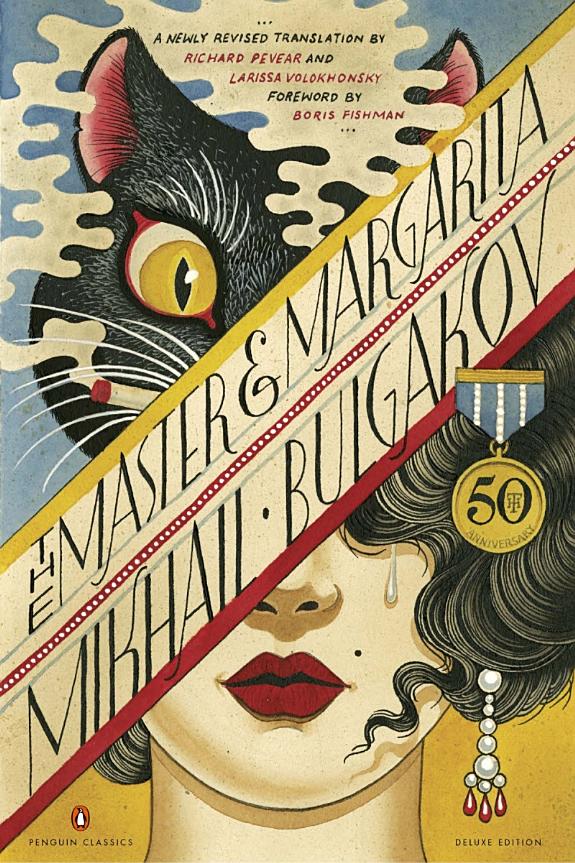
The Shadow of the WindCarlos Ruiz ZafonZafon’s Barcelona novel is built around one of the most resonant premises in book-about-books fiction: the Cemetery of Forgotten Books, where every forgotten title is preserved and where each visitor chooses one book to protect as their own. Ten-year-old Daniel Sempere chooses a novel called The Shadow of the Wind and discovers that someone has been systematically destroying every copy of its author’s works. The novel that follows is a gothic mystery, a love story, and a meditation on what books mean to the people who love them — specifically, what it means to find a book that feels addressed to you personally, as if it was waiting for you to arrive. The most atmospheric and immediately pleasurable entry on this list. Fahrenheit 451Ray BradburyBradbury’s novel is the most direct statement in fiction of why books matter: it imagines a society that has decided books are dangerous enough to burn and asks what is lost. The answer is not simply information — television provides information — but the specific quality of experience that reading produces: the slowing down of time, the engagement of individual imagination, the encounter with a consciousness different from your own. Montag the fireman’s conversion from burner to protector is organized around his discovery of this difference, and Bradbury makes it feel earned rather than inevitable. The most formally efficient novel on this list — very short, very direct — and the one that makes the argument in its least complicated form. The Book ThiefMarkus ZusakZusak’s novel is narrated by Death and set in Nazi Germany, where Liesel Meminger steals books from burning piles and from libraries and from the mayor’s wife’s shelf. The books are not just objects she collects — they are the means by which she processes the unprocessable, the form of resistance available to a child in circumstances that have no good options, and eventually the gift she gives to the Jewish man hiding in her basement, who is himself a writer. Zusak’s formal choice — Death as narrator, language as the novel’s primary subject even more than its plot — makes the book a direct argument for the irreducibility of story: that the human need to make and receive narratives is not a luxury but a survival mechanism. The Name of the RoseUmberto EcoEco’s medieval mystery is organized around a library — specifically, a labyrinthine library whose contents are being kept from the monks who are supposed to have access to them, and whose most dangerous volume turns out to be the one that could make people laugh at what the Church most needs them to take seriously. The argument the novel makes about books is the most radical on this list: that the right book in the right hands at the right historical moment is genuinely dangerous to institutional power, and that the people who control access to knowledge understand this even when they cannot say so directly. The most intellectually demanding novel here and the one that takes the dangerous-book premise most seriously as a historical and philosophical argument. The Eyre AffairJasper FfordeFforde’s novel takes the book-as-real-thing premise to its logical extreme: in Thursday Next’s world, literary characters are genuinely alive inside their books, the texts of classic works are living documents that can be entered, and the crimes most worth investigating are crimes against literature. The comedy is the vehicle; the argument is sincere. Fforde is making the same claim as Bradbury and Zusak — that what happens inside books is as real as what happens outside them, and that the characters in them are as genuinely present as historical people — but he makes it through farce rather than tragedy, which is the harder formal register to sustain. The most fun novel on this list and the one that arrives at the most earnest love letter to reading through the least earnest method of getting there. The Master and MargaritaMikhail BulgakovBulgakov’s novel belongs on this list because its entire second storyline — the Jerusalem chapters about Pontius Pilate and Yeshua — is a suppressed manuscript written by the Master and destroyed by him in despair when the Soviet literary establishment refuses it. The novel’s argument about books is made through this destruction and its undoing: the manuscript is burned but not lost, because, as Woland tells the Master, manuscripts don’t burn. Bulgakov wrote this while his own work was being suppressed, and the claim that genuine literature survives the people and systems that try to destroy it is not a metaphor but a personal testament. The most autobiographically weighted entry on this list and the most moving account of what it means to write something true in conditions that punish truth-telling. Who This Is For
Serious readers who want fiction that reflects their own experience of what books actually do — who have had the experience of a book arriving at the right moment and changing something, and who want novels that understand and articulate that experience. Also the right recommendation for the reader in your life who reads constantly and who would appreciate fiction that takes reading itself as seriously as they do. The literary fiction catalogue has more in this direction.
Frequently asked questions
Q: Is The Book Thief appropriate for adult readers, given its reputation as YA?
A: Entirely. The Book Thief is marketed as YA in some territories and as adult literary fiction in others, which tells you more about the marketing categories than about the book. The narrator is Death; the setting is Nazi Germany; the subject is what language and story mean to a child in conditions that defy comprehension. Adult readers consistently find it among the most affecting novels they have read.
Q: What is the Cemetery of Forgotten Books in The Shadow of the Wind?
A: A fictional labyrinthine archive somewhere in Barcelona, where booksellers and their families have preserved copies of books that are out of print or otherwise forgotten. Each person who is brought there as a child is invited to choose a book to protect and to ensure will never fully disappear. It is the most romantic image in fiction for what libraries actually do — preserve the accumulated intellectual and imaginative labor of a civilization against the attrition of time and indifference.
Q: Can I read The Name of the Rose without knowing medieval theology?
A: The theological debates are dense but Eco provides enough context that a reader without prior knowledge can follow the argument. What benefits from some prior familiarity is the broad outlines of medieval Church history and the debates between different monastic orders. A brief read of the Wikipedia article on Franciscans and Benedictines before starting will pay dividends. The mystery mechanics work independently of the theological content.
Q: What should I read after Fahrenheit 451 if I want more Bradbury?
A: The Martian Chronicles applies the same lyrical prose and the same concern about what humanity loses when it prioritizes efficiency over imagination, in a science fiction setting rather than a dystopian one. Something Wicked This Way Comes is Bradbury’s most Gothic novel — a dark fantasy about a carnival that arrives in a small town and what it offers the people who want something badly enough. Both are short and written in prose that rewards reading aloud.
Not sure which of these is right for you specifically? The Pagesmith quiz matches you to books based on your mood, pacing preference, and reading goals, not bestseller lists. Takes two minutes.