Books Like Little Fires Everywhere for Fans of Domestic Tension
Little Fires Everywhere works because Ng uses a custody dispute in a planned community to expose the gap between its stated values and its actual social architecture. These books share that method: a community's comfortable self-presentation placed under pressure until the structure underneath becomes visible.
June 2026 · 8 min read · The Pagesmith
Little Fires Everywhere is a domestic thriller in the strictest sense: a novel organized around the threat not to a body but to the comfortable story a community tells about itself. Shaker Heights, Ohio was designed to be a place where progressive values were encoded in zoning laws and architectural standards, where diversity was planned and therefore, in some sense, managed. Mia Warren and her daughter Pearl arrive and expose — not through confrontation but simply through existing differently — the gap between what Shaker Heights believes about itself and what it actually does when its values are tested by a case it cannot comfortably resolve. The books here share that structural method: a community, a family, or a household whose self-presentation depends on a certain story being maintained, and a disruption that makes maintaining the story impossible. The drama in all of them is not primarily about what happens but about what the people inside the situation discover about who they actually are when they can no longer perform who they thought they were.
What Domestic Tension Fiction Is Actually About
The best domestic tension fiction — the category that Little Fires Everywhere belongs to — is not about the marriages or the children or the neighborhood dramas that organize its surface. It is about ideology: the specific ways that people organize their identities around values they have not fully examined, and what happens when those values are tested by circumstances that do not cooperate with them. Elena Richardson believes she is a good person, a fair person, a person whose life reflects her genuine commitments. Mia Warren’s presence makes Elena’s goodness conditional in ways Elena cannot see and cannot stop, and Ng uses the custody dispute to make that conditionality visible. The books here are all doing some version of this: using a specific crisis to reveal a structure of belief that was invisible precisely because it was never challenged.
The domestic tension novel is not about domestic life. It is about what domestic life — its routines, its relationships, its carefully maintained social performances — conceals about who people actually are and what they actually value when the concealment becomes impossible.
The Books
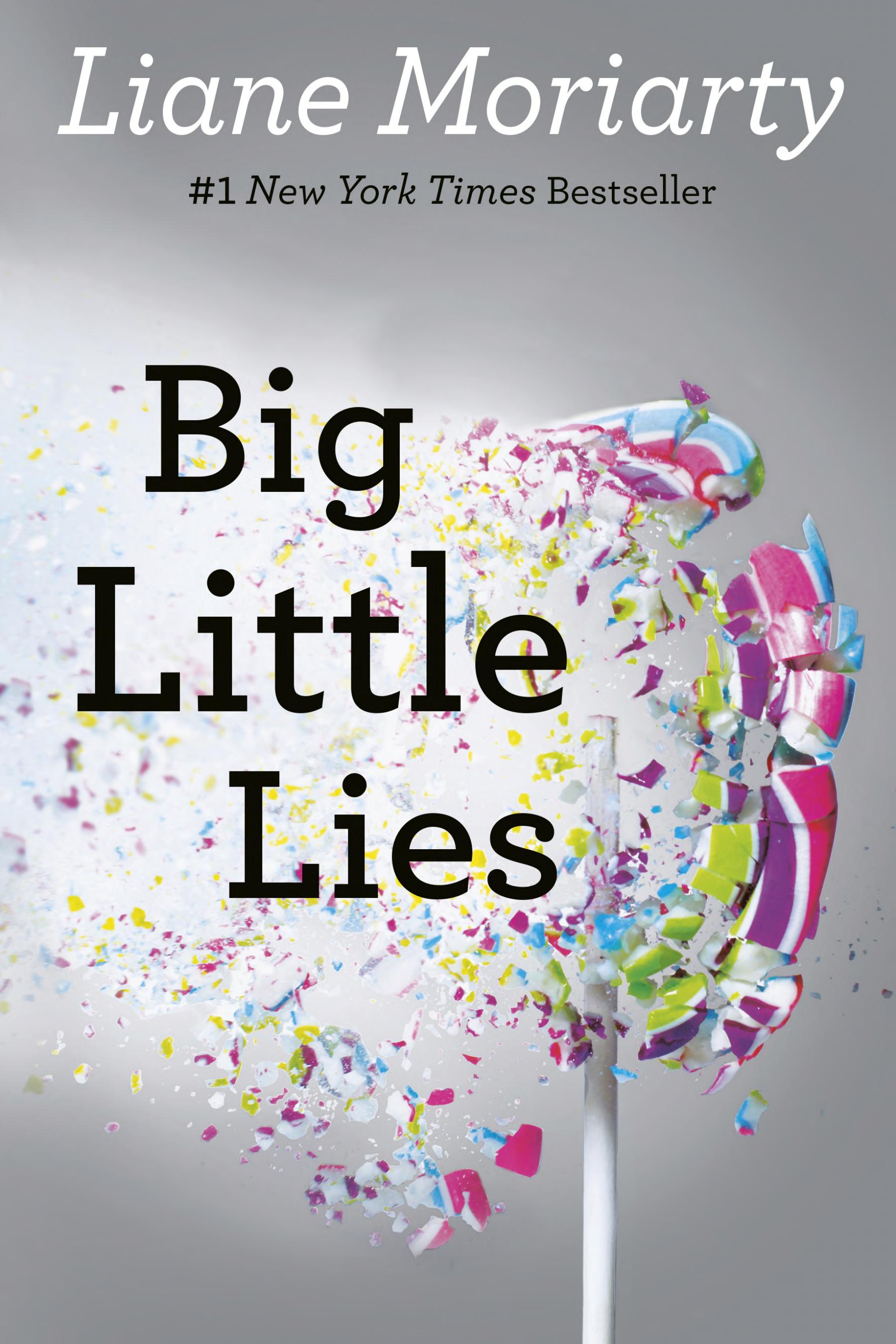
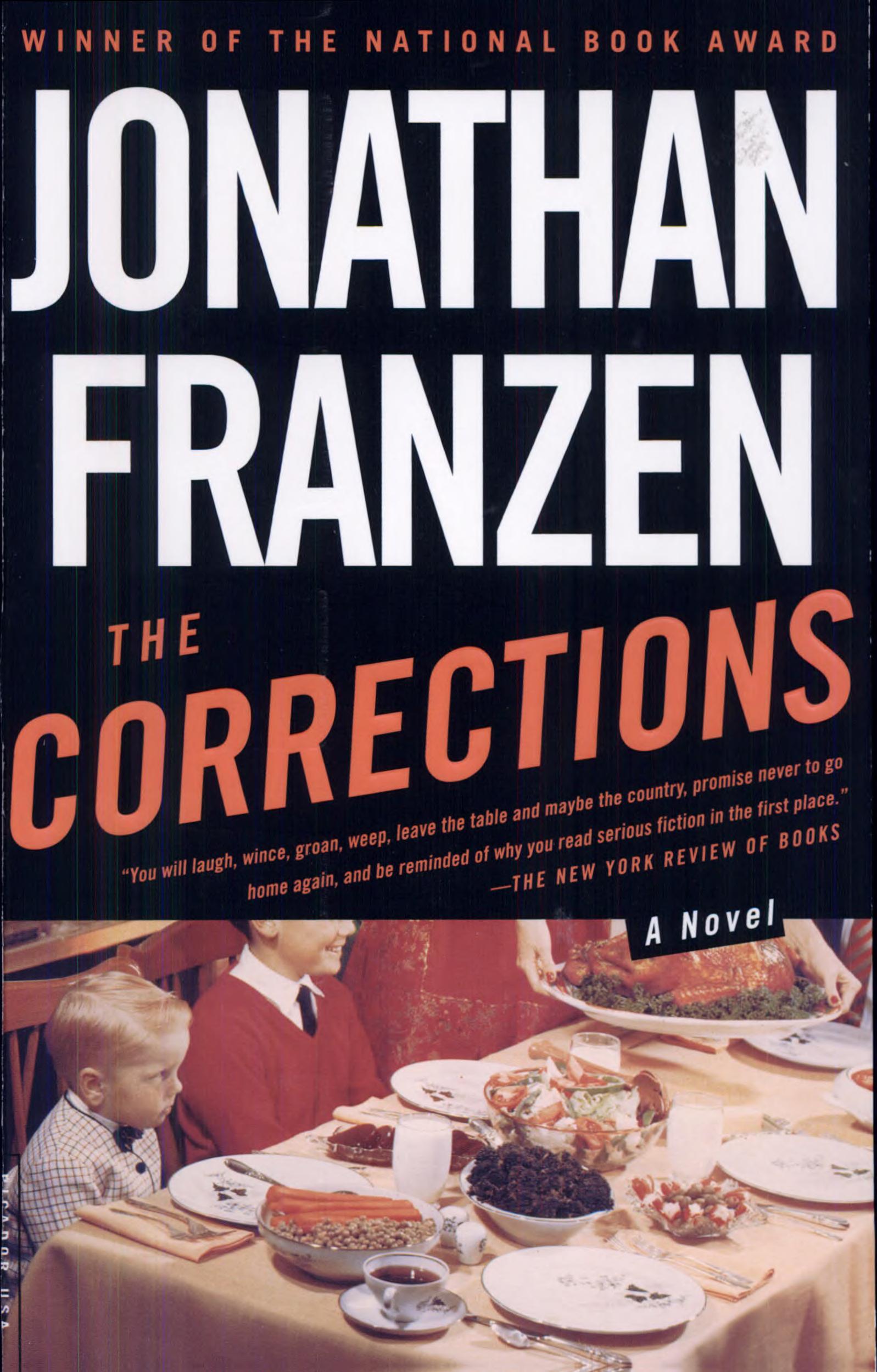
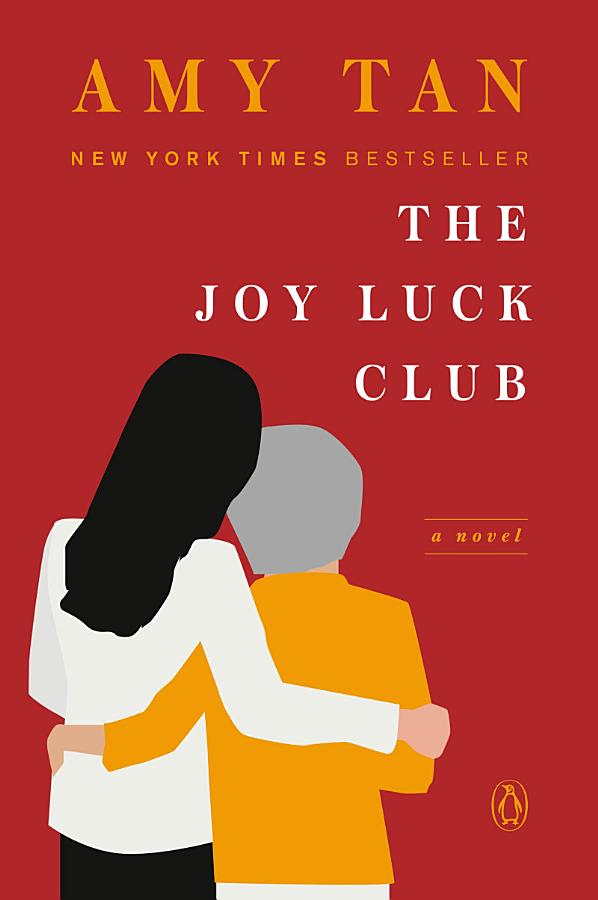
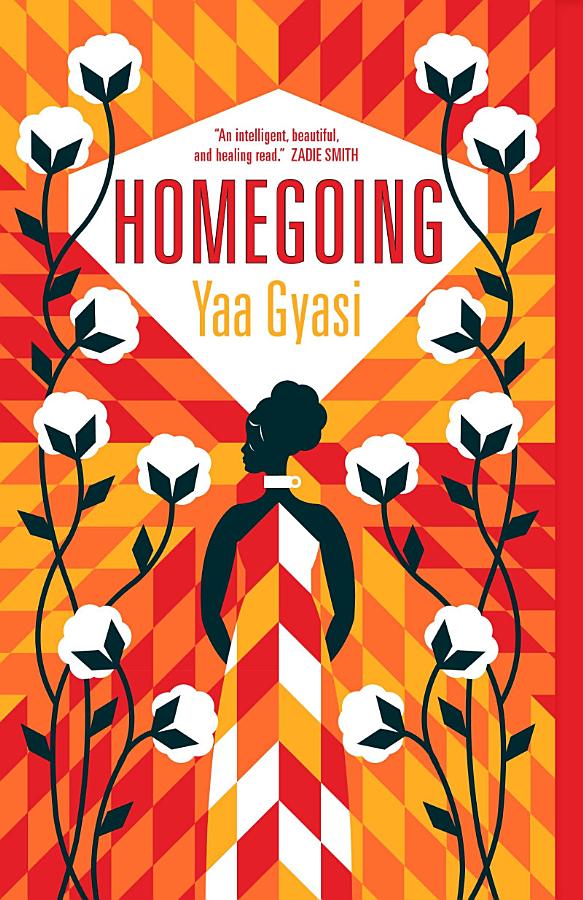
Big Little LiesLiane MoriartyThe most direct structural companion: a community organized around its children’s school, a crime that everyone present at the trivia night knows about but whose details emerge gradually, and a cast of women whose social performances conceal something darker than the community’s cheerful surface suggests. Moriarty uses the same basic mechanism as Ng — a community where everyone is performing their values rather than living them — but applies it to domestic violence rather than racial and class ideology. The comedy is sharper than Little Fires Everywhere’s and the revelation of what is actually happening inside the Richardson-equivalent households is handled with more thriller discipline. The most immediately propulsive book on this list. The CorrectionsJonathan FranzenFranzen operates at a different register from Ng — more satirical, less thriller-structured, more interested in how self-deception operates inside individual psychology than inside community ideology — but the Lambert family is organized around the same structural gap between self-presentation and actuality. Alfred’s pride, Enid’s hunger for social confirmation, Gary’s self-righteous competence: all are rendered with the same double-exposure that Ng brings to Elena Richardson, intimate enough to produce sympathy and clear-eyed enough to expose the self-deception underneath. The most psychologically precise book on this list, and the one most interested in how the gap between who people think they are and who they actually are operates across a family rather than a community. BeartownFredrik BackmanBackman’s hockey-town novel shares Little Fires Everywhere’s essential structure but applies it to a different kind of community ideology: the specific values of a small working-class town organized around athletic excellence, where the hockey team’s success is not just entertainment but the town’s identity and its economic future. The assault at the novel’s center is not a mystery but a moral crisis — everyone knows what happened — and the novel is organized around what the community does when protecting its most valued institution requires abandoning one of its members. The most morally serious novel on this list about what communities value when their values conflict, and the most honest about how institutions protect themselves rather than their principles. The Dutch HouseAnn PatchettPatchett’s novel is organized around a house rather than a community, but the house operates the same way that Shaker Heights does in Little Fires Everywhere: as a container for a set of beliefs about who the people inside it are and what they deserve. When Danny and Maeve Conroy’s stepmother removes them from the Dutch House, the house becomes the organizing symbol of everything the family lost and of the specific story the siblings have been telling each other about their childhood ever since. Patchett is interested in how families construct narratives about themselves that are not quite true and that the family members need to be true, and in what happens when the narrative meets its limits. The warmest book on this list and the one that handles the domestic crisis with the most affection for its characters. The Joy Luck ClubAmy TanTan’s novel shares Little Fires Everywhere’s interest in what gets transmitted between mothers and daughters and what gets lost in the transmission — specifically, how the values and survival strategies that served one generation in one set of conditions become constraints for the next generation in different conditions. The Joy Luck Club mothers and their American daughters are all running versions of the same misunderstanding: each mother believes she is giving her daughter the best of what she knows, and each daughter experiences that gift as pressure rather than inheritance. Ng’s Elena Richardson and her daughter Izzy are a compressed version of this dynamic, and Tan’s novel renders it with the length and the cultural specificity it deserves. HomegoingYaa GyasiGyasi’s multigenerational novel expands the Little Fires Everywhere argument across eight generations and two continents: the custody dispute and the community’s racial ideology at the center of Ng’s novel become, in Gyasi’s hands, the entire architecture of slavery and its aftermath, traced through specific families whose choices in specific historical moments determine what the next generation inherits. The domestic scale of Little Fires Everywhere and the historical scale of Homegoing are doing the same analytical work — tracing how institutional racism distributes itself through individual lives and family decisions — at very different levels of magnification. For readers who finished Little Fires Everywhere understanding the racial argument Ng was making and who want that argument at its full historical depth. Who This Is For
Readers who finished Little Fires Everywhere understanding that Ng was not primarily writing a novel about a custody dispute but about the gap between a progressive community’s stated values and its actual social architecture — and who want more fiction organized around that kind of ideological exposure. Also readers who find domestic fiction satisfying when it uses domestic material to make larger arguments about class, race, and the stories communities tell about themselves. The contemporary and literary fiction catalogues have more in this direction.
Frequently asked questions
Q: What is Little Fires Everywhere about?
A: The Richardson family of Shaker Heights, Ohio — a planned community built on the idea that good values and good design produce good outcomes — and the artist Mia Warren, who rents from them with her daughter Pearl. When a custody dispute over a Chinese-American baby divides the community, the novel uses it to expose how the community’s progressive self-image depends on certain questions never being asked. It was adapted into a Hulu series with Reese Witherspoon and Kerry Washington.
Q: Is Beartown darker than Little Fires Everywhere?
A: Considerably. Ng’s novel handles difficult material — race, class, the limits of liberal ideology — through the social comedy of a community encountering its own contradictions. Backman’s novel handles a sexual assault and its institutional cover-up with a directness and emotional weight that is closer to tragedy than comedy. Both are serious; Beartown is the more emotionally demanding read.
Q: What makes The Dutch House different from a typical family saga?
A: The novel is organized around a single physical place and what it means to the two siblings who lost it — not what the house contained materially but what it represented about their identity and their parents’ marriage. Patchett is interested in how families construct sustaining myths about their pasts and what the cost of those myths is, which is a more compressed and more architectural version of the ideological argument Ng makes about Shaker Heights.
Q: Is this list appropriate for book clubs?
A: All six generate excellent discussion, particularly around the questions of what communities owe their members, how racial and class ideology operates beneath progressive self-presentation, and what parents transmit to children intentionally and unintentionally. Little Fires Everywhere, Beartown, and Big Little Lies generate the most immediate discussion; The Corrections and Homegoing generate deeper conversations that tend to run longer.
Not sure which of these is right for you specifically? The Pagesmith quiz matches you to books based on your mood, pacing preference, and reading goals, not bestseller lists. Takes two minutes.