Slough House and Beyond: Books Like Slow Horses
Slow Horses works because Herron uses a dysfunctional institution to show how bureaucratic cynicism produces both comedy and genuine moral failure. These books share that structural interest: worlds where the official purpose and the daily reality have diverged in ways the institution refuses to acknowledge.
June 2026 · 8 min read · The Pagesmith
Slow Horses is not primarily a spy thriller, though it has spy thriller mechanics. It is a workplace novel organized around the specific comedy and horror of an institution that has forgotten what it is for. Slough House exists to warehouse the people MI5 cannot fire — the agents who made career-ending mistakes and are now performing pointless administrative work under the monstrous, brilliant, flatulent Jackson Lamb. The comedy comes from the gap between what MI5 officially is (a serious intelligence organization defending the national interest) and what Slough House actually is (a bureaucratic punishment unit populated by failures and run by a man who appears to have chosen his own exile). The horror comes from the same gap: when the slow horses stumble into genuine crises, the institution’s official priorities reassert themselves in ways that cost lives. The books here share that structural interest in organizations where the official story and the actual story have diverged, and where the gap produces comedy, tragedy, or both simultaneously.
What Makes Institutional Fiction Work
The best institutional fiction — the tradition that Slow Horses belongs to alongside le Carre and Catch-22 — is not primarily about the work the institution claims to do. It is about what the institution does to the people inside it: how it selects for certain qualities, socializes people into its values, manages information in ways that serve institutional interests rather than stated purposes, and handles the specific problem of individuals who notice the gap between the official and the actual. Lamb is the most extreme version of this noticing: a man of formidable intelligence who has made himself maximally inconvenient to the institution as the only available form of revenge for what the institution did to him. The books here all feature similar relationships between the individual and the institutional structure surrounding them.
The best spy fiction is not about espionage. It is about what institutions do to the people who serve them honestly — and what happens to the people who see the gap between what the institution claims to be and what it actually is.
The Books
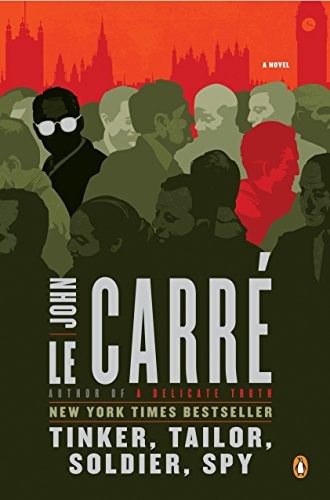
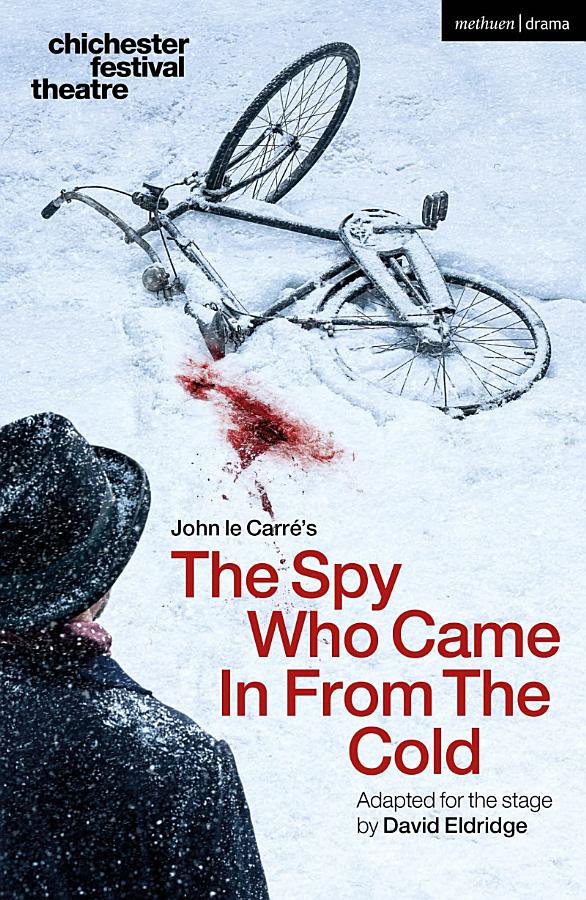
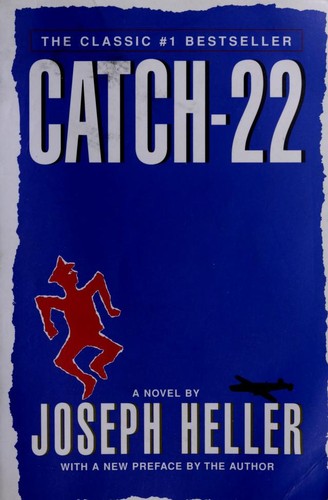
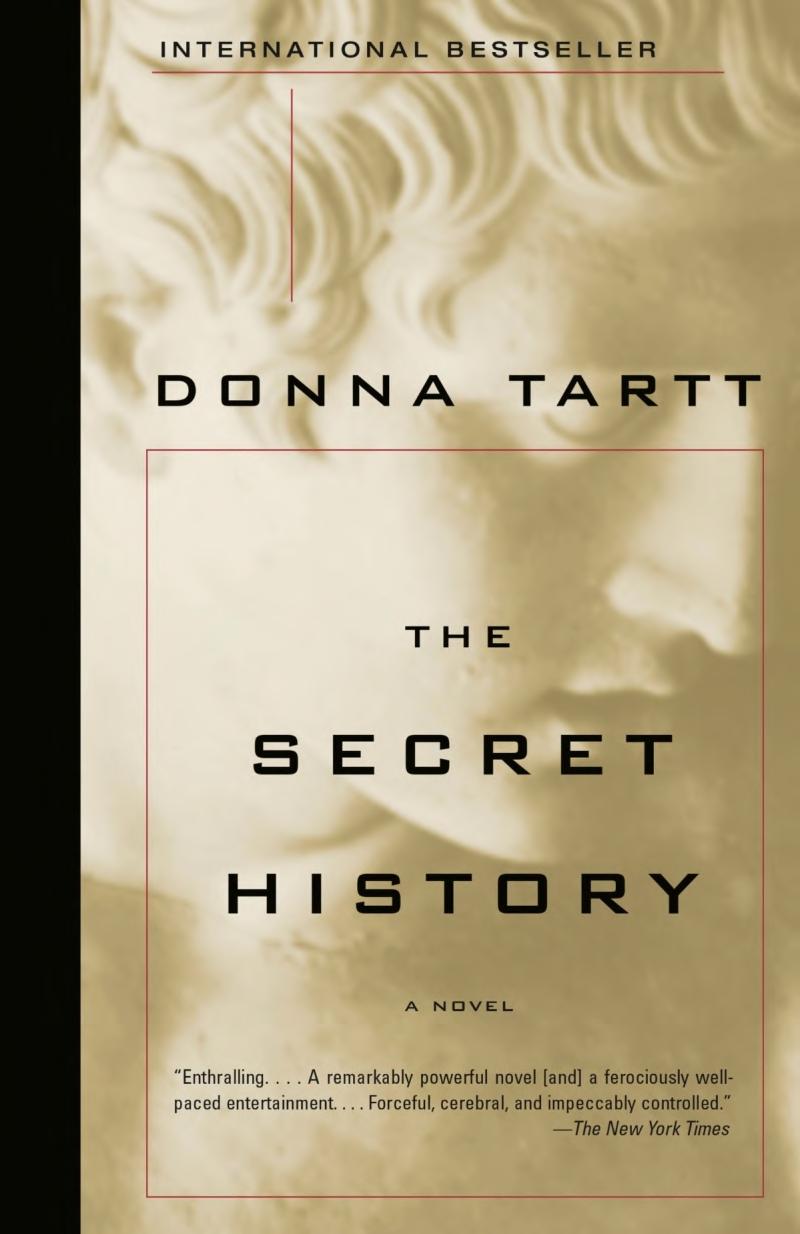
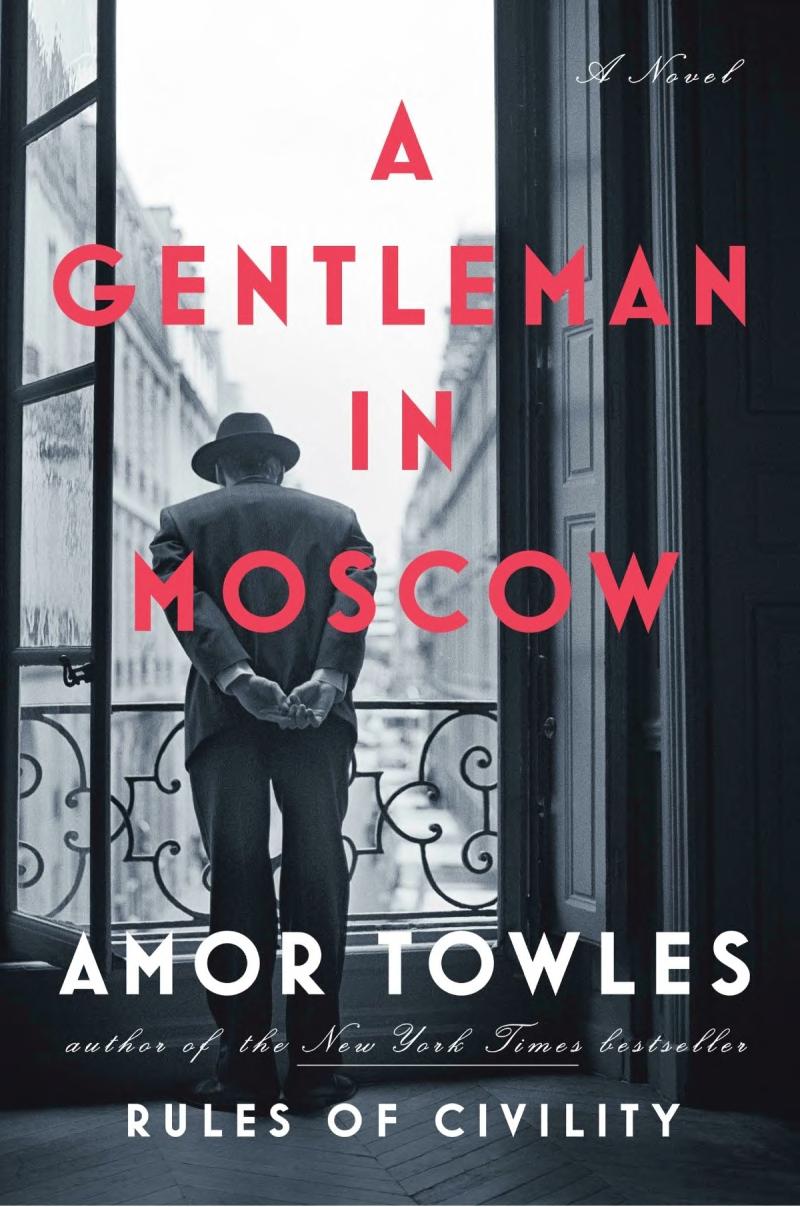
Tinker Tailor Soldier SpyJohn le CarreThe foundational text for everything Herron is doing in Slough House, and the novel that established the British intelligence service as a subject for serious literary fiction rather than adventure entertainment. George Smiley’s investigation of a mole at the top of the Circus — conducted after his forced retirement, through memory and conversation rather than fieldwork — is organized around the same question Herron asks: what does an institution’s culture produce over time, and how does that culture make certain kinds of betrayal not just possible but predictable? Le Carre is more deliberately paced and more melancholy than Herron; there is no comedy in Tinker Tailor. But the institutional portrait is where Herron learned what he knows, and Smiley is Lamb’s godfather in the tradition. The Spy Who Came in from the ColdJohn le CarreLe Carre’s first masterpiece is shorter and faster than Tinker Tailor and makes the institutional argument in its most concentrated form. Alec Leamas is sent on a final mission by the Circus — told he is doing one thing, actually being used for another — and the novel’s structure requires the reader to hold the same incomplete information he does until the final movement reveals what has actually been happening. The revelation is not a twist but a demonstration: institutions use their employees instrumentally, the stated mission and the actual mission are never the same, and the individual who trusts the institution without understanding this will pay the full cost of that trust. Herron’s slow horses live in the world this novel describes, which is why Lamb trusts no one and nothing. Catch-22Joseph HellerHeller’s military bureaucracy novel is Slow Horses’ tonal ancestor in a way that le Carre is not: both are organized around dark comedy as the most honest response to institutional absurdity, and both use the comedy to smuggle genuine horror into a form that might otherwise be too direct to sustain. Yossarian’s attempts to be grounded — which the Catch-22 rule prevents, because only someone who is rational could request a medical grounding, and requesting a grounding proves rationality — is Lamb’s bureaucratic cynicism applied to the question of survival rather than the question of intelligence failures. The most formally similar novel to Slow Horses on this list in terms of the relationship between comedy and institutional critique. The Constant GardenerJohn le CarreLe Carre’s post-Cold War novel applies the institutional critique to the pharmaceutical industry and the British Foreign Office simultaneously: Justin Quayle investigating his wife’s murder discovers that the institution he serves has made the same calculation that Slough House’s parent organization always makes, which is that institutional interests take precedence over the welfare of individuals — including, when necessary, the individuals it employs. The novel is angrier than le Carre’s Circus books and more directly political, but it shares their understanding of how institutions manage inconvenient truths about themselves. For Slow Horses readers who want the same institutional argument applied to corporate rather than intelligence structures. The Secret HistoryDonna TarttTartt’s academic institution novel is not a spy thriller but shares Slow Horses’ most important formal quality: a closed world with its own hierarchy and internal logic, populated by people who have been selected for specific qualities and who discover that those qualities do not protect them from the institution’s darker demands. The Greek seminar at Dellecher is as closed a world as Slough House, and the complicity the group develops — the cover-up that requires each member to suppress their individual conscience in service of the group’s survival — is the academic version of what the slow horses face when institutional loyalty and personal ethics diverge. The darkest entry on this list and the one most psychologically precise about how group identity produces individual moral failure. A Gentleman in MoscowAmor TowlesThe tonal counterpoint: where Slow Horses is dark comedy about institutional exile, A Gentleman in Moscow is warm comedy about the same predicament. Count Rostov under Soviet house arrest in the Metropol Hotel is as thoroughly sidelined by his institutional circumstances as Lamb’s slow horses, and both novels are interested in the same question — what does a person of considerable capability do when confined to a space that is not adequate to that capability? Towles’s answer is more elegant and more optimistic than Herron’s, but the structural situation is identical: a brilliant person who has been placed outside the institution that should use them, finding ways to matter anyway. For readers who want the Slow Horses dynamic — competence operating in confinement — without the institutional cynicism. Who This Is For
Readers who loved Slow Horses specifically for its institutional satire and dark comedy — who are not primarily interested in spy thriller mechanics but in the specific pleasure of watching a dysfunctional institution exposed through the perspective of the people it has exiled. Also readers who came to Herron through the Apple TV+ series and want to understand the le Carre tradition he is working within and departing from. The thriller and mystery catalogue has more in this direction.
Frequently asked questions
Q: Do I need to watch the Slow Horses TV series before reading the books?
A: No. The books came first and stand entirely independently. The TV series is an excellent adaptation and Gary Oldman’s Lamb is definitive, but the novels are richer and contain considerably more of Herron’s voice. Start with the first novel and the series will enhance rather than replace the reading experience.
Q: Which le Carre novel is the best starting point?
A: The Spy Who Came in from the Cold for the most concentrated and fastest version of his argument. Tinker Tailor Soldier Spy for the most complete portrait of the Circus as an institution. A Perfect Spy for the most autobiographical and most psychologically complex. All three assume no prior knowledge of his other work.
Q: Is Catch-22 as funny as people say?
A: Yes, and in a more sustained way than most comic novels. Heller maintains the comedic register across 450 pages without depleting it, which requires a formal discipline that most satirists cannot manage. The comedy also darkens as the novel progresses — what is funny early becomes horrifying later because the reader understands by then what the comedy was always concealing. The relationship between the funny and the horrifying in Catch-22 is the model for what Herron does in Slow Horses.
Q: What makes Jackson Lamb such a compelling character?
A: Lamb is the institutional exile who has made himself maximally inconvenient as a form of revenge — he is too dangerous to fire because he knows too much, and too disreputable to use because he will not cooperate. His formidability is completely concealed beneath his deliberate grotesqueness, and the novel’s comedy comes from the gap between his appearance and his actual capability. He is the logical endpoint of the cynicism that le Carre’s Smiley barely manages to suppress.
Not sure which of these is right for you specifically? The Pagesmith quiz matches you to books based on your mood, pacing preference, and reading goals, not bestseller lists. Takes two minutes.