Horror is the most misunderstood genre in fiction, and the misunderstanding is almost always the same: readers assume it is about fear as a visceral response, about shock and gore and the thing jumping out of the dark. The best horror is not about any of those things. It is about dread — the slow, structural accumulation of wrongness that cannot be named or located, the thing that operates at the edge of understanding rather than confronting you directly. Once you understand that, you understand why Shirley Jackson is more frightening than any slasher novel, and why the genre’s finest books are among the most formally accomplished in fiction.
What horror is actually doing
The mechanism of effective horror is not surprise but the sustained anticipation of something that may or may not arrive. Stephen King understood this early: the reader’s imagination, properly directed, will always produce something more frightening than any description. What the best horror writers do is create the conditions under which that imagination has no choice but to engage.
Gothic horror uses setting and atmosphere — the decaying house, the isolated location, the past that will not stay buried. Psychological horror uses the unreliable narrator or protagonist — the question of whether what is happening is real or imagined, which is more disturbing than confirmed supernatural threat because it removes the possibility of escape. Body horror addresses the fear of what the physical self can become. Cosmic horror uses the smallness and insignificance of humanity against a universe that is indifferent rather than malevolent.
Understanding which kind of wrong you want to experience is the first step to finding the horror that will actually work on you.
Horror is not about monsters. It is about dread — the slow accumulation of something being wrong in a way you cannot fully name. That distinction is the key to understanding why the genre’s best books are among the most formally accomplished in fiction.
The gothic tradition: atmosphere as dread
Psychological horror: the unreliable interior
Horror that earns its darkness through character
Who this is for
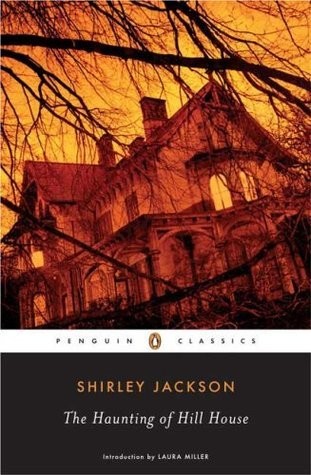
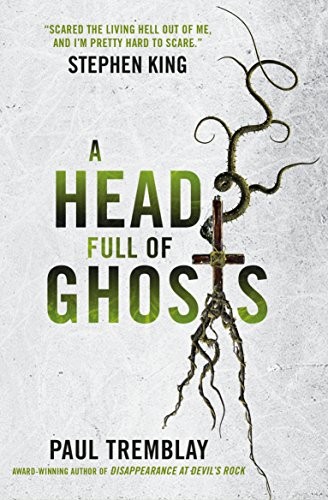
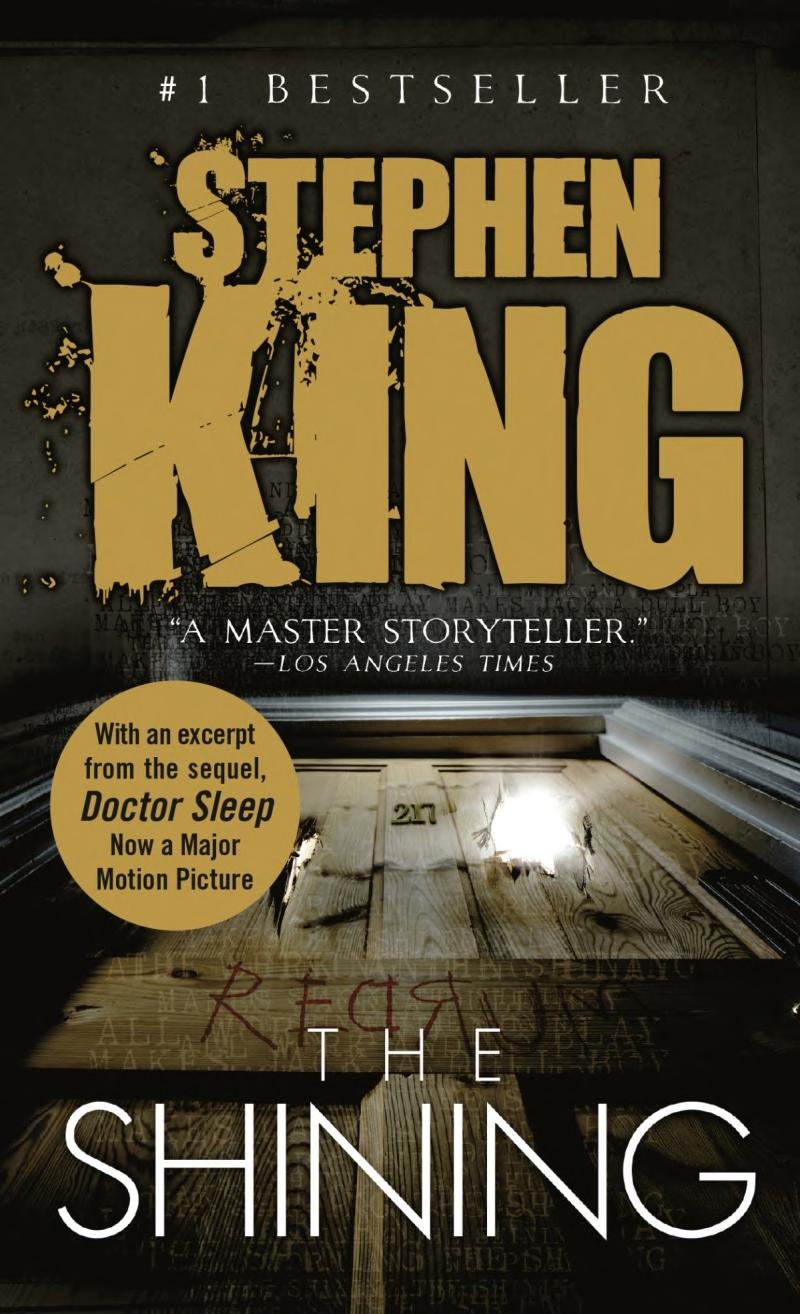
This guide is for readers who are curious about horror but uncertain where to start — or who have tried the genre and found it either too graphic or not frightening enough. Start with The Haunting of Hill House for the most formally accomplished gothic horror. The Shining for the most character-grounded popular horror. A Head Full of Ghosts for the most psychologically precise. Browse the full horror catalogue for more once you know which kind of wrong works on you.
Frequently asked questions
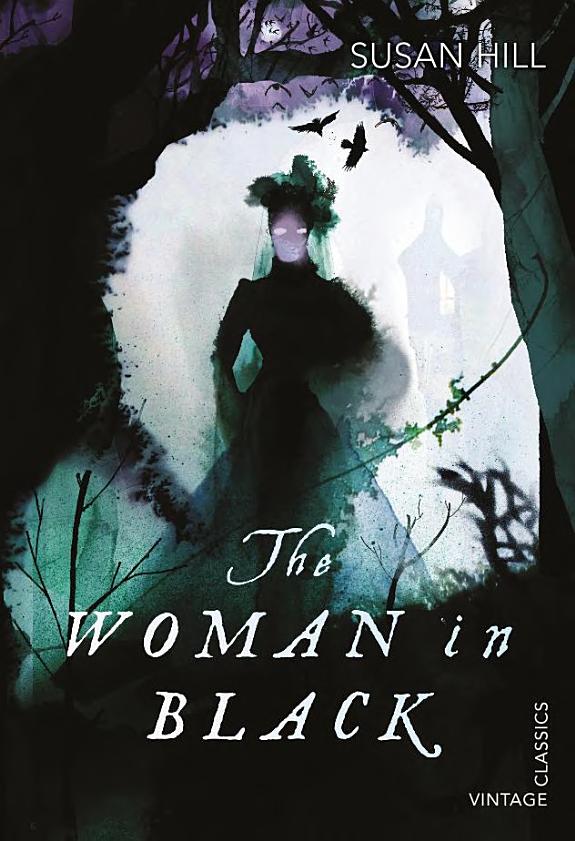
Q: Where should I start with horror fiction? A: The Haunting of Hill House by Shirley Jackson is the best starting point for readers who want literary horror. The Shining by Stephen King is the best starting point for readers who want popular horror with genuine psychological depth. The Woman in Black by Susan Hill is the best starting point for readers who want something short and atmospheric.
Q: What makes horror different from a thriller? A: Thrillers build tension toward a resolution. Horror builds dread toward an encounter with something that may or may not resolve — and often the unresolved ending is the point. The Haunting of Hill House deliberately refuses to confirm what happened; a thriller would have required it to. That ambiguity is horror’s primary instrument.
Q: Is horror always violent or graphic? A: No — the best horror is often barely violent at all. The Haunting of Hill House contains almost no violence. The Woman in Black is restrained. What matters is the sense of wrongness, which can be produced through atmosphere, psychology, and implication far more effectively than through explicit content.
Q: What horror books are good for readers who usually prefer literary fiction? A: The Haunting of Hill House is the most literary — Jackson is a major American writer, not a genre specialist. Mexican Gothic by Silvia Moreno-Garcia uses gothic horror to examine colonialism. We Need to Talk About Kevin has the horror of the everyday that is more disturbing than anything supernatural. All three reward readers who approach them with literary expectations.
Not sure which of these is right for you specifically? The Pagesmith quiz matches you to books based on your mood, pacing preference, and reading goals — not bestseller lists. Takes two minutes.