Romantasy: The Best Fantasy Romance Books Right Now
Romantasy succeeds when the fantasy stakes and the romantic stakes are genuinely interdependent -- when the obstacles between two characters come from the rules of the world itself, not just from miscommunication that better conversation could resolve. These six books get that interdependence right.
June 2026 · 7 min read · The Pagesmith
Romantasy — fantasy with romance as a central, often primary, narrative thread — has become one of the most commercially significant categories in publishing, and the range in quality within it is wide. The distinguishing feature of the books that work is structural integration: the fantasy world’s specific rules — who can love whom, what bonds mean, what magic costs — are the same rules that create the romantic obstacles. In a weaker romantasy, the fantasy plot and the romance plot can feel like two separate stories happening to the same characters, with the fantasy providing stakes and the romance providing feelings, but without either depending on the other. In the books here, you cannot separate the two: the romance is complicated because of how the magic system or the political structure works, and the fantasy stakes are personal because of who the characters love. That interdependence is what makes romantasy a genuinely distinct form rather than just two genres glued together.
What Makes the Fantasy and the Romance Actually Connect
The test is simple: if you removed the romance, would the fantasy plot still make sense in the same way? If yes, the romance was decorative. In the books here, the answer is no — the romantic relationships are load-bearing elements of the plot, not subplots running alongside it. A court’s politics are inseparable from who its members are allowed to love; a magic system’s costs are inseparable from what the central couple is willing to sacrifice for each other; a war’s outcome depends on a bond between two people that the world’s rules made nearly impossible to form. When this integration works, the emotional stakes of the romance and the plot stakes of the fantasy reinforce each other, which is the specific pleasure romantasy at its best provides.
The best romantasy doesn’t ask you to care about two things — a fantasy plot and a romance — separately. It makes you care about one thing, where the fantasy world’s rules and the relationship’s obstacles are the same rules, and resolving one means resolving the other.
The Books
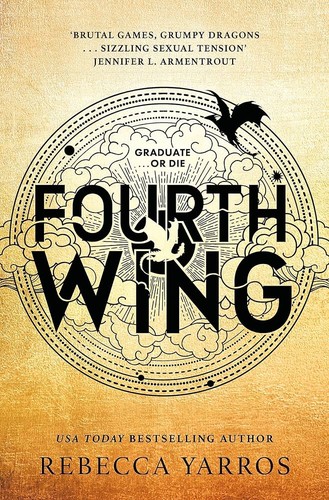
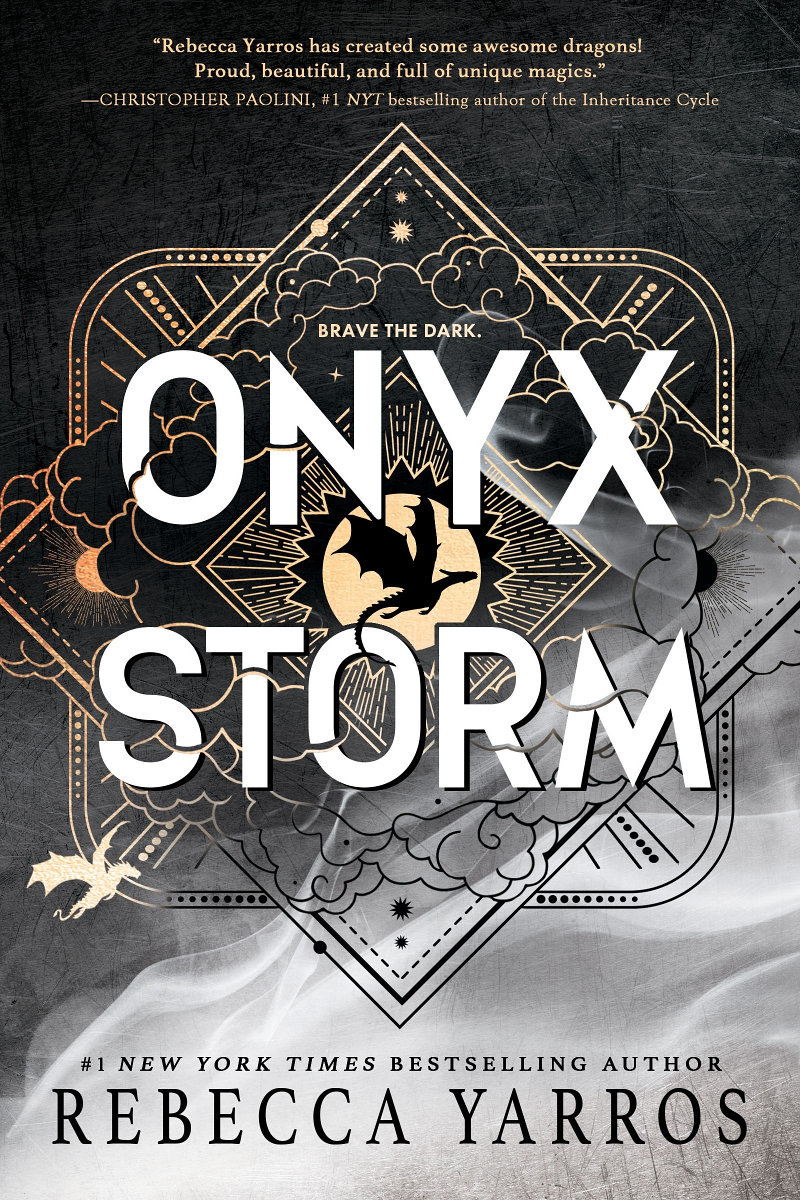
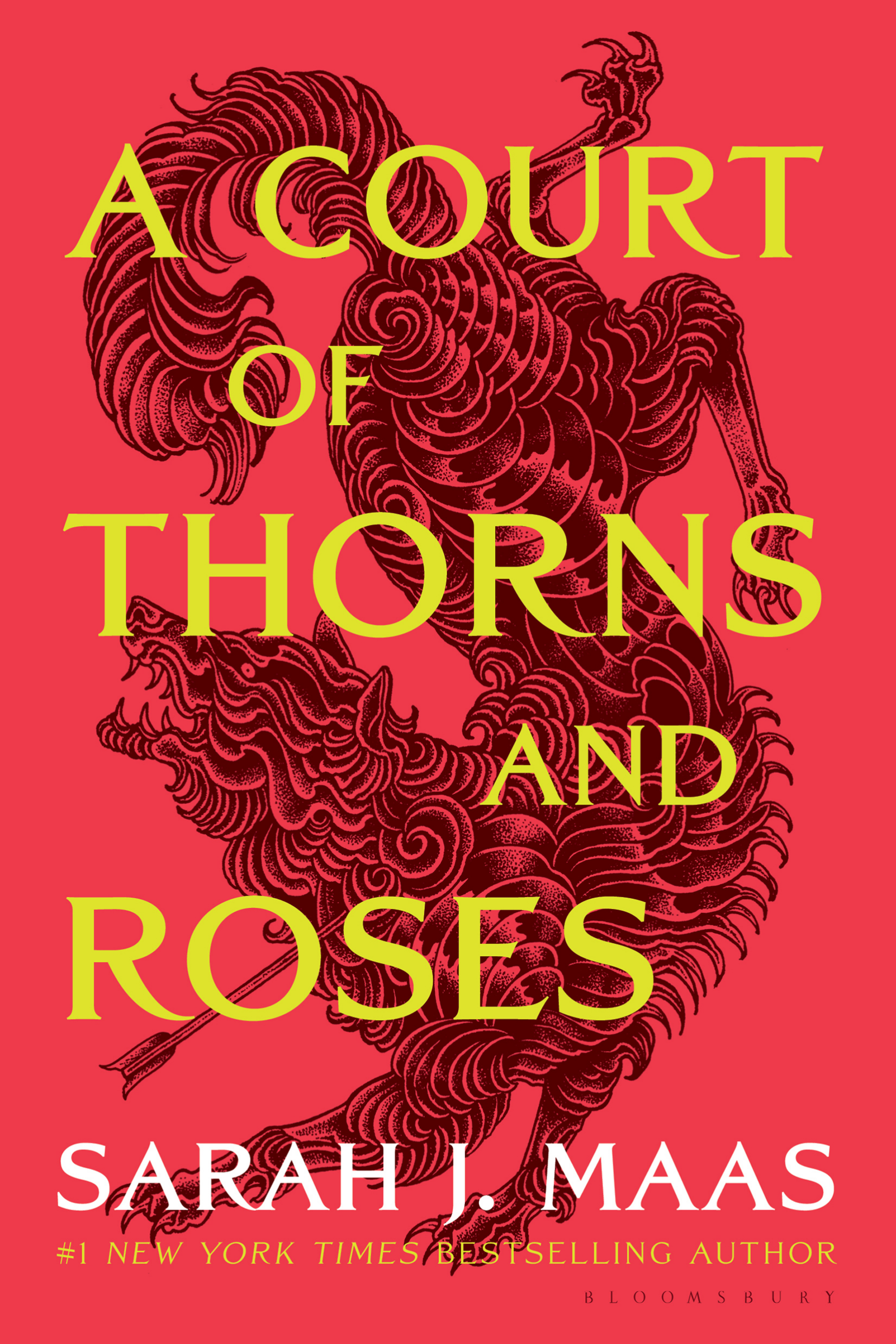
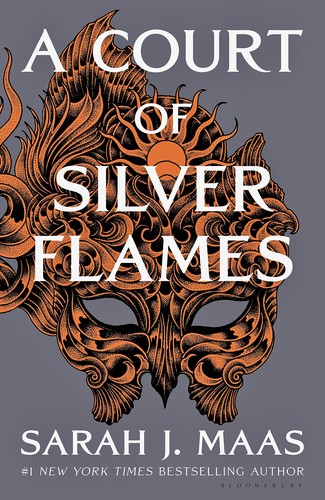
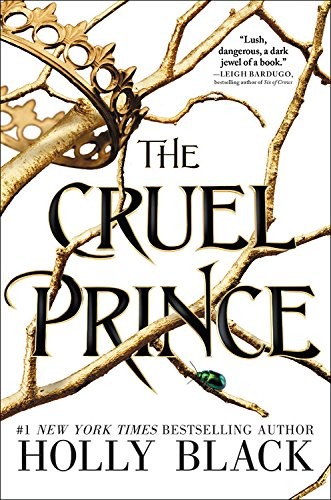
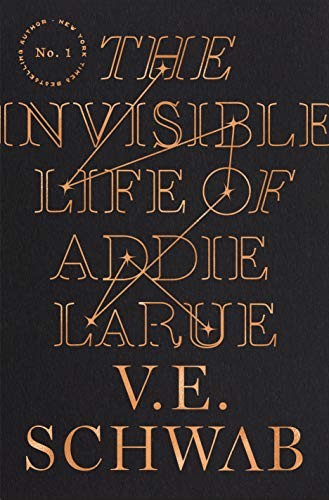
Fourth WingRebecca YarrosThe current standard-bearer for the genre, and a strong example of the integration principle: Violet’s physical fragility, her enemies-to-lovers dynamic with Xaden, and the dragon-bonding system that determines survival at Basgiath War College are all the same set of stakes. Xaden’s position as the son of a rebel leader and Violet’s position as the daughter of the general who executed rebels is not a separate complication layered onto the romance — it’s the reason the romance is dangerous, and the romance is also why the political situation becomes personally urgent for both of them. The dragon bonds themselves function as a literalization of the trust the romance requires. Genuinely difficult to separate the fantasy plot from the romance because Yarros built them as one structure. Onyx StormRebecca YarrosThe third Empyrean novel expands the war beyond Basgiath’s walls, which raises the stakes for Violet and Xaden’s relationship in ways directly tied to the expanding fantasy plot — the larger the war becomes, the more their bond is tested by circumstances neither can fully control. Yarros continues the integration that made Fourth Wing work: as the world gets bigger and more dangerous, the relationship’s obstacles scale with it rather than remaining static while the plot moves on around them. For readers already in the series, this is essential; for readers new to romantasy, starting with Fourth Wing first is strongly recommended given the ongoing narrative. A Court of Thorns and RosesSarah J. MaasMaas’s series is the foundational text for the modern romantasy boom, and its integration of fantasy and romance operates through the fae courts’ political structure: Feyre’s relationships with Tamlin and later Rhysand are inseparable from the courts’ politics, the curse that shapes the early books, and the war that develops across the series. The bargains, curses, and bonds that structure the magic system are also the mechanisms through which the romantic relationships develop and are tested — a soul-bond isn’t just a romantic device, it’s a plot mechanism with political consequences. The series scales this integration across multiple books and multiple courts, each with its own version of the same principle. A Court of Silver FlamesSarah J. MaasThe Nesta-and-Cassian volume of the ACOTAR series demonstrates the integration principle through trauma and recovery: Nesta’s psychological state after the events of the previous books is directly tied to the fantasy world’s magic system (her newly acquired powers, which she has been refusing to use), and Cassian’s role as the person who can help her isn’t separable from his own position in the Night Court’s military structure. The romance’s central obstacle — Nesta’s self-destructive withdrawal — is also a fantasy-world problem (an extremely powerful person refusing to engage with her power, which has political and military consequences for the court). One relationship, one set of stakes. The Cruel PrinceHolly BlackBlack’s series integrates romance and fantasy through power itself: Jude’s relationship with Cardan is inseparable from the question of who holds power in Elfhame and how a mortal without magic can survive, let alone matter, in a court built to exclude her. The enemies-to-lovers dynamic between them isn’t a romance happening alongside a political plot — their relationship is itself a political fact, with consequences for the court’s power structure that neither of them can extract from their personal feelings. The most morally complex entry on this list, with both central characters making choices that complicate any simple reading of the romance, which is itself part of the integration: in this world, love and power cannot be cleanly separated. The Invisible Life of Addie LaRueV.E. SchwabSchwab’s novel integrates romance and fantasy through the central curse itself: Addie’s immortality and the fact that everyone forgets her the moment they look away is both the fantasy premise and the entire structure of why romantic connection is almost impossible for her. When she meets Henry, who can remember her, the relationship’s existence is only possible because of a parallel deal he’s made — which means the romance and the magic system’s rules are the same fact, viewed from two different characters’ perspectives. The most melancholy entry on this list and the one where the integration is most thoroughly the emotional point rather than the plot mechanism. Who This Is For
Readers who want romantasy where the fantasy and romance elements are genuinely interdependent — where the world’s rules create the relationship’s obstacles, rather than the romance and the fantasy plot running on separate tracks. Also readers newer to the genre who want to start with books widely considered to represent it at its strongest. The fantasy and romance catalogues have more in this direction.
Frequently asked questions
Q: What is the difference between romantasy and fantasy with a romantic subplot?
A: The distinction is about proportion and integration. Fantasy with a romantic subplot treats the romance as one element among several, often secondary to political or adventure plots. Romantasy treats the romantic relationship as a primary driver of the narrative, often with the same page-time and stakes as the central fantasy conflict — and, in the best examples, makes the two genuinely inseparable rather than just both present.
Q: Should I start the ACOTAR series with A Court of Thorns and Roses or skip ahead?
A: Start with the first book. The series builds significantly across its volumes, and the romantic relationships in later books (including A Court of Silver Flames) depend on context established earlier. Some readers find the first book’s central romance less compelling than later pairings, but the worldbuilding and political setup established there are necessary for everything that follows.
Q: How explicit are these books?
A: Content varies. Fourth Wing, Onyx Storm, and the ACOTAR series contain explicit sexual content. The Cruel Prince and The Invisible Life of Addie LaRue have romantic and sexual content but are generally less explicit. If content level is a concern, checking content warnings before starting any of these is worthwhile, as romantasy as a category varies widely on this dimension.
Q: What should I read after The Cruel Prince if I want more Holly Black?
A: The Folk of the Air trilogy continues directly (The Wicked King, The Queen of Nothing). Black has also written The Stolen Heir, set in the same world with different protagonists, which can be read with some knowledge of the original trilogy’s events.
Not sure which of these is right for you specifically? The Pagesmith quiz matches you to books based on your mood, pacing preference, and reading goals, not bestseller lists. Takes two minutes.