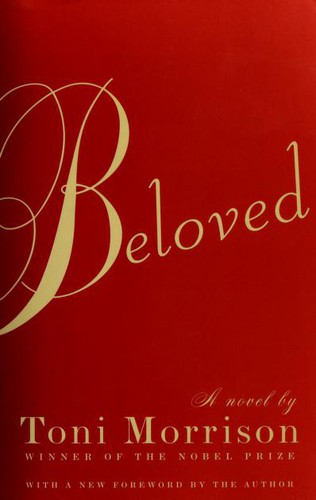
Beloved
An emancipated slave is haunted by the ghost of her dead daughter -- a shattering portrait of trauma, memory, and freedom.
Mood Dark & Gritty
Pacing Slow Burn
Complexity Dense & Rewarding
Pages 352
Reading Time
~12–18 hrs
An emancipated slave is haunted by the ghost of her dead daughter -- a shattering portrait of trauma, memory, and freedom.
About This Book
A woman who escaped slavery lives in a house on the edge of Cincinnati that is haunted, first by a furious spectral presence and then by a young stranger who arrives at the door and seems to be the daughter she lost. Morrison writes about the aftermath of enslavement not as history but as a wound that will not close, dramatizing how the past physically returns to claim the people who survived it. The narrative circles rather than marches, withholding the central event and revealing it in fragments, so the reader assembles the horror at the story's heart the way trauma actually surfaces, in flashes and refusals. Her prose is dense, lyrical, and demanding, moving between characters and time periods without signposting, which asks real effort and gives real reward. This suits readers who want literature that confronts the deepest cruelties of American history with unflinching seriousness and formal daring. It fits less well anyone seeking a linear plot or an easy read, since the difficulty is intrinsic to the meaning. Inspired by the true story of a mother who made an unspeakable choice rather than see her children returned to bondage, the book turns a single act into a reckoning with love, ownership, and the cost of freedom. The address of the haunted house, given only as a number, becomes a character in itself. Harrowing and essential, it rewards patient, attentive readers, though those wanting comfort or resolution should know it offers neither easily.
Who This Is For
Best for readers who want something unflinching: morally complex, heavy, and honest about the worst of things. This is a book that asks something of you. Dense, layered, and best read slowly. It takes its time, and that's the point. Patience is rewarded. Not the right choice if you're after something comforting or redemptive.
Best Read When
Best read when you're in the mood for something dark and uncompromising, and a read that's slow and deeply immersive.
What It Explores
Beloved explores identity and the gap between who we are and who we pretend to be, loss and what remains after it, and redemption — whether it is earned, possible, or ever truly complete.
Readers Who Liked This Also Loved
Personalised Recommendations
Answer six questions about how you like to read. No email, no account. Free always.
Find My Next Book →