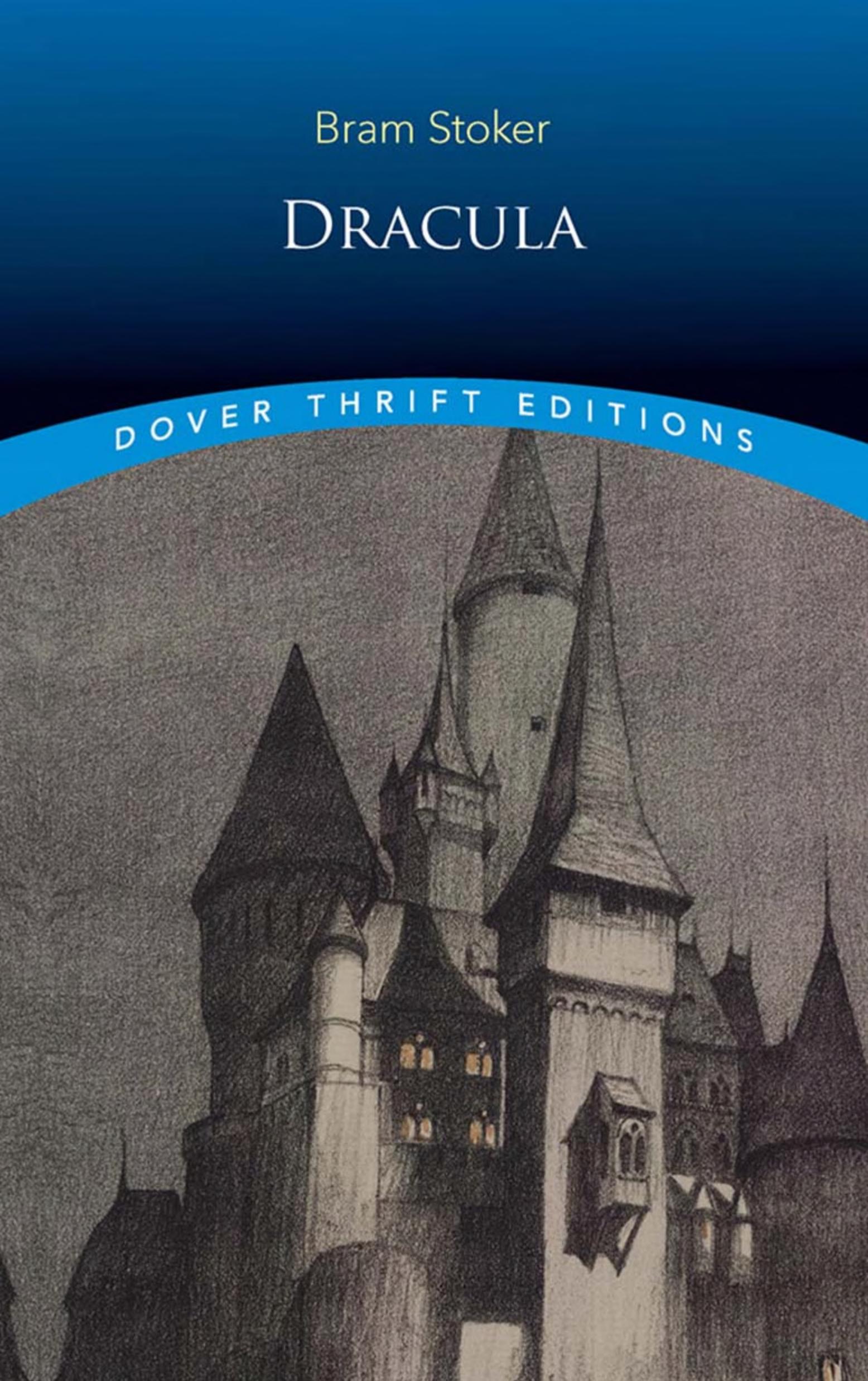
Dracula
The novel that invented the modern vampire -- still more unsettling, sensual, and strange than any adaptation has managed to capture.
Mood Mysterious & Atmospheric
Pacing Slow Burn
Complexity Moderately Complex
The novel that invented the modern vampire -- still more unsettling, sensual, and strange than any adaptation has managed to capture.
About This Book
A young solicitor travels to a remote castle in the Carpathians to finalize a property sale for a mysterious nobleman, and slowly realizes he is a prisoner of a creature who intends to carry his ancient hunger to the crowded cities of England. Stoker assembles the entire novel from documents, journal entries, letters, newspaper clippings, ship's logs, and phonograph recordings, so the reader pieces together the horror from many partial witnesses, none of whom can see the whole shape of the threat. That fragmented structure is the book's great strength, generating dread through the gap between what each narrator records and what the reader can already guess. The vampire himself appears rarely, more felt than seen, while the real drama lies with the small band who slowly grasp what they are facing and try to stop it, led by an eccentric Dutch professor. This suits readers who enjoy atmosphere, gothic menace, and the slow tightening of a net, and anyone curious about the source text that shaped a century of vampire fiction. It fits less well those wanting fast pacing or a modern voice, since the epistolary form and Victorian style unfold at their own measured speed. The stretch set in the seaside town of Whitby, where a storm-driven ship runs aground with a dead crew, delivers one of the eeriest sequences. Foundational, moody, and still capable of chilling, it rewards readers who savor suspense built letter by letter. Those impatient with its documentary method or period conventions may find the middle slow, but the technique is the craft.
Who This Is For
Best for readers who want to be immersed in a world: mood and setting as important as plot. The writing rewards attention without being demanding, a good balance of depth and readability. It takes its time, and that's the point. Patience is rewarded. Plot-first readers may find the pace too slow and the ambiguity too deliberate.
Best Read When
Best read when you're in the mood for something atmospheric and mysterious, and a read that's slow and deeply immersive.
What It Explores
Dracula explores survival and what extreme circumstances ask of people, and power and ambition and what they cost the people who pursue them.
Readers Who Liked This Also Loved
Personalised Recommendations
Answer six questions about how you like to read. No email, no account. Free always.
Find My Next Book →