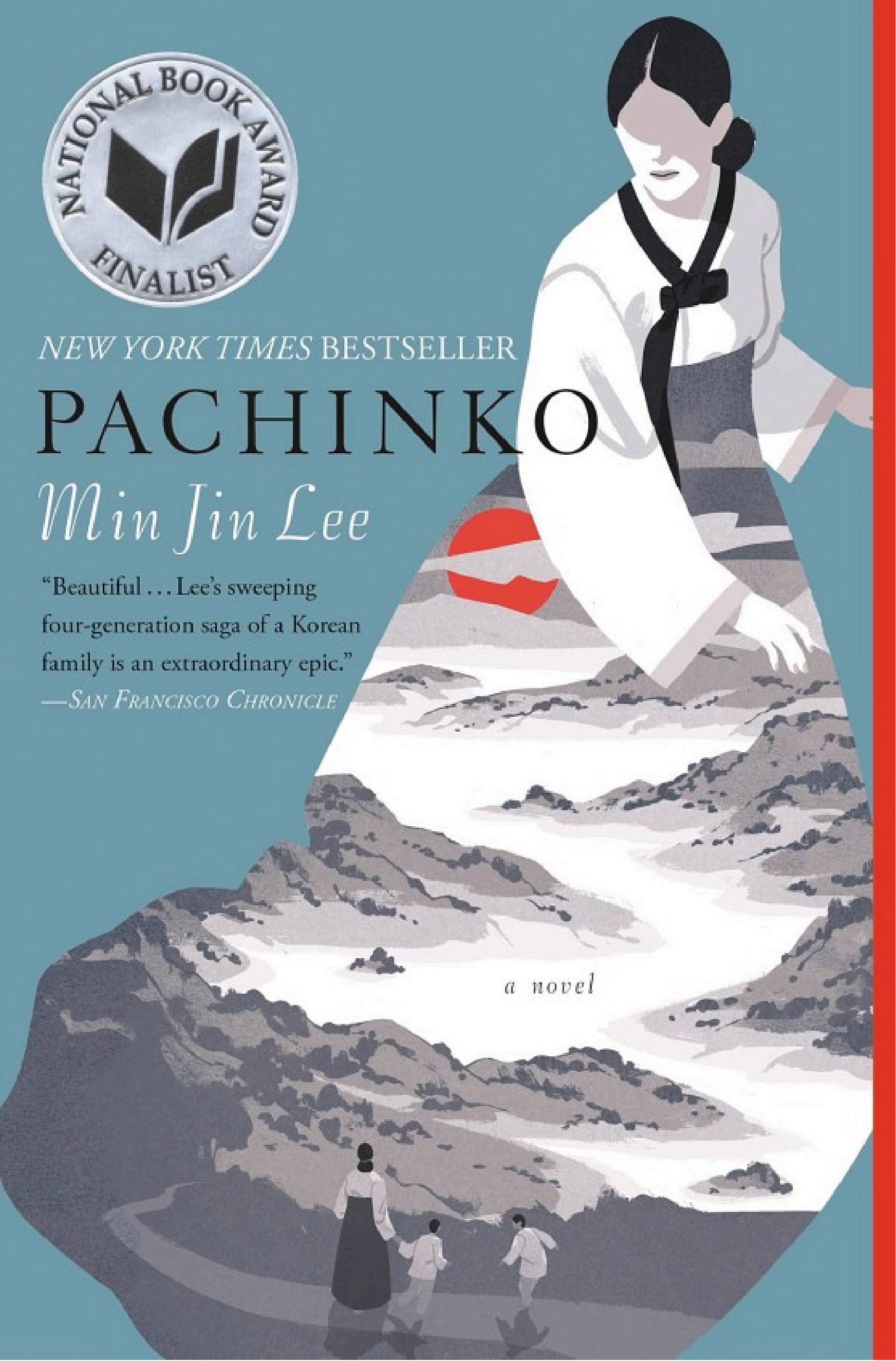
Pachinko
Four generations of a Korean family in Japan -- a vast, tender epic about sacrifice, identity, and the cost of belonging.
Mood Emotional
Pacing Balanced
Complexity Moderately Complex
Pages 496
Reading Time
~17–25 hrs
Four generations of a Korean family in Japan -- a vast, tender epic about sacrifice, identity, and the cost of belonging.
About This Book
Beginning in early-twentieth-century Korea under Japanese occupation and spanning most of a century, this sweeping family saga follows four generations descended from a poor woman who, pregnant and abandoned by a wealthy married man, is saved by a kind minister and emigrates with him to Japan, where she and her descendants build lives as Koreans in a country that treats them as permanent outsiders. Lee traces how each generation grapples with discrimination, poverty, and the search for belonging, many of them drawn into the pachinko parlors of the title, one of the few businesses open to a despised minority, while the larger currents of war, occupation, and prejudice shape their fates. The prose is clear and unshowy, the scope generational, and the emotional accumulation quietly powerful. This suits readers who want an immersive, moving historical saga about family, identity, resilience, and the immigrant experience, and anyone drawn to a lesser-told history rendered through intimate lives. It fits less well anyone wanting a fast plot or a tight focus, since the book spans decades and many characters. The detail that the family's fortunes become bound up with pachinko, one of the only trades available to Koreans shut out of respectable work in Japan, gives the saga its resonant and specific anchor. Sweeping, humane, and quietly devastating, it rewards readers who love generational fiction. Those wanting brevity may find it long, but the endurance of a family across a century of prejudice is exactly what makes it so powerful.
Who This Is For
Best for readers who want to feel something deeply, books that stay with you long after the last page. The writing rewards attention without being demanding, a good balance of depth and readability. The pacing is balanced, time to breathe between moments that matter. If you prefer to read at arm's length, this one may get too close.
Best Read When
Best read when you're in the mood for something moving and emotionally resonant, and a read that's balanced and absorbing.
What It Explores
Pachinko explores family in all its complexity — inherited and chosen, identity and the gap between who we are and who we pretend to be, and love in its most complicated forms.
Readers Who Liked This Also Loved
Personalised Recommendations
Answer six questions about how you like to read. No email, no account. Free always.
Find My Next Book →