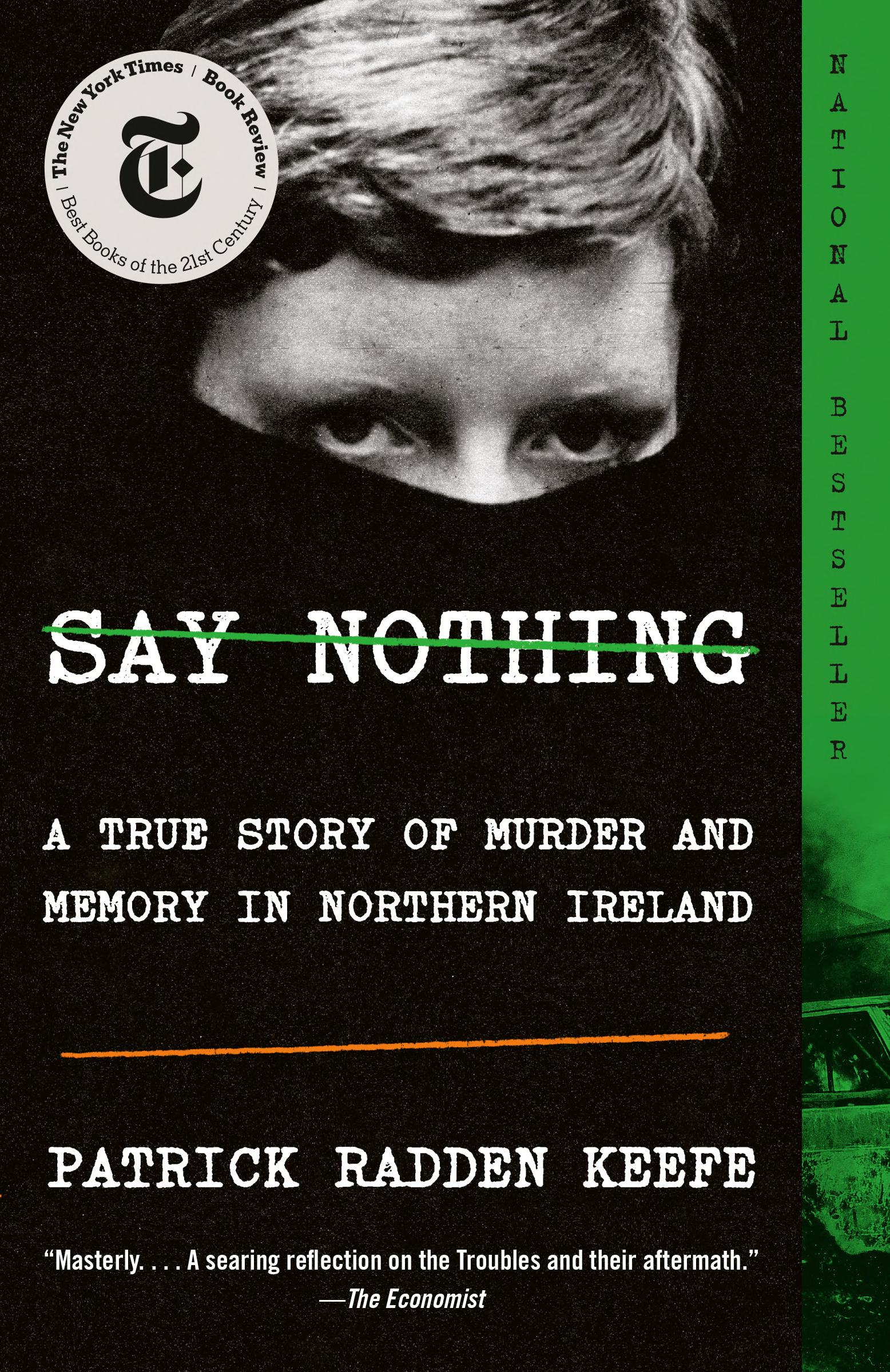
The 1972 abduction and murder of a widowed mother of ten, taken from her Belfast home by masked intruders and vanished for decades, becomes the thread through which this work of narrative nonfiction unspools the entire tragedy of the Troubles, from the radicalization of young paramilitaries to the long, corrosive aftermath of violence done in the name of a cause. Keefe reconstructs the era through vivid central figures, including sisters who became notorious militants and a movement leader who rose to respectable politics while denying his past, using the unsolved disappearance to ask who ordered it, who carried it out, and how a society reckons with atrocities that many would rather bury. The reporting is meticulous and the storytelling propulsive, reading with the tension of a thriller while grappling with memory, guilt, and the ethics of political violence. This suits readers who want rigorous, absorbing nonfiction about conflict, and anyone seeking to understand the human cost of the Troubles through specific, unforgettable lives. It fits less well anyone wanting a neutral textbook overview, since the book is intimate, character-driven, and morally searching. The detail that a single mother's disappearance from her children anchors the whole sweeping account, its resolution withheld until late, gives the book its haunting spine. Meticulous, tense, and deeply humane, it rewards readers who like history told through people. Those wanting a broad survey may find its focus narrow, but the way one vanished woman illuminates a whole conflict is exactly what makes it so powerful.