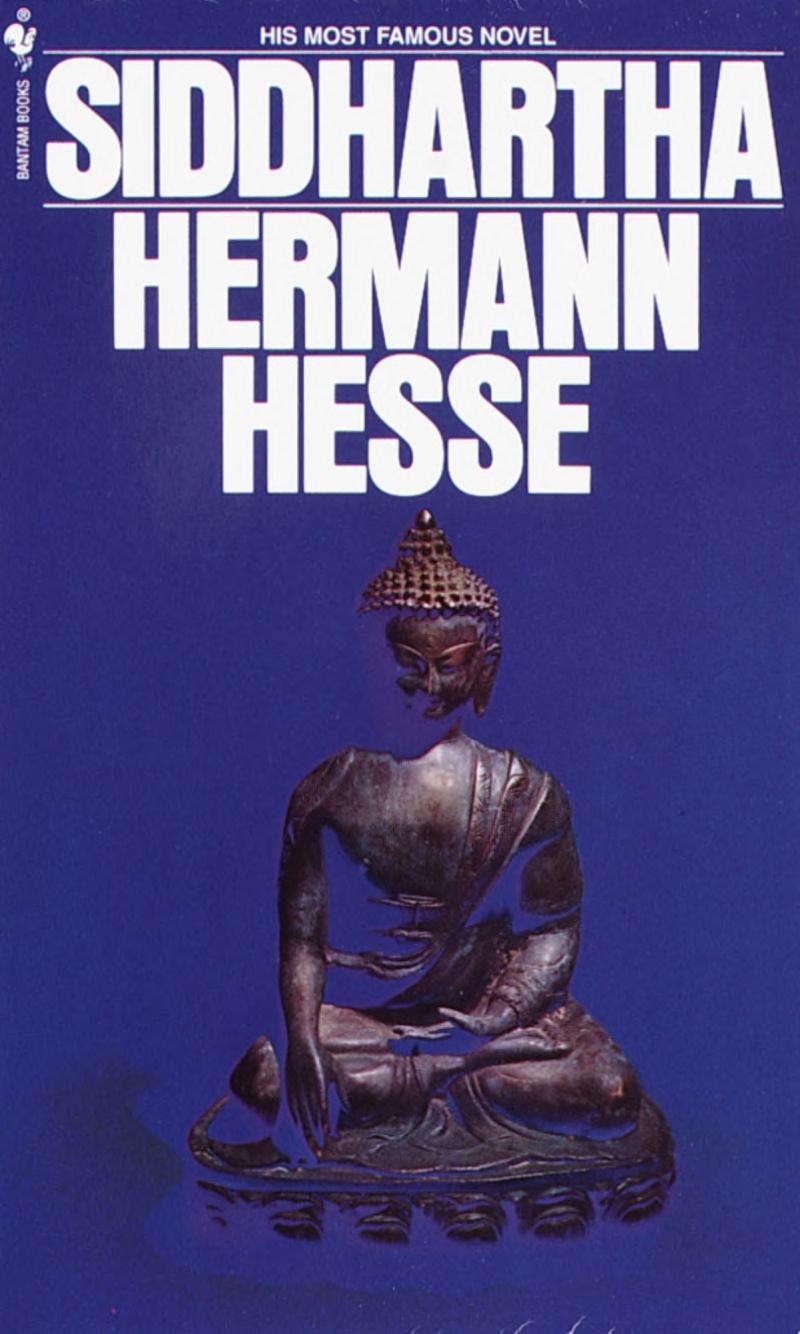
Siddhartha
A young Brahmin abandons everything he has been taught -- twice -- in search of an enlightenment that cannot be handed down, only lived.
Mood Hopeful & Uplifting
Pacing Balanced
Complexity Light & Accessible
A young Brahmin abandons everything he has been taught -- twice -- in search of an enlightenment that cannot be handed down, only lived.
About This Book
A gifted young man born into privilege in ancient India abandons the religious path laid out for him and sets off to find enlightenment on his own terms, trying the severe self-denial of wandering ascetics, the pleasures of wealth and love in the city, and finally a quiet life beside a river, learning that wisdom cannot be taught, only lived. Hesse writes a serene, deceptively simple spiritual novel, following its seeker through decades as he embraces and then discards each way of living, always sensing that the truth lies just past whatever he has grasped. The book is short and lyrical, less a plot than a series of stages in one soul's journey, and its central lesson, that the river holds all time and all voices at once, is delivered with gentle, meditative clarity. This suits readers drawn to philosophical and spiritual fiction, questions of meaning and self, and a calm, contemplative register. It fits less well anyone wanting drama, complex characters, or historical texture, since the book is deliberately parable-like and interior. The detail that the seeker meets the Buddha himself, recognizes his wisdom, yet chooses to keep searching on his own rather than follow, captures the whole book's insistence on lived over borrowed truth. Peaceful, accessible, and quietly profound, it rewards readers open to a novel that reads like a fable. Those wanting incident or grit may find it thin and abstract, but for readers seeking reflection it has offered a gentle companion on questions of purpose for a century, easily finished in a single sitting yet often returned to.
Who This Is For
Best for readers who want to finish a book feeling better about the world than when they started. The prose is accessible: you can read this quickly and it never asks too much of you. The pacing is balanced, time to breathe between moments that matter. If you're drawn to darker, more complex territory, this may feel slight.
Best Read When
Best read when you're in the mood for something warm and uplifting, and a read that's balanced and absorbing.
What It Explores
Siddhartha explores identity and the gap between who we are and who we pretend to be, and redemption — whether it is earned, possible, or ever truly complete.
Readers Who Liked This Also Loved
Personalised Recommendations
Answer six questions about how you like to read. No email, no account. Free always.
Find My Next Book →