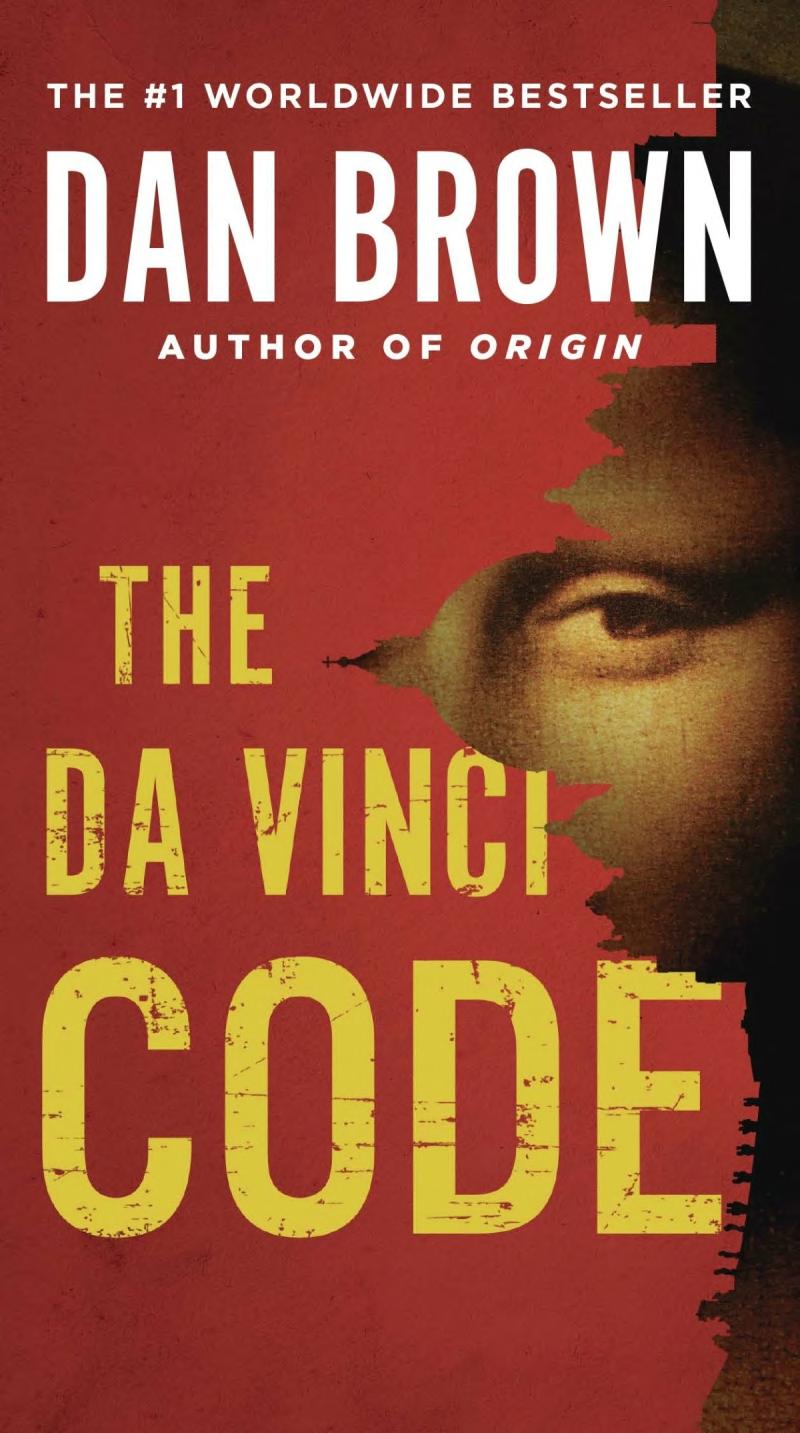
When the curator of the Louvre is found murdered in the museum at night, posed amid a trail of cryptic clues, an American symbologist and a French cryptographer are drawn into a breathless overnight chase across Paris and beyond, decoding puzzles hidden in famous works of art that point toward a explosive secret about Christianity that a shadowy religious order has killed to protect for centuries. Brown writes a fast, puzzle-packed conspiracy thriller that races from one code and cliffhanger to the next, weaving real artworks, symbols, and speculative religious history into a propulsive treasure hunt built for maximum momentum. The short chapters, constant reversals, and steady drip of secrets keep the pages turning, even as the historical claims are best taken as fiction rather than fact. This suits readers who want a fast, addictive, puzzle-driven thriller with art, history, and conspiracy, ideal for devouring quickly. It fits less well anyone wanting literary prose, deep characters, or historical accuracy, since the book prioritizes pace and intrigue over all else. The detail that the clues to a vast religious secret are hidden inside famous paintings and codes the heroes must crack in real time gives the book its irresistible hook. Fast, twisty, and hugely popular, it rewards readers who love a page-turner. Those wanting depth or accuracy may resist it, but the relentless puzzle-solving momentum is exactly what made it a global phenomenon.