10 Essential Science Fiction Classics You Need to Read
The essential science fiction classics are not the most entertaining ones. They are the ones that changed what the genre could do -- that introduced ideas or techniques so significant that everything written after them is, in some sense, a response.
April 2026 · 6 min read · The Pagesmith
The essential science fiction classics are chosen here by a specific criterion: novels that changed what the genre could do rather than novels that simply did it well. Asimov, Le Guin, Herbert, Dick — these writers are not on every list because they are the most entertaining science fiction available (though many are). They are on every list because they introduced ideas, techniques, or possibilities that every subsequent writer in the genre has had to reckon with.
The foundations: novels that built the genre’s vocabulary
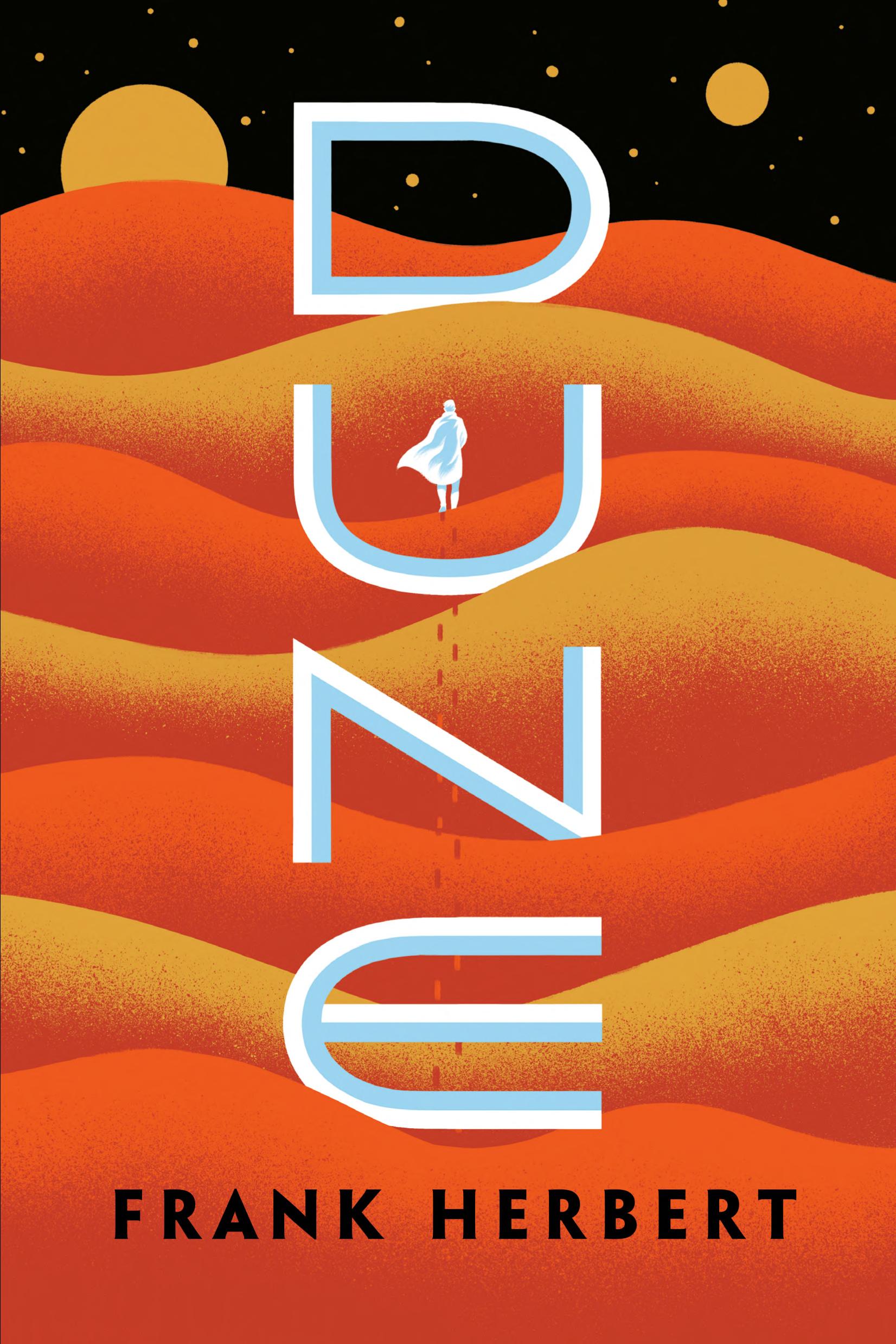
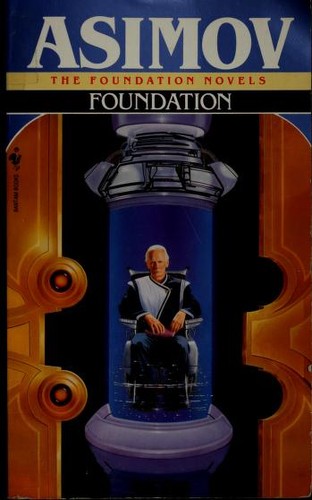
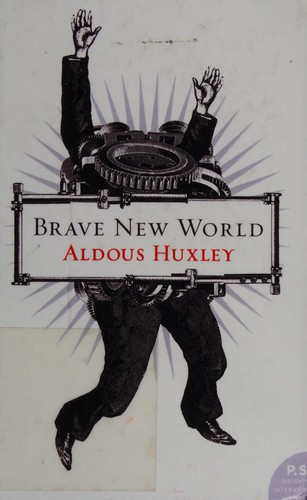
DuneFrank HerbertThe novel that showed science fiction could build a complete civilisation — ecology, religion, economics, and political philosophy fully interlocked — rather than simply a setting. Everything that followed in the genre that takes world-building seriously is working in the space Herbert opened. FoundationIsaac AsimovThe idea that a science of history might allow the prediction and management of civilisational collapse — Asimov introduced the question of whether human behaviour is predictable at scale, and every subsequent science fiction that asks questions about societies rather than individuals is using the framework he built. Brave New WorldAldous HuxleyThe dystopia built not on fear but on pleasure — Huxley’s argument that a society could be controlled through comfort rather than force is the most prophetic science fiction premise of the twentieth century, and its relationship to 1984 is one of the most interesting arguments in the genre’s history. The essential science fiction classics are not the most entertaining ones. They are the ones that changed what the genre could do — that introduced ideas so significant that everything written after them is, in some sense, a response.
The humanists: science fiction about people rather than technology
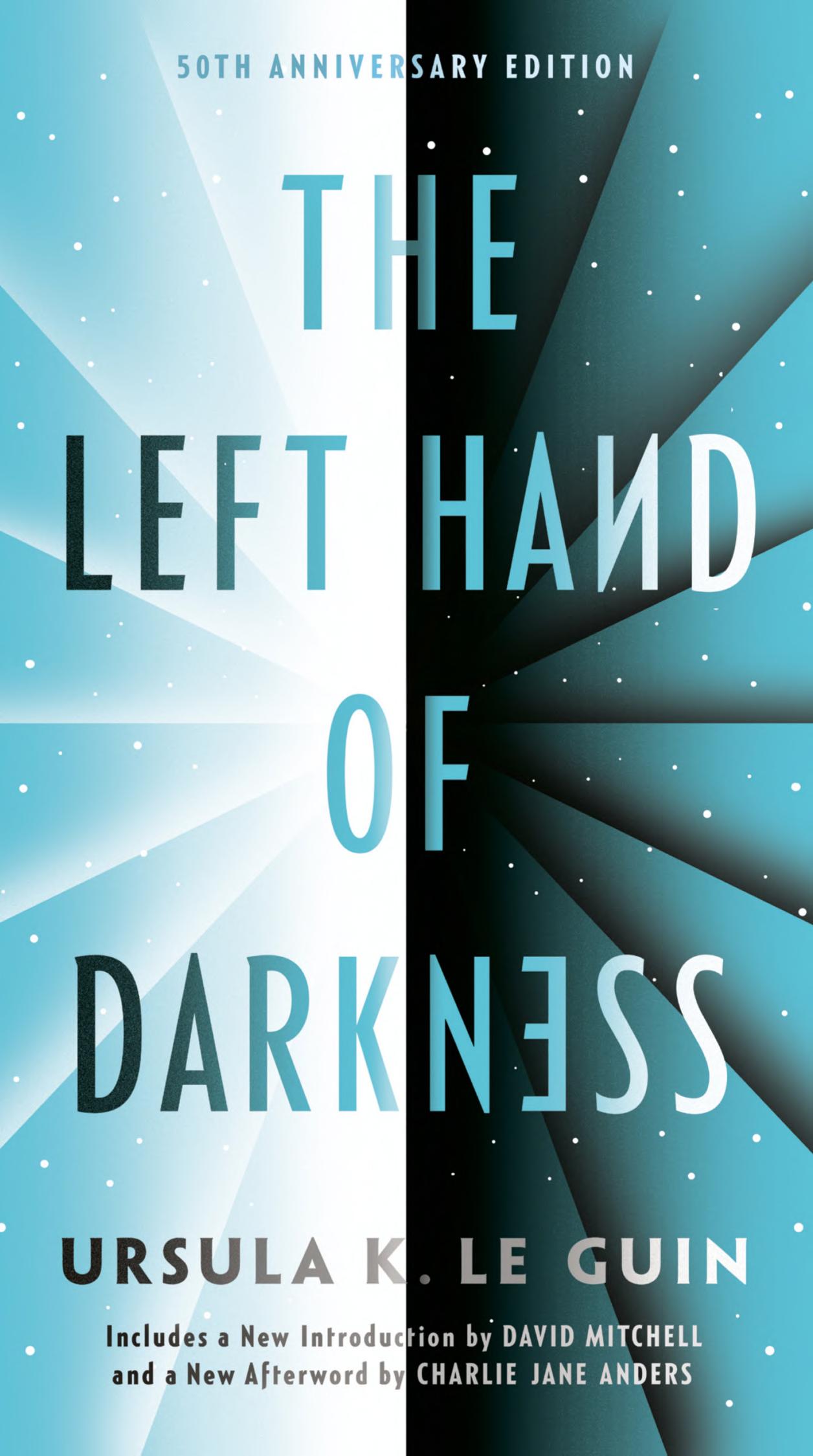
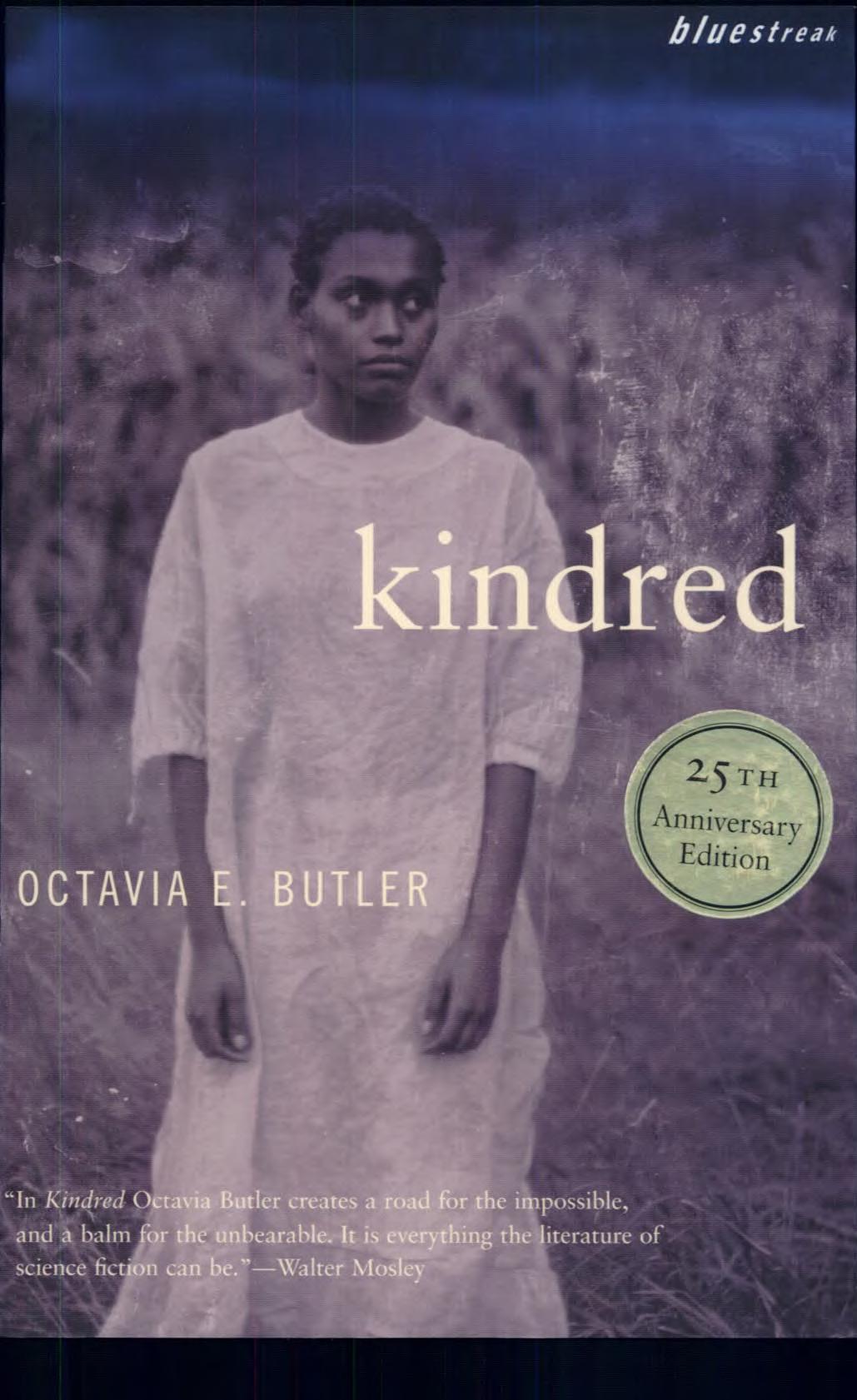
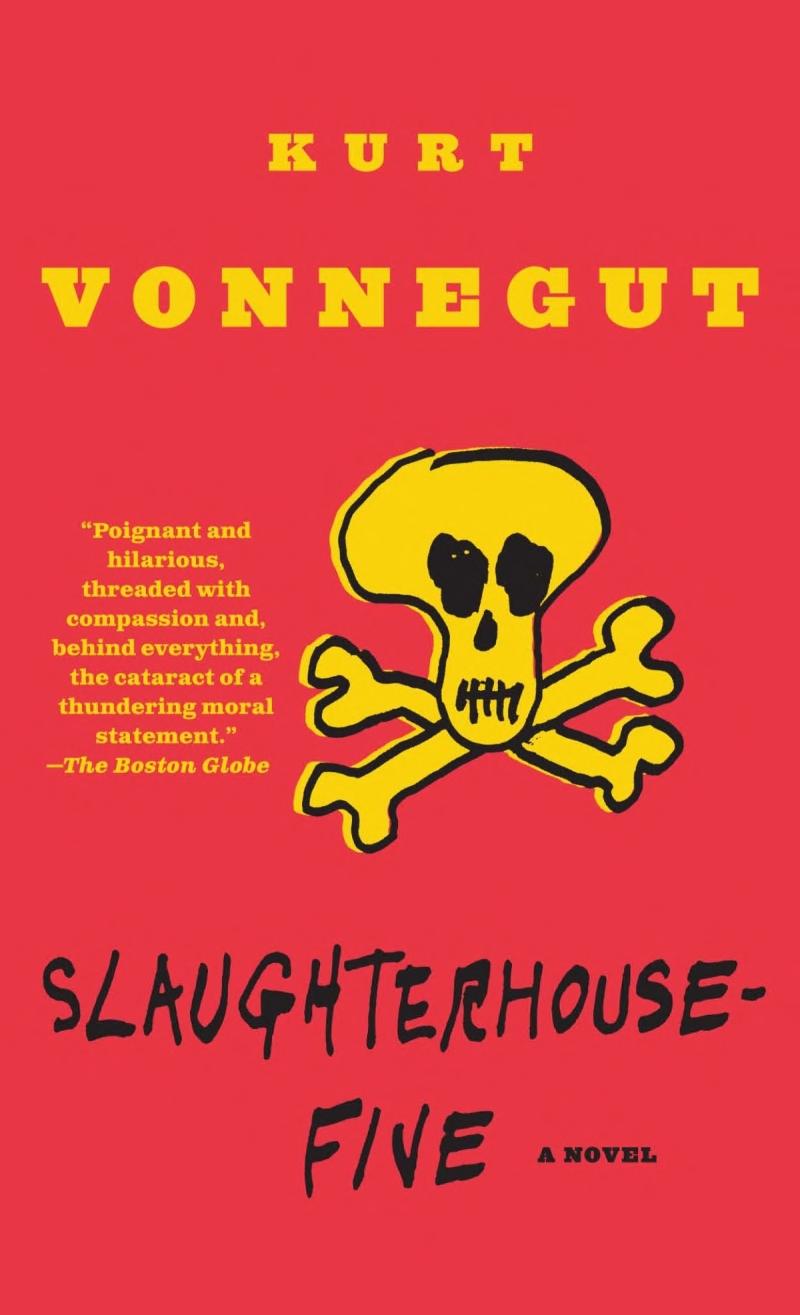
The Left Hand of DarknessUrsula K. Le GuinLe Guin used science fiction to conduct a thought experiment about gender that no realistic novel could attempt — removing it entirely from a human society and examining what remains. The novel that most clearly demonstrated what literary science fiction could do that no other genre could. KindredOctavia ButlerA Black woman in 1976 who is pulled back repeatedly to the antebellum South — Butler used time travel not as a plot device but as a mechanism for making the reality of slavery viscerally present to a contemporary reader. One of the most deliberately purposeful uses of science fiction technique in the genre’s history. Slaughterhouse-FiveKurt VonnegutVonnegut used time travel and alien abduction to write about the firebombing of Dresden in a way that linear realist fiction could not accommodate — he needed the science fiction frame to produce the specific emotional register of absurdity and grief simultaneously that the subject required. The contemporaries: classics of the last thirty years
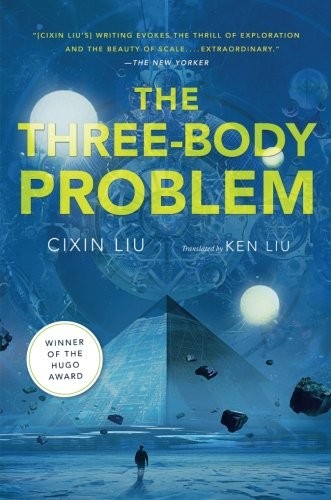
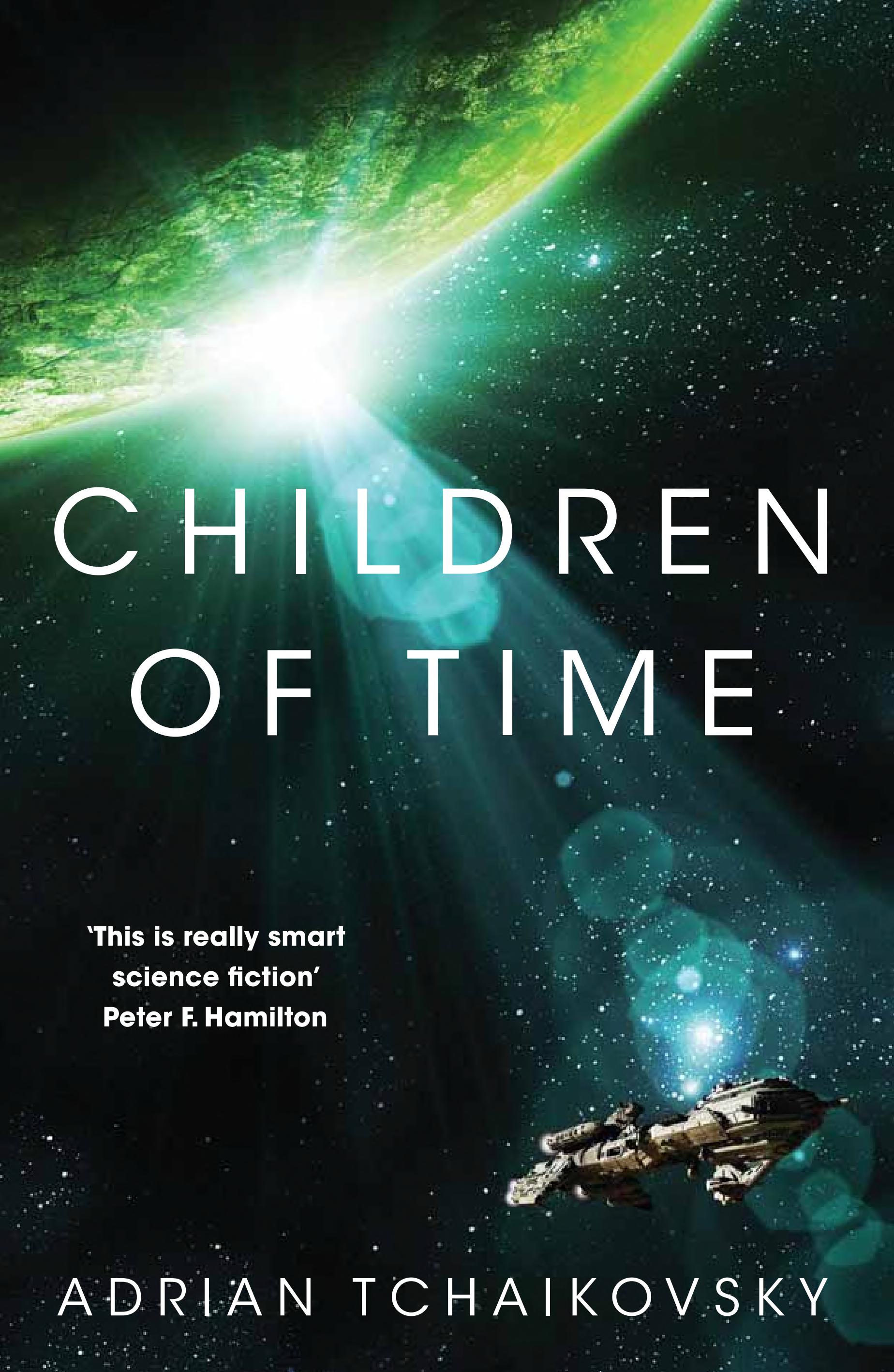
Oryx and CrakeMargaret AtwoodA bioengineering company that ends the human world — Atwood uses the science fiction frame to examine corporate power, genetic modification, and what happens when the commercial logic of pharmaceutical development is taken to its endpoint. The most important science fiction novel about biotechnology. The Three-Body ProblemLiu CixinThe dark forest theory of interstellar contact — Liu derives his terrifying premise entirely from physics and game theory, which makes it impossible to dismiss. The first science fiction novel to bring Chinese historical and scientific thinking to the genre’s central questions, and the most important international science fiction of the twenty-first century. Children of TimeAdrian TchaikovskyUplifted spiders developing a complete civilisation over millennia — Tchaikovsky uses truly alien cognition to examine what intelligence and society look like from outside human assumptions. The most important recent addition to the genre’s tradition of using non-human minds to examine what we take for granted about our own. Who this is for
This list is for readers who want to understand why science fiction matters as a literary form — not readers who want action and adventure, but readers who want to see what the genre can do when it is being completely serious. Start with Kindred or Slaughterhouse-Five for the most immediately accessible. Dune or The Three-Body Problem for the most immersive. The Left Hand of Darkness for the most formally significant. Browse the full science fiction catalogue for more.
Frequently asked questions
Q: What are the most important science fiction novels ever written?
A: Dune, The Left Hand of Darkness, and Foundation each changed what the genre could do. Kindred and Slaughterhouse-Five demonstrated that science fiction technique could do things that no other form could. The Three-Body Problem is the most important science fiction of the twenty-first century so far.
Q: Where should I start with classic science fiction?
A: Kindred by Octavia Butler is the most accessible entry point — short, immediately gripping, and uses its science fiction premise with complete clarity. Slaughterhouse-Five is almost as short and equally accessible. Both demonstrate what the genre can do without requiring prior genre familiarity.
Q: What science fiction classics are not too long?
A: Kindred at around 260 pages. Slaughterhouse-Five at around 200 pages. The Left Hand of Darkness at around 280 pages. All three are substantially shorter than Dune or Foundation while being equally significant.
Q: Is science fiction worth reading for people who don’t usually like it?
A: The novels on this list are worth reading for anyone who reads seriously, regardless of genre preference. They are not really genre fiction in the limiting sense — they use science fiction techniques to make arguments that literary fiction cannot make. If you like literary fiction that does something new formally, these novels belong in the same category.
Not sure which of these is right for you specifically? The Pagesmith quiz matches you to books based on your mood, pacing preference, and reading goals — not bestseller lists. Takes two minutes.