Books like Station Eleven are harder to find than most recommendations suggest because they treat the apocalypse as backdrop rather than subject. Mandel is not interested in survival mechanics or societal collapse for their own sake — she is interested in what an actor, a painter, a travelling Shakespeare company, and a graphic novel tell us about why beauty matters even when everything else is gone. Finding books with that same argument about culture and meaning inside catastrophe requires looking beyond the post-apocalyptic genre label.
Books with the same multiple-timeline structure and convergent emotional weight
Station Eleven’s structural technique — multiple timelines moving toward and away from a single night — is as important as its subject. These books use the same technique to produce the same quality of accumulated emotional weight.
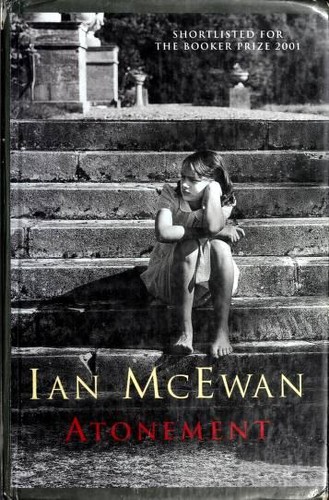
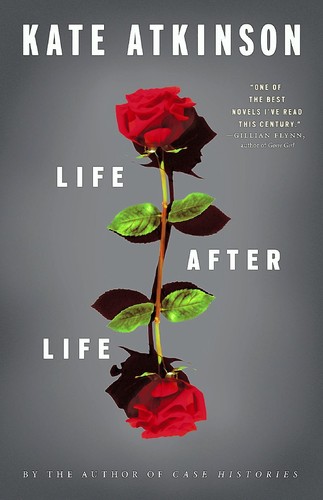
Station Eleven is not about the apocalypse. It is about what a travelling Shakespeare company tells us about why beauty matters even when everything else is gone. That argument is what makes it so difficult to replicate.
Books with the same argument about culture and meaning
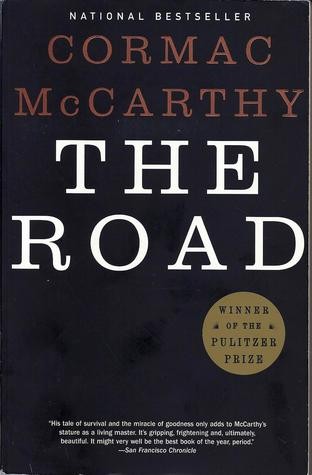
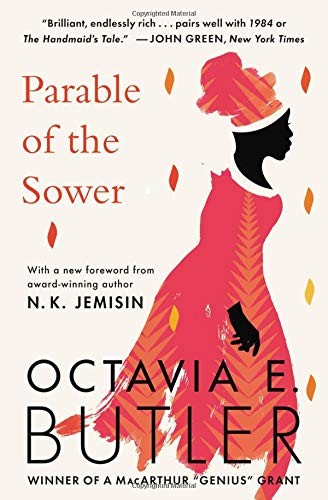
Books with the same literary quality applied to speculative premises

Who this is for
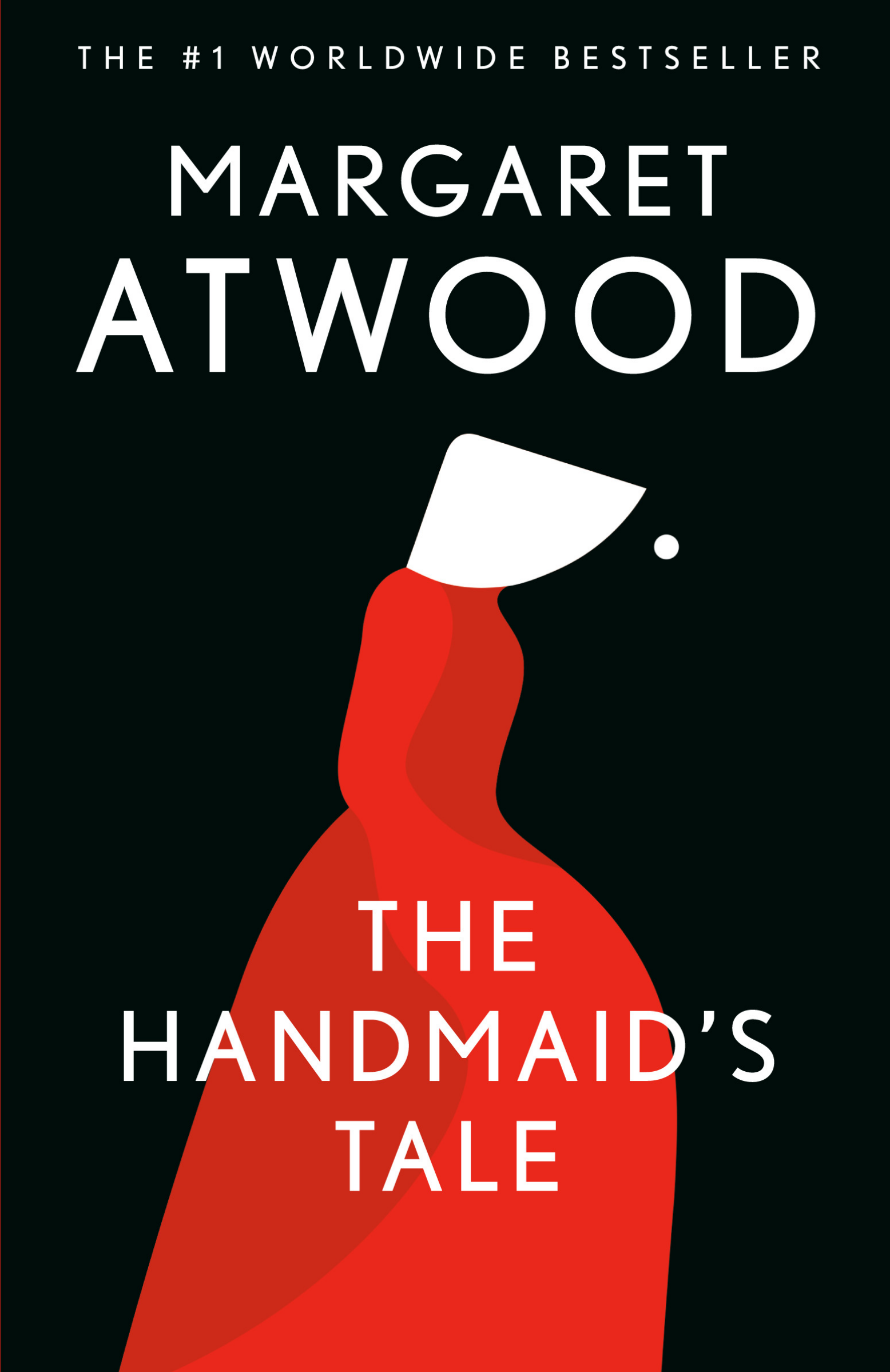
This list is for readers who responded to Station Eleven’s argument about beauty and meaning rather than its post-apocalyptic setting — not readers who want more survival fiction. Start with Never Let Me Go or Atonement for the closest literary equivalent. The Road for the same question asked without Mandel’s warmth. Parable of the Sower for the most politically serious version of the same argument. Browse science fiction and literary fiction for more.
Frequently asked questions
Q: What should I read after Station Eleven? A: The Sea of Tranquility, Mandel’s follow-up, directly continues the world. Never Let Me Go by Ishiguro is the most formally comparable literary speculative novel. Parable of the Sower by Octavia Butler makes the same argument about meaning-making inside collapse with more political urgency.
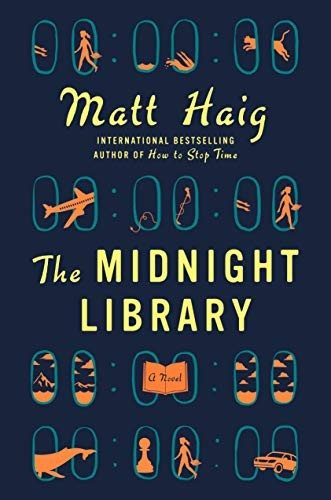
Q: Are there books like Station Eleven that are also hopeful? A: The Midnight Library is the most explicitly hopeful speculative novel in the catalogue. Parable of the Sower is hopeful about human capacity despite being dark about the near future. Station Eleven itself is considerably more hopeful than most post-apocalyptic fiction, which is part of its appeal.
Q: What is Station Eleven actually about? A: It is about a travelling Shakespeare company performing for survivor communities twenty years after a flu pandemic. But the subject is really what the company’s existence says about why art matters — why humans reach for beauty even when survival is uncertain. The pandemic is the context; the argument about culture is the content.
Q: Is Station Eleven science fiction or literary fiction? A: Both — it uses science fiction premises (pandemic, societal collapse) with literary fiction techniques (multiple timelines, character interiority, prose attention). It is the clearest recent example of the two traditions successfully combining, which is why it appeals to readers who do not usually read science fiction.
Not sure which of these is right for you specifically? The Pagesmith quiz matches you to books based on your mood, pacing preference, and reading goals — not bestseller lists. Takes two minutes.