Books for readers who loved Lessons in Chemistry are difficult to recommend well because the novel does something rare: it is funny and furious simultaneously, and the two qualities are inseparable. Elizabeth Zott’s comic obliviousness to social convention is the mechanism through which Garmus makes her argument about institutional sexism — the comedy is not a softening of the critique but the sharpest possible delivery of it. Finding books with that specific combination of wit and genuine anger is harder than finding more feminist fiction or more comic fiction separately.
Books that use comedy as feminist argument
These novels share Lessons in Chemistry’s understanding that humour, precisely applied, can make an argument that earnest social critique cannot.
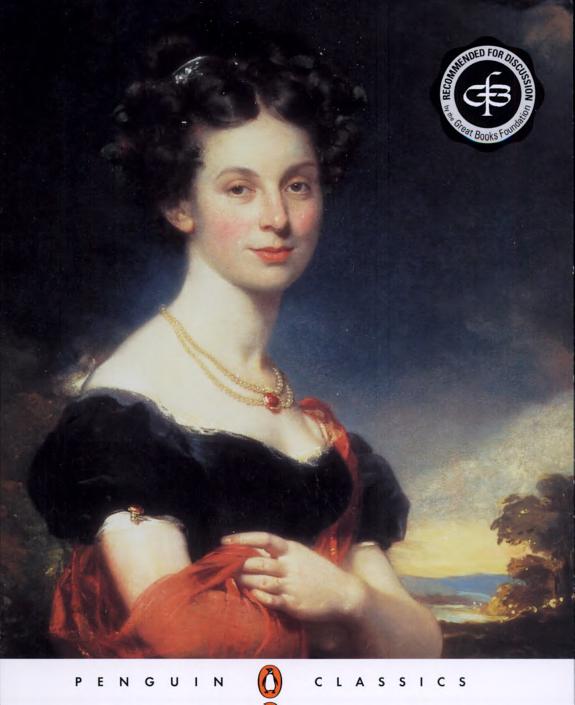
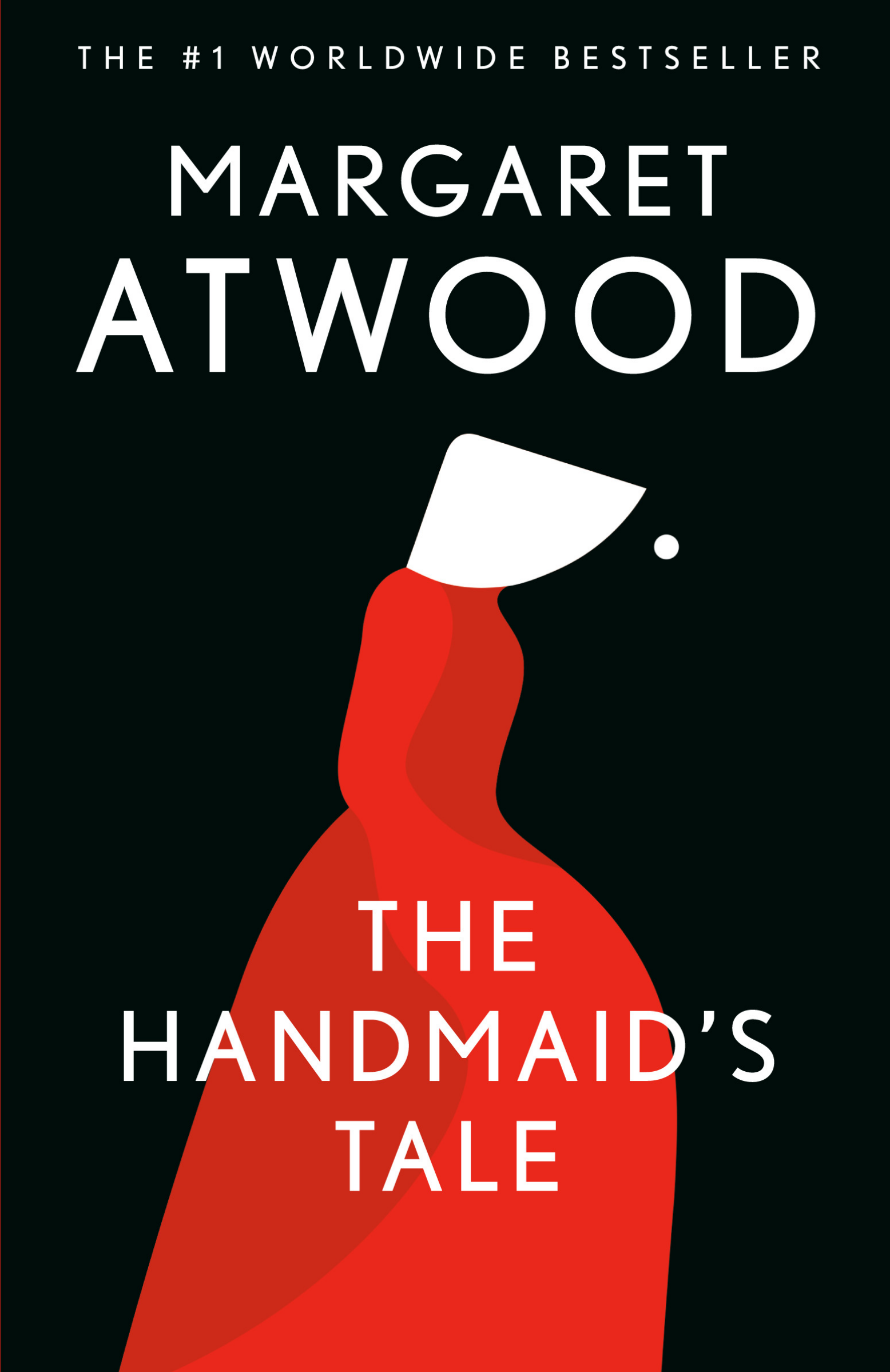
Lessons in Chemistry works because the comedy is always in service of a genuine argument about what women were permitted to want. Finding books with that same quality of wit deployed in anger is the actual challenge.
Books with the same period setting and female protagonist resisting it

Books with the same warmth, wit, and social intelligence
Who this is for
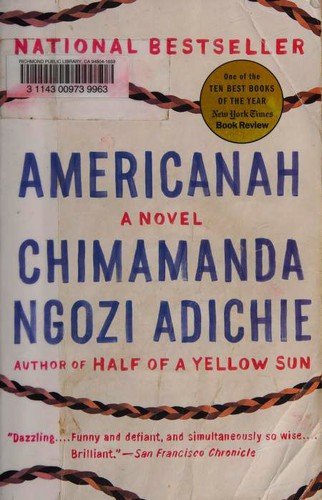
This list is for readers who responded to Lessons in Chemistry’s specific combination of wit and genuine social argument — not just readers who want more feminist fiction or more comic fiction separately. Start with Eleanor Oliphant for the closest contemporary equivalent. Emma for the literary ancestor. Americanah for the same mechanism applied to race rather than gender. Browse contemporary fiction and literary fiction for more.
Frequently asked questions
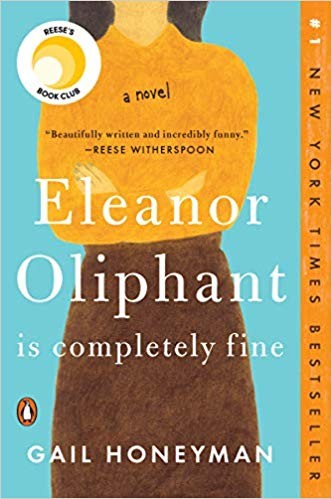
Q: What should I read after Lessons in Chemistry? A: Eleanor Oliphant Is Completely Fine by Gail Honeyman uses the same mechanism — a woman’s literal-minded precision producing comedy and social critique simultaneously. Americanah by Chimamanda Ngozi Adichie deploys the same wit-as-argument technique on questions of race. Emma by Jane Austen is the literary ancestor Garmus is consciously working in the tradition of.
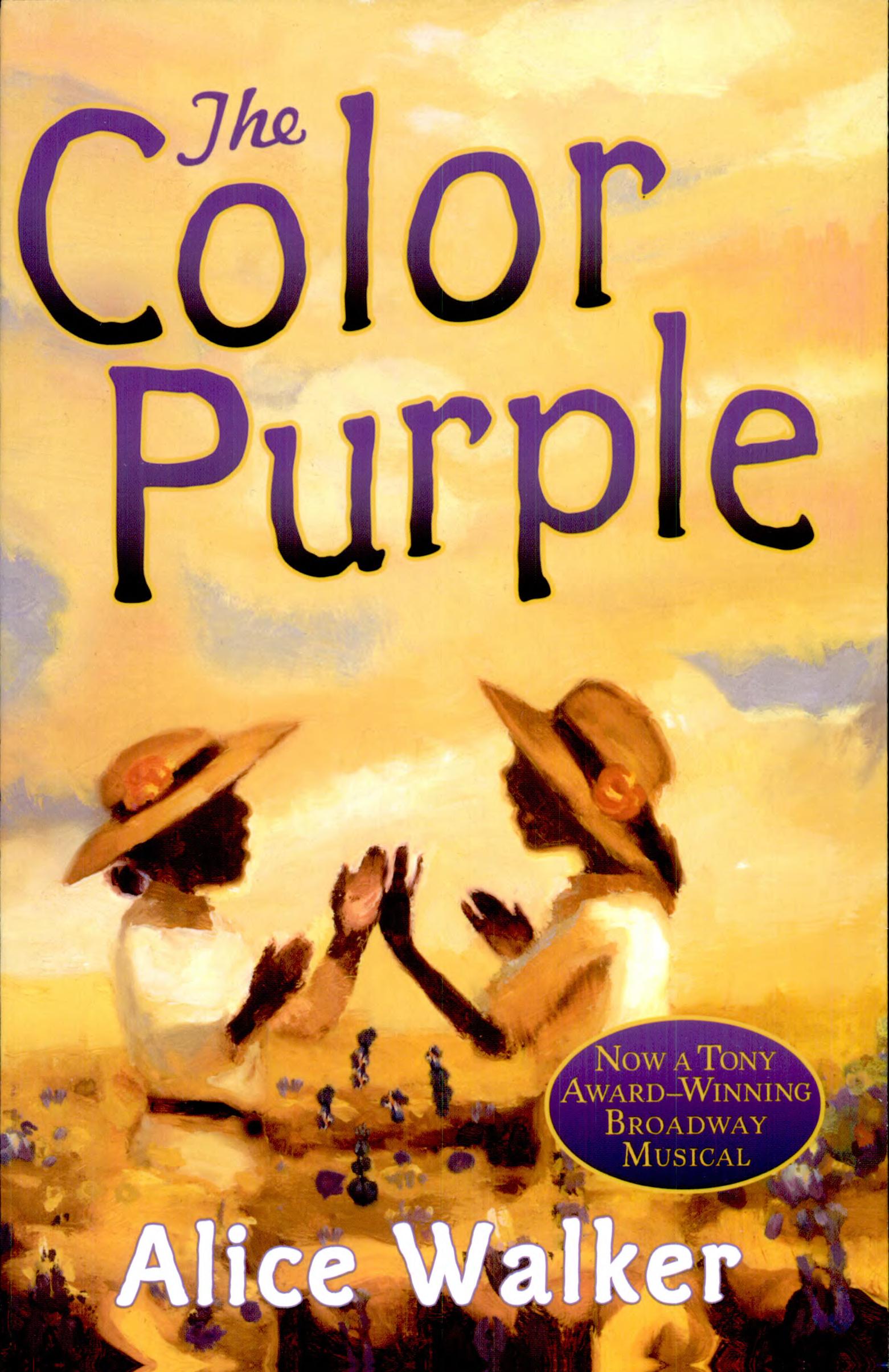
Q: Are there more books like Lessons in Chemistry set in the same period? A: The Color Purple by Alice Walker is set in a comparable period and shares the core argument about what happens when a woman is finally permitted to become what she actually is. Little Women is earlier but shares Jo March’s arc of refusing to be less than herself.
Q: What books are as funny as Lessons in Chemistry? A: Eleanor Oliphant Is Completely Fine uses the same comic mechanism. Emma by Austen is funnier on a sentence level. Good Omens by Pratchett and Gaiman uses absurdism rather than social comedy but produces a comparable lightness alongside genuine warmth.
Q: Is Lessons in Chemistry historical fiction or contemporary fiction? A: It is historical fiction set in the early 1960s, but it reads like contemporary fiction because its concerns are entirely current. The period setting is the mechanism through which Garmus makes her argument visible — by setting it in a moment when the constraints on women were explicit rather than implicit, she makes the argument about those constraints impossible to dismiss.
Not sure which of these is right for you specifically? The Pagesmith quiz matches you to books based on your mood, pacing preference, and reading goals — not bestseller lists. Takes two minutes.