Books That Make You Feel Something Real
Sentimentality is emotion that exceeds its cause. The books here earn their feelings through structure and restraint, not manufactured pathos. The difference is whether you feel something during the reading or long after it.
May 2026 · 7 min read · The Pagesmith
Most books that are described as emotional are not, in the relevant sense. They contain scenes designed to trigger a specific response: the death of a beloved character, a reunion after long separation, a letter found too late. The response arrives, and then it passes, because it was produced by a mechanism rather than prepared for by everything that came before it. Books that make you genuinely feel something work differently. The feeling is not located in a scene but accumulated across the entire structure, so that when it arrives it has the weight of the whole book behind it. These books earn their emotional precision through restraint and formal intelligence. The feelings they produce are not easily named, which is the surest sign that they are real.
The Difference Between Sentimentality and Earned Emotion
Sentimentality, as the critics define it, is emotion that exceeds its cause: the response the work demands is larger than what the work has built. A novel can force a tear by killing a dog. It takes something considerably rarer to produce the feeling that arrives at the end of The Remains of the Day, which is not sadness exactly, not grief exactly, but something closer to the recognition of an entire life seen clearly all at once. That kind of feeling requires a specific investment of form: a narrator who can only tell you certain things, a structure that withholds and then delivers, an ending that does not explain what you are supposed to feel because the feeling arrived before you could have articulated what it was. The books here achieve that. They are not comfortable reads, but comfort is not what they are for.
The test of an emotionally serious novel is not whether it made you cry. It is whether the feeling it produced is still available to you six months later when you think of it.
The Books
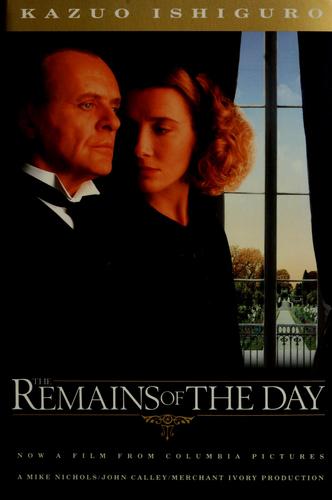
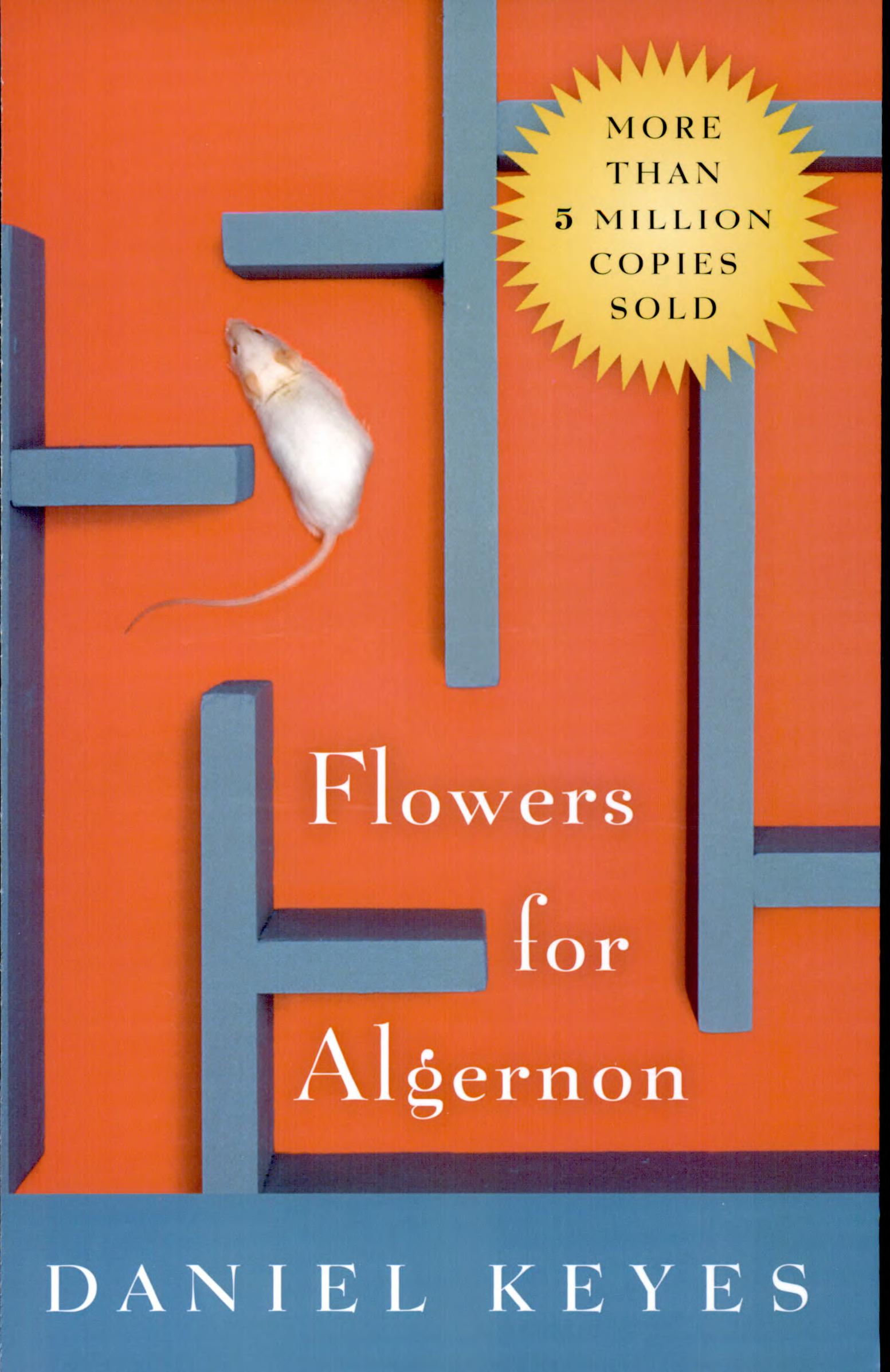
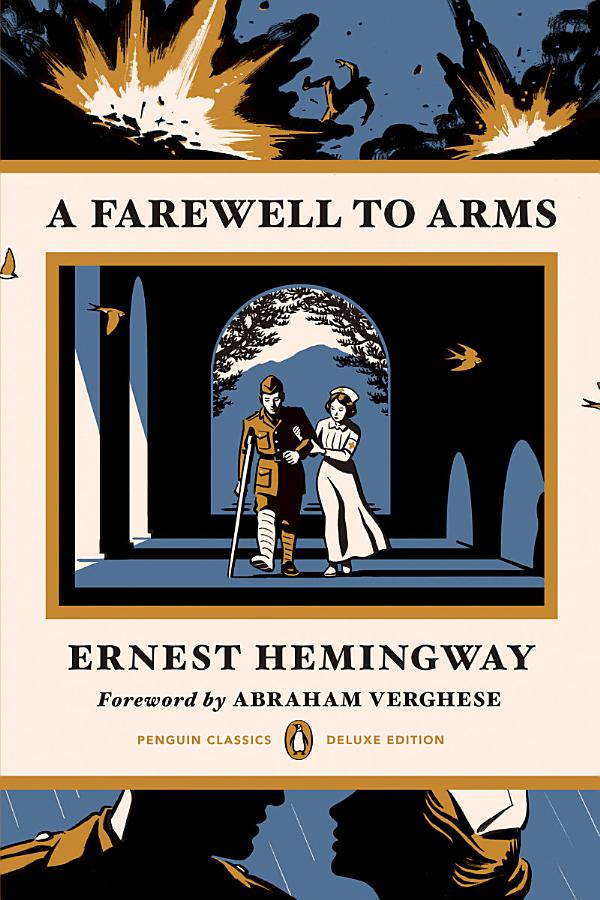
The Remains of the DayKazuo IshiguroThe formal constraint is the whole book. Stevens, the perfect English butler, is narrating a motoring holiday and reflecting on a lifetime of service in a voice so controlled, so relentlessly formal, that everything he cannot say becomes audible through its absence. Ishiguro makes the reader do the emotional work that Stevens refuses to do, which means by the end you have arrived at the feeling independently rather than been delivered to it. The devastation is not in any single scene but in the accumulated understanding of how completely a person can sacrifice himself to a performance of dignity that he has confused with his actual self. BelovedToni MorrisonMorrison’s prose is incantatory in the specific sense that it produces a trance in which time and sequence become unstable. The horror of Sethe’s history is not delivered in exposition but reconstructed through fragments, repetitions, and approaches that the novel sometimes pulls back from before they are complete. The effect is that the reader experiences something analogous to what Sethe experiences: the past arriving in pieces, not in order, never fully available to consciousness. Reading it is an education in how form can carry content that information alone cannot. This is not a book that makes you sad. It changes the way you hold certain kinds of historical knowledge. Flowers for AlgernonDaniel KeyesThe formal constraint here is what makes it devastating: the entire novel is written as progress reports by Charlie Gordon, an intellectually disabled man who undergoes an experimental procedure to increase his intelligence. His writing changes as his intelligence rises. Then it begins to change again. Keyes understood that if the reader witnesses the deterioration through the prose itself rather than being told about it, the emotional response will be involuntary rather than manufactured. This is technically one of the most demanding things to attempt in fiction, and Keyes executes it with absolute precision. Few books have a more direct line between form and feeling. Station ElevenEmily St. John MandelMandel’s novel is organized around absence rather than loss: the things that were ordinary before the pandemic that destroyed civilization and that the survivors only understand in retrospect. The structure moves between past and present in a way that is specifically calibrated to produce this effect — the pre-pandemic sections feel more and more fragile the further into the future sections you get, until ordinary scenes of airports and rehearsals and arguments about nothing carry a weight they could not have carried at the novel’s beginning. It is grief for what we take for granted, and it works because Mandel never tells you that is what you are feeling. A Farewell to ArmsErnest HemingwayThe ending is one of the most devastating in American fiction, and its power depends entirely on the 250 pages that precede it. Hemingway’s prose has been emotionally withholding throughout: the love story is real but understated, the war is rendered without glamour or explicit commentary, and the narrator’s voice maintains a control that functions as a kind of pressure. When that control breaks at the end, the effect is proportional to how long it was sustained. Reading this for the first time, not knowing the ending, is the experience of finding out that something you took for granted was never guaranteed. The Unlikely Pilgrimage of Harold FryRachel JoyceJoyce’s debut works through accumulation rather than incident. Harold Fry walking 500 miles to a dying friend is not, on the surface, a dramatic premise. The emotional weight comes from what the walking eventually reveals: a marriage carrying losses neither partner has been able to name, a grief that Harold has been carrying for decades in a manner that has quietly cost him everything, and a quality of ordinary sorrow that is more moving than any of the genre’s more operatic versions. The quietest book on this list, and the one that requires the most patience to arrive at its emotional destination. Worth every mile. Who This Is For
Readers who are bored by books that cry on their behalf, who have had the experience of feeling nothing at a scene clearly designed to produce maximum effect, and who want fiction that treats emotional intelligence as a craft problem rather than a permission structure. Not readers who want to be made comfortable, but readers who want a book to stay with them. For more in this direction, explore the literary fiction catalogue, which is where the best of this kind of writing tends to live.
Frequently Asked Questions
Q: What is the saddest book on this list?
A: That depends on the reader. Flowers for Algernon produces a very particular grief tied to its formal trick. The Remains of the Day produces something closer to desolation, the recognition of a life not lived rather than a loss that occurred. A Farewell to Arms has the most conventionally devastating ending. Station Eleven is the least obviously sad but the most persistently affecting.
Q: What is the difference between a sad book and an emotionally serious one?
A: A sad book uses emotional mechanics, death, separation, disappointment, to produce a response. An emotionally serious book earns its feeling through structure, voice, and formal intelligence so that the response arrives with the full weight of the text behind it. The former produces a feeling during reading; the latter produces a feeling that is still accessible months later.
Q: Are these books appropriate for reading during a difficult time?
A: Some more than others. The Unlikely Pilgrimage of Harold Fry and Station Eleven both offer a quality of hope alongside their grief, and both treat ordinary human goodness as real rather than naive. Beloved and A Farewell to Arms are less accommodating. If you are looking for something that will acknowledge difficulty without compounding it, start with Harold Fry.
Q: Which of these books is easiest to read?
A: A Farewell to Arms and Station Eleven are both accessible in prose and pacing. The Unlikely Pilgrimage of Harold Fry is the most immediately comfortable. Beloved has the highest formal demand and will be harder going for readers who prefer linear narrative, but that demand is inseparable from its effect.
Not sure which of these is the right fit for you specifically? The Pagesmith quiz matches you to books based on your mood, pacing preference, and reading goals, not bestseller lists. Takes two minutes.