The standard advice for readers who loved Crime and Punishment is to read more Dostoevsky, which is correct but incomplete. What makes Raskolnikov’s story extraordinary is not that it is Russian or nineteenth-century or even particularly about murder. It is that Dostoevsky sustains, for nearly 600 pages, the experience of inhabiting a consciousness working actively against itself — a mind that believed it had solved a moral problem and discovers, in real time, that it has not. The guilt does not arrive after the crime. It was there before it. The novel is the account of Raskolnikov coming to understand that. The books here share that structural commitment: sustained psychological pressure, moral weight that compounds over the length of the text, and a narrator or protagonist whose inner life is the primary drama. Several of them contain no crime at all.
What Makes a Good Crime and Punishment Alternative
The trap with Dostoevsky recommendations is aesthetic adjacency. Readers are often pointed toward other nineteenth-century Russian novels (which share the period and prose register but not the specific psychological obsessiveness) or toward literary thrillers (which share the crime but not the sustained interiority). The right question is not “what is similar to Crime and Punishment?” but “what produces the same experience of being trapped inside a mind under moral pressure?” That experience requires three things: a consciousness the reader is given sustained, intimate access to; a moral weight that is not resolved by external event; and a prose register that keeps the reader inside the character’s processing of their situation rather than above it. The books here meet those criteria in different genres and periods.
The most suffocating thing about Crime and Punishment is not the small rooms or the Petersburg heat. It is that Raskolnikov’s mind is the prison, and Dostoevsky will not let you leave it for the length of the novel.
The Books
Who This Is For
Readers who finished Crime and Punishment and found that most literary thrillers felt thin by comparison, and who want the genre’s moral seriousness applied with the same sustained psychological intensity rather than as a backdrop to plot mechanics. These books range from Victorian panoramic fiction to contemporary American thriller, but they share a commitment to making the inner life of a character under pressure the primary drama. For more in the literary fiction catalogue, including other works of formal and psychological ambition.
Frequently Asked Questions
Q: What is the best Dostoevsky novel to read after Crime and Punishment? A: The Brothers Karamazov is the most ambitious, and many readers consider it the greater novel. It is also significantly longer and more populated. The Idiot focuses on a different psychological type, a man of radical goodness placed in a society that cannot accommodate him, and is the second-best entry point to Dostoevsky’s major work.
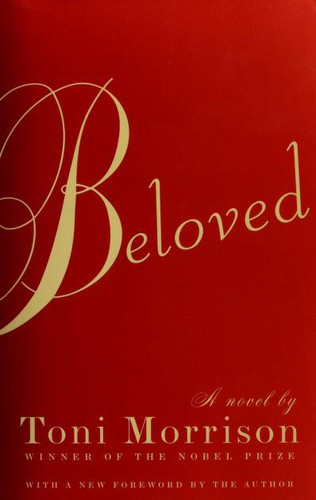
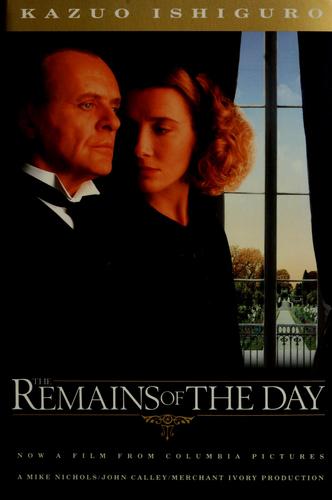
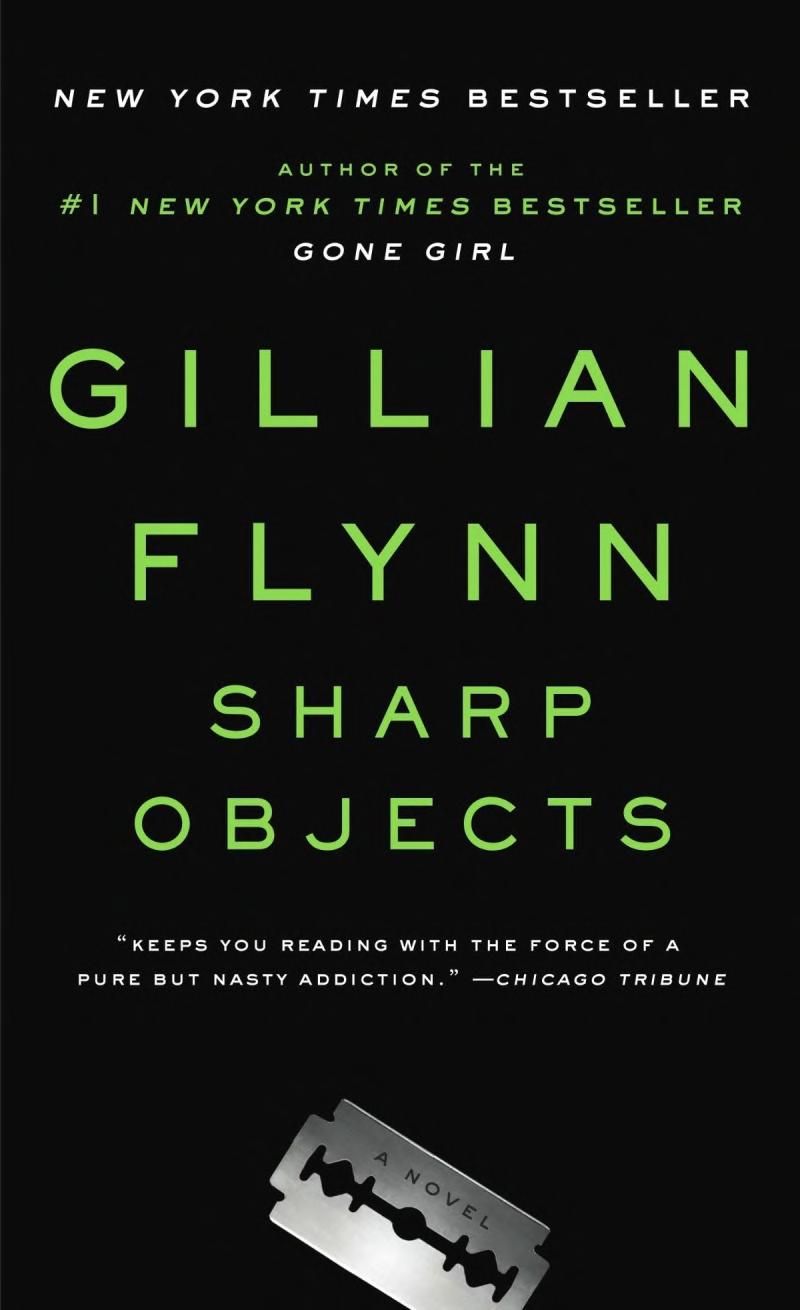
Q: What is the closest modern equivalent to Crime and Punishment? A: Sharp Objects and Beloved are the closest in terms of sustained psychological pressure and moral weight. The Remains of the Day delivers the same formal experience — a reader understanding what a narrator cannot — in a quieter and perhaps more devastating register.
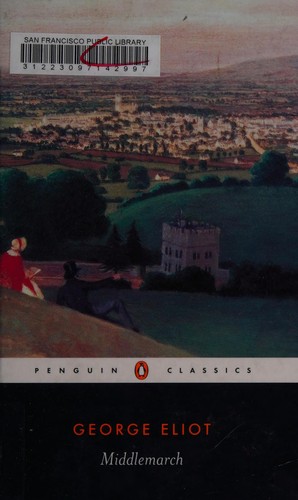
Q: Is Crime and Punishment a difficult book to read? A: The difficulty is psychological rather than stylistic. Dostoevsky’s prose (in good translation) is direct and rapid, and Crime and Punishment moves faster than its reputation suggests. The challenge is sustained immersion in Raskolnikov’s deteriorating mind, which is genuinely uncomfortable. If you found it difficult, Middlemarch offers a similar moral depth at a more controlled temperature.
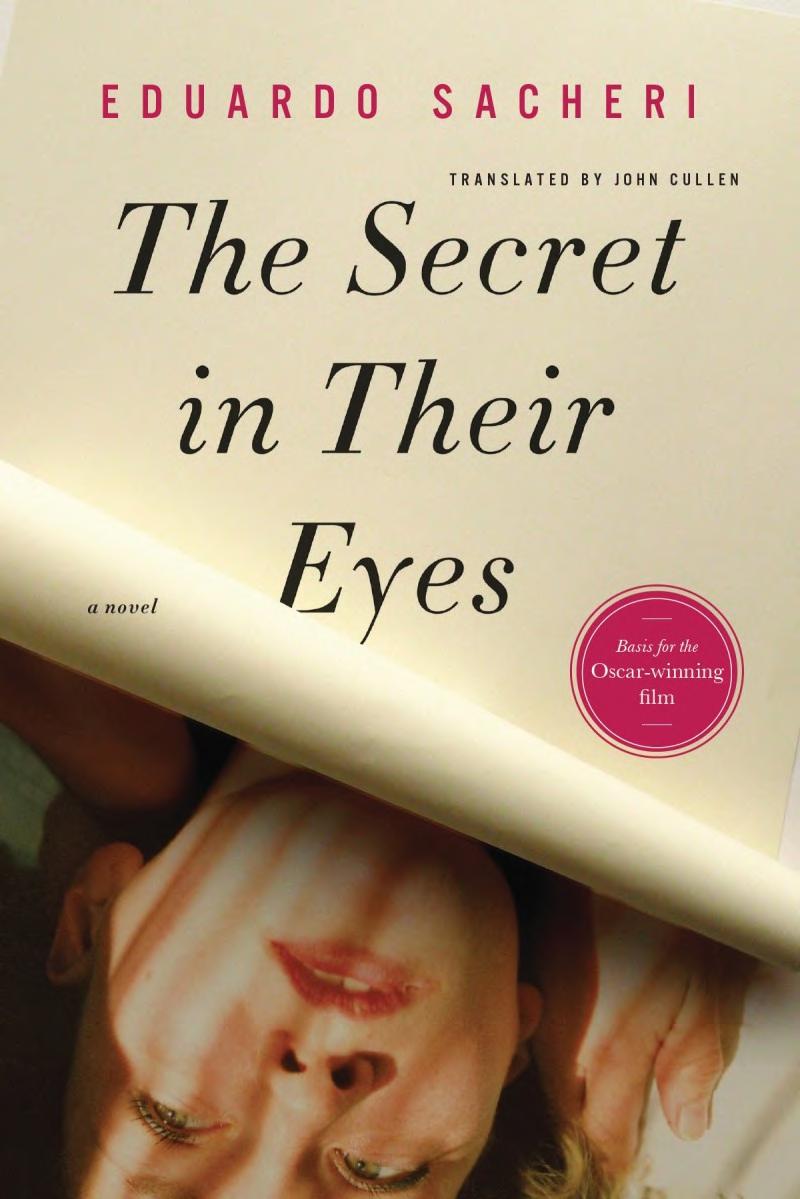
Q: What should I read if I loved Crime and Punishment’s exploration of guilt? A: The Secret in Their Eyes handles long-term guilt with the most structural elegance on this list — the retrospective form, with Chaparro looking back on a case he could not resolve, gives guilt a different temporal quality than Dostoevsky’s real-time account. Beloved is the most formally serious treatment of guilt as something that lives in the body rather than the reasoning mind.
Not sure which of these is right for you specifically? The Pagesmith quiz matches you to books based on your mood, pacing preference, and reading goals, not bestseller lists. Takes two minutes.