Best Heist Books That Deliver the Real Thing
The heist form is about one specific pleasure: watching an elaborate plan constructed, then watching reality complicate it. The best heist books deliver that pleasure across fantasy, Victorian crime, corporate fraud, and literary thriller -- because the mechanism is the same regardless of genre.
May 2026 · 7 min read · The Pagesmith
What readers are actually looking for when they want heist books is a specific structural pleasure that has nothing to do with crime. It is the pleasure of watching an elaborate plan constructed by people who are smarter than everyone around them, and then watching reality find the gap between the plan and its execution. The gap is what matters. A heist story where the plan works without complication is not a heist story — it is a wish-fulfillment exercise. What makes the form satisfying is the moment when something goes wrong in a way that forces the planners to improvise, and the improvisation reveals character in a way the plan could not. That mechanism belongs to no single genre. It appears in fantasy heists, Victorian conspiracies, corporate fraud, and literary thrillers. The books here all use it, some in obvious ways and some in forms you might not immediately recognize as heist fiction.
The heist has a built-in narrative structure that most genres have to construct artificially. The setup installs the goal and the obstacles. The assembly of the crew (or the construction of the plan) raises the question of whether the components are sufficient. The execution introduces the complication. The resolution answers what the gap between plan and reality cost, and whether it was worth it. That structure is so reliable that even bad heist films work better than bad films in other genres, because the architecture carries the story. The books here use the architecture well, which means they deliver on the structure and then use it to say something beyond the pleasure of the mechanism itself.
A heist story is not about whether the plan succeeds. It is about who the planners turn out to be when the plan stops working, and what that reveals about what they actually wanted.
The Books
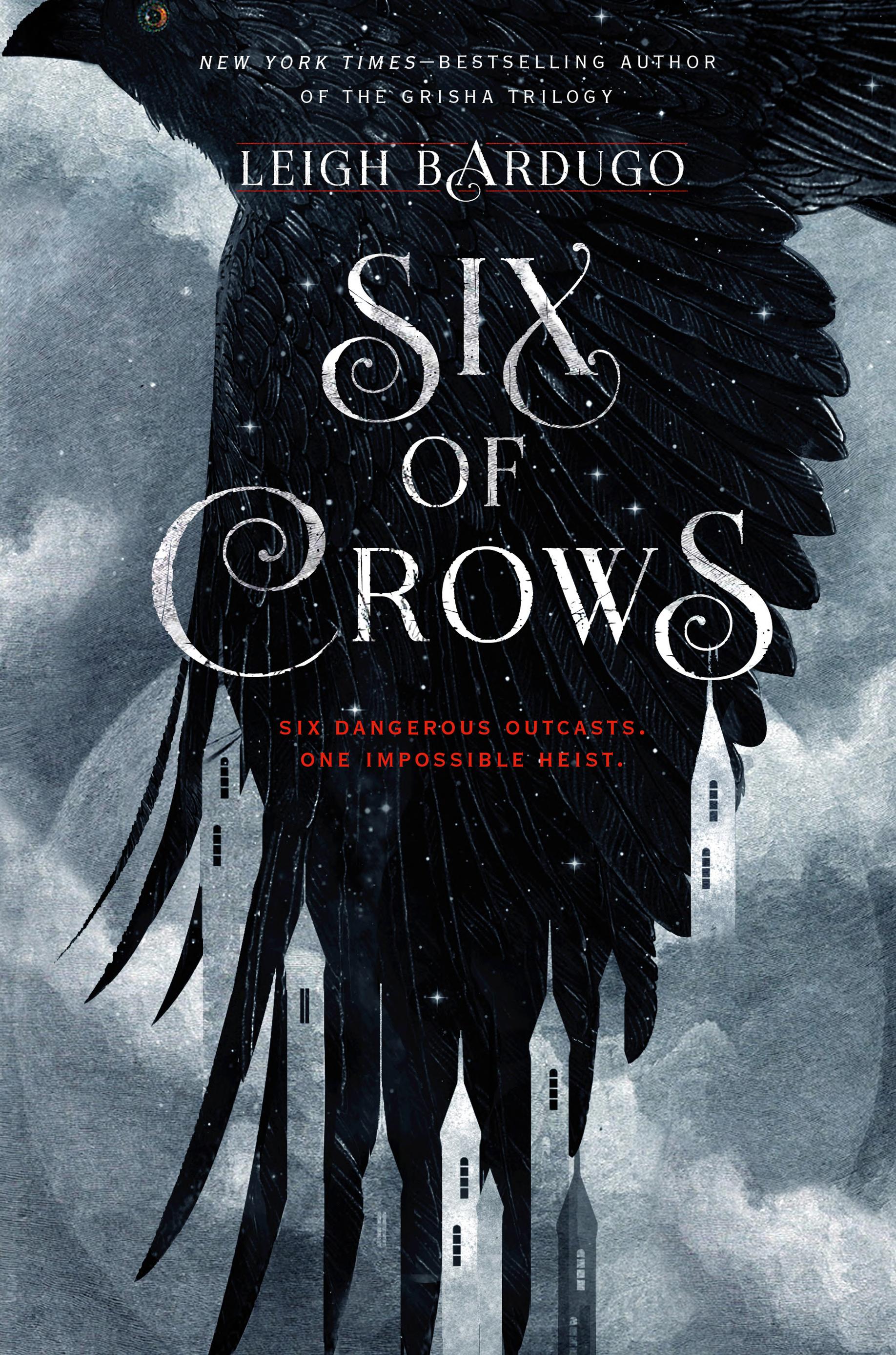
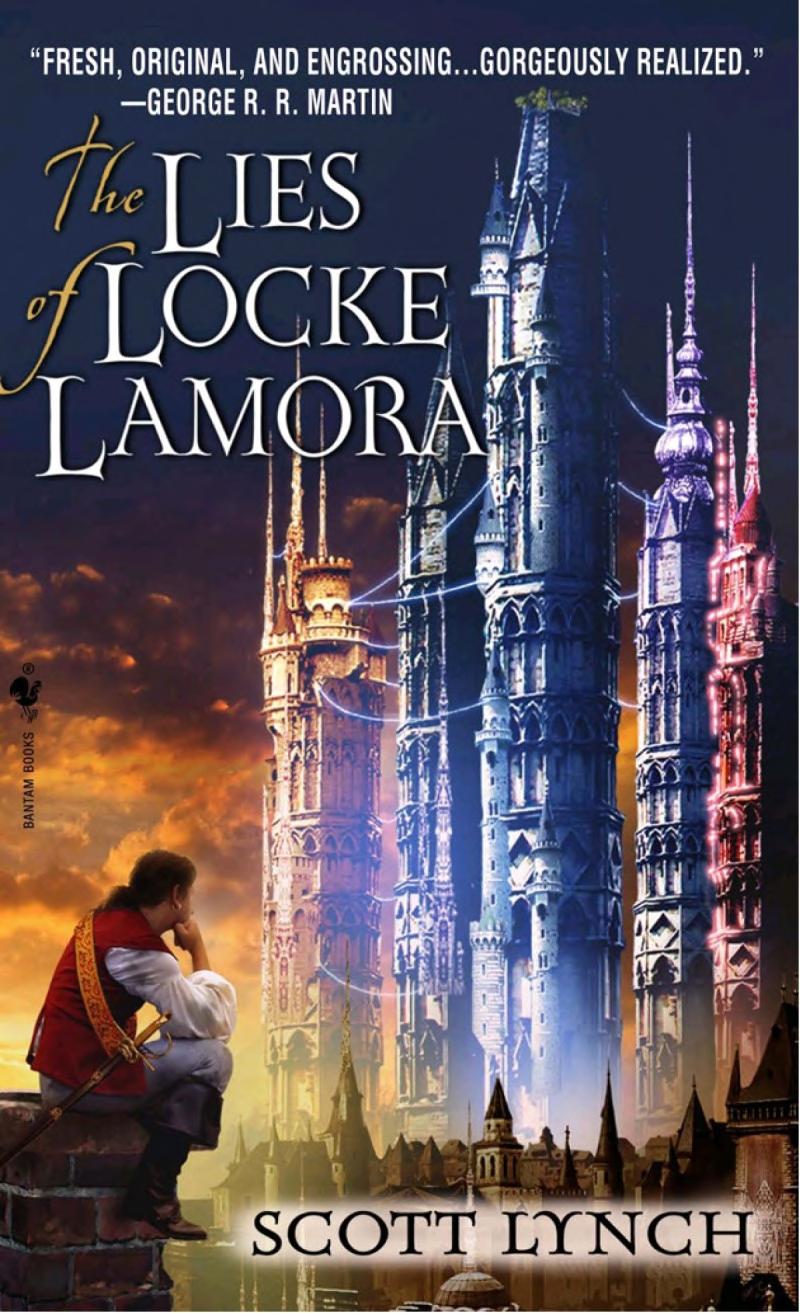
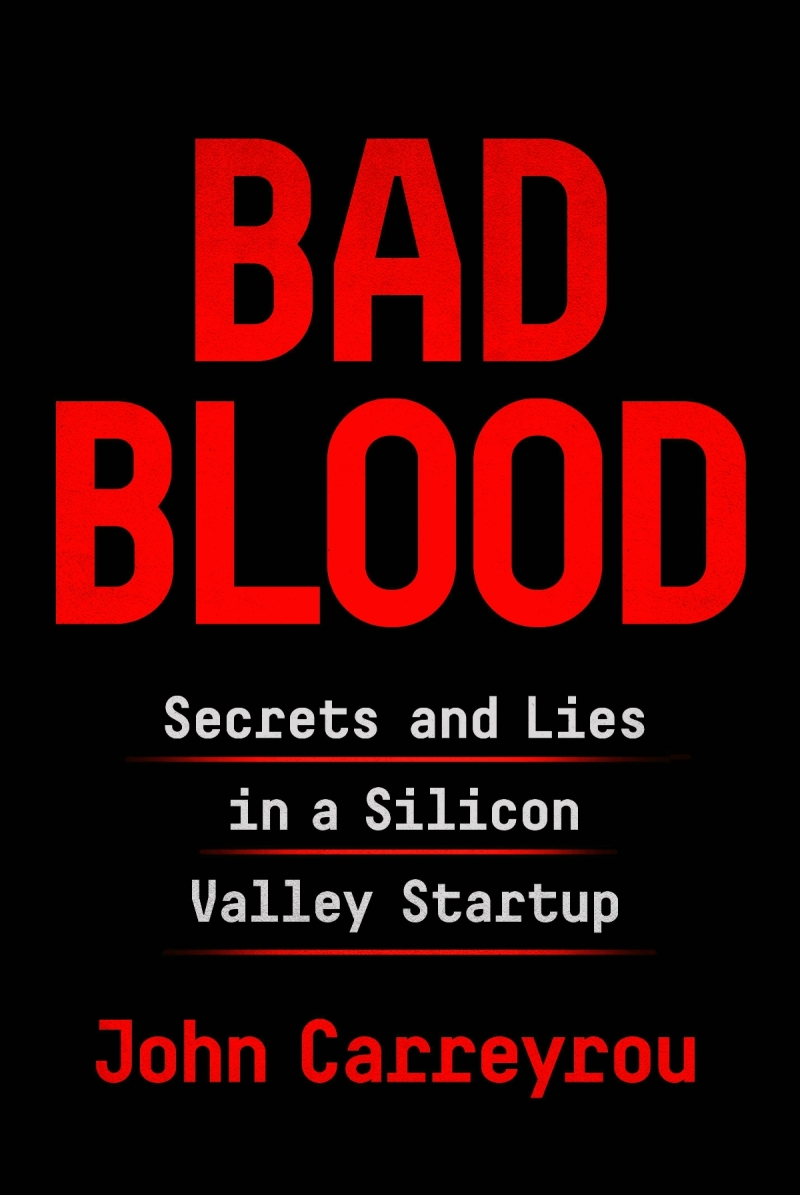
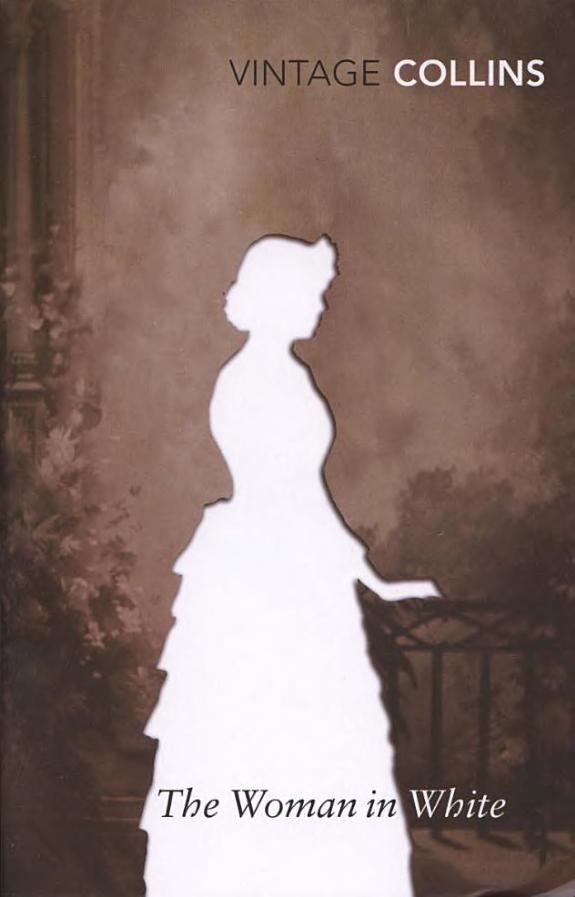
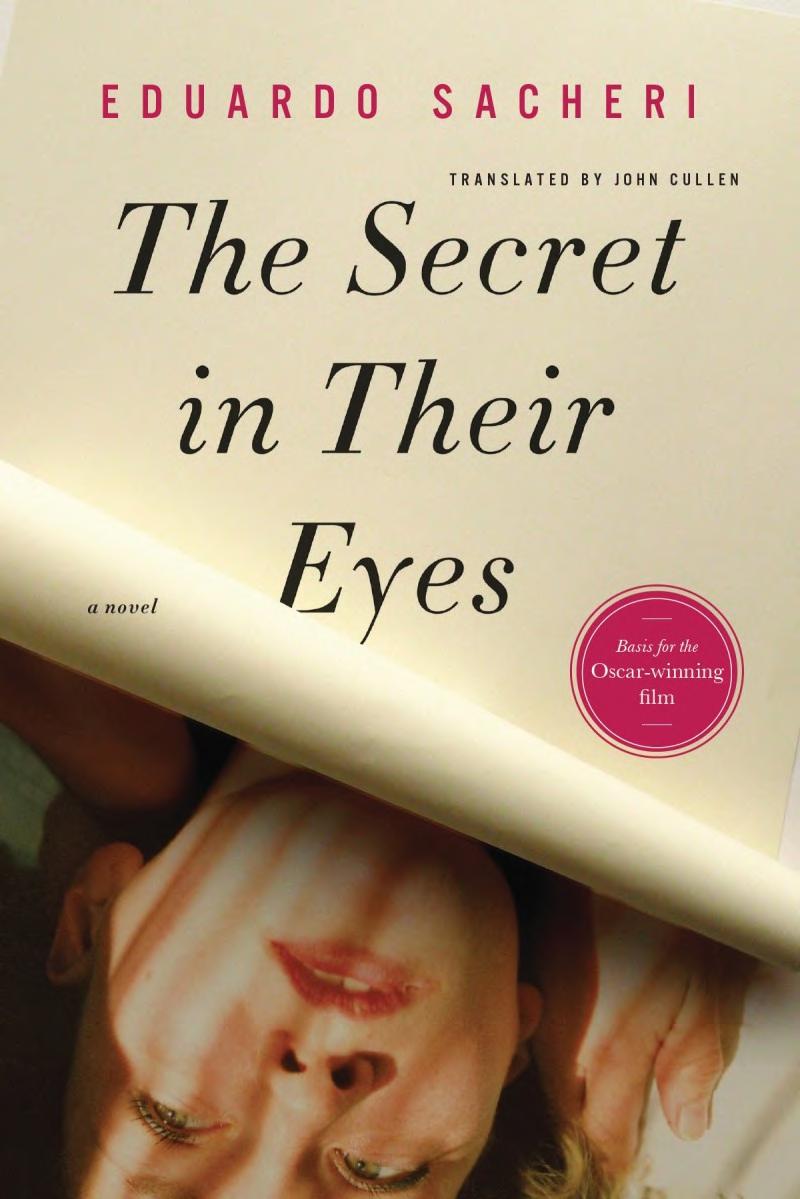
Six of CrowsLeigh BardugoThe definitive heist fantasy and one of the most purely enjoyable books of the past decade in any genre. Kaz Brekker’s crew of six outcasts must break into the most secure prison ever built, and Bardugo structures the novel with the precision of a heist film: each character has a specific skill, each skill has a specific role in the plan, and the plan fails in specific ways that require the skills to be deployed differently than intended. What distinguishes it from comparable entertainment is that each character’s backstory, delivered in flashbacks at exactly the right moment, makes the improvisation feel like character revelation rather than plot mechanics. The sequel is also excellent. The Lies of Locke LamoraScott LynchWhere Six of Crows is structured as a single heist with a clear target, Lynch’s debut is an escalating series of cons embedded within each other in a Venetian-inspired fantasy city that has more texture per page than most genre settings. Locke Lamora and his Gentleman Bastards operate at a baroque level of elaboration — their long cons require months of preparation and multiple false identities — and the novel’s central complication arrives when a more dangerous criminal begins using them as unwitting pawns. Funnier than Six of Crows, somewhat more chaotic, and deeply original in its world-building. The violence when it arrives is not softened. The Devotion of Suspect XKeigo HigashinoThe least obvious heist book on this list, and the one that most precisely demonstrates why the form is structural rather than genre-specific. Ishigawa the mathematician constructs an alibi of extraordinary complexity for a woman he loves — the heist here is not on a vault but on the truth itself, and the target is a detective who must be misdirected rather than a guard who must be bypassed. Higashino gives the reader access to both sides simultaneously: the construction of the deception and the investigation that threatens it. The result is that the novel functions as a heist thriller and a meditation on obsession, sacrifice, and the terrible geometry of love. Bad BloodJohn CarreyrouThe only nonfiction entry on this list, and the most purely satisfying one for readers who like their heist stories to have stakes that exist outside the text. The Theranos fraud had exactly the structure of a heist: an audacious target (a fraudulent valuation of $9 billion), a complex operational deception maintained across years of escalating scrutiny, near-exposures that required increasingly elaborate improvisation, and a final unraveling that was both inevitable and improbable. Elizabeth Holmes functions as the novel’s architect-criminal in a way that is more compelling than most fictional equivalents, because the gap between her stated convictions and her actual knowledge is never fully resolved, which makes her simultaneously more understandable and more disturbing. The Woman in WhiteWilkie CollinsThe original heist novel in English, though it is not usually classified as one. Sir Percival Glyde and Count Fosco’s scheme to steal Laura Fairlie’s identity and fortune is a carefully constructed long con executed across multiple phases, with contingencies and misdirections that Collins reveals gradually as the investigators piece together what was done. The novel runs 600 pages and holds its tension throughout in a way that most contemporary thrillers do not manage at 300. Collins invented the multiple-narrator format that allows the same events to be understood differently depending on who is reporting them, which means the investigation of the heist is also an investigation of testimony and reliability. The Secret in Their EyesEduardo SacheriSacheri’s Argentinian thriller is the heist-in-reverse: a retired detective who spent a career trying to crack a case he could never close now constructing an account of it in order to understand what actually happened. The novel is about the reconstruction of a crime rather than its commission, which gives it a different relationship to the heist structure — the plan is assembled backward, from consequence to intention, and the detective’s account keeps revising itself as he gets closer to the truth. For heist readers who want the intellectual pleasure of the form without the caper mechanics, this is the recommendation. Who This Is For
Readers who have watched Ocean’s Eleven more than twice and want books that deliver the same structural pleasure — the plan, the crew, the gap between intention and execution — without requiring them to stay in the crime genre. Also readers who enjoyed Six of Crows and want to understand what makes the heist form satisfying across different contexts. For more titles with this kind of plotting, the thriller and mystery and fantasy catalogues both have books that use elaborate construction as their primary engine.
Frequently Asked Questions
Q: What is the best heist book for readers who mostly read fantasy?
A: Six of Crows is the obvious first recommendation, but The Lies of Locke Lamora is arguably the better book for readers who want more world-building depth alongside the caper mechanics. Both are set in fantasy worlds; both use the heist structure with genuine craft.
Q: Are there good heist books that are not genre fiction?
A: Bad Blood is the strongest nonfiction example: a corporate fraud with the exact architecture of a heist novel, including assembly, execution, near-exposure, and eventual unraveling. The Woman in White occupies an interesting middle ground: literary fiction by contemporary standards, sensation fiction by Victorian ones, and structurally as precise as any modern thriller.
Q: What should I read after Six of Crows?
A: The Lies of Locke Lamora is the most direct next step: different world, same genre, similar commitment to elaborate construction and ensemble dynamics. Bad Blood is the right choice if you want to understand why the heist form is compelling in real life as well as fiction — the Theranos story has exactly the structure Bardugo constructs artificially.
Q: What makes a heist story satisfying?
A: The plan itself needs to be legible and elegant enough that the reader can appreciate why the complications matter. The crew (or architect) needs to be specific enough as characters that their improvisation under pressure reveals something rather than merely advancing the plot. And the resolution needs to be proportional to the setup — a heist story that ends too easily or too randomly fails the form regardless of how clever the setup was.
Not sure which of these is right for you specifically? The Pagesmith quiz matches you to books based on your mood, pacing preference, and reading goals, not bestseller lists. Takes two minutes.