Dark fantasy has a problem. The term has been applied so broadly that it now covers everything from competent moral ambiguity to torture extended over a thousand pages for aesthetic effect. Most books marketed as dark fantasy are dark in the way that a colour is dark: as atmosphere, as decor, as an absence of comfort that the author has decided to make the reader feel without having a particular reason for the feeling. The best dark fantasy books are dark in a structural sense. The violence produces consequence that shapes the story. The moral compromises cost something irreversible. The darkness is an argument about how power works, or what war does to people, or why good intentions are insufficient. Every book on this list earns its difficult scenes by putting them in service of something.
What Separates Serious Dark Fantasy from Grimdark Aesthetics
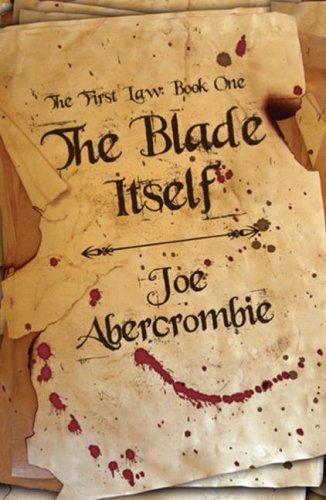
The term grimdark was originally a descriptor, borrowed from Warhammer 40,000’s tagline, for fantasy that rejected the Tolkienian assumption of a moral universe tilted toward light. That is a legitimate project. Joe Abercrombie’s early work, which launched the movement as a recognisable category, used cynicism about heroism to make a genuine argument about war and the mythology that surrounds it. The problem came when the subgenre’s surface qualities, brutal violence, morally compromised protagonists, absent heroism, became the point rather than the means. The books here use darkness purposefully. Some are cold; all are serious; none are nihilistic in the lazy sense of assuming that darkness is automatically more honest than hope.
Dark fantasy earns its difficulty when the reader understands why this story could not be told any other way. Suffering that serves only atmosphere is a different thing entirely.
The Books
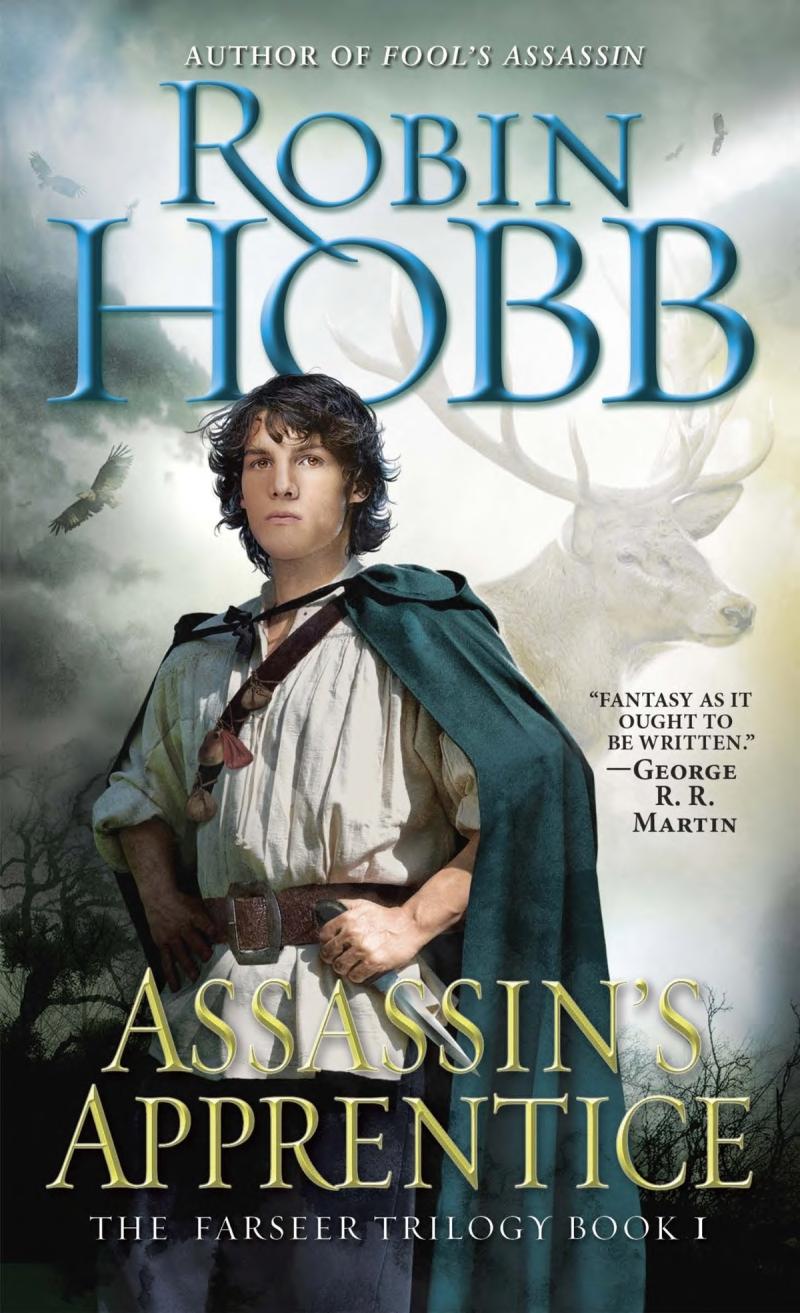
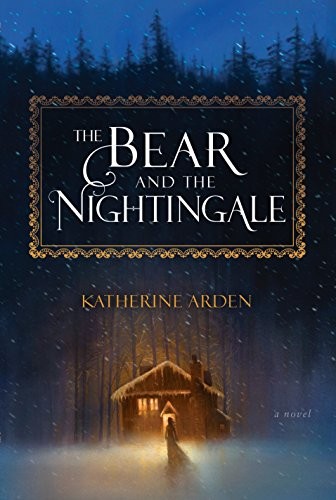
Who This Is For
Fantasy readers who have been burned by grimdark novels that mistake unpleasantness for seriousness, and who want the genre’s darker registers applied with genuine moral intelligence. Also readers who come from literary fiction and find standard fantasy too comfortable, but who want something more mythologically grounded than contemporary fiction. The fantasy catalogue has further options across the full tonal range, from the warmest comfort reads to the most demanding political epics.
Frequently Asked Questions
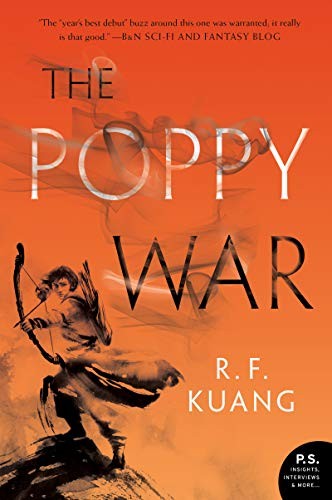
Q: What is the darkest fantasy book on this list? A: The Poppy War is the most graphically confrontational, because it draws on documented historical atrocity rather than invented violence. The Blade Itself and Assassin’s Apprentice are darker in emotional register across their full series arcs, but the first volumes are establishing books. The bear and the Nightingale is the most atmospheric rather than explicit.
Q: What is grimdark fantasy? A: Grimdark is a subgenre of fantasy that rejects the Tolkienian assumption of a moral universe moving toward light. Heroes are morally compromised, institutions are corrupt, and the violence of war is treated without glamour. Joe Abercrombie’s First Law trilogy launched the movement as a recognisable category. The term has since been applied so broadly it covers everything from thoughtful moral ambiguity to darkness for its own sake.
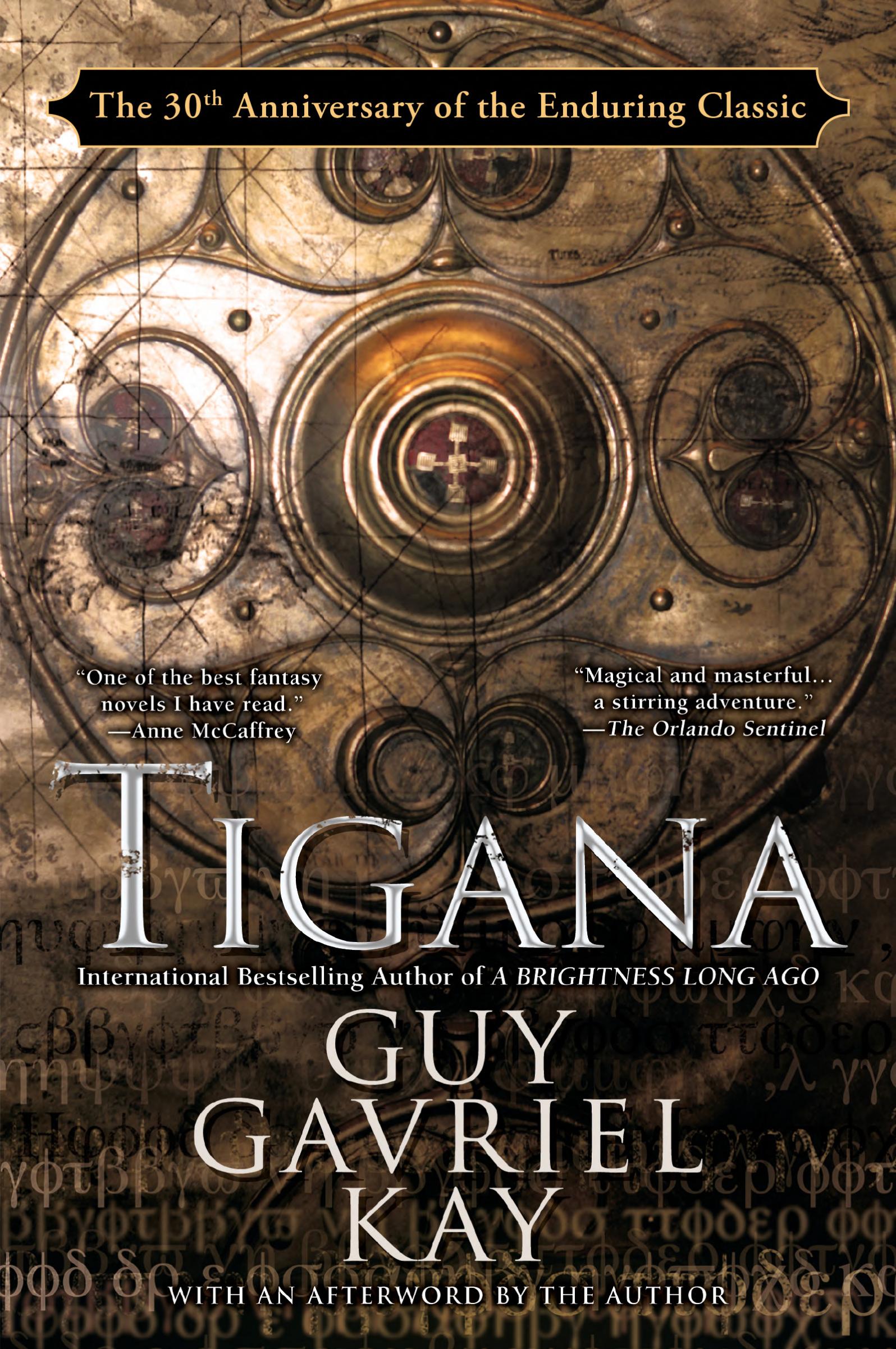
Q: Can I read The Poppy War if I am sensitive to depictions of atrocity? A: No. Kuang is explicit about the events her novel draws from, and content warnings for The Poppy War include graphic depictions of war crimes, sexual violence, and genocide. The seriousness of purpose is real, but the difficulty is real too. The Bear and the Nightingale or Tigana would be better choices for readers who want dark fantasy without that level of graphic content.
Q: What is the best dark fantasy series to start? A: For readers who want to ease in, the Winternight Trilogy beginning with The Bear and the Nightingale builds its darkness gradually. For readers who want to start at the deep end, the First Law Trilogy beginning with The Blade Itself is the genre’s defining series and rewards completion.
Not sure which of these is right for you specifically? The Pagesmith quiz matches you to books based on your mood, pacing preference, and reading goals, not bestseller lists. Takes two minutes.