Best Books About Immigration to Read Right Now
The best fiction about immigration focuses not on the crossing but on what survives it -- the generation gap, the untranslatable grief, and the question of whether belonging is something you can build or only something you were born into.
May 2026 · 7 min read · The Pagesmith
Fiction about immigration divides into two kinds. The first kind is about the crossing: the danger, the displacement, the arrival. It makes for urgent reading, but it rarely gets to the subject that immigration fiction is most uniquely equipped to explore. The second kind is about what happens after, which is harder to dramatize and more enduring as literature. What does it cost to become someone your parents cannot fully recognize? What do you lose when you become fluent in a language your mother still struggles with? What is the specific grief of the immigrant generation, the one that sacrificed everything for a country that never fully claimed them? The books here are mostly the second kind. They understand that immigration is not an event but a permanent condition, and they take seriously the full scope of what that condition involves.
What the Best Immigration Fiction Actually Explores
The immigrant experience in fiction is often treated as a story of arrival and integration: the newcomer who finds their footing, learns the customs, and eventually belongs. That arc is real, but it is not the most interesting story, because it treats belonging as a destination rather than an ongoing negotiation. The more honest immigration fiction is interested in the costs: the mother who raised her children in a language she cannot share with her grandchildren, the daughter who has acquired a fluency her parents will never have and who feels the gap between them as a kind of guilt, the son who has become American in ways that make his parents’ sacrifices both more and less meaningful. The books here take those costs seriously. They are not triumph narratives. They are more honest than that, and more lasting.
The defining experience of immigration is not culture shock. It is the moment you realize you are translating not just language but emotional register, and that some things will not survive the translation.
The Books
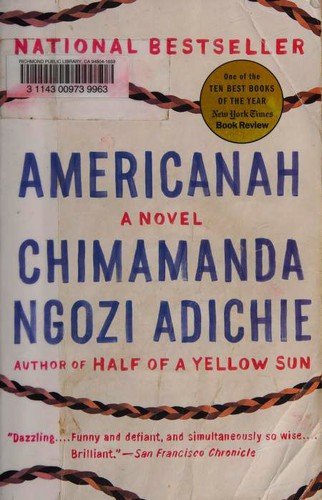
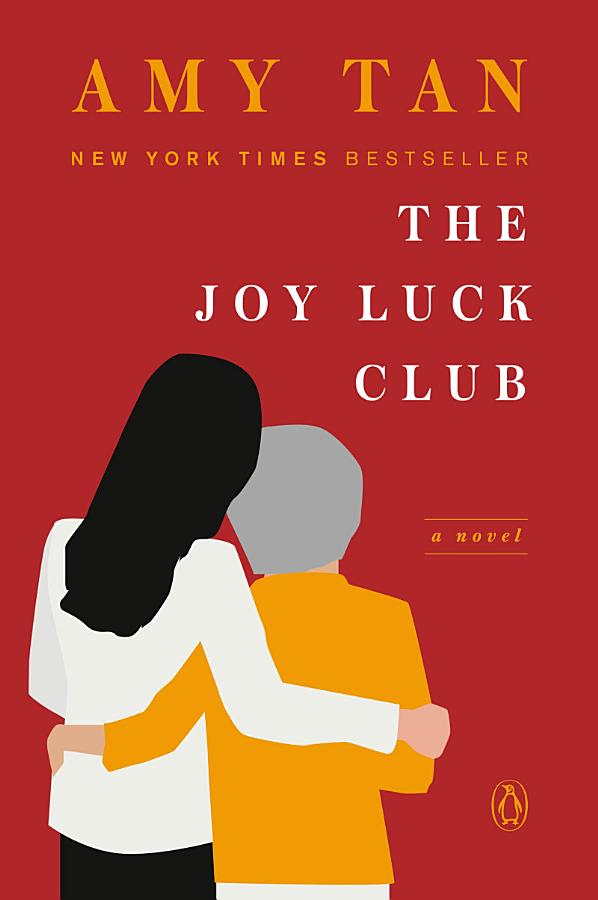
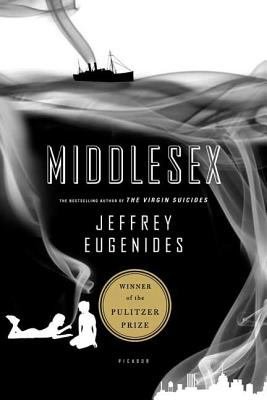
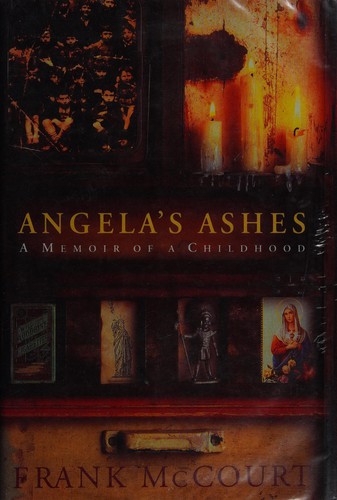
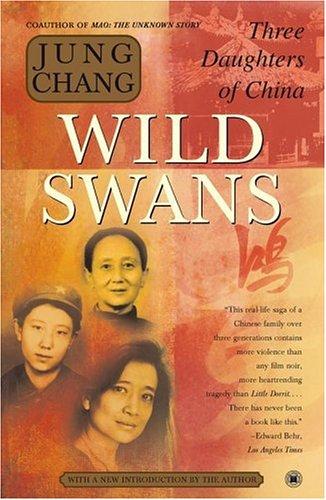
AmericanahChimamanda Ngozi AdichieThe sharpest account of what immigration does to race as a category. Ifemelu leaves Nigeria as simply Nigerian — race is not a language she has needed — and arrives in America to discover that she is now Black in a sense that requires a new literacy she was not prepared for. Adichie’s novel is funny and clear-eyed about this process, and her protagonist’s blog posts about race in America, written with the precision of an outsider who sees what insiders have learned not to notice, are some of the most acute social observation in recent fiction. The love story gives it forward momentum; the immigration argument gives it lasting weight. The Joy Luck ClubAmy TanTan’s novel is the defining account of the immigrant generation gap in American fiction, and it approaches the subject structurally: sixteen interleaved stories that alternate between the mothers who survived historical catastrophe in China and the daughters who grew up in American safety, each unable to fully read the other’s experience. The grief that runs through the novel is not about leaving or arriving but about the impossibility of the distance — the things the mothers cannot explain because they did not survive in order to be explained, and the things the daughters cannot ask because they do not know what questions to form. MiddlesexJeffrey EugenidesEugenides traces a Greek-American family across three generations and two continents, from Asia Minor to Detroit, and uses the narrator’s intersex identity as the lens through which to examine what identity is and where it comes from. Immigration is one thread in a larger argument about the inheritance of biology, culture, and history, but it is a central one: what the Stephanides family carries from Smyrna to Michigan and what gets lost in the carrying is as carefully accounted as any immigrant novel on this list. The Pulitzer Prize winner is also simply one of the great American novels of the past thirty years, ambitious in scale and exact in its emotional rendering. Everything Is IlluminatedJonathan Safran FoerFoer’s debut approaches immigration from the direction of departure rather than arrival: what was left behind in Ukraine when the Jewish population was destroyed, and what a third-generation American can recover of it. The novel alternates between a comic travelogue of a young man searching for the woman who saved his grandfather and a magical realist history of the village he came from, and the comedy and the horror are inseparable in the way Foer argues they have to be. The grief here is for a world that emigrated into nothing — not a new country but extinction — which gives the immigration theme a different and more devastating quality. Angela’s AshesFrank McCourtMcCourt’s Pulitzer-winning memoir is about the conditions that make emigration not a choice but a necessity, and the specific texture of the poverty and social immobility that sent generations of Irish men and women to America and England in the twentieth century. Limerick in the 1930s and 40s is rendered with extraordinary specificity — the rain, the hunger, the drunken father, the piety and its hypocrisies — and McCourt’s voice, wry and immediate and free of self-pity, is the most precise instrument for this subject in the memoir genre. The immigration itself is barely in the book, which is the point: what matters is everything that made it inevitable. Wild SwansJung ChangJung Chang’s family memoir traces three generations of Chinese women across a century of upheaval — a warlord’s concubine, a Communist official’s wife, and the author herself — and the final immigration, Chang’s departure from China after the Cultural Revolution, is inseparable from what the preceding generations endured to make it possible. The most readable account of twentieth-century China available in English, and the one that makes the largest historical forces feel personal because they are filtered through specific family members whose individual lives the reader has been following for hundreds of pages. The propulsive narrative reads as quickly as any novel. Who This Is For
Readers who want fiction and memoir that treats the immigration experience with the complexity it actually has — not as a triumph narrative or a tragedy, but as a permanent condition that reshapes identity, family, and belonging across generations. Also readers from immigrant families who want their experience reflected with accuracy rather than sentiment. For more in this territory, the literary fiction and nonfiction catalogues both carry books that engage these themes from different angles.
Frequently Asked Questions
Q: What is the best novel about the immigrant experience?
A: Americanah and The Joy Luck Club are the two that have done the most durable work on the subject, for different reasons. Americanah is the more contemporary and the more specifically analytical about how immigration changes racial identity. The Joy Luck Club is the more structurally ambitious account of the generational gap. Both are essential.
Q: Are there good books about immigration that are not literary fiction?
A: Angela’s Ashes and Wild Swans are both memoir and both as narratively gripping as any novel on the list. Angela’s Ashes focuses on the Irish experience; Wild Swans on the Chinese. Both are accessible in prose and propulsive in structure.
Q: What is the best book about the immigrant generation gap?
A: The Joy Luck Club is the defining treatment of this specific subject. Middlesex handles a version of it across three generations rather than two, which gives it a different temporal perspective: the further from the original crossing, the more the immigrant origin becomes mythology rather than memory, and Eugenides is interested in what happens to identity at that further distance.
Q: Are there books about immigration that focus on the experience of the children of immigrants rather than the immigrants themselves?
A: Americanah is the strongest choice for this, since Ifemelu’s experience in America is about learning to navigate a racial and cultural landscape her parents never inhabited. Middlesex, told by a third-generation Greek-American, goes a step further in temporal distance and is explicitly about what the original immigrant experience becomes when it is known through family mythology rather than personal memory.
Not sure which of these is right for you specifically? The Pagesmith quiz matches you to books based on your mood, pacing preference, and reading goals, not bestseller lists. Takes two minutes.