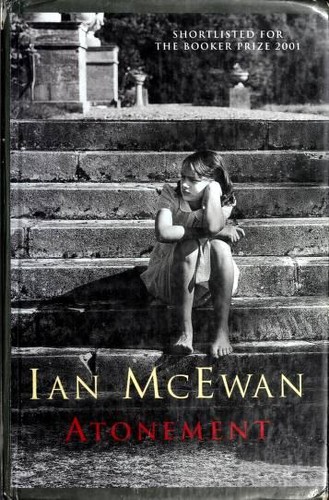
Atonement
A thirteen-year-old girl tells a lie that destroys two lives -- and spends the rest of hers wondering whether fiction can do what life cannot.
Mood Emotional
Pacing Slow Burn
Complexity Dense & Rewarding
A thirteen-year-old girl tells a lie that destroys two lives -- and spends the rest of hers wondering whether fiction can do what life cannot.
About This Book
On a hot day in 1935, a thirteen-year-old with a novelist's imagination and an incomplete understanding of what she sees accuses her sister's lover of a crime he did not commit, and the lie shatters three lives across the decades and the war that follows. McEwan's novel is a study of guilt, storytelling, and the impossibility of undoing harm, and its structure is inseparable from its meaning: the final section delivers a revelation about the nature of the narrative itself that reframes everything before it and turns a story about a mistake into a meditation on fiction's power to console and to lie. The prose is precise and beautiful, the pacing deliberate, the first section's slow build toward the fateful misunderstanding a masterclass in dread. This is a book for readers who want literary fiction that is both emotionally devastating and formally sophisticated, who appreciate a novel that earns its effects slowly, and who can sit with a story in which the central wrong is never fully repaired. Readers wanting a fast plot or a clean resolution should know that the book withholds both by design; its subject is precisely the gap between what we wish we could fix and what remains broken. The metafictional turn at the end divides some readers, but for most it is the source of the book's lasting power, recasting the act of narration itself as both the crime's echo and its only available atonement. One of the finest English novels of its era, and a book that rewards, even demands, rereading once you know where it is going.
Who This Is For
Best for readers who want to feel something deeply, books that stay with you long after the last page. This is a book that asks something of you. Dense, layered, and best read slowly. It takes its time, and that's the point. Patience is rewarded. If you prefer to read at arm's length, this one may get too close.
Best Read When
Best read when you're in the mood for something moving and emotionally resonant, and a read that's slow and deeply immersive.
What It Explores
Atonement explores love in its most complicated forms, loss and what remains after it, redemption — whether it is earned, possible, or ever truly complete, and war and its costs — both during and long after.
Readers Who Liked This Also Loved
Personalised Recommendations
Answer six questions about how you like to read. No email, no account. Free always.
Find My Next Book →