7 Essential Coming-of-Age Novels That Actually Get It Right
The coming-of-age novel at its best is not organized around growing up but around the specific cost of it -- the things that are lost in the transition that adults either don't notice or have learned not to grieve. These seven books are honest about that cost.
June 2026 · 9 min read · The Pagesmith
The coming-of-age novel has a failure mode: the narrator who grows up. The character is young, makes mistakes, learns from them, and arrives at a wiser adulthood that validates the journey. The reader is invited to feel that the difficulty was necessary and the arrival was worth it. This structure is comfortable and inaccurate. Growing up is not primarily about learning and arriving; it is primarily about losing — losing the particular quality of perception that childhood offers, losing the people and relationships and certainties that organized childhood, losing the version of yourself that existed before you were fully formed by what happened to you. The best coming-of-age novels are organized around that loss rather than around the acquisition of maturity, which is why they produce recognition in readers of any age rather than simply nostalgia for youth.
What the Best Coming-of-Age Novels Understand
The distinction is between coming-of-age as triumph and coming-of-age as loss. The triumph version — the young person who becomes themselves by overcoming adversity — is comforting but dishonest. The loss version understands that becoming yourself requires losing the person you were, and that the person you were had specific qualities that the adult world has no framework for grieving. Holden Caulfield’s complaint about phoniness is not simply adolescent contrarianism; it is the accurate observation of a specific quality of intelligence that adulthood tends to suppress, and The Catcher in the Rye is organized around the cost of that suppression. The books here all share that structural honesty: they render growing up as the mixed experience it actually is.
The best coming-of-age novels understand that growing up is not a triumph. It is a series of losses that are also, eventually, a kind of arrival — but the losses come first, and the best of these novels are honest about what they cost before they’re honest about what they produced.
The Books
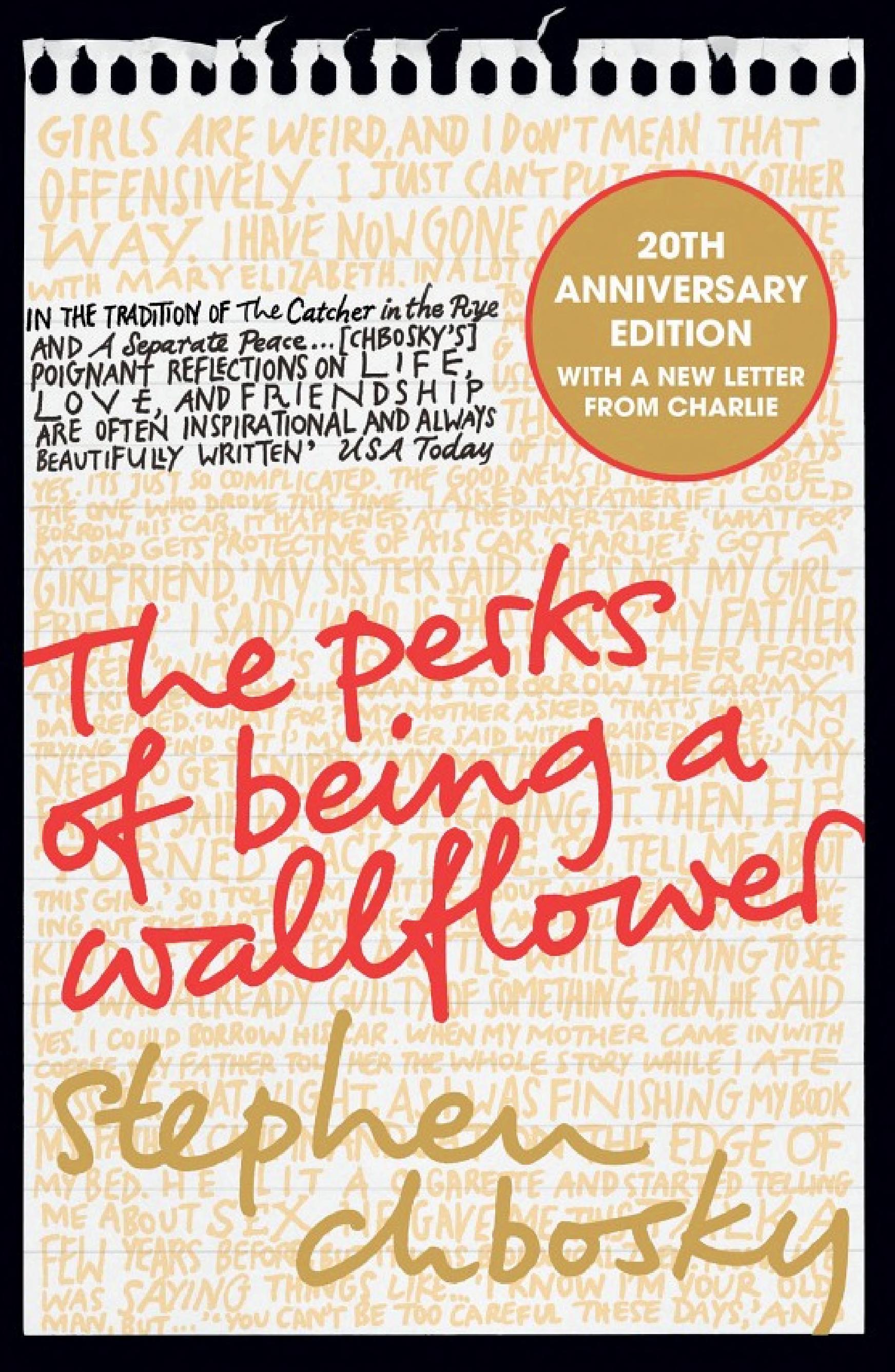
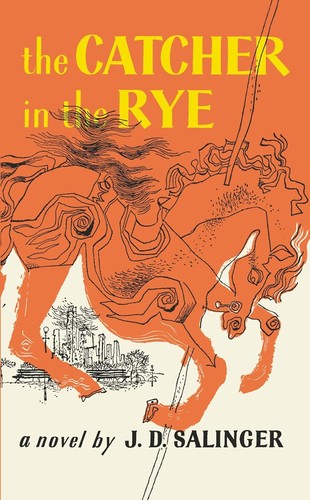
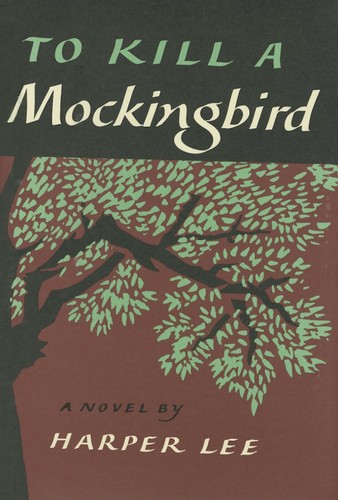
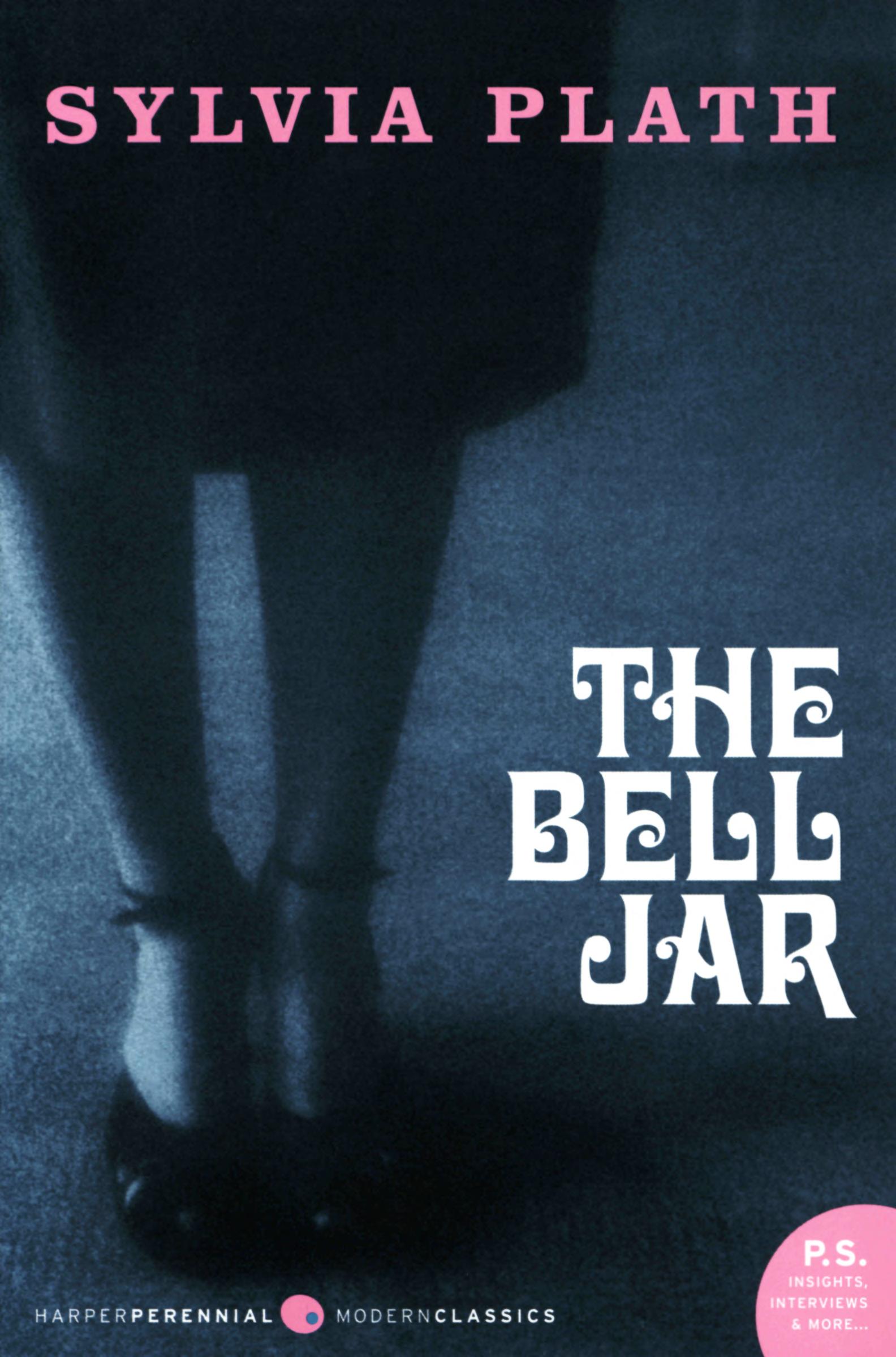
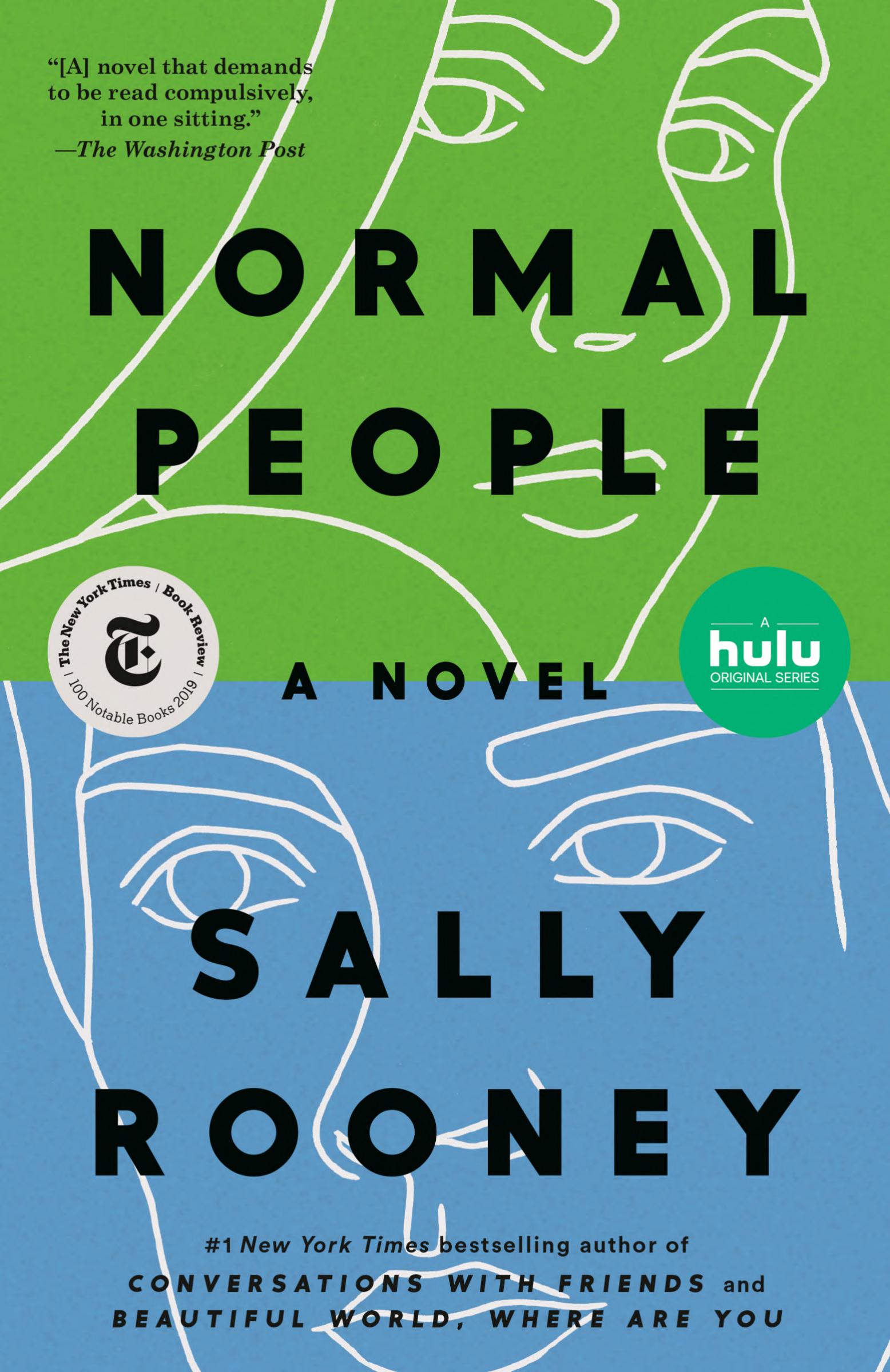
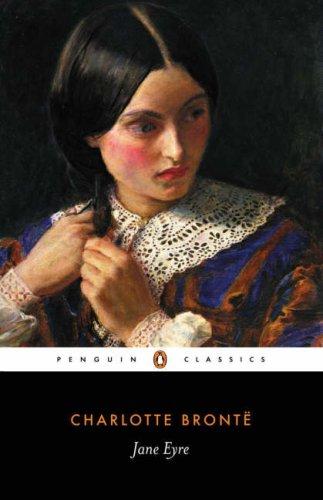
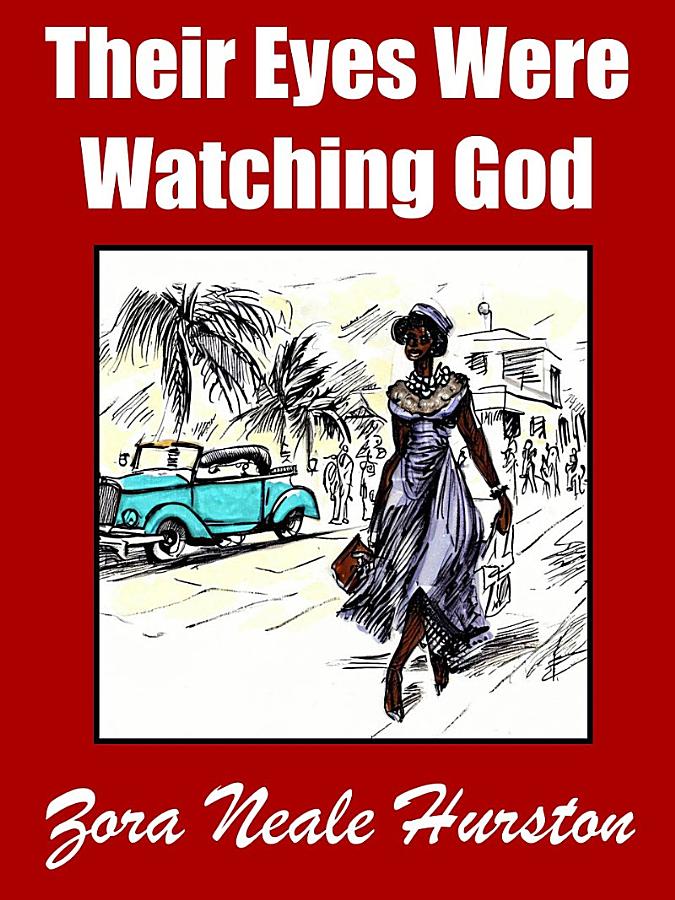
The Perks of Being a WallflowerStephen ChboskyThe contemporary standard for the coming-of-age novel, and the one that most directly addresses the specific experience of adolescence as a period of maximum sensitivity and minimum protection. Charlie’s letters are organized around the gap between what he perceives and what he can process — he sees and understands more than he is supposed to, and the novel is about the specific cost of that perceptual surplus in a world not organized to accommodate it. The epistolary format gives Charlie’s intelligence full expression while rendering his limitations visible, and Chbosky handles the novel’s serious material — trauma, mental illness, sexuality — with the honesty that makes the book genuinely useful rather than simply moving. The most widely cited coming-of-age novel of the past thirty years. The Catcher in the RyeJ.D. SalingerThe foundational coming-of-age novel in American literature, and the one that established the template that every subsequent teen narrator inherits. Holden Caulfield’s specific complaint — his acute sensitivity to the gap between how people present themselves and how they actually are — is not simply adolescent posturing; it is a genuine perceptual position that the adult world tends to suppress, and Salinger is organizing the novel around the cost of that suppression rather than its necessity. The novel is about what Holden is losing in the process of growing up, not what he is gaining, and that orientation toward loss rather than acquisition is what has made it recognizable to every generation of readers since it was published in 1951. To Kill a MockingbirdHarper LeeLee’s novel is organized around the specific coming-of-age loss that is most socially significant: the loss of innocence about how the world is organized. Scout Finch’s world before the trial is coherent and knowable; the world after it is organized around an injustice that cannot be explained away, that her father cannot fix, and that the community she has always trusted has actively produced. Growing up, for Scout, means understanding that the world does not correspond to the moral framework her childhood was organized around — and Lee renders that understanding with enough love for what is lost that the novel’s moral clarity is inseparable from its grief. The most politically important coming-of-age novel in American literature. The Bell JarSylvia PlathPlath’s semi-autobiographical novel is the coming-of-age novel about the specific cost of exceptionalism: what happens to a young woman who is extraordinarily capable, who has been told that her capability entitles her to a life she cannot quite access, and who eventually stops being able to function under the weight of the gap between the two. Esther Greenwood’s breakdown is not simply a mental health narrative; it is the specific collision between a young woman’s perception of what she could be and the world’s account of what she is allowed to be. The most politically honest coming-of-age novel about the specific constraints placed on female ambition, and the one that renders the bell jar as a condition produced by something external rather than simply something internal. Normal PeopleSally RooneyRooney’s novel updates the coming-of-age tradition for the specific conditions of contemporary late adolescence and early adulthood: the hyper-articulate generation that cannot quite say what it means, the class dynamics that organize relationships in ways that are never directly named, the specific experience of leaving the world that defined you and discovering that who you were there does not translate into who you are elsewhere. Connell and Marianne’s relationship is the vehicle, but the coming-of-age is the subject: both of them discovering, across three years at Trinity College Dublin, that the people they were in Carricklea were constructed by conditions they are only now able to see. The most formally precise contemporary coming-of-age novel. Jane EyreCharlotte BronteBronte’s novel is the foundational female coming-of-age story in English literature and the one that established the template for a specific kind of female protagonist: poor, plain, exceptional, and refusing to accept the world’s account of her worth. Jane’s development from the red room at Gateshead to her final settlement at Ferndean is organized around the acquisition not of wealth or marriage but of self-knowledge — the understanding of what she actually values, what she is actually capable of, and what she will and will not accept in the people and institutions she encounters. More explicitly triumphant than most of the novels on this list, but the triumph is earned through a specific quality of self-examination that Bronte renders as the actual substance of growing up. Their Eyes Were Watching GodZora Neale HurstonHurston’s novel is the coming-of-age story told from the other end: Janie Crawford returning to Eatonville and telling her story to Pheoby — not the story of growing up but the story of what growing up actually consisted of, seen from the vantage of someone who has survived it. The novel is organized around Janie’s three marriages and what each one taught her about what she actually wanted, which she could only learn by having and losing what she thought she wanted first. Hurston’s rendering of Black Southern vernacular speech is a formal achievement that makes the novel’s emotional intelligence more rather than less legible, and the horizon that recurs throughout the novel — the thing Janie is always walking toward — is one of the most resonant images of aspiration and self-determination in American literature. Who This Is For
Readers who want coming-of-age fiction that takes the experience seriously as loss rather than simply as the heroic acquisition of maturity — who are interested in the specific cost of growing up as much as its results. Also readers who grew up with The Catcher in the Rye or The Bell Jar and who want to understand the tradition they belong to, and what the tradition looks like in its contemporary and historical versions. The literary fiction and YA catalogues have more in this direction.
Frequently asked questions
Q: Is The Catcher in the Rye still worth reading?
A: Yes, though its reputation has been so thoroughly absorbed into the culture that readers often feel they already know it before they’ve read it. What tends to surprise first-time readers is how funny it is and how specific Holden’s voice is — more precise and stranger than the “alienated teenager” summary suggests. Read it as the specific portrait of a specific consciousness rather than as a general statement about adolescence and it remains one of the most technically accomplished first-person narrations in American fiction.
Q: Is The Bell Jar difficult to read given its subject matter?
A: It is honest rather than graphic about Esther’s breakdown and treatment. The novel handles its material with the same precision and economy that Plath brings to her poetry. Readers who are currently experiencing mental health difficulties should approach it with care; readers who are processing past experiences will likely find it more recognizable than difficult. The question “is it appropriate” is less important than “is it right for where you are.”
Q: What order should I read these in?
A: There is no required order, but one possible approach: start with The Perks of Being a Wallflower for the most accessible contemporary voice, then The Catcher in the Rye for its foundational influence, then their-eyes-were-watching-god for the tradition’s most distinctive formal voice. Jane Eyre and The Bell Jar are the female counterparts that balance the two male narrators. Normal People works as the culmination of the list — the most contemporary and the most formally sophisticated.
Q: What should I read after Their Eyes Were Watching God?
A: Hurston’s Tell My Horse and Dust Tracks on a Road are her nonfiction works that show her anthropological method and personal voice. Toni Morrison’s The Bluest Eye covers adjacent territory in the Black American female coming-of-age tradition with more darkness. Alice Walker’s The Color Purple is the most direct spiritual descendant of Hurston’s novel in terms of both subject and emotional register.
Not sure which of these is right for you specifically? The Pagesmith quiz matches you to books based on your mood, pacing preference, and reading goals, not bestseller lists. Takes two minutes.