Best World War II Novels That Go Beyond the Battlefield
The best WWII fiction isn't organized around combat. It's organized around what the war did to civilian life, to moral frameworks, to the question of what obligations people owe each other when the world has removed the usual structures that make those obligations legible. These six novels understand that the most important battles of the war were not military.
June 2026 · 7 min read · The Pagesmith
World War II produced more novels than any other conflict in history, and the majority of them are organized around the same materials: combat, resistance, survival, heroism, atrocity. Those materials are real and the novels they have produced include some of the most important works of the twentieth century. But the war was also something else: the largest disruption of civilian life in modern history, a period in which ordinary people were forced to make choices under impossible conditions that revealed what they actually valued and what they were actually capable of. The novels here are organized around that disruption. They are about the war’s effects on families, on moral frameworks, on the specific decisions that people under occupation, under bombardment, under ideological pressure had to make — not the big decisions of strategy and command but the small decisions that accumulated into a life or a death, an act of courage or an act of complicity. They take the war seriously as a human experience rather than as a narrative of military operations.
The most important battles of World War II were not the ones fought with weapons. They were the ones fought in occupied living rooms, in hiding places, in the gap between what people believed about themselves and what the conditions of the war required them to discover they were capable of.
The Books
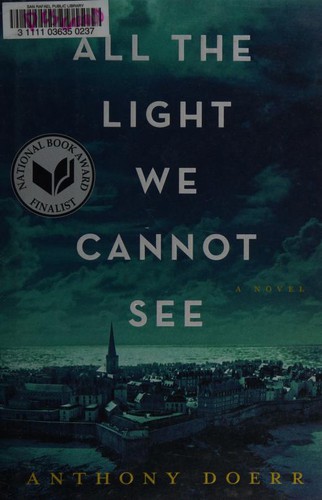
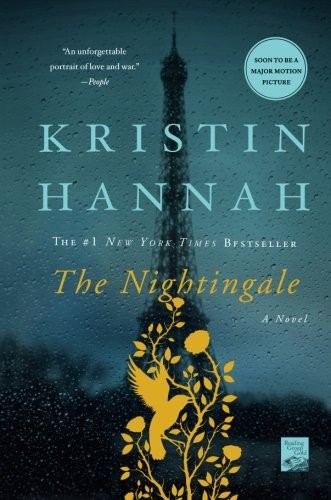
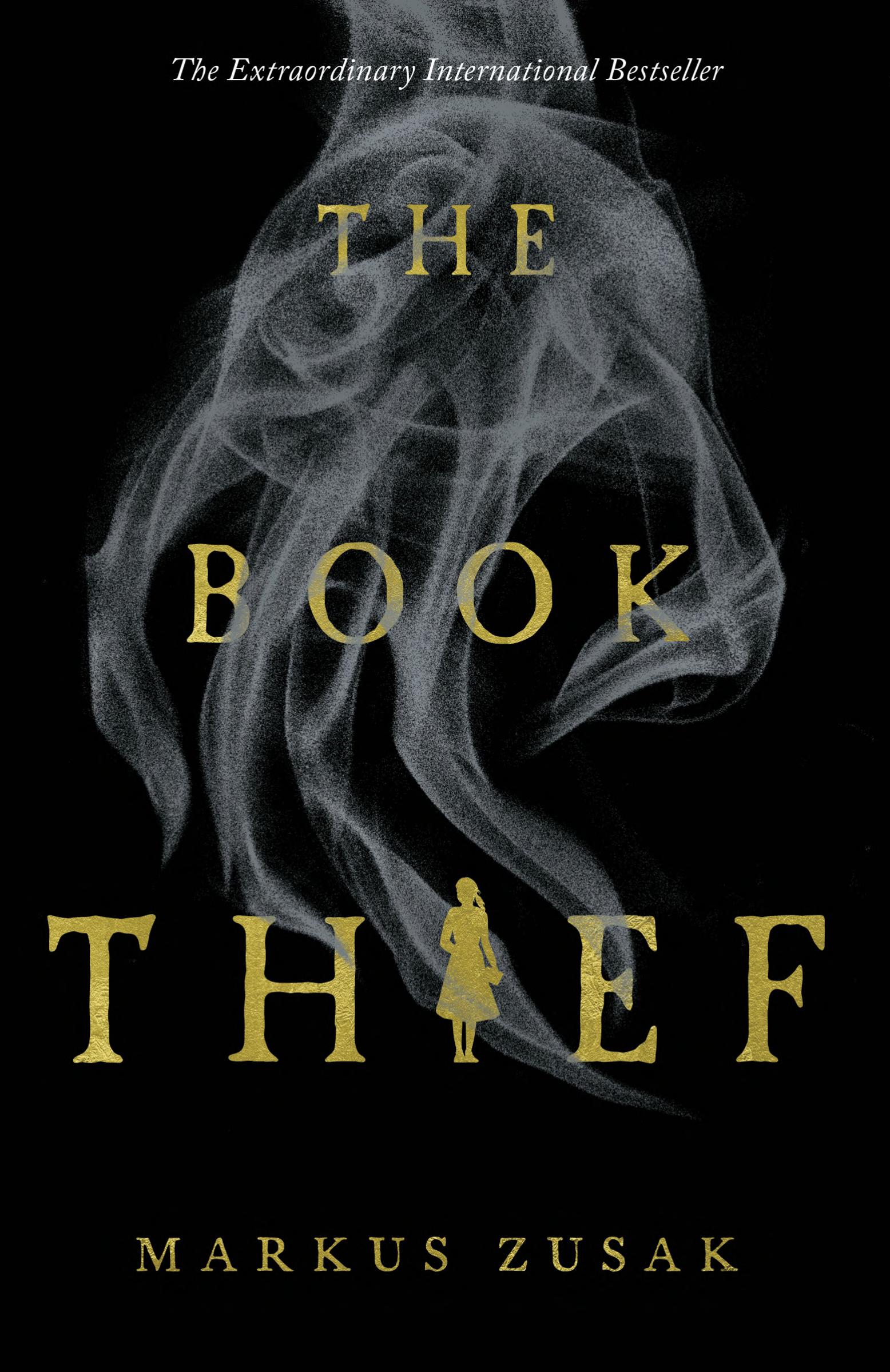
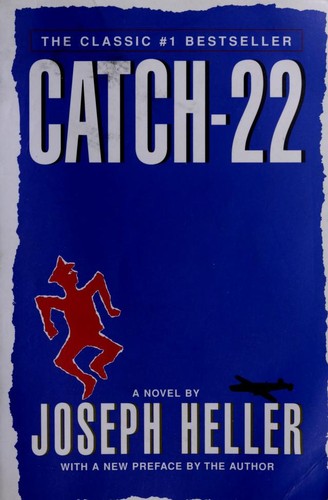
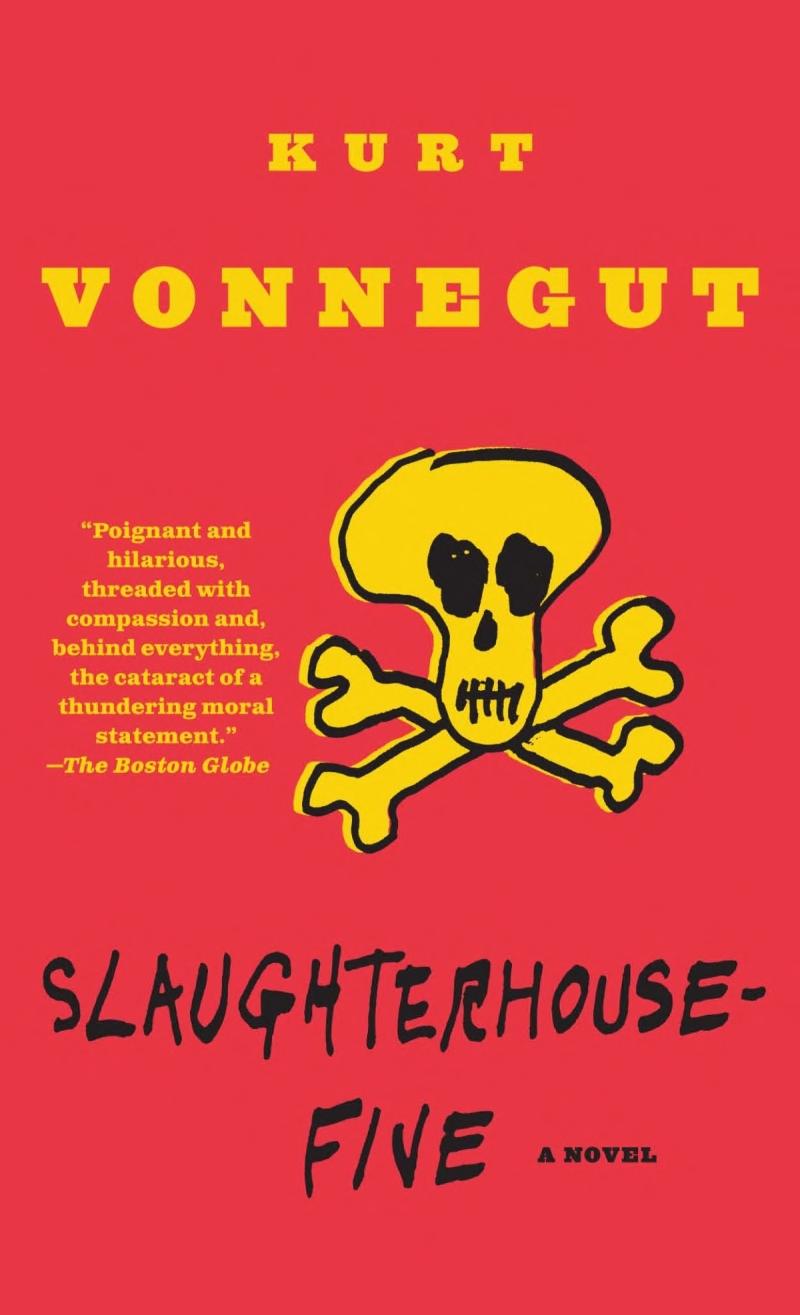
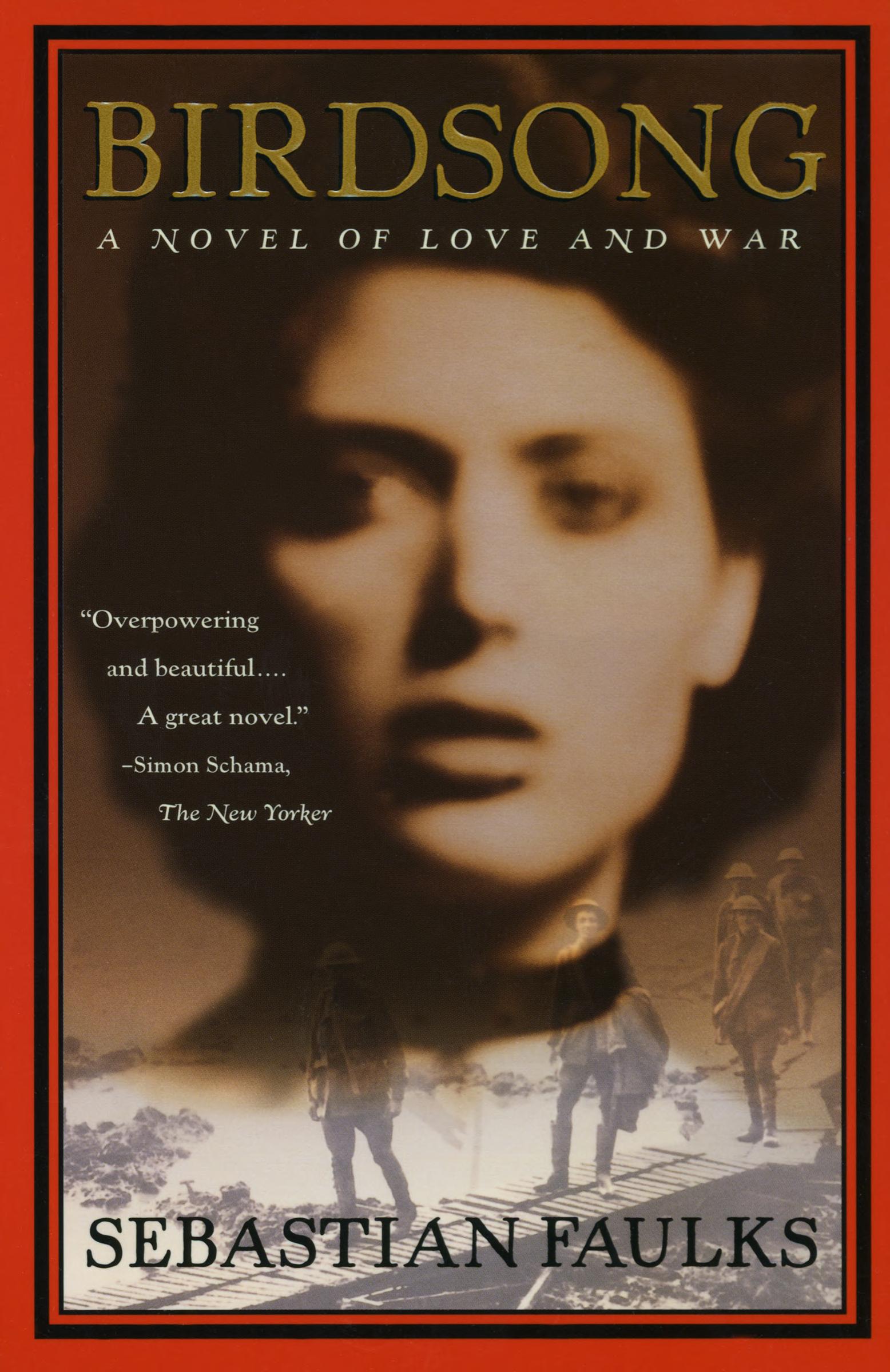
All the Light We Cannot SeeAnthony DoerrDoerr’s novel is organized around two parallel lives — a blind French girl in occupied Saint-Malo, a German orphan who becomes a radio technician for the Wehrmacht — whose convergence across the war’s final years makes the moral argument through structure rather than statement. Neither Marie-Laure nor Werner is a villain or a hero in any simple sense; both are people trying to survive inside a situation larger than their ability to fully understand or resist it. The novel’s specific achievement is making both consciousnesses fully legible without requiring either to be the moral center at the expense of the other, which produces the specific quality of moral seriousness that the best WWII fiction requires. Pulitzer Prize winner. The NightingaleKristin HannahHannah’s novel makes explicit what most WWII fiction only implies: that the war required civilian women to make impossible choices and that those choices are as worthy of serious narrative attention as any military decision. The two sisters at the novel’s center — Vianne, who accommodates the German officer billeted in her home in order to survive and protect her daughter, and Isabelle, who joins the Resistance — represent incompatible responses to the same situation, and Hannah refuses to fully endorse either. Both are rational given the sisters’ specific circumstances; both cost them things that cannot be recovered. The novel’s argument about what the Occupation actually required of French women is the most direct available in popular historical fiction. The Book ThiefMarkus ZusakZusak’s novel renders the war from inside a German civilian family — which is the perspective most WWII fiction avoids, because it requires the reader to inhabit the experience of people living inside the perpetrating society rather than resisting it from without. The Hubermanns are not Nazis; they are ordinary people trying to survive in a Germany where refusing to comply with certain things is fatal. Their decision to hide a Jewish man in their basement is rendered not as heroism in the conventional sense but as something smaller and more specific: one family’s decision that the person in front of them is a person. The narrative voice — Death, who has seen too many of these deaths to find any of them easy — is the formal choice that makes the specific scale of Liesel’s story legible against the war’s total scale. Catch-22Joseph HellerHeller’s novel is about the war’s institutional absurdity rather than its combat, which is why it belongs on this list rather than with novels about the battlefield experience. Yossarian’s conflict is not with the enemy but with the bureaucratic structure of his own military — the rule that prevents him from being grounded for mental unfitness, the commanding officers whose primary concern is their careers, the institutional logic that has divorced itself from any rational relationship to the stated purpose of the war. The comedy darkens progressively as the novel proceeds, and what was funny about the absurdity early becomes horrifying by the end because the reader understands what the absurdity is concealing. The most formally innovative WWII novel on this list and the one that changed how war fiction understands institutional complicity. Slaughterhouse-FiveKurt VonnegutVonnegut’s novel is organized around the firebombing of Dresden — the largest Allied bombing campaign of the war in Europe, which killed more civilians than Hiroshima and which Allied governments suppressed discussion of for decades because it complicated the moral clarity of the Allied cause. Billy Pilgrim’s non-linear time experience is the formal device for rendering the specific psychological reality of surviving something that the official narrative of the war has no framework for: a massacre committed by the people on the right side. The repeated phrase “so it goes” — following every death regardless of context, scale, or significance — is the novel’s direct statement about what happens to moral meaning when you have seen what Billy has seen. One of the most formally necessary novels in American literature. BirdsongSebastian FaulksFaulks’s novel is technically WWI rather than WWII, but it belongs on this list because it renders the European experience of industrialized mass death that WWII completed. The trenches of the Somme — their physical reality, the specific texture of daily survival in them, the specific quality of what the men who lived in them were required to do and feel and suppress — are rendered with enough physical and psychological specificity that the reader experiences what it meant to be inside the war rather than observing it historically. The 1970s framing, a woman researching her grandfather’s history, renders the specific way that the war’s reality recedes across generations — becoming research, becoming history, losing the immediate horror that the people who lived it could never escape. Who This Is For
Readers who want WWII fiction organized around what the war did to people who weren’t soldiers — to civilians making impossible choices under occupation, to the ordinary logic of survival and complicity, to the question of what moral frameworks mean when the world has suspended them. The historical fiction catalogue has more in this direction.
Frequently asked questions
Q: Is Birdsong WWI or WWII and does it matter?
A: Birdsong is primarily WWI, with a contemporary 1970s framing narrative. It belongs on this list because the European experience of industrialized mass civilian death that WWII represents was established and shaped by WWI, and because Faulks’s treatment of that experience — its physical reality, its psychological cost, and the way its reality fades across generations — is more relevant to WWII fiction’s concerns than most strictly WWI novels. Readers who specifically want WWII content should start with the other five.
Q: Is Catch-22 as funny as its reputation suggests?
A: Yes, and in a more sustained way than most comic novels. The humor darkens progressively — what is funny in the early chapters becomes disturbing by the end, as the reader understands what the comedy was concealing — which is the formal achievement most readers remember. The funniest parts of the novel are also, in retrospect, the most horrifying.
Q: Why doesn’t this list include Schindler’s Ark (Schindler’s List)?
A: Thomas Keneally’s novel is a powerful account of Oskar Schindler’s rescue of Jews from the Holocaust, but it is structured as narrative nonfiction rather than fiction, and its primary concern is with a specific documented story rather than with the broader experience of the war this list is organized around. It is worth reading; it simply belongs to a different category.
Q: What is the best starting point for readers new to WWII fiction?
A: All the Light We Cannot See is the most immediately accessible — it moves quickly, the two protagonists are fully realized, and the moral complexity is presented through situation rather than argument. The Book Thief is similarly accessible and shorter. Catch-22 requires more patience in its first section but rewards it fully.
Not sure which of these is right for you specifically? The Pagesmith quiz matches you to books based on your mood, pacing preference, and reading goals, not bestseller lists. Takes two minutes.