Books Like The Poisonwood Bible for Readers Who Want the Full Picture
The Poisonwood Bible works because Kingsolver uses a single family's disastrous missionary project in the Congo to render colonialism not as history but as experience -- showing what it looked like and felt like from inside the colonizing family, from inside the colonized community, and from inside history as it was happening. These books share that ambition: using intimate scale to render structural forces.
June 2026 · 7 min read · The Pagesmith
The Poisonwood Bible is organized around a formal achievement that is harder to pull off than it sounds: five female voices narrating the same events from the same household across the same years, each one understanding differently what is happening to their family and to the Congo around them. Kingsolver uses this polyphonic structure to render colonialism not as abstraction but as the daily experience of specific people whose lives are being shaped by forces they variously understand, misunderstand, resist, accommodate, and eventually are destroyed by. The novels here share the same fundamental ambition: using intimate scale — a family, a village, a generation — to render historical and political forces that would be easier to describe from a distance and that would, described from a distance, be less true. The intimacy is not incidental to the argument. It is the argument: that history is made of specific lives, and the specific lives are the only access point we have to what history actually consisted of.
The most honest historical fiction doesn’t pull back to show the reader the full picture from above. It goes further inside specific people until the reader understands the full picture from inside it — which is harder to achieve and produces a different and more durable kind of understanding.
The Books
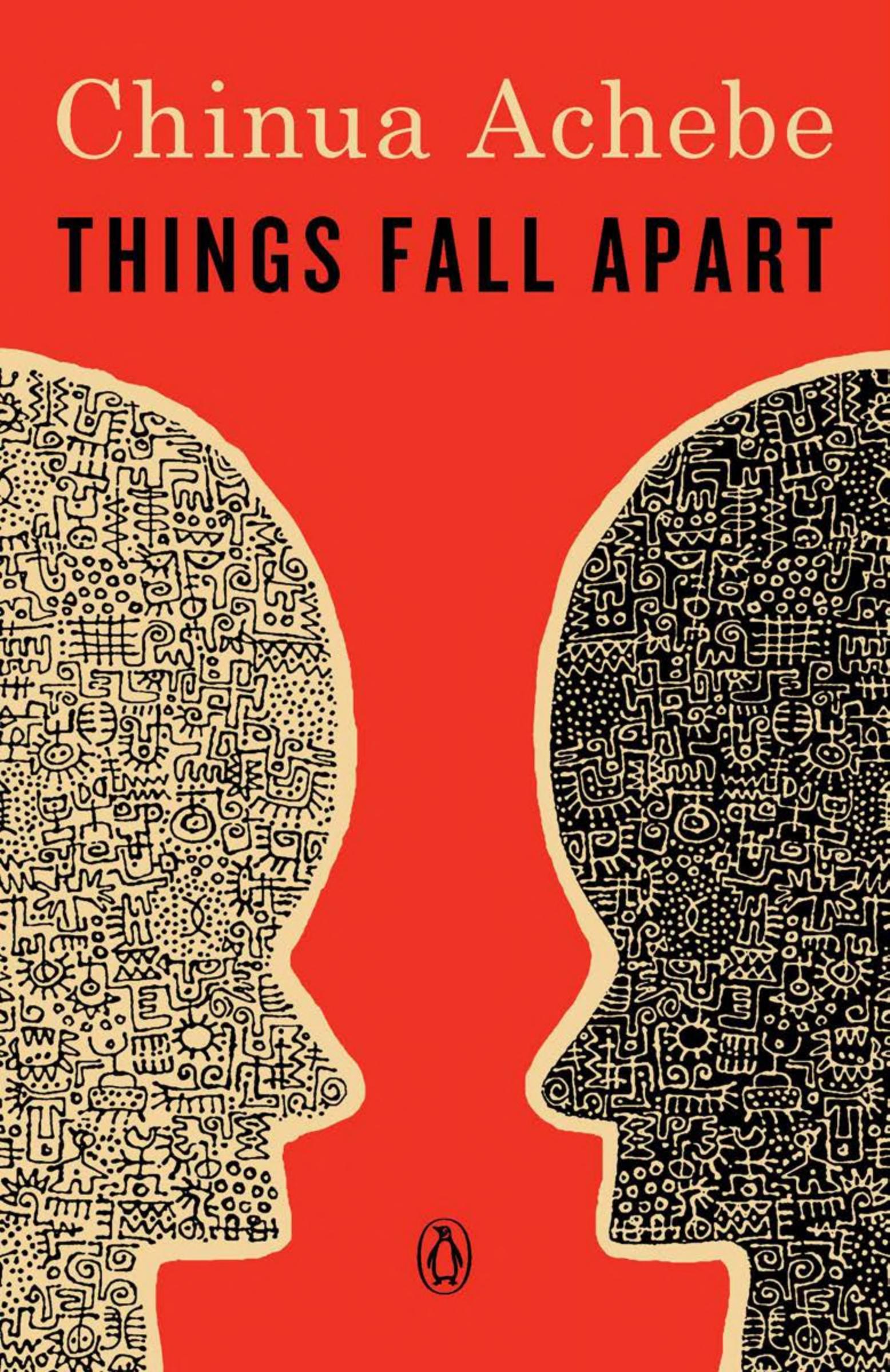
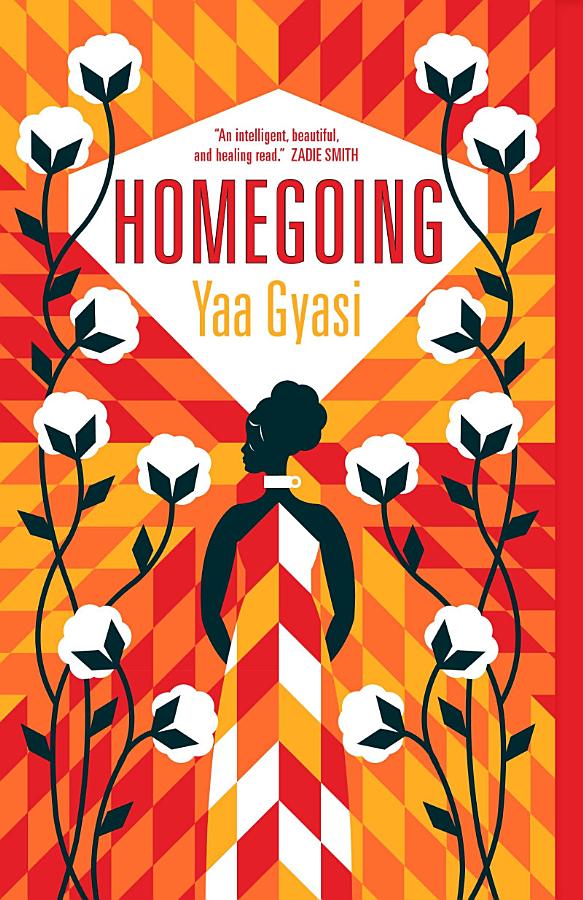
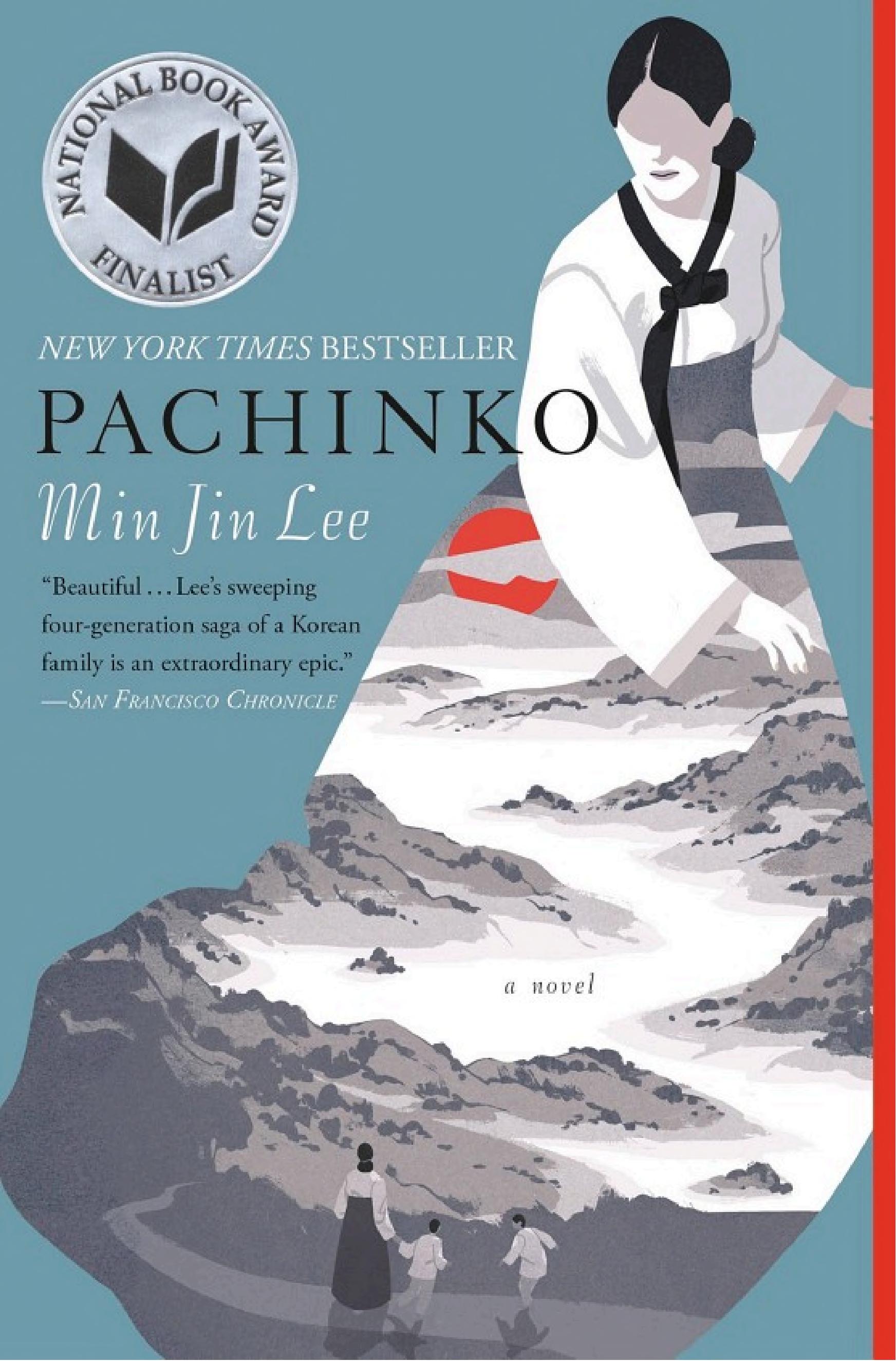
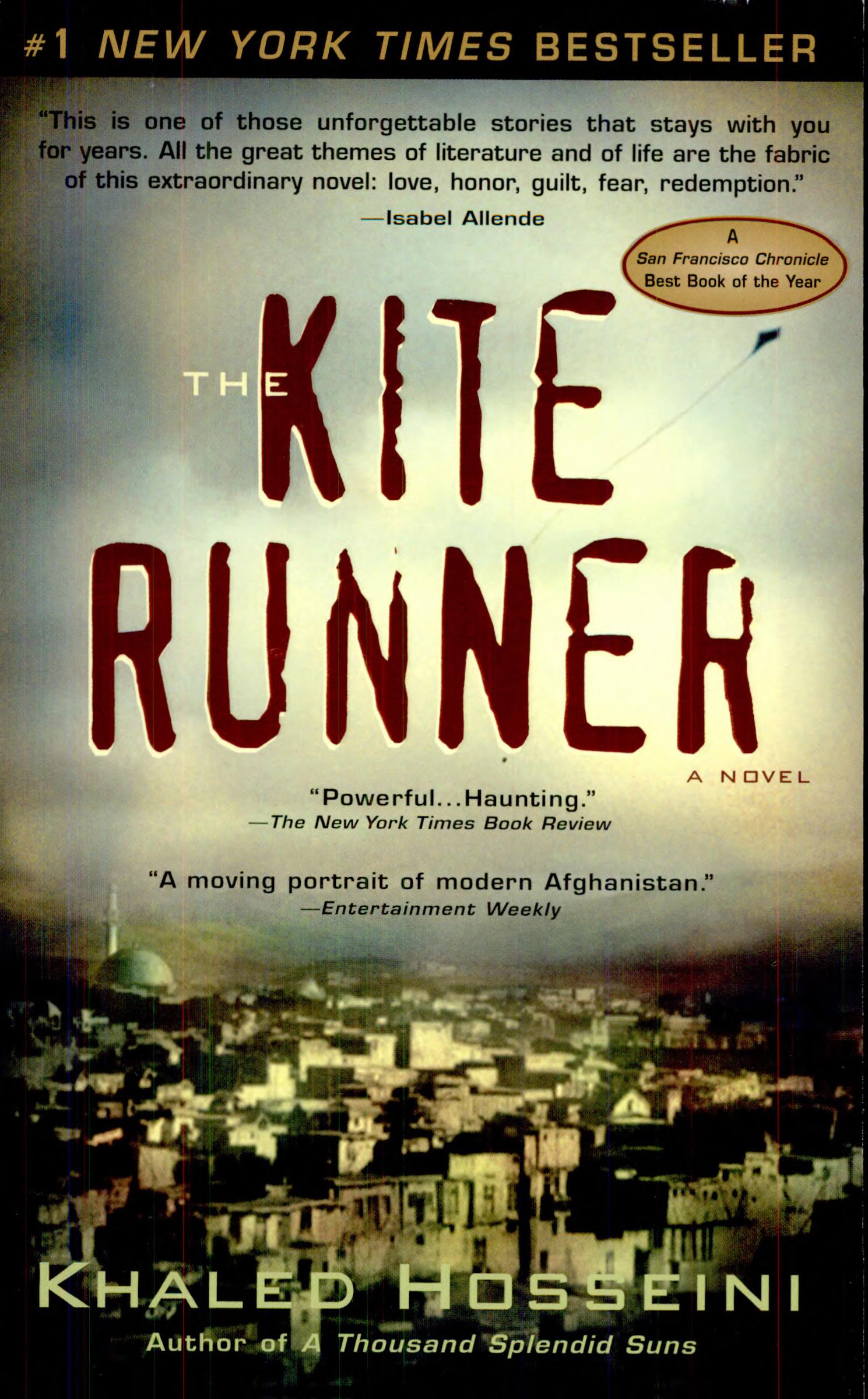
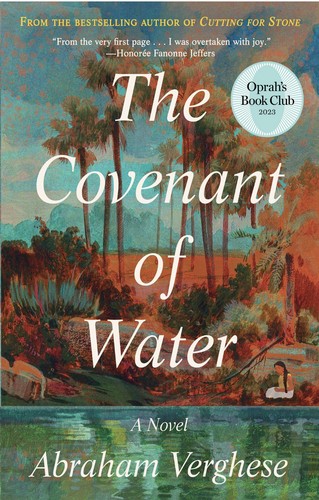
Things Fall ApartChinua AchebeAchebe’s novel is the most direct companion to The Poisonwood Bible: where Kingsolver renders colonialism in the Congo from inside the colonizing family, Achebe renders it in Nigeria from inside the colonized community. Okonkwo’s world — its values, its social structure, its specific texture of daily life — is established with enough completeness that the reader inhabits it before the missionaries arrive, which means the arrival is experienced as a disruption of something real rather than the replacement of a void. This is Achebe’s specific formal achievement and his specific political argument: the world that colonialism destroyed was a world, not an absence waiting to be filled. The essential companion to The Poisonwood Bible. HomegoingYaa GyasiGyasi’s multigenerational novel shares The Poisonwood Bible’s structural ambition: using a family’s trajectory to render historical forces that would otherwise remain abstract. Where Kingsolver uses five voices in one time period to render a specific political moment, Gyasi uses eight generations across two centuries to render the entire arc of the Atlantic slave trade and its aftermath. The intimate scale — each chapter a single person’s life at a specific historical moment — is doing the same work as Kingsolver’s multiple perspectives: making the reader understand history not as a sequence of events but as the accumulated experience of specific people whose specific lives were its material. The most structurally similar novel to The Poisonwood Bible in terms of how it uses family to render history. The God of Small ThingsArundhati RoyRoy’s novel renders caste and colonial legacy in Kerala through a single family’s catastrophe — the Ayemenem house, its residents, and the specific historical moment of 1969 Communist Kerala in which two children witness something that destroys everyone involved. Like Kingsolver, Roy is interested in how large structural forces — caste hierarchy, British colonial legacy, the specific politics of postcolonial India — make themselves felt at the level of individual lives, and specifically at the level of love: who is allowed to love whom, what the cost is of crossing the lines that structure has drawn, and what happens to the people who pay it. The prose is the most lyrical on this list and the novel the most formally compressed; Roy packs into 350 pages what Kingsolver takes 600 to render. PachinkoMin Jin LeeLee’s four-generation Korean-Japanese family saga shares The Poisonwood Bible’s essential structure: a family placed in the full weight of a historical and political situation — in this case, the Japanese colonization of Korea and its multi-generational aftermath — and rendered from the inside with enough specificity that the reader understands the situation not as history but as the texture of daily life under specific conditions. Both novels are organized around the question of what it means to be a foreigner in a place that has decided your presence there is the result of someone else’s decision rather than your own — and what the generations that follow inherit from that originating displacement. The Kite RunnerKhaled HosseiniHosseini’s novel shares The Poisonwood Bible’s interest in the experience of political catastrophe from inside a family that is partly complicit in the conditions that produce the catastrophe. Amir’s privilege in pre-Soviet Kabul is inseparable from the Hazara-Pashtun hierarchy that made Hassan his servant, and the novel is organized around the specific way that privilege shapes a person’s capacity for moral action — and what the cost is of recognizing this too late. Like Kingsolver, Hosseini is interested in what it means to have been on the wrong side of a historical force without having understood that’s where you were, and what the people who were on the right side of the same force experienced that you didn’t. The Covenant of WaterAbraham VergheseVerghese’s Kerala family saga covers ground adjacent to both Kingsolver and Roy — South India across the twentieth century, the specific experience of a Syrian Christian community navigating colonialism, independence, and postcolonial transformation — and uses the same family-as-historical-vehicle structure that makes The Poisonwood Bible so comprehensive. The novel’s three-generation span allows Verghese to show what each generation of the same family understood about their historical moment and what they couldn’t see, which is the specific formal advantage of using a family rather than an individual as the primary unit: the reader gets multiple perspectives on the same historical forces from people who shared an origin but arrived at different understandings of what was happening around them. Who This Is For
Readers who finished The Poisonwood Bible understanding that the five female voices were not a stylistic choice but a structural argument — that the polyphony was the only form adequate to what Kingsolver was rendering — and who want more literary fiction and historical fiction that uses intimate scale to render structural forces with comparable honesty and ambition.
Frequently asked questions
Q: What is The Poisonwood Bible about?
A: A Southern Baptist missionary takes his wife and four daughters to the Belgian Congo in 1959, just before independence, and stays far too long. The novel is narrated in five voices — the wife and each of the four daughters — across decades that take the family from the original mission through the Congo’s postcolonial history and into the present. Kingsolver uses the mission and the family as a vehicle for rendering the full experience of colonialism: what it looked like from inside the colonizers, from inside the colonized community, and from the perspective of history as it unfolded.
Q: Is Things Fall Apart appropriate for readers new to African literature?
A: It is deliberately accessible — Achebe wrote it specifically to counter the representation of Africa in European fiction, including Conrad’s Heart of Darkness, and designed it to be readable by both African and Western audiences without specialist knowledge. At 200 pages it is also the shortest novel on this list. Most readers who approach it with openness find it immediately engaging and find that it challenges their assumptions about what the form of a novel can be.
Q: Which of these is most similar to The Poisonwood Bible in structure?
A: Homegoing is the most structurally similar — both use multiple perspectives across a family’s history to render a historical argument. The God of Small Things is the most similar in lyrical register and in the way it uses a family’s catastrophe to render structural forces. Things Fall Apart is the most direct complement: the same historical subject rendered from the opposite perspective.
Q: What should I read after The Poisonwood Bible if I want more Barbara Kingsolver?
A: Unsheltered is her most recent novel and applies the same structural ambition to American history — alternating between two families in the same New Jersey house in different centuries, connected by their experience of a world whose certainties are collapsing. Flight Behavior is more concentrated and more immediately topical, organized around climate change and a monarch butterfly migration. Both are worth reading; Unsheltered is the closer companion to The Poisonwood Bible in terms of historical and political scope.
Not sure which of these is right for you specifically? The Pagesmith quiz matches you to books based on your mood, pacing preference, and reading goals, not bestseller lists. Takes two minutes.