Parenthood in Fiction: 6 Essential Novels That Don't Sentimentalize It
Fiction about parenthood has an easy version and a harder one. The easy version affirms what parenthood is supposed to be. The harder version is honest about what it actually is: a relationship that transforms both parties in ways they did not choose, that generates love and damage in the same gesture, and that cannot be fully prepared for because the specific person you are responsible for was not knowable in advance.
June 2026 · 7 min read · The Pagesmith
Parenthood is one of literature’s oldest subjects and one of its most consistently sentimentalized. The easy treatment — parenthood as love story, as self-sacrifice, as the thing that makes a life meaningful — is not dishonest exactly, but it is incomplete. The novels here pursue the harder treatment: parenthood as a relationship that generates love and damage in the same gesture, that requires things of people they did not know they had or didn’t have, and that produces in its subjects an experience of helplessness — the specific helplessness of caring desperately about something you cannot control — that no other relationship quite replicates. These novels are essential not despite their difficulty but because of it: they are more useful than the sentimental versions because they prepare the reader for something closer to what the experience actually is.
The sentimental version of parenthood fiction tells you what the experience is supposed to be. The honest version tells you what it actually is — which is more complicated, more frightening, and more worth reading about, because the honest version is what you will actually encounter.
The Books
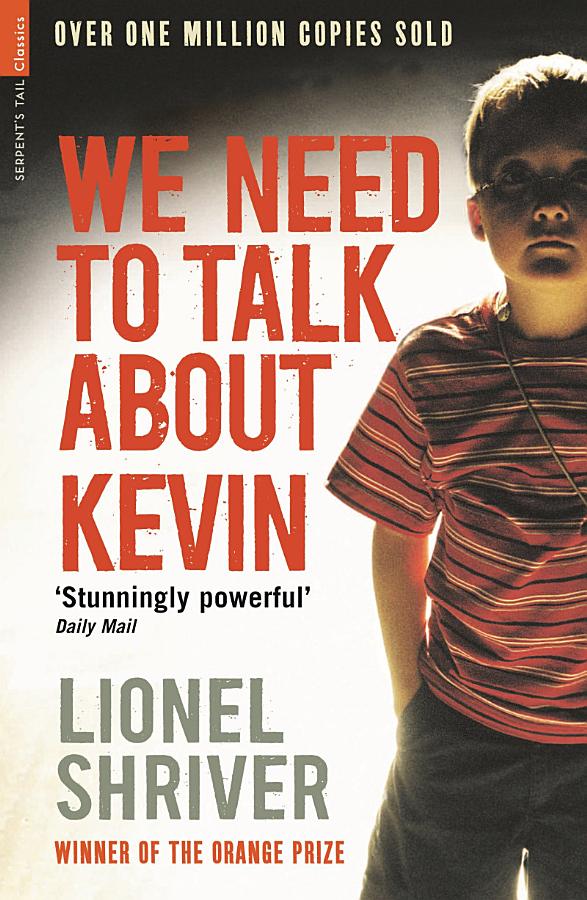
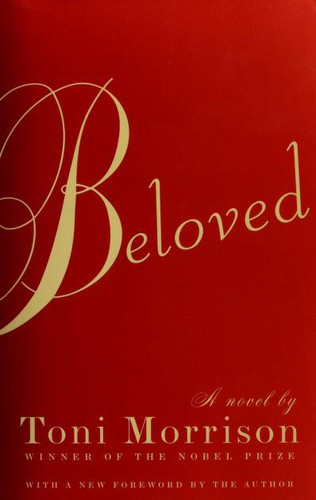
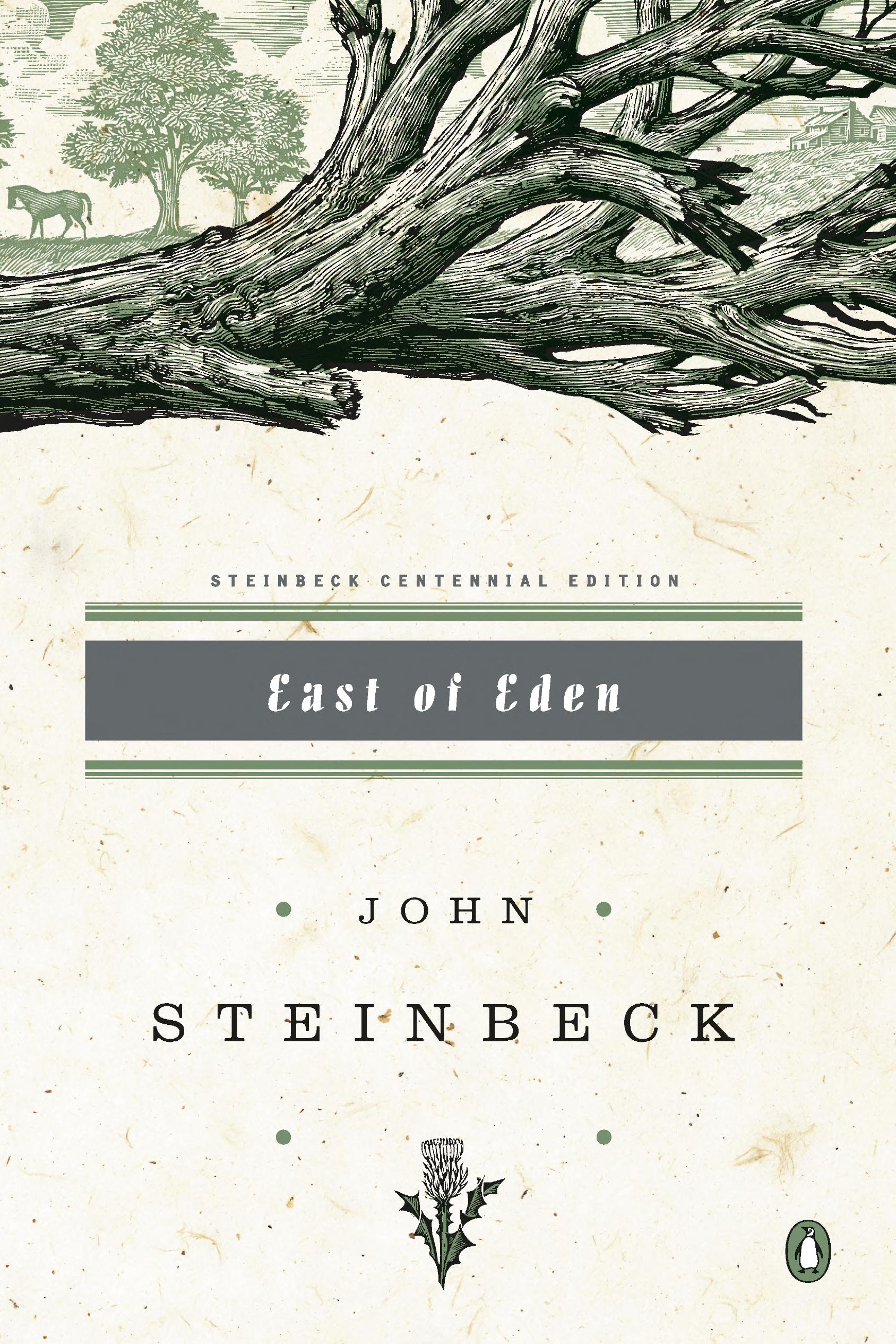
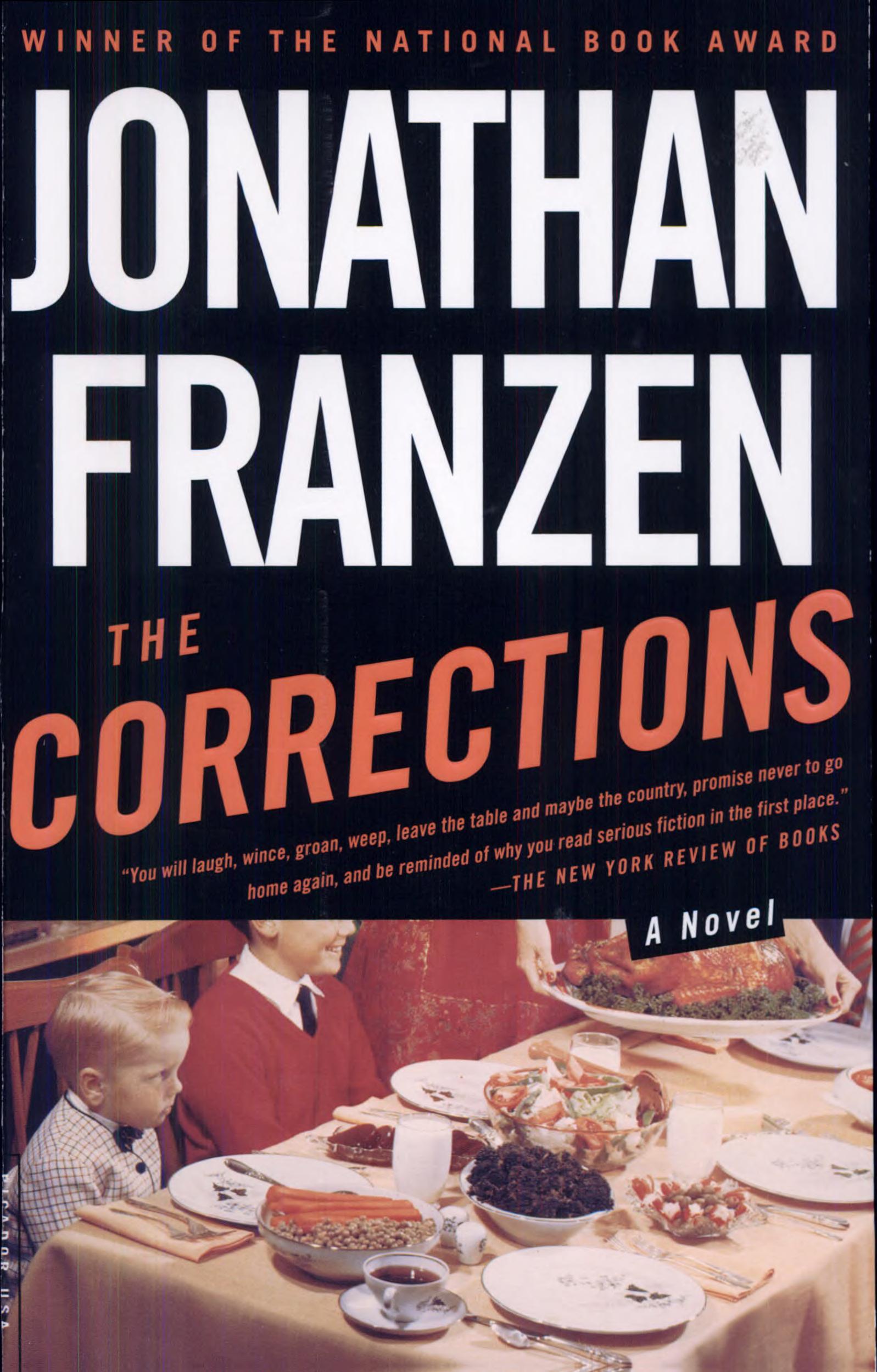
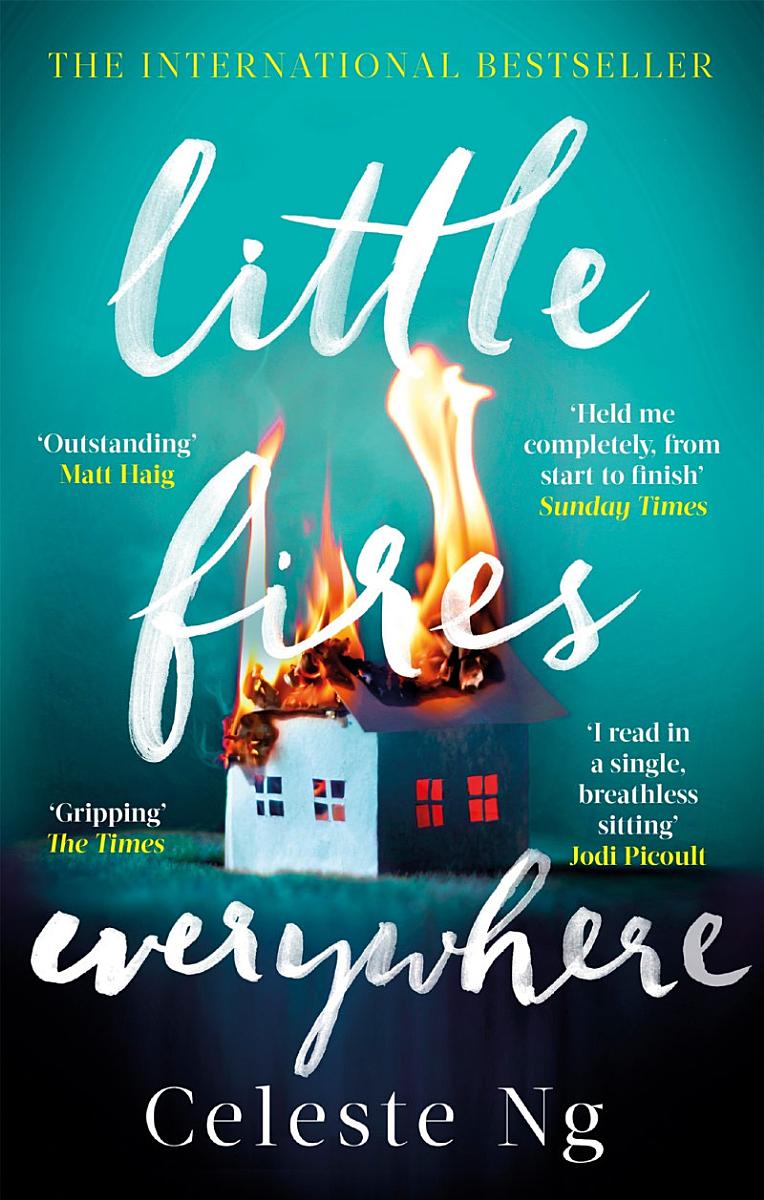
We Need to Talk About KevinLionel ShriverShriver’s novel is the most extreme and the most necessary treatment of parenthood’s hardest question: what do you do when you do not love your child, or when you love a child who becomes capable of something monstrous? Eva’s letters to her absent husband constitute a sustained, unflinching examination of her relationship with Kevin from before his birth through the school shooting he commits, and Shriver refuses every available consolation — neither making Eva simply a bad mother who caused the outcome nor Kevin simply a monster who could not have been different. The novel’s argument is that parenthood imposes a relationship that cannot be guaranteed to be one of love, and that the cultural refusal to acknowledge this is as damaging as any individual failure. Deeply uncomfortable and absolutely essential. BelovedToni MorrisonMorrison’s novel renders the most extreme version of parenthood’s specific helplessness: Sethe’s decision to kill her daughter rather than allow her to be taken back into slavery is the act that organizes everything in the novel, and Morrison treats it with the seriousness it deserves — neither condemning Sethe nor absolving her, but making the logic of the choice fully legible given the specific conditions Sethe was navigating. The novel is the most complete available rendering of what the maternal impulse looks like when it is operating in conditions of maximum extremity, and its argument — that slavery’s deepest violence was the destruction of the parental bond — is made through the specific weight of Sethe’s experience rather than through any statement of it. East of EdenJohn SteinbeckSteinbeck’s novel renders parenthood as a pattern that repeats across generations: the Trask fathers who distribute their attention unequally, producing in the sons they prefer and neglect a cycle of resentment, damage, and repetition that the novel traces across two generations of the same family. The argument is not that parents intentionally harm their children but that the specific dynamic of parental preference — the love that is allocated rather than absolute — produces consequences that outlast any individual intention. The novel’s ethical weight is concentrated in the concept of timshel — the Hebrew word meaning “thou mayest” — which Steinbeck proposes as the key to breaking the cycle: the freedom to choose differently from the generation before you, if you can recognize that you have it. The CorrectionsJonathan FranzenFranzen’s Lambert family novel renders parenthood’s long aftermath: the parents in their old age trying to make corrections to a family they produced imperfectly, and the adult children whose lives have been shaped by a set of dynamics they are only beginning to understand. The novel is organized around what parents transmit to children without intending to — Alfred’s rigidity and Enid’s hunger for social confirmation replicated in the adult children in different and equally costly forms — and what it costs the next generation to recognize those transmissions clearly enough to do something different with them. The most psychologically precise contemporary novel about the parent-child relationship as a multigenerational system rather than a single-generation story. Little Fires EverywhereCeleste NgNg’s novel renders parenthood through the collision of two opposing models: Elena Richardson, who has organized her life and her parenting around rules, stability, and the belief that correct choices produce correct outcomes; and Mia Warren, who has organized hers around artistic freedom and a willingness to prioritize her daughter’s understanding of the world over her protection from it. Neither model is simply right, and Ng is honest about what each costs both the mother and the child. The custody dispute at the novel’s center is the occasion for examining what parenthood requires that neither model can supply alone, and the children’s choices in the novel’s final section are the evidence for which things the parents actually transmitted and which things they thought they were transmitting but weren’t. A Little LifeHanya YanagiharaYanagihara’s novel includes parenthood in the form of chosen parenthood — Harold and Julia’s decision to adopt Jude in adulthood — and renders it as the most complete available portrait in contemporary fiction of what it means to parent someone whose damage is greater than your capacity to repair it. Harold’s love for Jude is full and genuine and entirely unable to undo what was done to Jude before Harold arrived in his life, and the novel is organized around the specific helplessness of loving someone who has been harmed in ways that love cannot access. This is parenthood’s hardest experience rendered at its most extreme, and Yanagihara makes it mean something rather than simply depicting it: the love is the point, even when — especially when — it is not enough. Who This Is For
Readers who are parents and want fiction that takes the experience seriously rather than affirming it; readers who are contemplating parenthood and want something more honest than the available cultural narratives; readers who are the children of difficult parents and want fiction that renders the parent’s perspective with enough complexity to be illuminating rather than simply validating. The literary fiction catalogue has more in this direction.
Frequently asked questions
Q: Is We Need to Talk About Kevin appropriate for parents to read?
A: It is written precisely for parents — its specific horror is only fully available to readers who can imagine the experience of raising a child who becomes capable of mass violence. That said, it is genuinely disturbing and should not be read during a period of anxiety about one’s own children. It is not a comfort read and does not offer reassurance; it offers honesty, which is a different and less immediately pleasant thing.
Q: Is A Little Life’s treatment of parenthood the main focus of the novel?
A: Not the only focus, but a significant one. The novel is primarily about Jude’s life and what he survived, and the chosen parenthood of Harold and Julia is one of the relationships through which the novel examines what care can and cannot accomplish. It is a novel about the limits of love’s ability to repair damage, and parenthood is one of the forms that love takes in it.
Q: What makes the parenthood treatment in Beloved so different from other novels?
A: Morrison is working with conditions — chattel slavery, the specific legal status of enslaved people’s children as property — that make parenthood function entirely differently from how it functions for legally recognized people. Sethe’s act can only be understood within the specific logic of those conditions, and Morrison’s insistence that the reader understand that logic is the novel’s most demanding requirement and its most important one.
Q: What should I read after Little Fires Everywhere if I want more Celeste Ng?
A: Our Missing Hearts is her third novel, more explicitly political, organized around a near-future America in which a law has made certain expressions of cultural loyalty grounds for family separation. It shares Little Fires Everywhere’s interest in what the state and the community claim the right to decide about family, and it is darker and more prescient than her earlier work.
Not sure which of these is right for you specifically? The Pagesmith quiz matches you to books based on your mood, pacing preference, and reading goals, not bestseller lists. Takes two minutes.