Best Books About Mortality That Don't Look Away
Most books about death look away at the crucial moment -- into hope, or transcendence, or the consolation of legacy. The best ones stay. They render the specific texture of being a mortal creature who knows it, and what that knowledge does to the hours that remain. These six don't flinch.
June 2026 · 7 min read · The Pagesmith
Mortality is one of the oldest subjects in literature and one of the most consistently avoided at the crucial moment. A book can spend three hundred pages in the presence of death and still look away at the end — into transcendence, into the consolation of what was left behind, into the reassurance that meaning persists even when the person who was producing it does not. The books here don’t do that. They stay with the specific experience of being a creature who knows it will die, rendering that knowledge in its daily texture rather than reserving it for a climactic moment and then resolving it into comfort. Several of them contain something genuinely like consolation — but the consolation is earned by not flinching first, by staying in the presence of mortality long enough to understand what it actually consists of. These are books for readers who want honesty about the hardest thing there is to be honest about.
The books that take mortality seriously don’t reserve it for the end. They understand that knowing you will die is a continuous condition that shapes every ordinary day — and that fiction which renders that condition honestly is the most useful available for the people who have to live inside it.
The Books
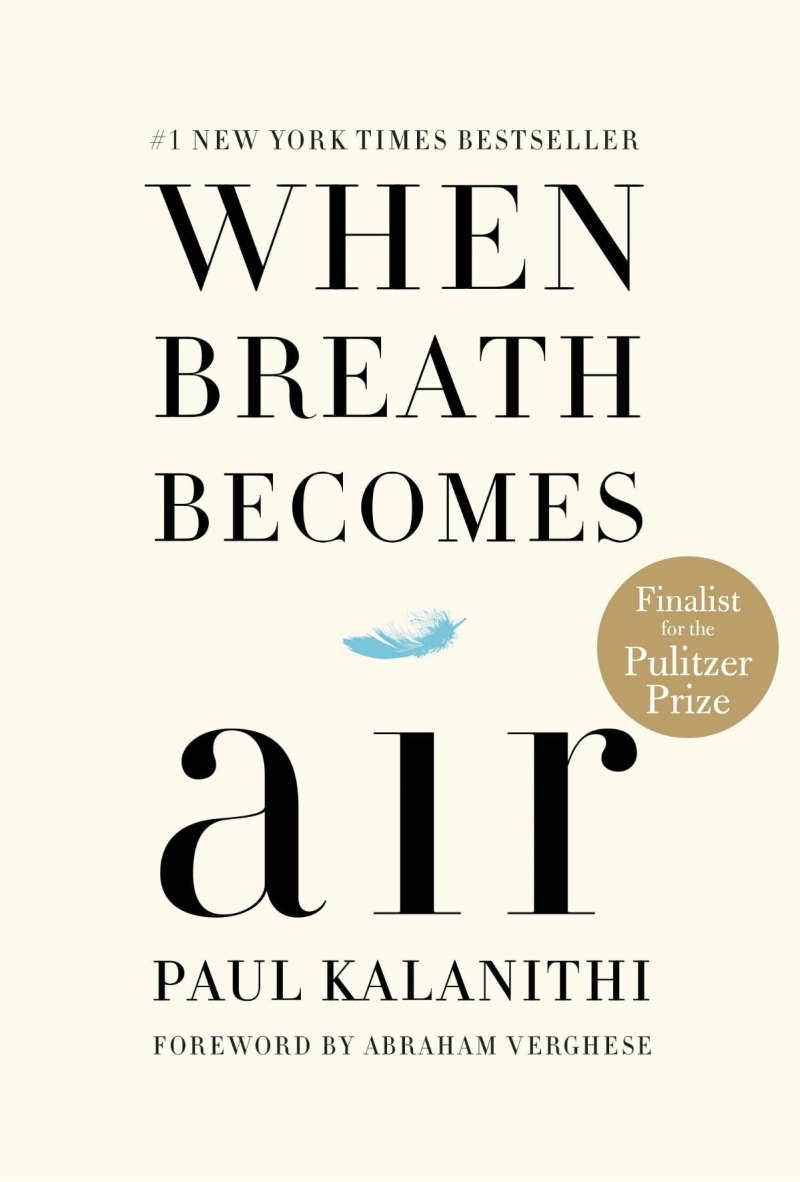
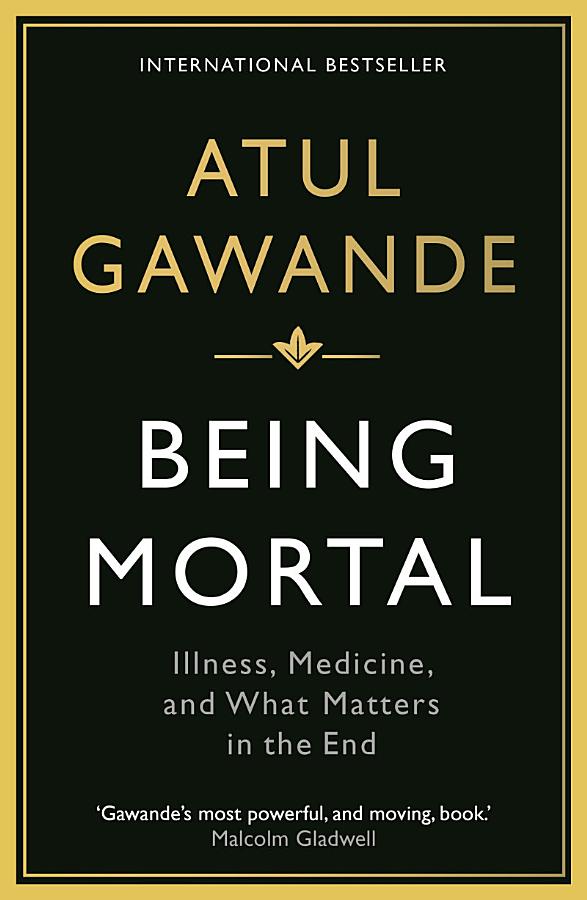
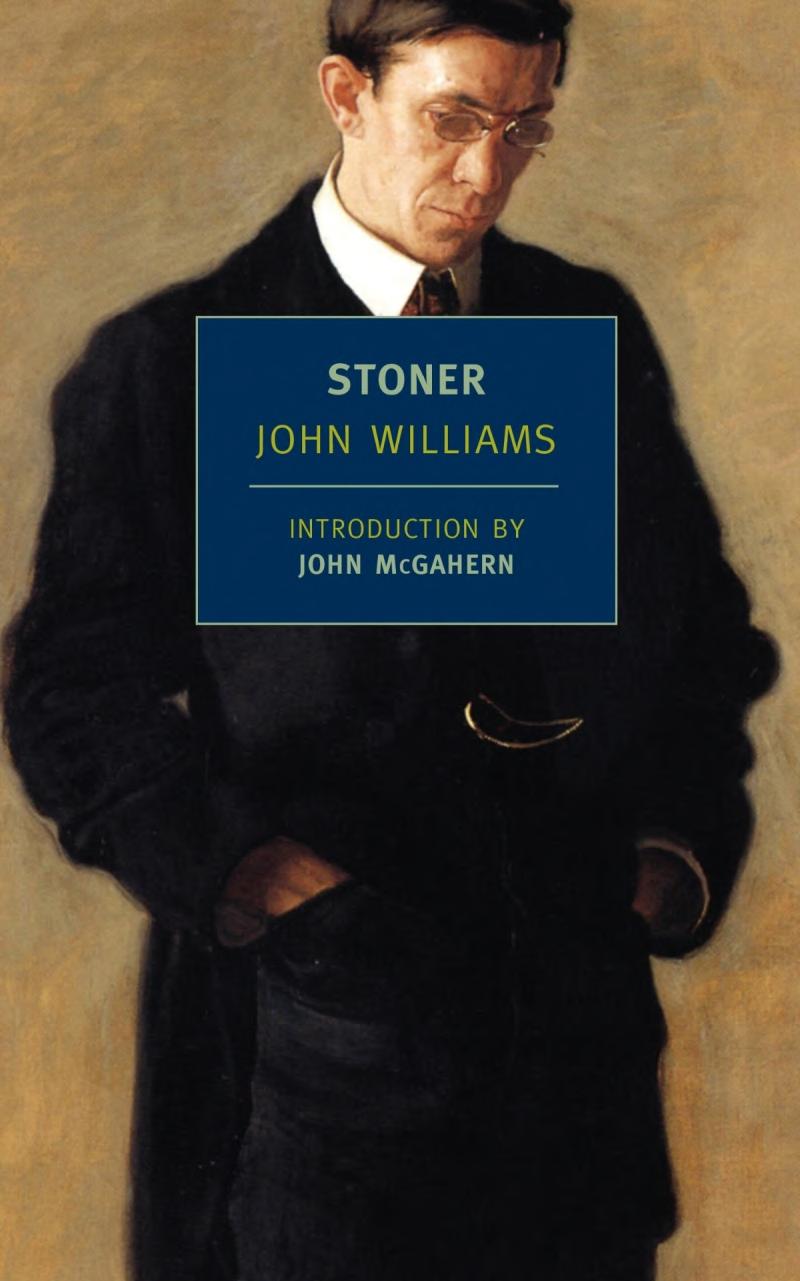
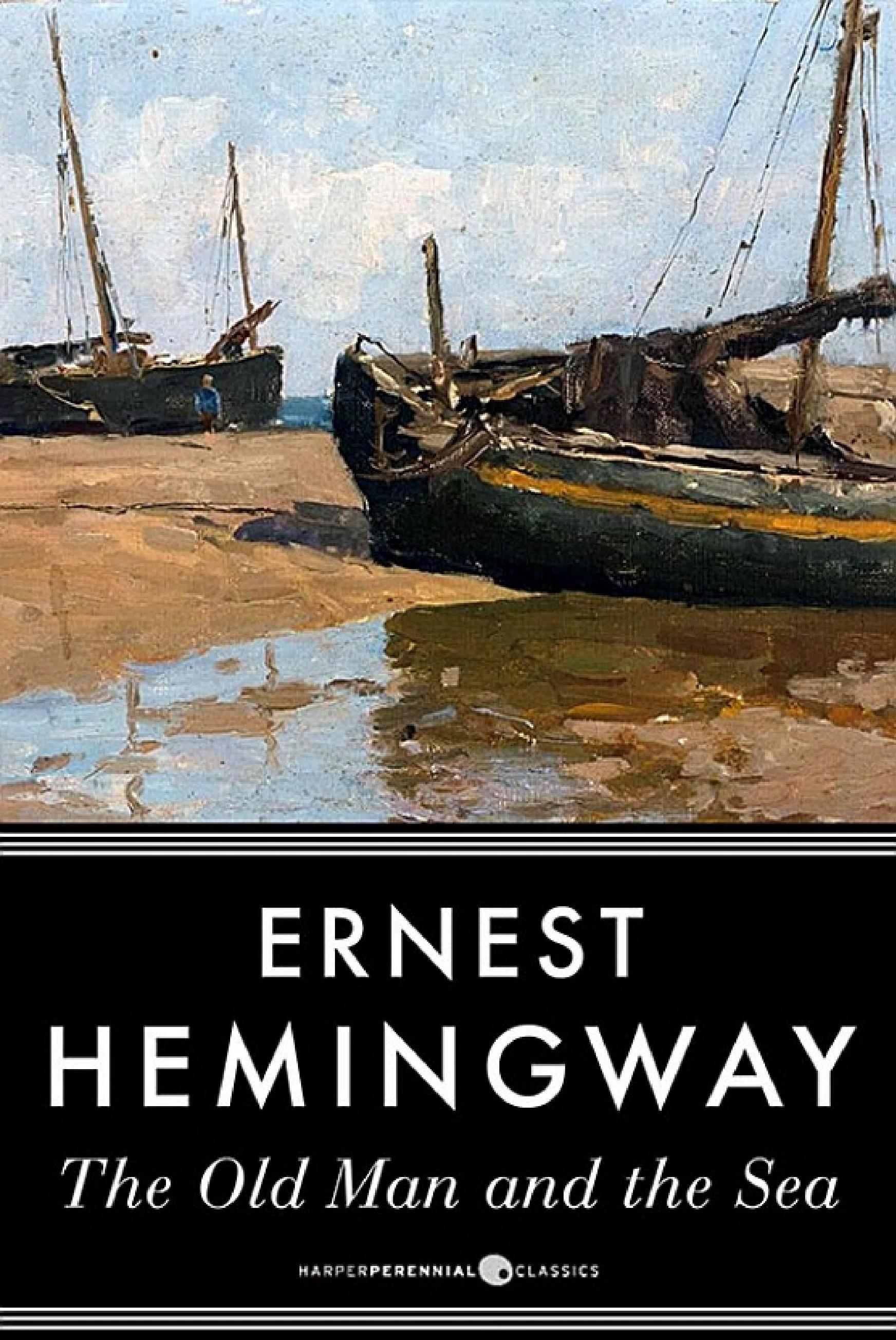
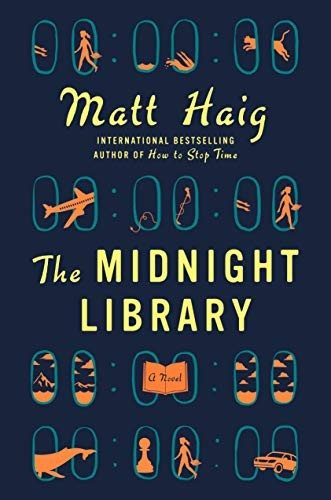
When Breath Becomes AirPaul KalanithiKalanithi’s memoir is the most direct available account of what it is like to be a person who knows, with specificity rather than generality, that their remaining time is measured. Written while he was dying of lung cancer, it is organized around the question most medical and philosophical accounts of mortality avoid: not what death means in the abstract but what you do on Tuesday, and the specific Tuesday after a scan reveals the cancer has spread. A neurosurgeon who had spent his career thinking about consciousness and what makes a life worth living, Kalanithi applies that seriousness to his own situation with enough honesty that the reader comes away understanding what terminal illness is actually like as a continuous experience rather than an event. Being MortalAtul GawandeGawande’s book is organized around an equally urgent question: not what it is like to die, but what the medical system has decided dying should look like, and whether that matches what dying people actually want. His argument — that modern medicine has organized end-of-life care around the prolongation of life rather than the quality of whatever life remains, systematically failing dying people and their families — is made through specific cases rendered with enough clinical and human detail that the abstractions become concrete. The book changed conversations in American medicine. It belongs here because it takes mortality seriously as a subject that the people responsible for managing it have, on the whole, failed to think about clearly. StonerJohn WilliamsWilliams’s novel is the fullest available rendering of mortality as a continuous condition rather than a terminal event: Stoner’s life is rendered from birth to death in prose that gives equal, patient attention to every part of it, producing the quiet fact of its end as something that shapes how the reader attends to every ordinary moment. The novel’s final pages, in which Stoner holds a copy of his single scholarly book while dying, are among the most honest in fiction about what it means to be a person who made something and is now leaving — not the transcendent version but the actual version, which includes the uncertainty about whether any of it mattered and the inability to know. The Remains of the DayKazuo IshiguroIshiguro’s novel is about mortality in its most specifically temporal form: the remains of the day are the remaining years of Stevens’s life, and his motor trip is organized around what to do with what is left. Stevens is not dying medically; he is simply old enough that the future is now definitely shorter than the past, and Ishiguro renders what that situation does to a consciousness that has not previously allowed itself to evaluate its own choices. The scene by the pier, where his composure briefly breaks, is the novel’s direct encounter with mortality — the recognition of a life lived in a particular way that cannot now be lived differently. Ishiguro earns it by refusing that directness for the three hundred preceding pages. The Old Man and the SeaErnest HemingwayHemingway’s novella achieves what almost no other short work manages: a complete encounter with mortality rendered through a fishing trip. Santiago is old, alone, and past his prime; his three days with the marlin are the fullest use of his remaining capacities; and the marlin’s loss — taken by sharks on the return — is not a defeat in any conventional sense but a demonstration that Santiago did the thing completely regardless of what remained at the end. The novella is about what dignity means in the presence of inevitable decline, and Hemingway finds it in effort and attention rather than outcome — the most honest place to find it, and the one that doesn’t require looking away. The Midnight LibraryMatt HaigThe most hopeful entry on this list, and the one that earns that hope by not avoiding the confrontation. Nora’s encounter with the library of unlived lives is not an escape from mortality but a confrontation with it — the discovery that no alternate life would have made her immune to difficulty, that the question is not which life is worth living but what relationship to the specific life she has. Haig finds consolation in mortality rather than despite it, which is a more demanding and more useful kind of hope than the kind that simply reassures. The most accessible book on this list for readers who need honesty but also need to come through it toward something. Who This Is For
Readers who want books that engage honestly with mortality as a daily condition rather than resolving it into comfort or transcendence — who are dealing with their own aging, with a serious diagnosis, or with the deaths of people they love, and who want fiction and nonfiction that stays in the difficulty rather than managing it. The nonfiction and literary fiction catalogues have more in this direction.
If you are currently experiencing suicidal thoughts or a mental health crisis, please reach out to the 988 Suicide and Crisis Lifeline by calling or texting 988. These books approach mortality with care, but talking to someone is always the right first step.
Frequently asked questions
Q: Is When Breath Becomes Air uplifting despite its subject?
A: It is honest rather than uplifting in the conventional sense. Kalanithi does not pretend his situation is other than what it is, and the memoir ends unfinished because he died before completing it, with his wife’s epilogue completing the book. Many readers describe it as one of the most meaningful books they’ve read precisely because it doesn’t reach for uplift; the meaningfulness comes from the honesty.
Q: Is Being Mortal only relevant for people who are personally dealing with end-of-life situations?
A: No — most readers report finding it important regardless of their immediate circumstances. It changes how people think about aging, about what they want from their own eventual end-of-life care, and about how to support people they love through illness. Reading it before you need it is more useful than reading it when you’re in the middle of a crisis.
Q: Why is Stoner described as being about mortality when it’s usually categorized as a novel about academic life?
A: Because the novel is structured around a complete human lifespan rendered from outside with full knowledge of its end, which means the reader is always aware of mortality as the fact organizing the narrative even when the subject is a departmental dispute or a marriage. Williams refuses to make Stoner’s death either climactic or meaningful in a conventional sense, which is the most honest thing about the novel.
Q: What should I read after The Midnight Library if I want more Matt Haig?
A: Reasons to Stay Alive is his memoir about his own experience of depression and anxiety, written in a similar register of honesty-toward-hope. Notes on a Nervous Planet extends the same interest to the contemporary conditions that produce anxiety. Both are shorter than The Midnight Library and more directly practical.
Not sure which of these is right for you specifically? The Pagesmith quiz matches you to books based on your mood, pacing preference, and reading goals, not bestseller lists. Takes two minutes.