The Best Family Saga Novels That Earn Their Scale
The family saga is fiction's most ambitious structural form: a cast of dozens across generations, each life shaped by the one before it, all of it adding up to something that no single character's story could carry alone. The best ones justify their length by making the accumulation the argument. These six do that.
June 2026 · 7 min read · The Pagesmith
The family saga is the largest available structure in literary fiction, and it is regularly misused in both directions: reduced to soap opera through the prioritizing of incident over meaning, or inflated to false profundity through the assumption that scale alone produces significance. The six novels here avoid both failures because in each of them, the multigenerational structure is not a stylistic choice but a structural necessity. Gyasi’s argument about slavery and colonialism cannot be made by any single life — it requires eight generations before the reader can feel the accumulated weight of what she is demonstrating. Steinbeck’s argument about free will and inherited pattern requires at least two generations for the repetition to become visible as repetition. The length in all of these books is the argument: what could not be said in a shorter form is being said here because the form is adequate to the subject in a way that a shorter form would not be.
The family saga earns its scale when the length is the argument — when what the novel is demonstrating about how one generation shapes the next, and the next, and the next, could only be demonstrated across the full arc of time the novel actually covers. Anything less would be a shorter argument, and a lesser one.
The Books
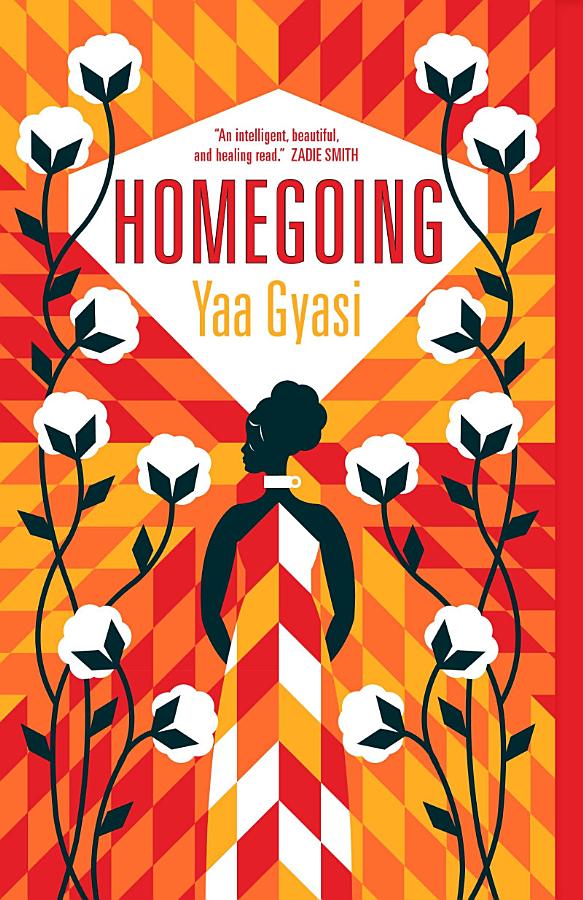
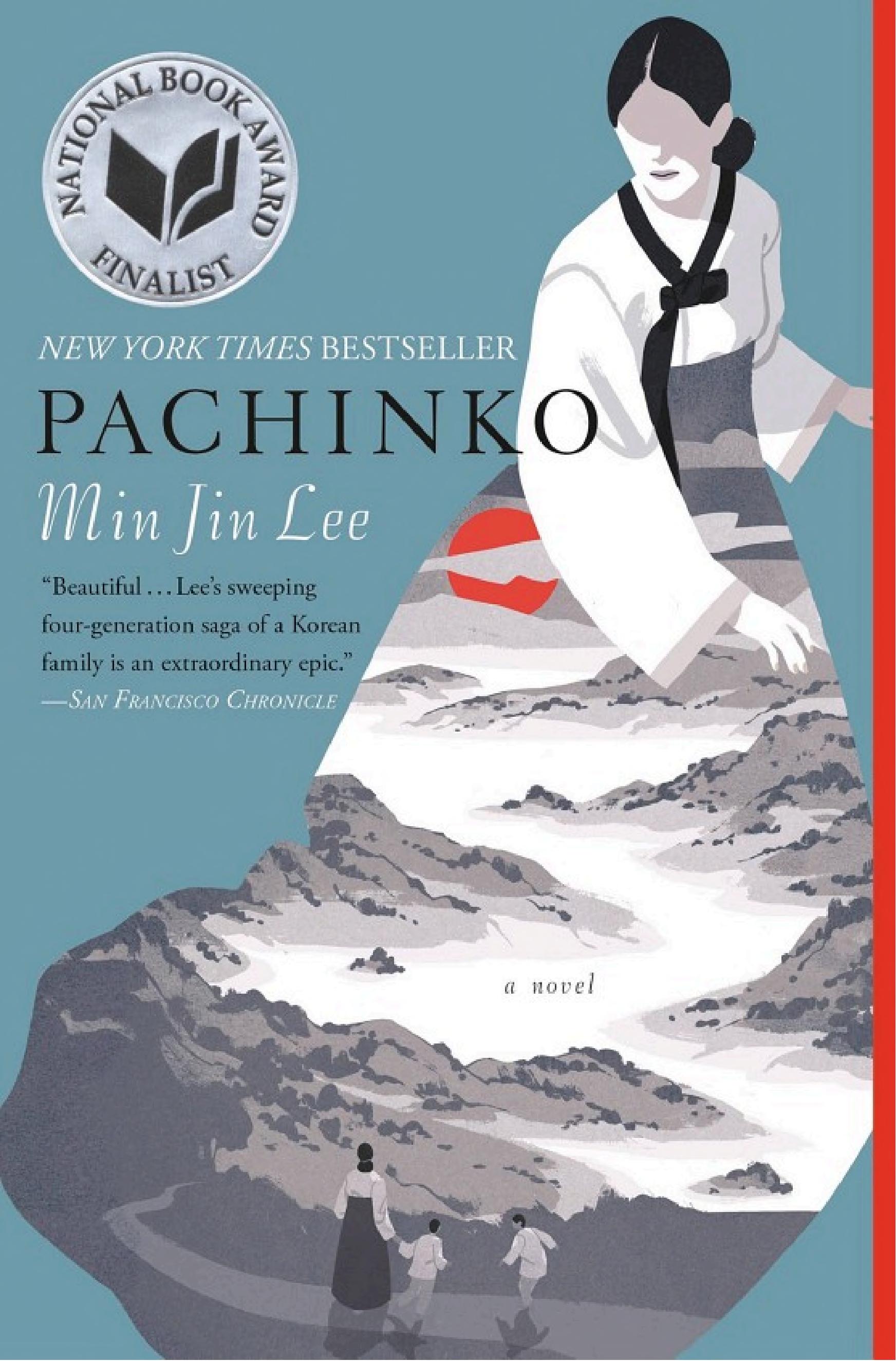
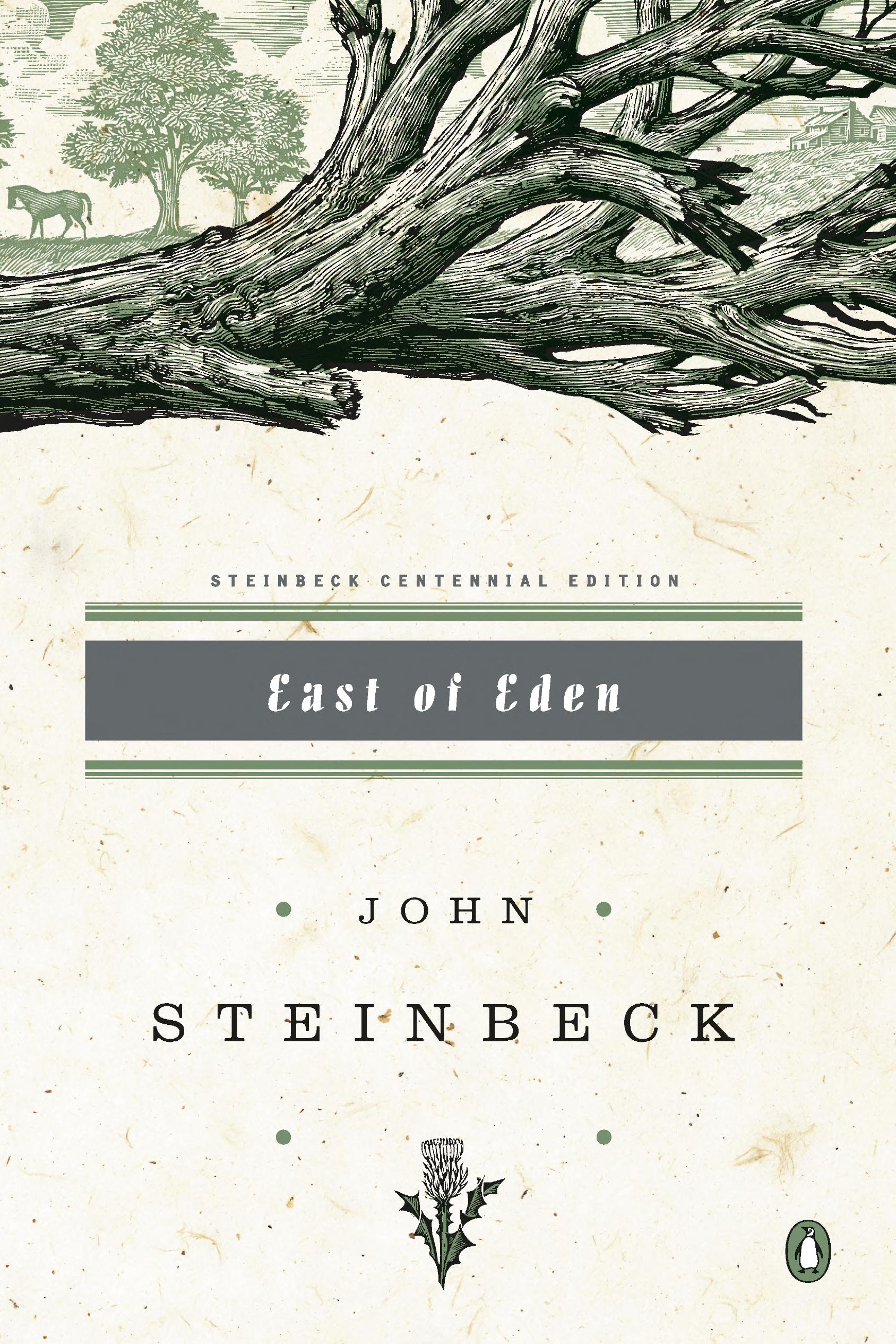
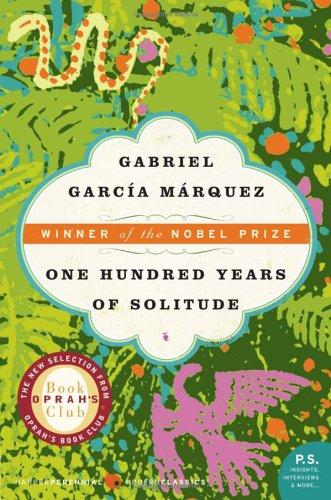
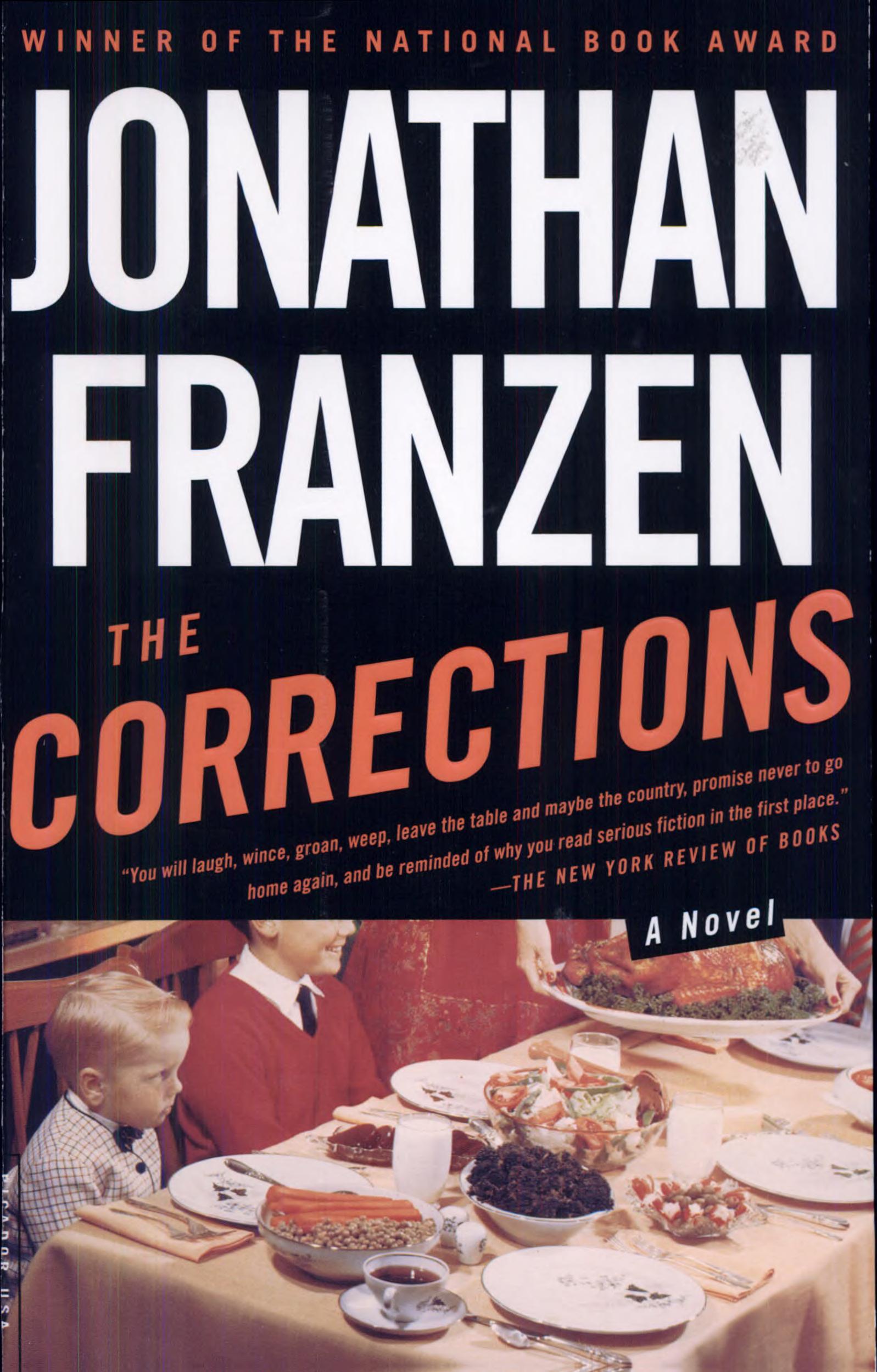
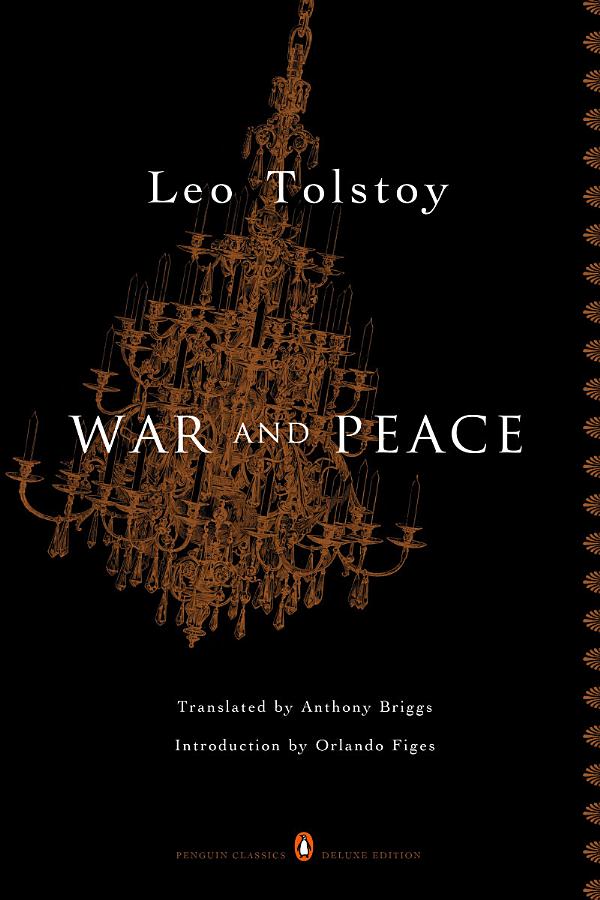
HomegoingYaa GyasiThe most formally precise family saga on this list: eight chapters, eight generations, two family lines tracing the consequences of slavery and colonialism across three centuries and two continents. Gyasi’s structural argument is explicit — each generation inherits what the previous generation survived, and the accumulated inheritance is what the present consists of — and the form makes it visible in a way that no single life’s perspective could. Each chapter is a complete portrait of a specific person at a specific historical moment; the whole is an argument that none of the parts could make alone. The most unambiguous example available of why the family saga form exists. PachinkoMin Jin LeeLee’s four-generation Korean-Japanese saga uses the family to render the multigenerational experience of the Zainichi Korean community in Japan — the specific legal and social position of a community that has been in Japan for generations and remains classified as foreign. Each generation of Sunja’s family responds differently to the same structural condition, and Lee is interested in how the response changes across generations: what the first generation endured, what the second generation resisted, what the third generation internalized. The scale reveals what any single generation could only experience as personal circumstance rather than historical pattern. East of EdenJohn SteinbeckSteinbeck’s saga requires two generations for its argument about inherited pattern to be visible: the Trask fathers’ unequal attention to their sons produces the same dynamic in the sons’ generation, and the repetition is what makes the pattern legible as pattern rather than as individual misfortune. Without the second generation’s echo, the first generation’s story is a family drama; with it, the novel can make its argument about free will, inherited behavior, and the specific Hebrew word timshel — the permission to choose differently. Steinbeck uses the family saga’s scope to turn a personal story into a philosophical argument about whether the pattern is destiny or choice. One Hundred Years of SolitudeGabriel Garcia MarquezGarcia Marquez uses the family saga to make a specifically mythological argument about time: the Buendia family’s recurrence of names, obsessions, and catastrophes across seven generations is the formal evidence for the novel’s claim that time is cyclical rather than progressive, that history repeats not metaphorically but literally. No shorter form could demonstrate this — the repetition only becomes visible across the full arc of seven generations, and it only becomes mythological rather than coincidental because of the cumulative weight of the repetitions across all of them. The family saga here is not the container for a story about a family; it is the formal argument about time itself. The CorrectionsJonathan FranzenFranzen’s Lambert family novel is a family saga compressed into a single generation — parents and their adult children — but achieves the form’s essential argument within that compression: each of the Lambert children has become who they are partly in reaction to what Alfred and Enid Lambert produced in them, and each of them is engaged in the process of “making corrections” to a family script they didn’t write. The novel is organized around how families transmit their patterns and what the next generation does with the inheritance, which is the family saga’s central subject even across a much smaller time span. The most contemporary and most domestic family saga on this list. War and PeaceLeo TolstoyTolstoy’s novel is not primarily a family saga but uses multiple interconnected families — the Rostovs, the Bolkonskys, the Bezukhovs — across fifteen years and one of the most consequential periods in Russian history to make an argument about the relationship between individual lives and historical forces. The family structures here are the human scale at which history is experienced: battles are experienced through specific people with specific family histories, and the fate of Russia during the Napoleonic Wars is rendered through the fates of people whose families the reader has come to know as intimately as their own. Tolstoy uses multiple families simultaneously to show what no single family could show: the full range of how one historical catastrophe was lived. Who This Is For
Readers who want fiction organized around the accumulation of time — who are interested not just in individual lives but in how lives shape the lives that follow them, and in the specific quality of understanding that can only be achieved by watching multiple generations of the same family navigate the same structural conditions. The literary fiction and historical fiction catalogues have more in this direction.
Frequently asked questions
Q: What distinguishes a family saga from an ordinary multigenerational novel?
A: The distinction is whether the multiple generations are the argument or the container. A novel with multiple generations that is really about one central character or one central event is a multigenerational novel; a family saga is specifically organized around showing how each generation is shaped by the one before it, and what accumulates across the full span. In the books here, the scale is the point rather than the vehicle.
Q: Is The Corrections really a family saga when it only covers one generation?
A: It covers one generation in the present but is organized around the patterns the previous generation transmitted — Alfred and Enid’s marriage and their specific forms of damage are the inheritance the adult children are working through. The family saga’s essential argument (how parents shape children in ways that outlast any individual life’s understanding) is fully present even within the more compressed timeframe.
Q: Which of these is the most accessible starting point for readers new to the form?
A: Homegoing is structurally the clearest, with each chapter serving as a complete short story while adding to the larger argument. Pachinko is the most propulsively plotted. The Corrections is the most contemporary in style and the most compressed in timeframe.
Q: What should I read after One Hundred Years of Solitude if I want more Latin American family sagas?
A: Love in the Time of Cholera by the same author takes a different approach — a single love story across fifty years — rather than a full family saga, but shares Garcia Marquez’s relationship to time and memory. Isabel Allende’s The House of the Spirits is the closest structural equivalent: a multigenerational Chilean family saga with similar magical realist elements.
Not sure which of these is right for you specifically? The Pagesmith quiz matches you to books based on your mood, pacing preference, and reading goals, not bestseller lists. Takes two minutes.