The Books That Know You Can Never Really Go Home
Thomas Wolfe was right about this. The place doesn't change enough, or you've changed too much, or both, and the gap between the home that exists in memory and the home that exists in reality is where some of the most honest fiction has been written. These six books understand that gap from the inside.
June 2026 · 8 min read · The Pagesmith
Return is a different experience from arrival. Arriving somewhere for the first time, you bring only yourself and your expectations; returning, you bring all the weight of what the place was and what it meant, which creates a specific friction against what you actually find when you get back. The friction can be geographic — the neighborhood changed while you were away — or personal — you changed while the neighborhood stayed the same — or political, or historical, or simply temporal, the ordinary divergence of lives that moved in different directions while you were apart. The novels here are all organized around some version of this friction. They understand that “going home” is an act that carries enormous psychic weight and almost never produces what it promises, not because the place fails but because the relationship between person and place is asymmetric in time: you cannot step into the same river twice, and when you step into the same house you find that it has become a house full of people who remember you as you were rather than people who know you as you are.
The specific grief of return is not that the place has changed. It is the discovery that even if the place is exactly as you left it, you are not — and that the person who left and the person who returns have different relationships to what they find there, which means the home they left no longer exists in any form that can be returned to.
The Books
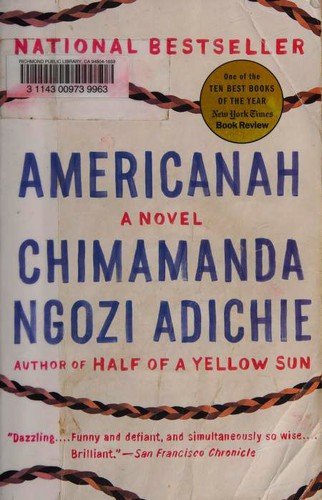
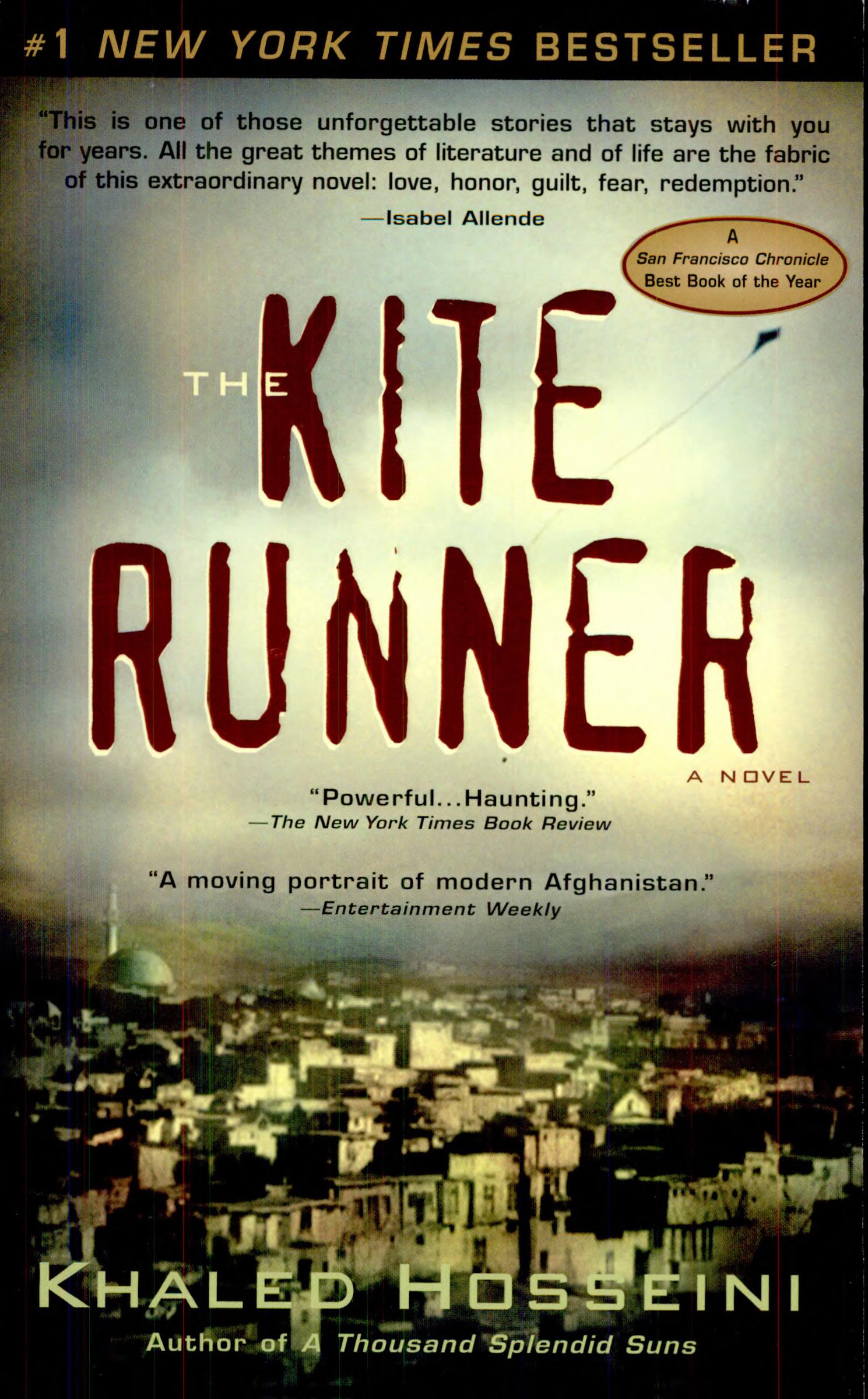
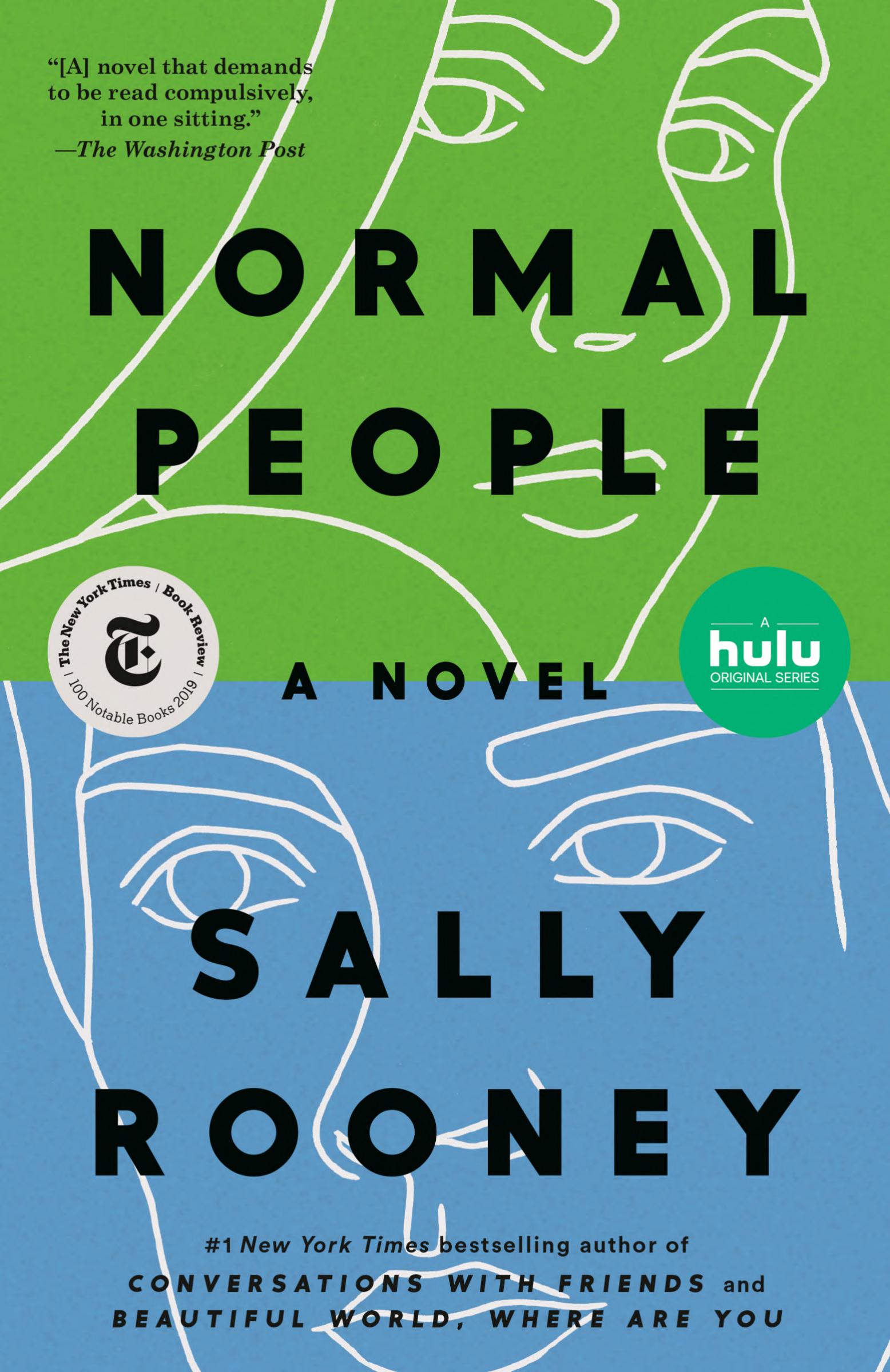
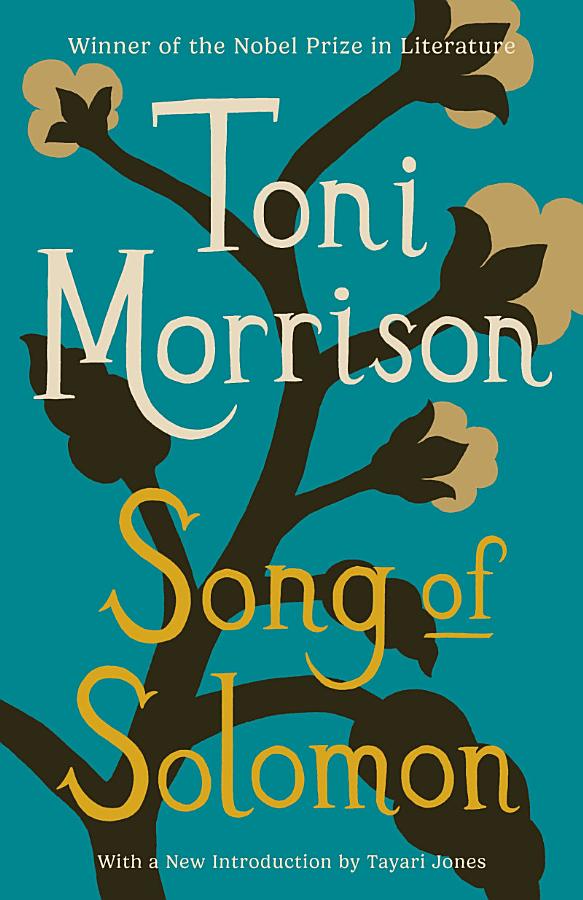
AmericanahChimamanda Ngozi AdichieAdichie’s novel renders the return from outside the novel’s primary immigration narrative: Ifemelu spent years in America becoming someone who sees Nigeria from a specific external angle, and her return to Lagos is organized around the discovery that the angle has become permanent. She is not the same person who left, and Lagos is not the Lagos of her memories — it is a real place that has continued developing without reference to her absence — and the meeting of these two changed things is what the novel’s final section is about. Adichie is precise about what specifically has changed: not that home has become foreign but that Ifemelu has become foreign to it, which is a different and more unsettling experience. The Kite RunnerKhaled HosseiniAmir’s return to Afghanistan is the most structurally complex act of return on this list because it is both a return to a physical place and a return to a self he abandoned in the alley when he failed Hassan — which means the place he is returning to no longer exists (the Taliban’s Afghanistan is not the Kabul of his childhood) and the person he is trying to return to is also gone. Hosseini is honest about both losses: the country Amir loved is not the country he finds, and the redemption he seeks cannot undo what happened. But the return is still necessary, not because it will achieve what it promises but because not returning is its own permanent damage. The most emotionally direct version of the thesis on this list. Normal PeopleSally RooneyRooney’s novel organizes its central relationship around a recurring pattern of departure and return — Connell and Marianne repeatedly separate, change, and come back together to find that the distance has altered the terms of what they are to each other. The geographic home (their town in Sligo) is also the emotional home they keep returning to and departing from, and Rooney is precise about what each return reveals: that both of them have changed during the absence, and that the person you return to is never quite the person you left. The novel’s ending — uncertain, qualified, honest about what the next departure will mean — refuses the consolation of a homecoming that simply resumes what was interrupted. Song of SolomonToni MorrisonMorrison’s novel is organized around a return of a different kind: Milkman Dead’s journey south to recover his family’s history, which takes him backward through the generations toward a community and a story he never knew he had lost. The home Milkman is returning to was never his home — he was born in the North into a family that had severed its connection to the South — and the return is therefore also a discovery: of an inheritance that was always his and that he was never given. Morrison’s specific rendering of what it means to go back to a place that was home before you were born — to recover a history rather than to revisit a personal past — makes this the most distinctive version of the return theme on this list. The Poisonwood-BibleBarbara KingsolverThe Price daughters’ relationship to their American “home” — the place they left as children when their father took them to the Congo — is organized around the specific form of return that cannot happen: the Congo changed them in ways that made returning to America not a homecoming but an arrival in a foreign place. Kingsolver renders this in the daughters’ divergent adult lives: some return to America and find it strange, some never return, some return to the Congo instead and find that the Congo is their real home now, and all of them carry the specific damage of having had their understanding of “home” broken at the precise age when it was being formed. The most devastating version of the theme on this list. MilkmanAnna BurnsBurns’s Booker Prize-winning novel approaches the home-that-cannot-be-left from the opposite direction: a young woman who cannot leave the Northern Irish community she was born into, which is itself organized around the absolute enforcement of belonging. The unnamed narrator’s inability to depart is as much about home as any act of return — if you are never allowed to leave, the question of what home means becomes as urgent as if you left and cannot return. Burns renders the specific psychological conditions of a community that has organized itself around belonging as control, and what it does to a person’s sense of self when home is not a choice but a cage. The most formally and politically distinctive treatment of the theme on this list. Who This Is For
Readers who have experienced the specific grief of return — going back to a place or a person and finding that the gap between what you remembered and what you found is too large to bridge — and who want fiction that understands that experience with enough precision to feel like recognition rather than description. The literary fiction catalogue has more in this direction.
Frequently asked questions
Q: Why is the return so often more complicated than the departure in fiction?
A: Because departure is organized around a future that is open — you are going toward something you don’t yet know. Return is organized around a past that is closed but which has been changed by your absence: the place continued without you, and so did you without the place, and the meeting of these two diverged things is where the difficulty lives. Departure is a movement toward possibility; return is a reckoning with what time actually did.
Q: Is Milkman specifically about Northern Ireland, and does that context need to be understood?
A: The novel is clearly set in Northern Ireland during the Troubles, though Burns never names the place or the period explicitly. Some background knowledge adds texture, but the novel’s central concerns — belonging, surveillance, the violence of community norms, what it costs to assert individuality in a context that punishes it — are fully legible without specialist knowledge.
Q: Is The Poisonwood Bible’s treatment of the return to America specifically political?
A: Yes — Kingsolver is interested in what happens to Americans who have spent formative time in a country that the United States government helped destabilize, and what it means to “return” to the comfort of American life once you understand the price of that comfort. The novel is explicitly anti-colonial in its politics, and the daughters’ varying relationships to America after the Congo are all shaped by their different ways of processing that political reality.
Q: What is Song of Solomon’s relationship to the broader African American literary tradition of return?
A: Morrison’s novel is in explicit dialogue with the tradition of the Great Migration — Black Americans who moved north from the South in the early twentieth century — and with the specific meaning of return for people whose connection to the South was inseparable from the history of slavery. Milkman’s journey south is also a journey into a history that the migration north had severed, and the flight mythology that ends the novel is Morrison’s engagement with the African American tradition of imagining return as something more than geographic.
Not sure which of these is right for you specifically? The Pagesmith quiz matches you to books based on your mood, pacing preference, and reading goals, not bestseller lists. Takes two minutes.