Best Books About Obsession
Obsession is one of fiction's most productive engines because it externalizes interiority -- what a character is fixated on tells you more about them than almost anything else, and the gap between what they think the obsession is about and what it's actually about is where the best novels about it do their work.
June 2026 · 7 min read · The Pagesmith
Obsession is an engine literature returns to constantly, and for good reason: what a person cannot stop thinking about is the most accurate map of who they are and what they are missing. Ahab’s whale is not a white whale; it’s the specific form his need for mastery and meaning has taken in the absence of any other adequate object. Gatsby’s light across the bay is not Daisy; it’s his belief that the past can be recovered and the self can be reinvented sufficiently to deserve what it once lost. The obsession always points to something else, and the gap between what the obsessed person believes they want and what the obsession is actually serving is where the best novels about it locate their meaning. The six novels here are all organized around obsessions that are psychologically precise — specific enough to reveal character, clear enough in their misdirection that the reader sees what the obsessed character cannot.
The obsession in the best fiction is always about something else. What the character cannot stop thinking about is the displaced form of a deeper need they haven’t found language for yet — and the novel’s work is making that gap visible without ever stating it directly.
The Books
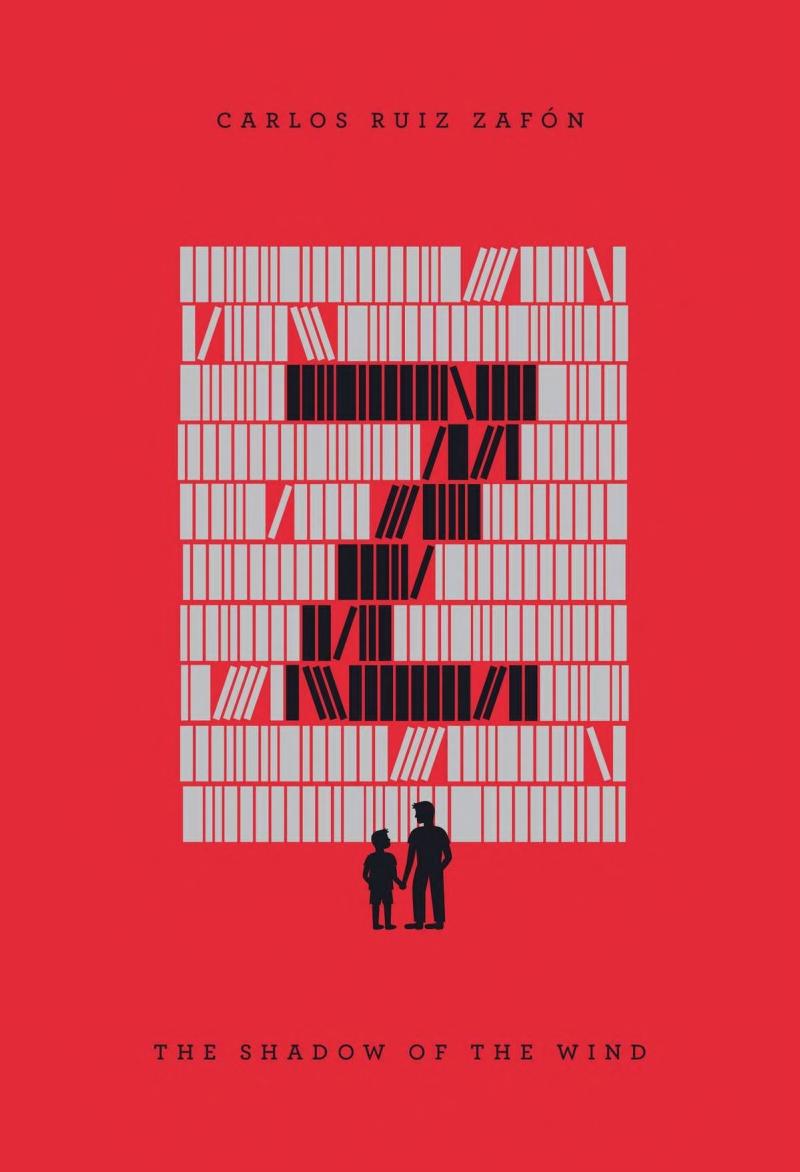
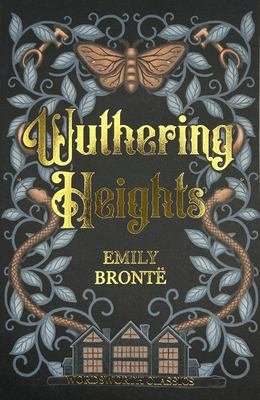
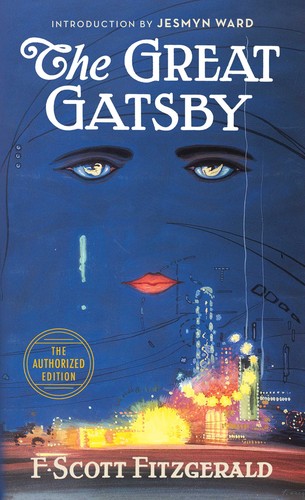
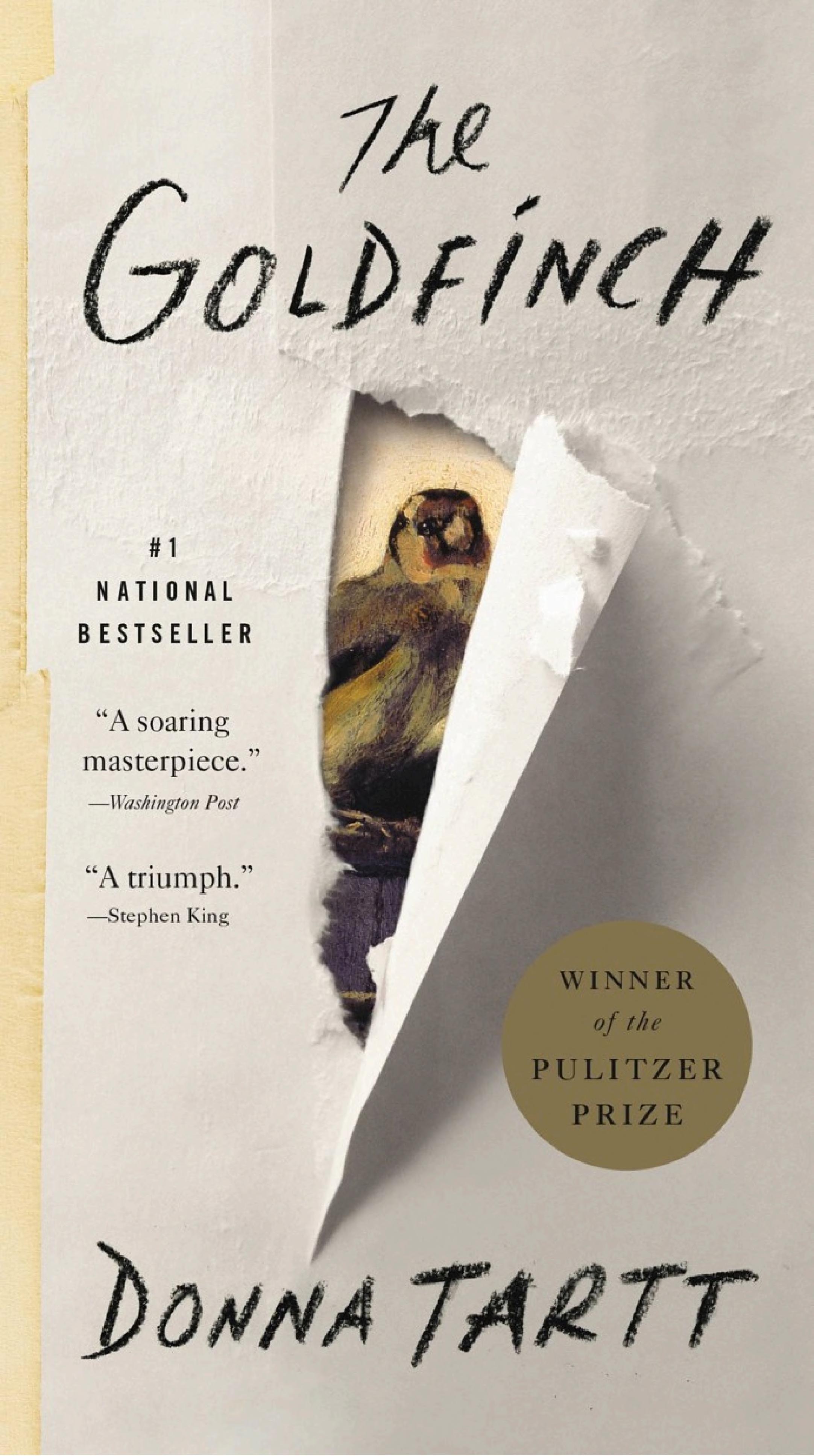
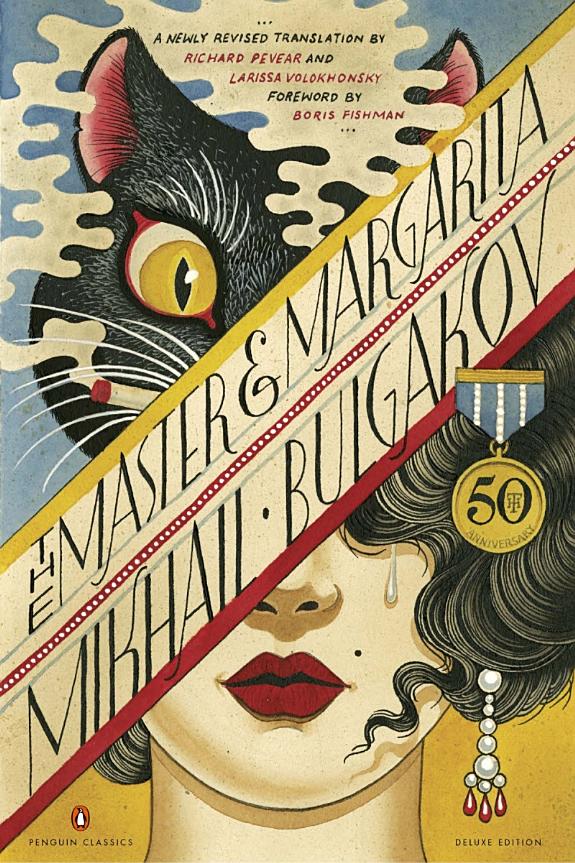
The Shadow of the WindCarlos Ruiz ZafonDaniel Sempere’s obsession with the forgotten novel he finds in the Cemetery of Forgotten Books is, at its surface, a literary mystery — who is the author, why have all copies been destroyed? But Zafon makes clear that the obsession is really about Daniel’s relationship to his own developing identity, his father, and the romantic and historical forces that produced the book and its author. The novel he cannot stop pursuing is a mirror that shows him things about himself and his city — post-Civil War Barcelona, where the past has also been suppressed and hunted — that direct inquiry would not reveal. The obsession is doing epistemological work that nothing else could do as efficiently. Wuthering HeightsEmily BronteHeathcliff’s obsession with Catherine — and with the class humiliation that kept him from her and that Hindley Earnshaw imposed — is the novel’s entire engine across two generations. Bronte is precise about what the obsession has replaced: Heathcliff cannot fully desire anything else because Catherine and the loss of her have consumed the entire space where ordinary human desire would develop. The novel is honest about the cost of this — the obsession destroys everything it touches, including Heathcliff himself — while also being honest that the obsession is comprehensible, produced by real grievances against real people. The most complete portrait of romantic obsession as a destructive total system in English literature. The Great GatsbyF. Scott FitzgeraldGatsby’s obsession with Daisy is really an obsession with the version of himself that could deserve Daisy — the self he constructed through reinvention and through wealth accumulated by unspecified means. Fitzgerald understands that what Gatsby is pursuing is not Daisy exactly but the proof that the past is recoverable and the self is infinitely malleable given sufficient will. The obsession is about control over time and identity; Daisy is the form it takes because she represents a specific historical moment when the self Gatsby was constructing seemed on the verge of being adequate to his desire for it. The novel’s tragedy is that the obsession’s object is not Daisy at all, and Daisy cannot know this. LolitaVladimir NabokovNabokov’s novel is the most formally sophisticated treatment of obsession in this list because the novel itself is the product of Humbert’s obsession — his account of Dolores Haze is constructed to serve his self-justification rather than to render her reality, and Nabokov makes this visible through a prose style so beautiful and so precisely wrong that the attentive reader can perceive the child Humbert has erased in the process of writing her. The obsession is the form the novel takes, not simply its subject, and reading it requires simultaneously experiencing the seduction of Humbert’s prose and recognizing what that seduction is concealing. One of the most technically demanding novels in this list and one of the most ethically serious despite — or because of — its subject. The GoldfinchDonna TarttTheo Decker’s obsession with the Fabritius painting he takes from the bombed museum is organized around the same displaced grief that characterizes the obsessions in Gatsby and Wuthering Heights: the painting is not what he actually wants, but it’s the closest available container for what he actually lost. Tartt is precise about what the painting does for Theo — how it functions as a secret, a connection to his mother, a proof of continuity with the moment before everything changed — and equally precise about the cost of an obsession built on an act of theft and sustained through decades of concealment. The novel earns its length by giving the obsession room to develop into something more complicated than a fixation and less resolvable than a simple attachment. The Master and MargaritaMikhail BulgakovThe Master’s obsession with his novel about Pontius Pilate — which he burns in despair when the Soviet literary establishment refuses it, and which survives as the manuscript at the center of Bulgakov’s own novel — is an obsession with truth-telling in a society organized around sanctioned lies. Bulgakov renders this through the only available vehicle in his circumstances: a fantastical novel he could not publish in his lifetime, which makes the book itself the obsession’s most complete expression. The Master’s fixation is not simply on his work but on the specific human compulsion to bear witness to something true when the surrounding world has made truth-telling dangerous and even functionally impossible. Who This Is For
Readers who want fiction that uses a character’s fixation as a precision instrument rather than a dramatic device — who are interested in what obsessions reveal about the people who hold them, and in the gap between what an obsessed character believes they want and what the obsession is actually serving. The literary fiction catalogue has more in this direction.
Frequently asked questions
Q: Is Lolita appropriate to read given its subject matter?
A: Nabokov’s novel is a serious literary work that requires, and rewards, a reader who can hold the seductiveness of the prose and the horror of what the prose is concealing in mind simultaneously. It is not a comfortable read and should not be. Critics who have praised it most highly have consistently emphasized that the novel’s moral seriousness lies precisely in what it demands of the reader’s attention. It is not for readers who want to be carried along; it is for readers prepared to read against the grain of a narrator they cannot trust.
Q: What makes Gatsby’s obsession specifically interesting rather than just romantic love?
A: Because Fitzgerald makes clear that Gatsby is not actually in love with Daisy as a person — he barely knows her, and the novel shows the real Daisy to be someone whose voice “sounds like money,” whose appeal is entirely about what she represents rather than who she is. The obsession is with a symbol and with a moment in the past, not with a relationship in the present, which is what makes its eventual failure both inevitable and genuinely sad.
Q: Is The Master and Margarita accessible to readers without Soviet history background?
A: Largely yes — the satirical targets are often vague enough by now that specific historical knowledge adds texture without being required. The Pontius Pilate chapters and the fantastical Moscow chapters work on their own terms. Readers who know the Stalin-era Soviet literary establishment get additional resonance, but it’s not necessary.
Q: What should I read after The Shadow of the Wind if I want more Carlos Ruiz Zafon?
A: The Angel’s Game, The Prisoner of Heaven, and The Labyrinth of the Spirits complete the Cemetery of Forgotten Books tetralogy, all set in the same Gothic Barcelona with overlapping characters. They can be read in any order but reward reading the original first for context.
Not sure which of these is right for you specifically? The Pagesmith quiz matches you to books based on your mood, pacing preference, and reading goals, not bestseller lists. Takes two minutes.