Best Books About Revolution and Resistance That Haven't Lost Their Anger
The best books about resistance understand something the worst ones don't: that the act of resistance is always organized against something real, and that real thing needs to be rendered with enough specificity that the anger of the resistors makes sense. These six books haven't lost that anger, and they haven't let it become abstract.
June 2026 · 6 min read · The Pagesmith
Political fiction has a failure mode at both ends: the novel that simply endorses the resistance without rendering what it’s resisting, and the novel that renders the oppression so completely that resistance seems impossible. The books here avoid both failures. Each of them takes seriously both what is being resisted and the specific conditions under which resistance is attempted. Orwell’s 1984 is not a book that makes resistance seem easy; it’s a book that makes the reader understand exactly why it is so difficult, and what makes it necessary anyway. Achebe’s Things Fall Apart does not present colonialism as something Igbo society could simply repel; it renders both the colonized world’s genuine worth and the forces that destroyed it. The anger in these books has not become abstract — it is directed at specific things, and the reader comes away understanding exactly what those things are.
The political novel that serves its subject is not the one that confirms what the reader already believes. It’s the one that makes the reader understand the specific conditions that produce both the oppression and the resistance — which is harder and less comfortable than simple affirmation, and considerably more useful.
The Books
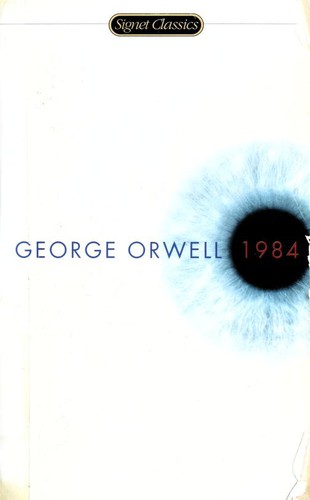
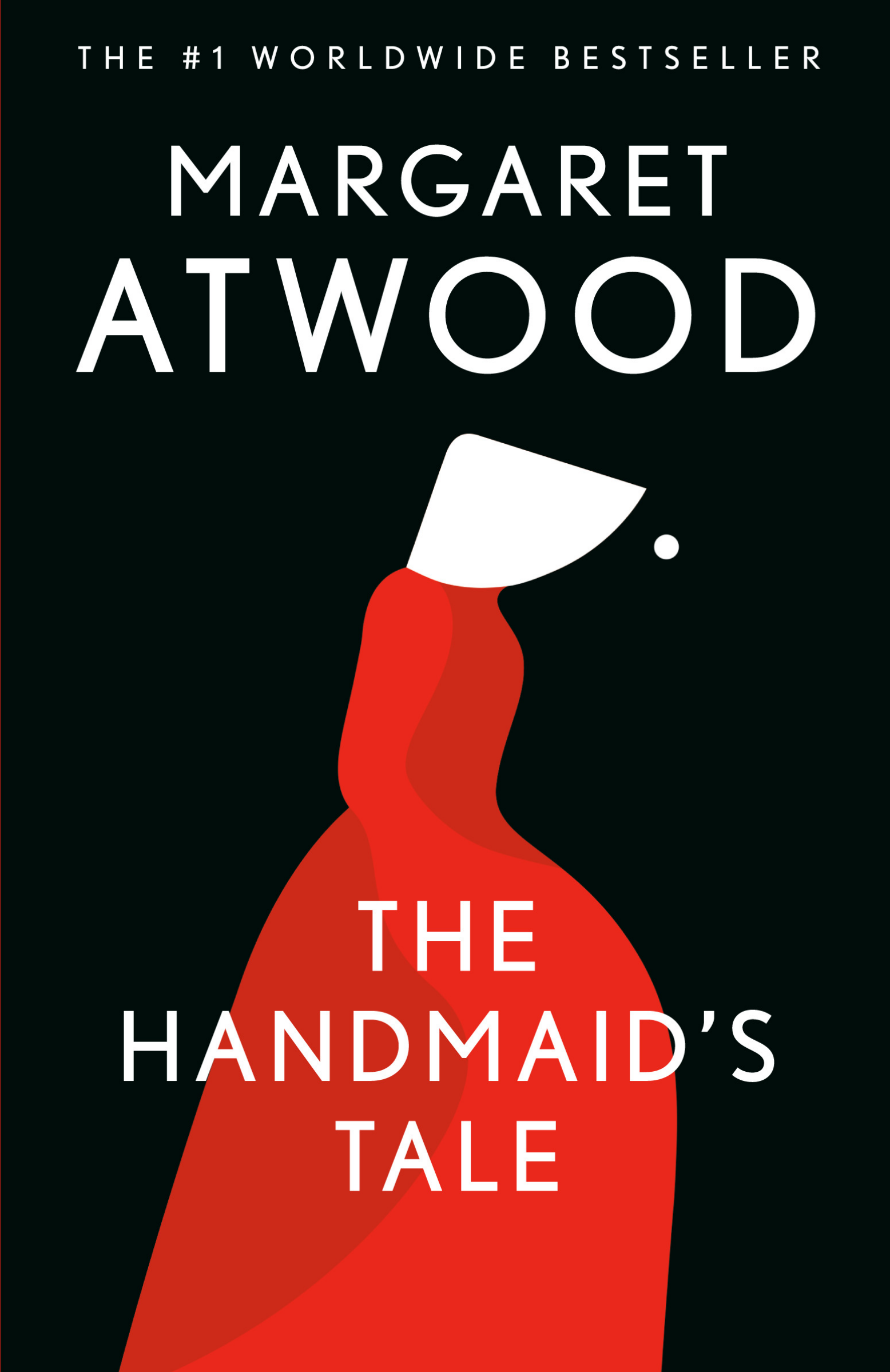
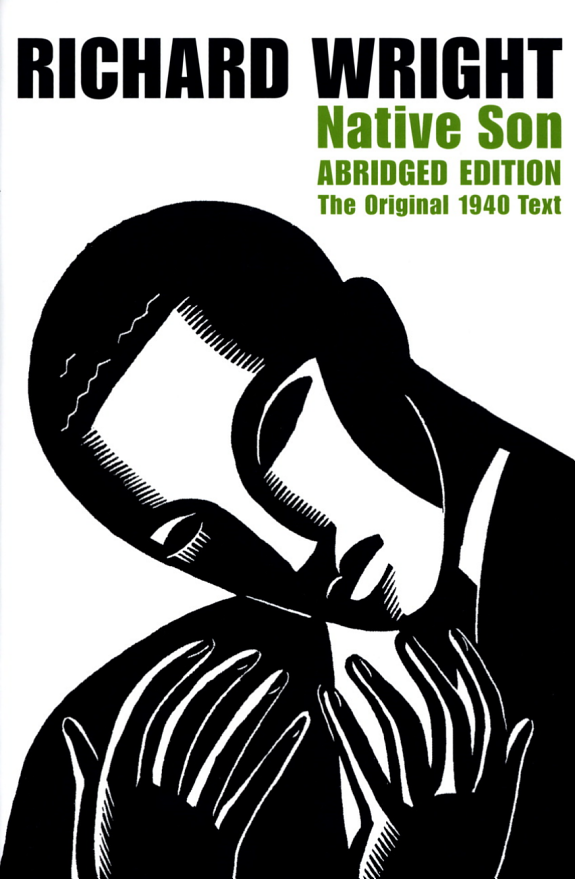
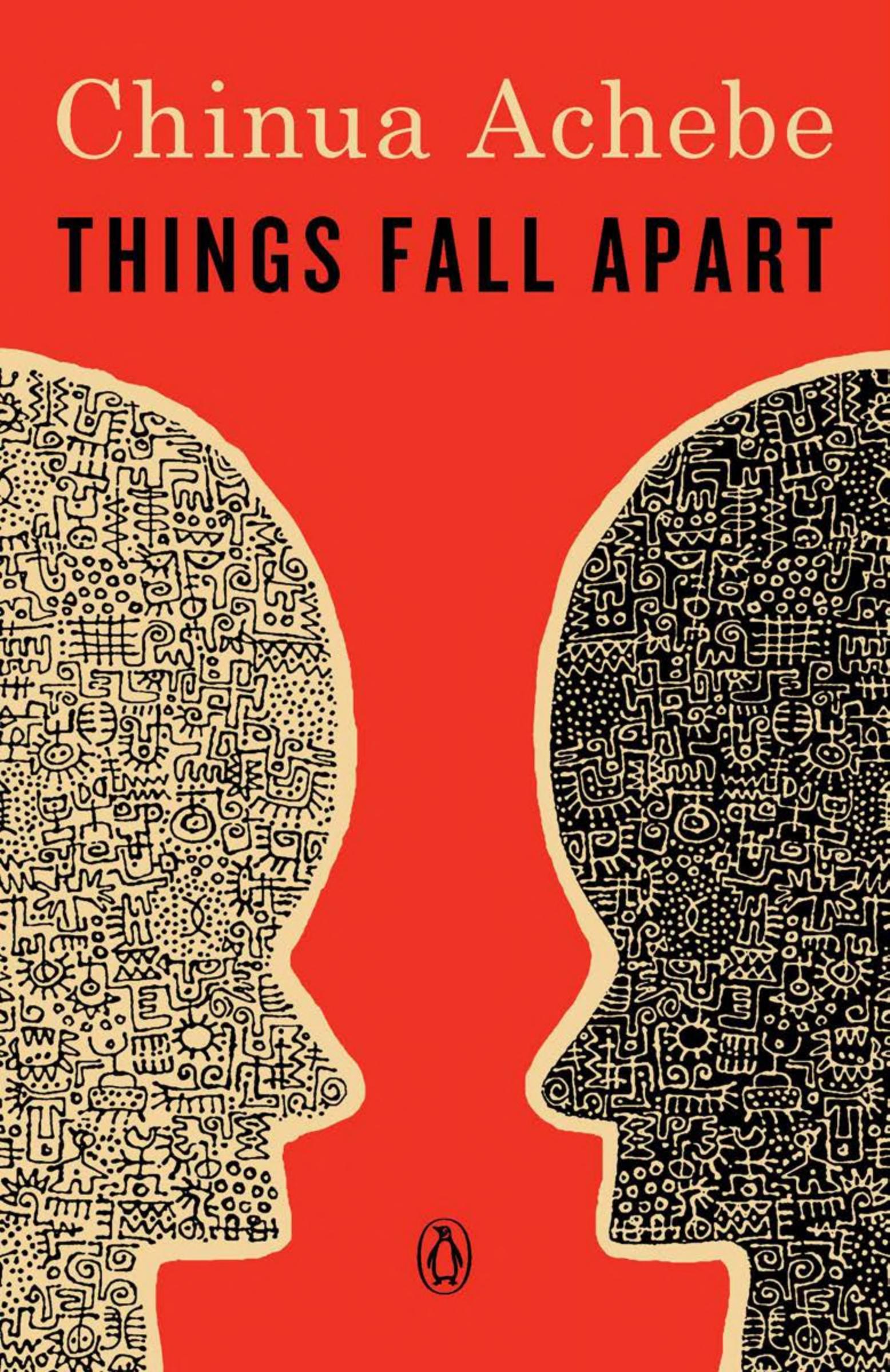
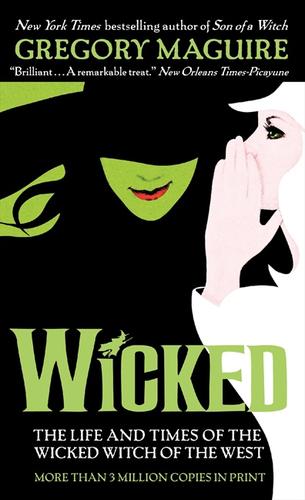
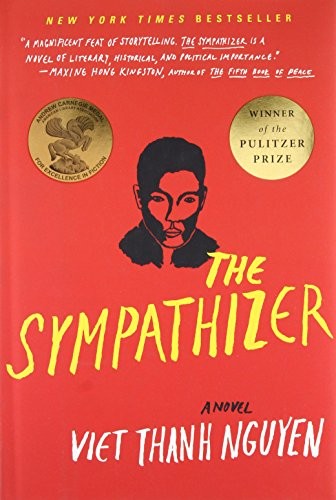
1984George OrwellOrwell’s novel is the foundational text for literary dystopian resistance, and what has kept it in print for 75 years is the precision of its analysis: the specific mechanisms through which authoritarian systems destroy the capacity for resistance, including the destruction of shared reality, the impoverishment of language, and the specific torture that produces not just compliance but genuine belief. Winston Smith’s resistance and its failure are not a cautionary tale about brave individuals being crushed; they are evidence that certain kinds of systems are specifically designed to make resistance psychologically impossible, which is a more terrifying and more serious argument. The Handmaid’s TaleMargaret AtwoodAtwood’s novel is a precision instrument rather than a polemic: Gilead’s theocracy is constructed from specific pieces of actual history rather than invented whole cloth, which gives it a specific quality of warning without allegory. Offred’s resistance is minimal, interior, and sustained through the act of recording rather than direct action, and Atwood renders this not as inadequacy but as the specific form resistance takes under conditions of total surveillance and absolute physical vulnerability. The Historical Notes that close the novel are the most formally sophisticated element: academic discussion of Offred’s account from a far future in which Gilead has fallen, confirming that something survived while refusing to explain how. Native SonRichard WrightWright’s novel refuses to offer a sympathetic resistor: Bigger Thomas is frightened and violent, and his acts are produced by conditions Wright renders as fully culpable even as the acts themselves are not defensible. The resistance in Native Son is not organized or conscious; it is the involuntary expression of a specific combination of fear and rage that the conditions of Depression-era Chicago produced. Wright’s argument — that the conditions are as guilty as Bigger — is made through the discomfort of the novel rather than through any statement of it. The most uncomfortable and most honest treatment of structural violence on this list. Things Fall ApartChinua AchebeAchebe’s novel is organized around the most important formal decision in resistance literature: rendering the colonized world as a world rather than a void waiting to be filled. By establishing Igbo society with enough completeness that the reader inhabits it before the missionaries arrive, Achebe makes the disruption felt as a disruption of something real. Okonkwo’s resistance is flawed and ultimately unsuccessful, and Achebe is honest about both — the novel does not offer the comfort of effective resistance, only the witness of what was lost and why it mattered. WickedGregory MaguireMaguire’s revisionist fantasy is organized around the same political insight as Achebe’s novel, applied to a fictional world: render the official story’s villain from her own perspective, and you discover that her resistance makes coherent sense given the conditions she’s resisting. Elphaba’s opposition to the Wizard’s authoritarian regime is principled and organized around real abuses of power that the official narrative has successfully rebranded as wickedness. Maguire is interested in how regimes construct the official story and what it costs the people who resist it — the fundamental question of resistance literature, applied with particular elegance to source material everyone already knows. The SympathizerViet Thanh NguyenNguyen’s novel renders the experience of political double allegiance — a communist spy embedded in the South Vietnamese army, believing in the revolution while enacting the counter-revolution — with a formal irony that makes the novel’s politics more complex than any simple resistance narrative. The narrator’s divided loyalty produces a perspective that sees clearly the failures of both sides, and Nguyen uses this vantage point to make an argument about American imperialism and Vietnamese resistance that could not be made by a narrator committed to either side. The most formally sophisticated political novel on this list and the one that earns the Pulitzer Prize most completely by refusing the comfort of settled allegiance. Who This Is For
Readers who want political fiction that earns its anger through specificity rather than confirming existing beliefs through vagueness — who want to understand what is being resisted and why, and what the resistance costs. The literary fiction catalogue has more in this direction.
Frequently asked questions
Q: Is 1984 prescient about the present or is that overstated?
A: Some specific predictions have been borne out (surveillance technology, manipulation of information), and others have not (the specific three-superpower geopolitical structure). More importantly, 1984’s analysis of how authoritarian systems work — through language control, reality manipulation, and psychological torture rather than simply violence — has proven more durable than its specific predictions. The book’s value is analytical rather than prophetic.
Q: Is The Handmaid’s Tale fiction or is it based on real events?
A: It is fiction, but Atwood built Gilead from documented historical practices — every element of Gilead’s treatment of women, she has said, has a real historical precedent. The novel is not a prediction or an allegory for any single political moment but an analysis of how theocratic patriarchal systems actually operate, derived from historical rather than invented material.
Q: Is Things Fall Apart primarily about Okonkwo or about colonialism?
A: Both simultaneously — Okonkwo’s specific character (his pride, his fear of weakness, his rigidity) shapes how he responds to the colonial disruption, and Achebe is interested in the interaction between individual character and historical force. Removing either element would produce a lesser novel: a pure character study without historical stakes, or a historical thesis without a human center.
Q: What should I read after The Sympathizer if I want more Viet Thanh Nguyen?
A: The Committed is the direct sequel, following the narrator to 1980s Paris. The Refugees is a short story collection covering related territory about Vietnamese diaspora experience. Both are worth reading; The Committed is the richer companion to The Sympathizer for readers interested in the same political and formal ambition.
Not sure which of these is right for you specifically? The Pagesmith quiz matches you to books based on your mood, pacing preference, and reading goals, not bestseller lists. Takes two minutes.