Best Books Set in Scandinavia
Scandinavian fiction has a specific tone that isn't simply 'dark' -- it's honest about darkness in a way that Nordic cultures have developed as a cultural practice, possibly because you need functional honesty when six months of the year are grey and the alternative is pretending they aren't. These six books render that specific quality of place and temperament from the inside.
June 2026 · 7 min read · The Pagesmith
Scandinavian fiction has had a global moment over the past two decades — from Nordic Noir crime fiction to the specific warmth-beneath-bluntness social comedy that Fredrik Backman has made internationally known — and the reason readers keep returning to it is not simply that the books are good (though they are). It’s that Scandinavian fiction has a specific relationship to honesty about difficulty: a cultural willingness to look at what isn’t working without either dramatizing it into crisis or performing optimism over the top of it. The Swedish characters in these novels are not stoic in the clichéd sense — they feel things fully — but they engage with those feelings through understatement, through action, and through the specific dark humor that comes from a culture that has learned to coexist with long winters. These six books render that specific quality of place and temperament with enough specificity that reading them is, in some sense, visiting.
Scandinavian fiction earns its reputation for darkness not by being relentlessly grim but by being consistently honest — about social failure, about grief, about the gap between how people want to be and how they actually behave — and then finding, inside that honesty, something that holds rather than simply endures.
The Books
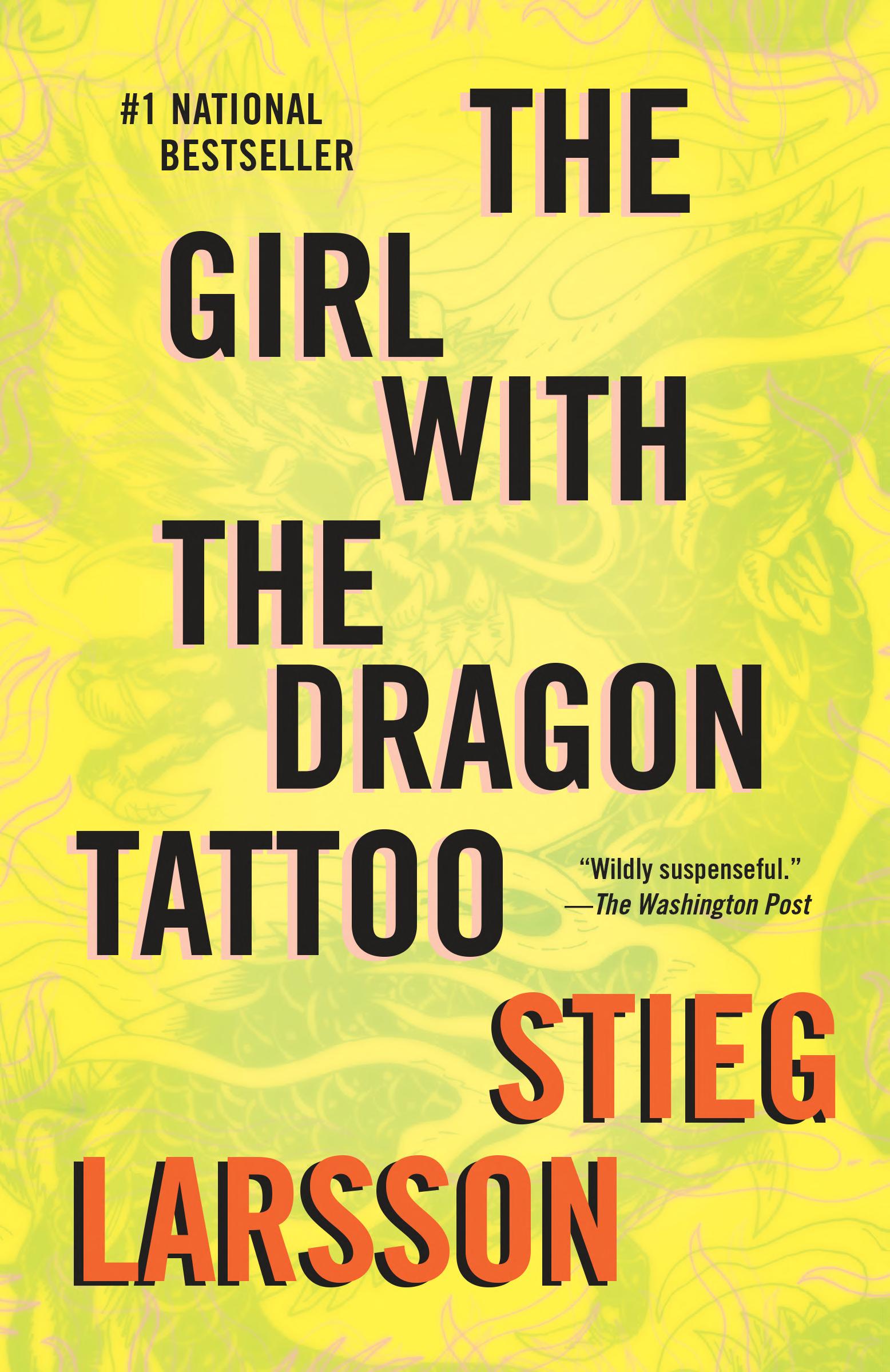
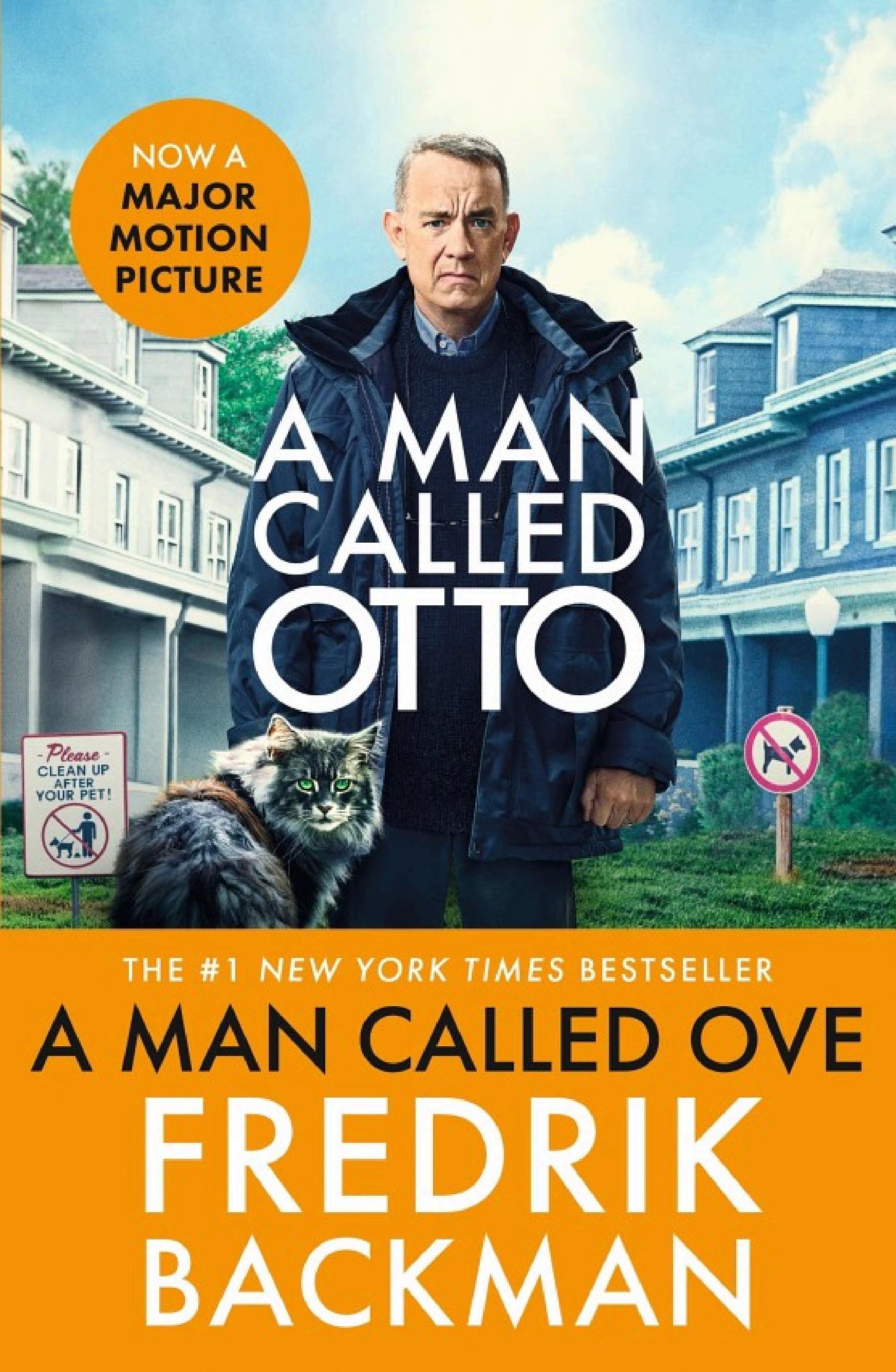
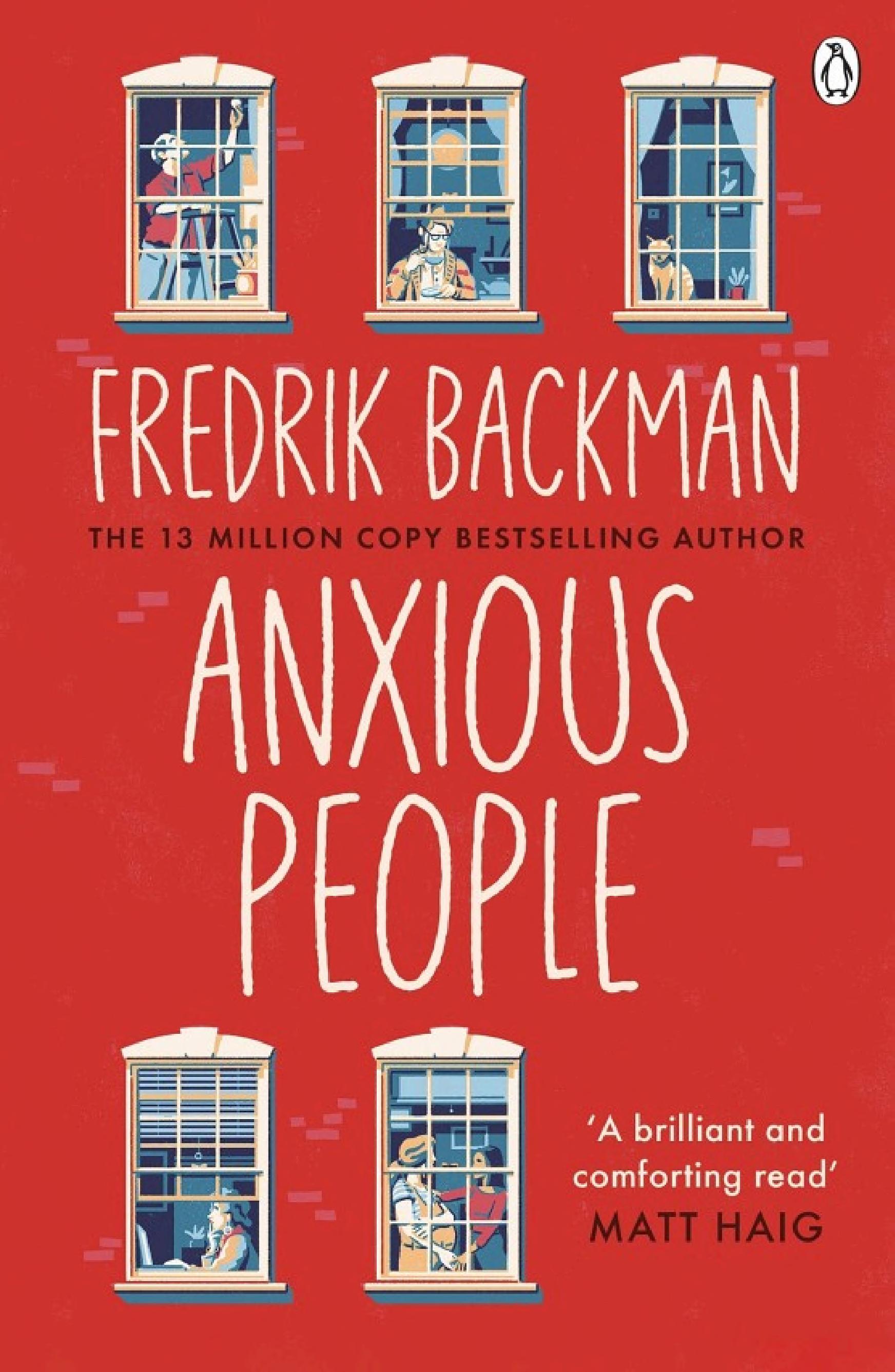
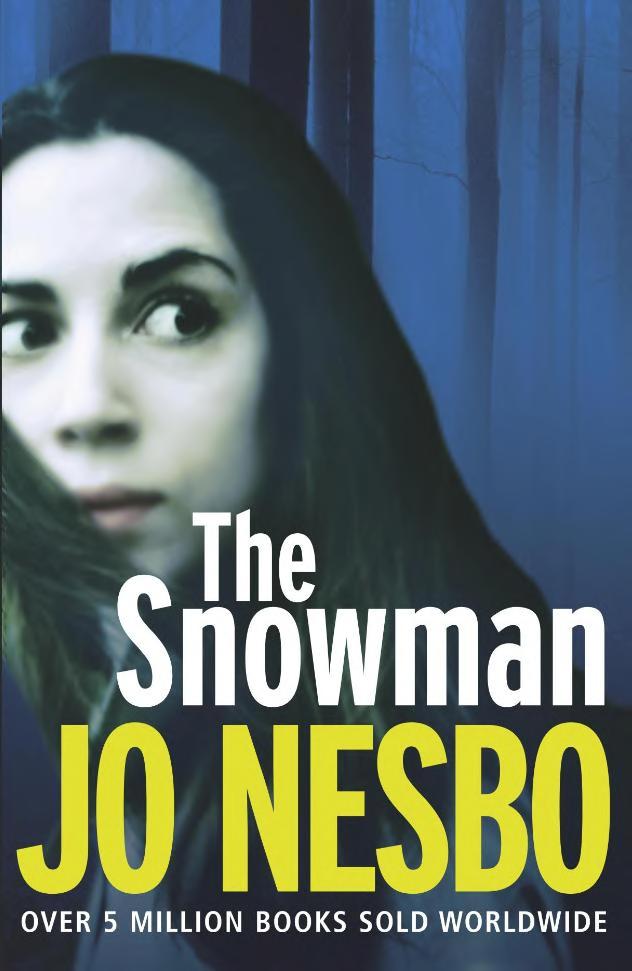
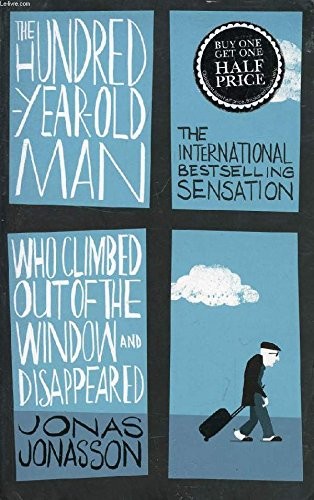
The Girl with the Dragon TattooStieg LarssonLarsson’s novel is the foundational text for the Nordic Noir boom, and what made it internationally significant was not just the plot — a journalist and a hacker investigating a decades-old disappearance in a wealthy Swedish family — but the specific social critique embedded in it. The title in Swedish, Men Who Hate Women, announces what the novel is actually about: the institutional failure of Swedish society to protect women from men who harm them, rendered through both the central mystery and Lisbeth Salander’s parallel story of surviving precisely that failure. The Swedish setting is not incidental atmosphere but the source of the novel’s specific political argument about the gap between a country’s self-image as progressive and the reality of its treatment of its most vulnerable members. A Man Called OveFredrik BackmanBackman’s novel is the most widely read Swedish book in the world over the past decade, and it earned that readership not through Nordic grimness but through the specific quality of warmth-beneath-bluntness that characterizes the best Scandinavian social comedy. Ove’s rigidity and hostility are not simply comic character traits but the surface presentation of a man whose love has nowhere to go after his wife’s death, and Backman renders that specific personality — the person who shows care through rules and maintenance and irritated interference — with genuine affection and without condescension. The novel is as Swedish as ABBA and IKEA: functional, slightly unexpected in its warmth, and considerably more emotionally sophisticated than its surface suggests. BeartownFredrik BackmanBackman’s most serious novel, and the one that demonstrates the range of Scandinavian social fiction beyond comfort or crime. The hockey town of Beartown — its specific class dynamics, its relationship to the sport that is both its identity and its economic future, its response to an assault that divides the community — is rendered with the same honesty about institutional failure that characterizes Larsson’s work, applied to a small community rather than to systemic structures. The novel is about what happens when a community’s values are tested by a conflict between its most sacred institution and one of its members, and Backman’s answer is both honest and devastating. Anxious PeopleFredrik BackmanBackman’s most formally inventive novel and the funniest, organized around a bank robbery that becomes an accidental hostage situation at an apartment viewing and assembles its story through police interviews after the fact. The comedy is real and sustained, and the Swedish social world it renders — the specific anxieties of middle-class apartment hunters, the particular quality of Scandinavian family dysfunction, the dark humor that bubbles up under pressure — is as distinctively placed as any of the other books here. The novel proves that Backman can do structural plotting and ensemble farce as well as emotional portrait, and that Swedish fiction’s relationship to comedy is as developed as its relationship to darkness. The SnowmanJo NesboNesbo’s Harry Hole series is the Norwegian answer to the Swedish crime fiction tradition — darker in tone, organized around a detective whose own dysfunction is as central as the cases he solves, and rendered against an Oslo winter that Nesbo uses as more than atmosphere. The Snowman is frequently cited as the best entry point to the series, organized around a serial killer whose crimes are connected to a specific Norwegian social institution, and Nesbo’s specific quality — the combination of genuinely intelligent plotting and the particular Norwegian approach to psychological damage, which is to render it without dramatic elaboration — makes the books feel distinctly placed in a way that distinguishes them from generic Scandinavian crime fiction. The Hundred-Year-Old Man Who Climbed Out the Window and DisappearedJonas JonassonJonasson’s comic novel is the most purely funny book on this list and the one that best demonstrates the Swedish tradition’s facility with dark absurdism: a 100-year-old man escapes his nursing home through the window on his birthday and stumbles into a series of increasingly improbable adventures, while flashbacks reveal that his entire century of life was organized around being accidentally present at every major historical event of the twentieth century. The comedy is broad and the historical parody is very Swedish in its approach — affectionate toward the main character, irreverent toward everyone else, and organized around the specific Scandinavian sense of humor that finds absurdity in the gap between how seriously people take themselves and how much it actually matters. Who This Is For
Readers who want to explore Scandinavian fiction beyond the crime genre — or who are already Nordic Noir fans and want to understand the range of what the region produces — and who are interested in books where the specific qualities of place and temperament (the honesty about difficulty, the warmth beneath bluntness, the dark humor) are doing genuine literary work rather than functioning as generic atmosphere. The thriller and mystery and contemporary catalogues have more in this direction.
Frequently asked questions
Q: What distinguishes Nordic Noir from other crime fiction?
A: Nordic Noir typically combines genuinely complex plotting with a social critique embedded in the crime, a protagonist whose own psychological damage is as central as the investigation, and a relationship to landscape (particularly winter) that functions as more than setting. It also tends toward a specific understated emotional register that distinguishes it from American procedurals and British cozy mystery alike — the characters feel things intensely but express them obliquely.
Q: Is the Millennium trilogy (The Girl with the Dragon Tattoo) Swedish or Norwegian?
A: Swedish — set primarily in Stockholm and in rural Sweden, written by Swedish journalist Stieg Larsson, who died shortly after completing the three manuscripts. The Norwegian equivalent would be Jo Nesbo’s Harry Hole series, which is set primarily in Oslo.
Q: Which Backman novel is the best starting point?
A: A Man Called Ove for the warmest and most accessible introduction to his style. Anxious People for the funniest and most structurally inventive. Beartown for the most serious and most interested in community rather than individual character. Most readers who love one end up reading all three within a short period.
Q: Is there Scandinavian literary fiction — as opposed to crime or comedy — worth seeking out?
A: Yes, though much of it is less widely translated. Knut Hamsun’s Hunger is the foundational Norwegian psychological novel. August Strindberg’s plays and Miss Julie established a tradition of unflinching social honesty in Swedish culture. More recently, Karl Ove Knausgard’s My Struggle series has been widely translated and widely discussed, though readers should know it’s six very long volumes of autobiographical fiction.
Not sure which of these is right for you specifically? The Pagesmith quiz matches you to books based on your mood, pacing preference, and reading goals, not bestseller lists. Takes two minutes.