Best Books About Con Artists and Grifters
The con artist novel works because it implicates the reader the same way the con implicates its mark -- you understand exactly why the lie is believable, which means you're complicit in your own deception. These books are less interested in catching the con artist than in making you understand how completely the con made sense.
June 2026 · 7 min read · The Pagesmith
The con artist novel has a specific formal challenge that distinguishes it from other crime fiction: the reader has to understand not just what the con artist did but why the deception was persuasive, which means experiencing some version of the same seduction the mark experienced. A novel that simply reports a con from the outside produces a different and lesser book than one that makes the reader feel the pull of the lie alongside the characters being deceived by it. The best books here accomplish this by giving their con artists genuine intelligence, genuine charm, and often genuine talent — the lie works because the liar is good at something real, and the gap between that genuine ability and the dishonest use it’s put to is where these novels find their tension. None of them are simple morality tales about deception being punished. They are interested in what makes deception work, which is a harder and more uncomfortable question.
The best con artist fiction doesn’t just show you the trick. It makes the trick work on you too — so that by the time the con is revealed, you understand exactly why the mark believed it, because for a few hundred pages, you believed it as well.
The Books
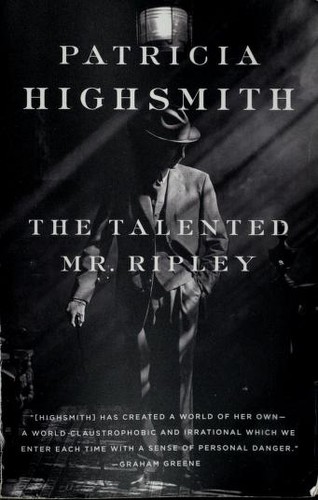
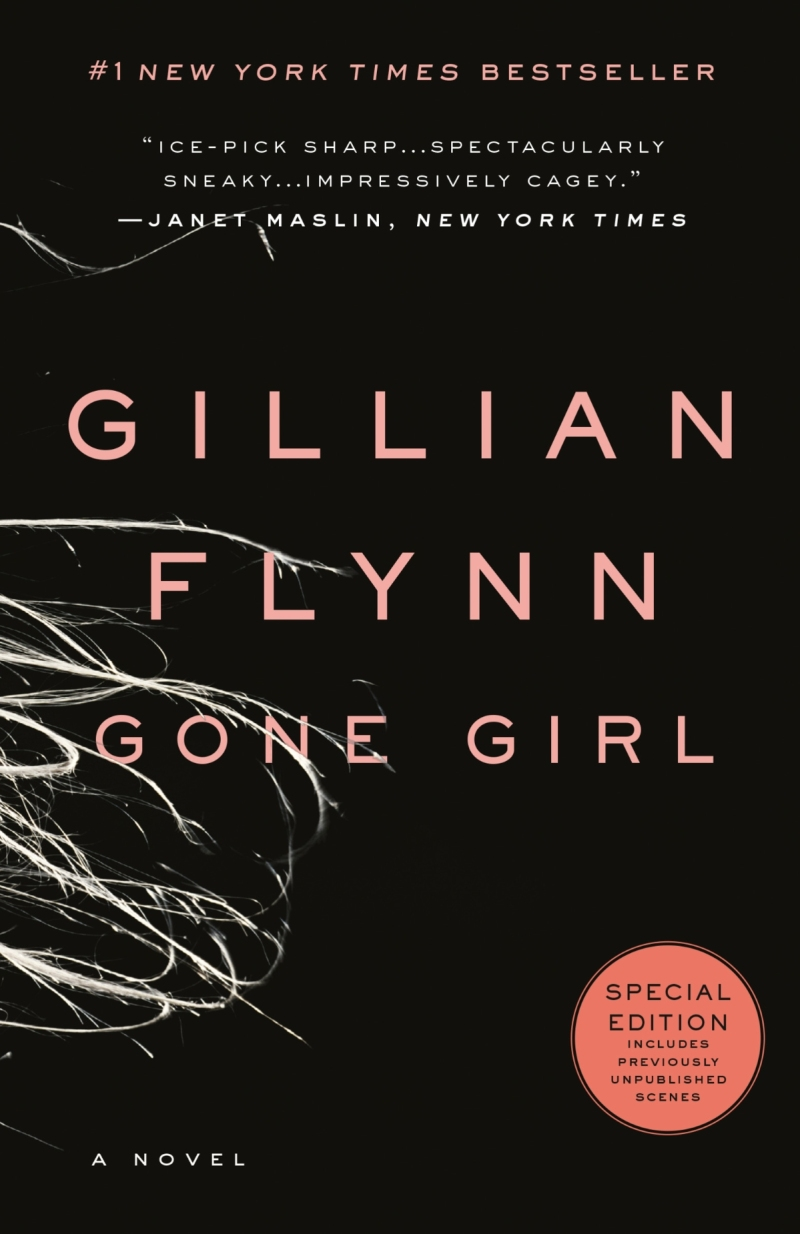
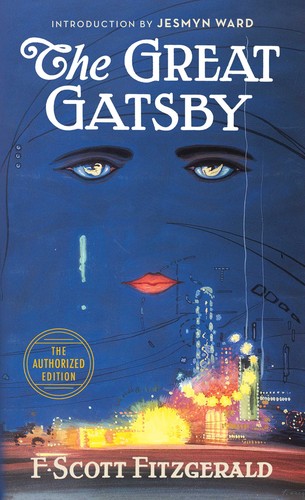
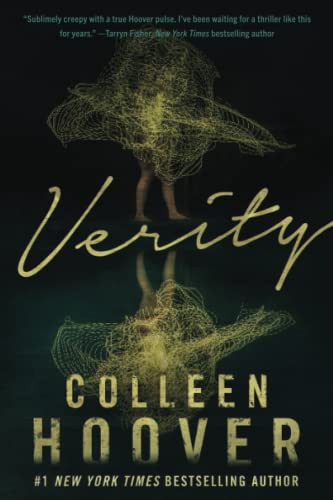
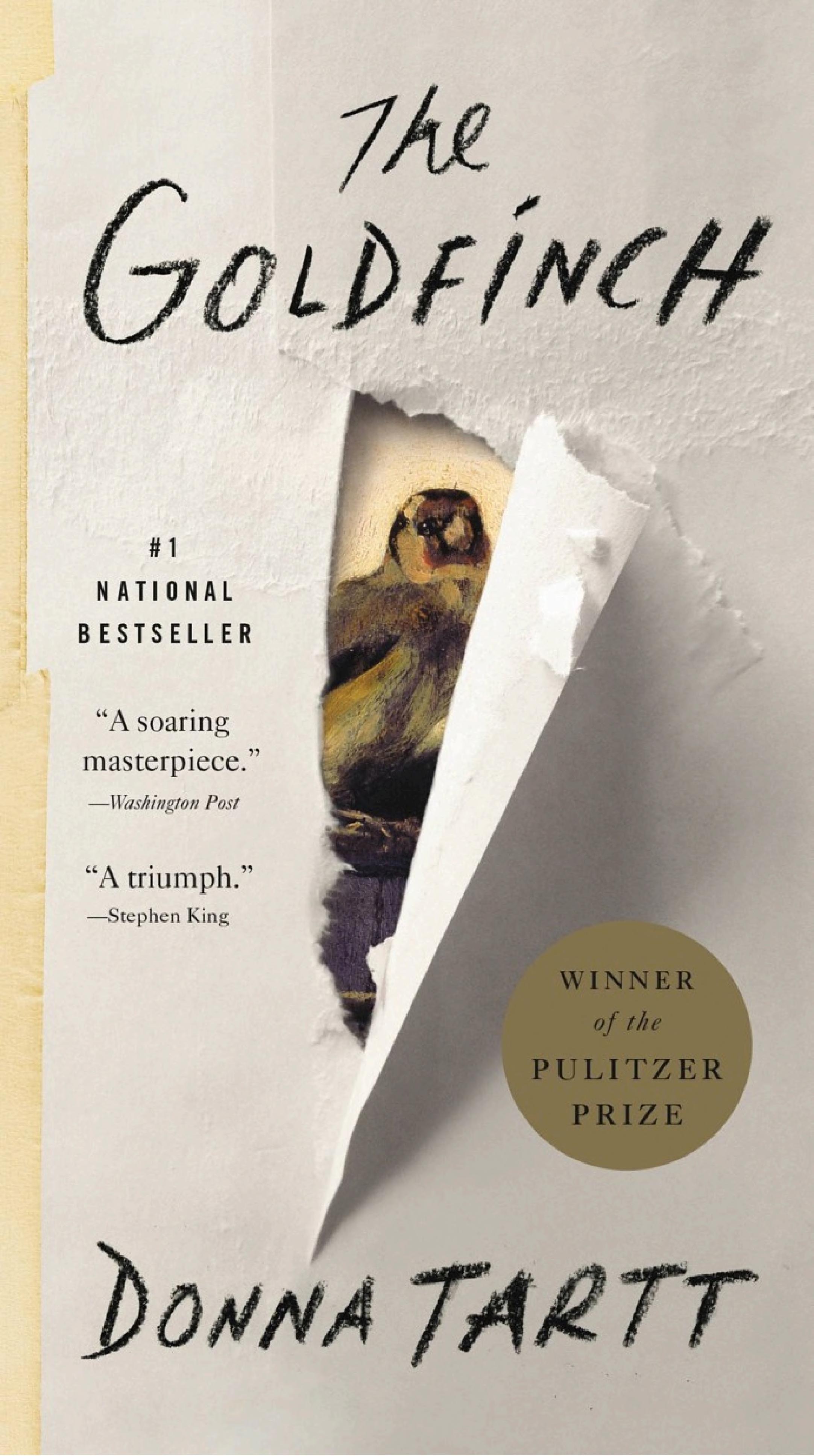
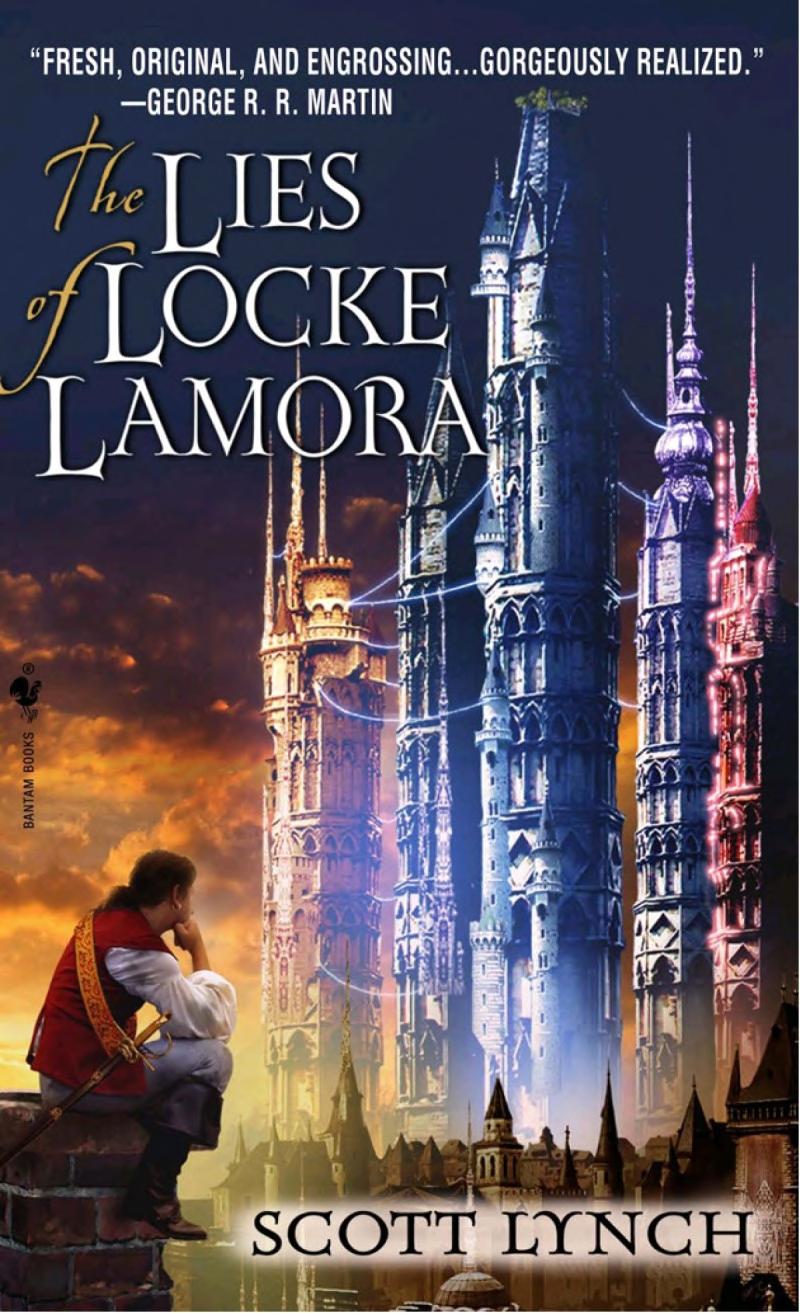
The Talented Mr. RipleyPatricia HighsmithThe foundational text for the genuinely talented con artist: Tom Ripley is not simply a liar but someone with real aptitude for forgery, mimicry, and the specific social skill of becoming whoever a situation requires him to be. Highsmith’s genius is making Ripley’s capability genuinely admirable — his hunger for beauty, his quick intelligence, his eye for what people want to see — while never letting the reader forget what that capability is being used for. The novel’s first-person-adjacent closeness to Ripley means the reader experiences his rationalizations with enough proximity that his escalating choices feel, disturbingly, comprehensible rather than monstrous. The standard against which every subsequent con artist novel is measured. Gone GirlGillian FlynnAmy Dunne’s construction of her own disappearance — a meticulously planned deception designed to frame her husband for her murder — is one of the most elaborate cons in contemporary fiction, and Flynn’s structure makes the reader complicit in it twice: first by trusting Amy’s diary entries as sincere, then by understanding, once the construction is revealed, exactly how persuasive that construction was and why. The novel’s specific achievement is showing that Amy’s grievances were real even as her response to them was monstrous — the con works because it’s built on genuine material, twisted toward an entirely different purpose. The most psychologically sophisticated grifter in recent fiction. The Great GatsbyF. Scott FitzgeraldGatsby’s entire identity is a construction — the name, the fortune, the manner, the parties, all built specifically to make him the kind of man who could plausibly win back Daisy Buchanan. Fitzgerald’s novel belongs on this list because it understands something the other entries also understand: that the most effective cons are not pursued for material gain alone but for something the con artist genuinely wants and believes the deception is the only path to. Gatsby’s self-invention is sympathetic in a way that Ripley’s never quite is, because his target is not material wealth but the recovery of something lost, which makes the novel’s tragedy land differently than a conventional grifter story — the con succeeds, in a sense, and it still isn’t enough. VerityColleen HooverHoover’s thriller is included here for the specific kind of deception at its center: a discovered manuscript that may be a sincere confession or may be a constructed document designed to manipulate whoever finds it, and the novel’s deliberate refusal to resolve which is true is itself a formal version of the con artist’s central trick — making the reader unable to fully trust the document in front of them. Whether or not Verity is consciously deceiving anyone within the story, Hoover is consciously deceiving the reader about how to read what they’ve been given, which produces the specific unease of not knowing whether you’ve been conned even after you’ve finished the book. The GoldfinchDonna TarttTheo Decker’s entry into the antiques world, working alongside the morally ambiguous Hobie and eventually into art forgery and fraud, gives Tartt’s novel a sustained engagement with the specific culture of deception that surrounds valuable objects — where authenticity is partly a matter of expert consensus and partly a matter of who is motivated to believe what. Boris, Theo’s friend and eventual partner in increasingly serious crime, is one of the most charismatic grifters in contemporary fiction, charming precisely because his amorality is presented without judgment, simply as a fact about who he is. The novel’s slow drift from grief narrative into crime novel is itself a kind of con, performed on the reader’s expectations. The Lies of Locke LamoraScott LynchLynch’s fantasy heist novel is the most purely entertaining entry on this list and the one most directly organized around the con as craft rather than as psychological pathology. Locke Lamora and his Gentleman Bastards are professional grifters operating in the fantasy city of Camorr, and Lynch renders their schemes with the loving technical detail of a writer who understands exactly how elaborate deceptions are built, layer by layer, contingency by contingency. Unlike the darker entries on this list, the morality here is relatively uncomplicated — the Bastards target the wealthy and corrupt — which makes this the right recommendation for readers who want the pleasure of watching a con executed brilliantly without the moral discomfort the other books require. Who This Is For
Readers who want fiction about deception that makes them understand the appeal of the lie rather than simply observing it from outside — who are interested in what makes con artists genuinely persuasive and what that says about both the con artist and the people who believe them. The thriller and mystery catalogue has more in this direction.
Frequently asked questions
Q: Is The Talented Mr. Ripley appropriate for readers who haven’t read crime fiction before?
A: Yes — it’s more literary than thriller in pacing, and its primary interest is psychological rather than plot-driven. Readers who want fast-paced crime fiction may find it slower than expected; readers who want a character study of deception will find it the best available entry point to the genre.
Q: Does The Great Gatsby really belong on a list about con artists?
A: Gatsby’s entire identity — his name, his fortune, his manner — is a deliberate construction designed to make a specific impression, which fits the con artist pattern even though the novel isn’t typically discussed in those terms. Reading it through this lens highlights how much of the novel is actually about performance and persuasion rather than romance alone.
Q: Is The Lies of Locke Lamora a good entry point to fantasy for readers who mostly read thrillers?
A: Yes — it’s plot-driven and propulsive in ways that will feel familiar to thriller readers, with the heist-novel structure providing the same kind of forward momentum. The fantasy elements are present but not overwhelming, and the city of Camorr functions more like a richly imagined crime-novel setting than a high-fantasy world.
Q: What should I read after The Goldfinch if I want more Donna Tartt?
A: The Secret History, her debut, shares the interest in beautiful, morally compromised people and the specific seduction of being granted access to an extraordinary world. It’s shorter and more concentrated than The Goldfinch and a strong next step.
Not sure which of these is right for you specifically? The Pagesmith quiz matches you to books based on your mood, pacing preference, and reading goals, not bestseller lists. Takes two minutes.