Best Books About Second Chances
The second-chance story is easy to sentimentalize and hard to earn. The best ones understand that a second chance isn't a clean slate -- it's a chance to do something different while still carrying everything the first attempt cost. These six books take that difficulty seriously rather than skipping to the redemption.
June 2026 · 7 min read · The Pagesmith
The second-chance narrative has an easy version: a character makes a mistake, suffers consequences, and is granted a clean opportunity to do better, which they take, and the story ends in earned redemption. This version isn’t wrong, exactly, but it understates how second chances actually work. A real second chance doesn’t erase the first attempt — the person taking it is still carrying everything that happened, still shaped by the choices and circumstances that led to needing a second chance in the first place. The books here are interested in that harder truth: redemption that has to coexist with what came before rather than replacing it, hope that has to be built alongside grief or guilt rather than after it has cleared away. They are second-chance stories that have earned the word “second” by taking the first chance, and its failure, fully seriously.
A real second chance isn’t a fresh start. It’s an opportunity to build something different while still carrying everything the first attempt cost — which is a much harder and more honest story than the clean redemption arc usually offers.
The Books
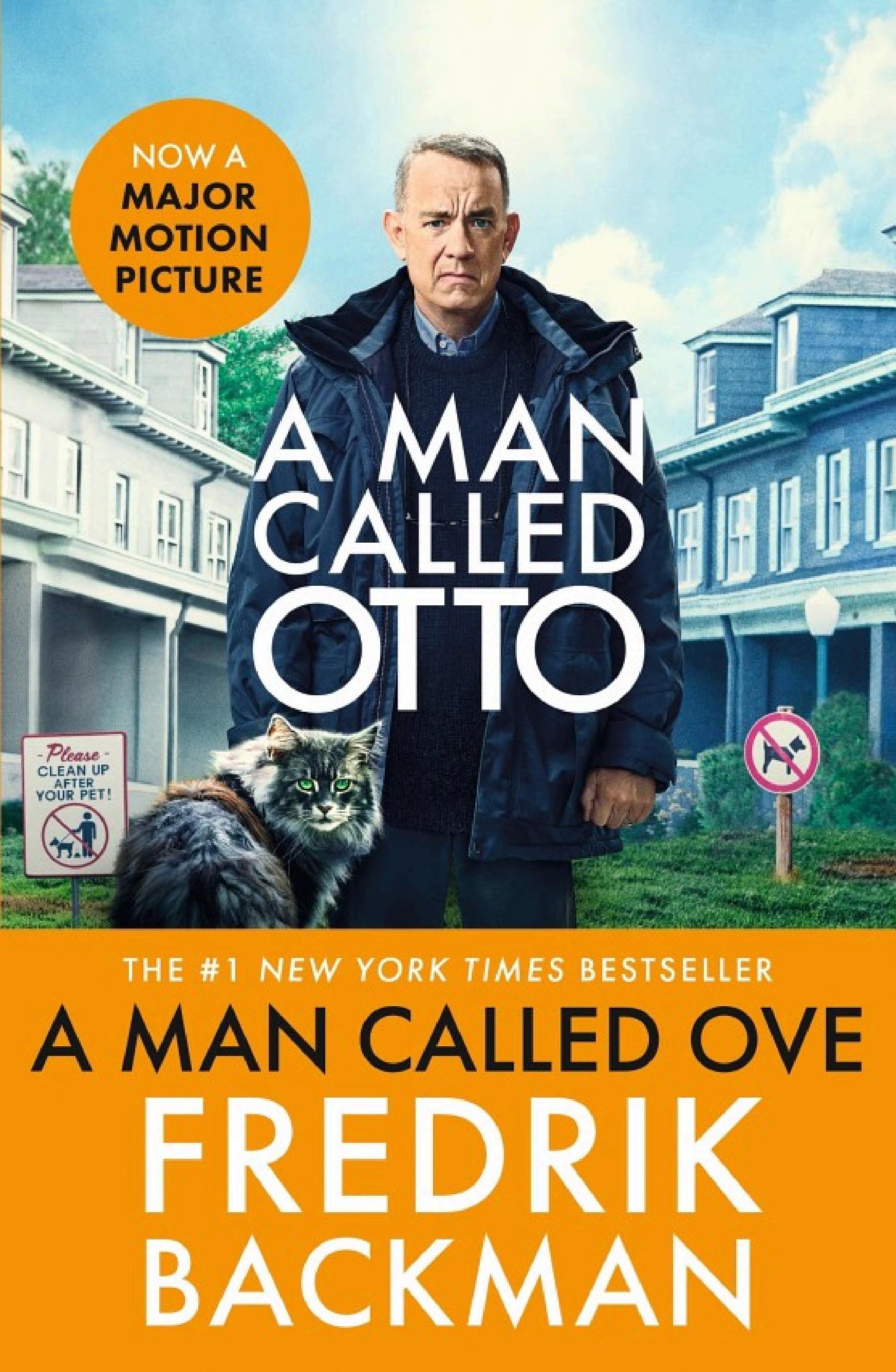
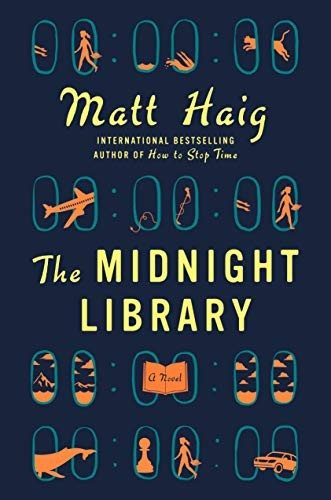
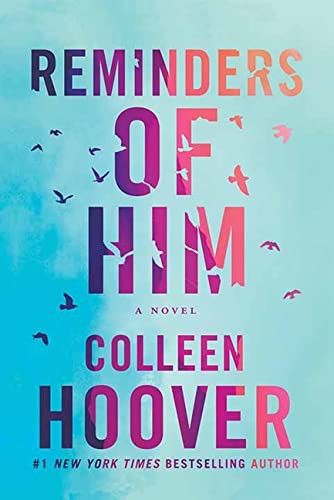
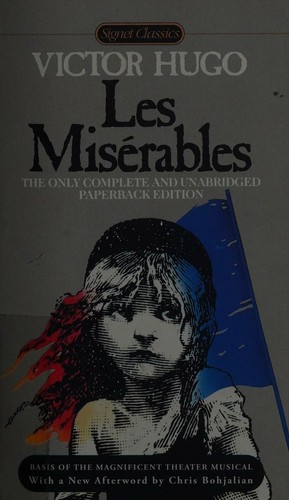
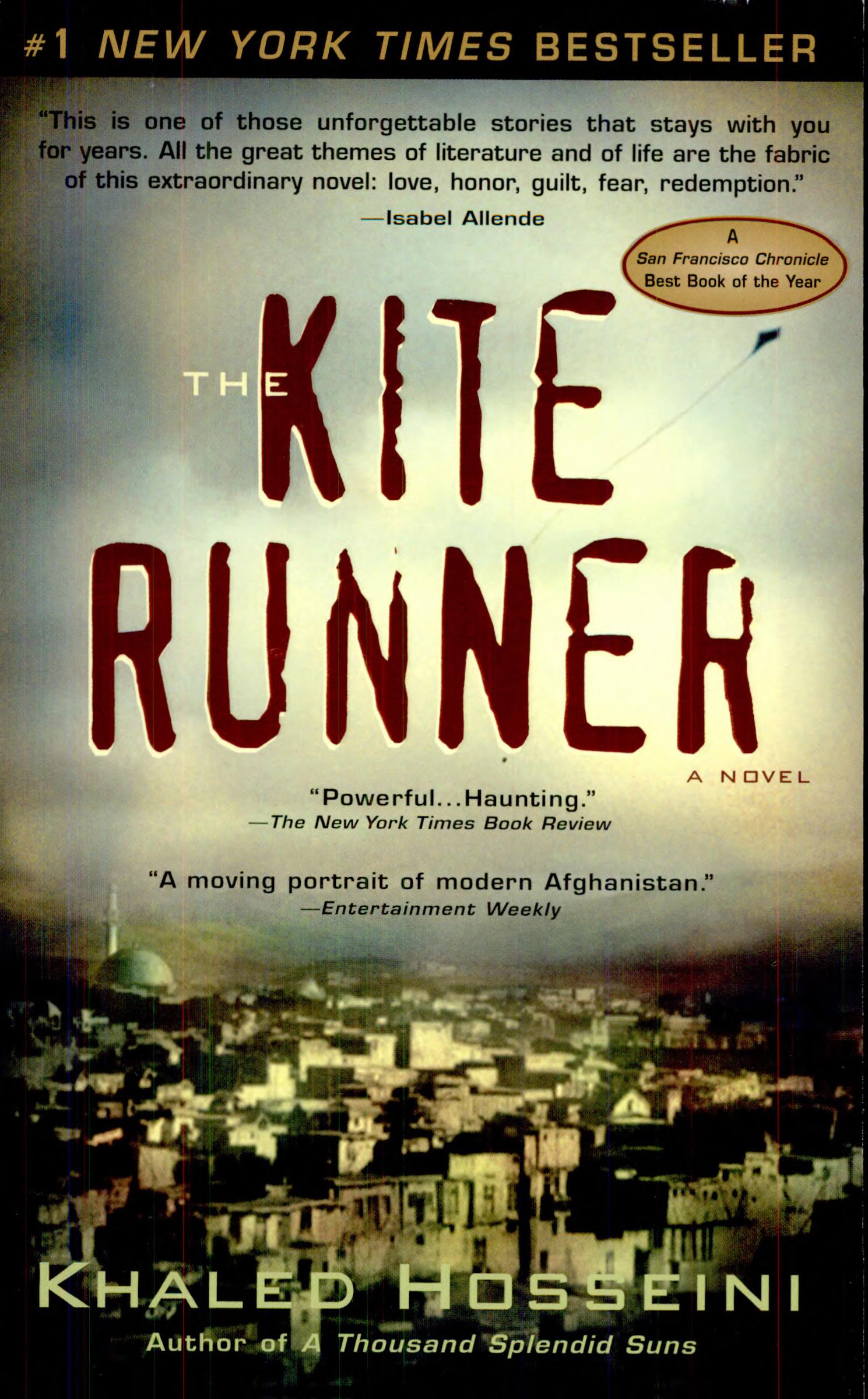
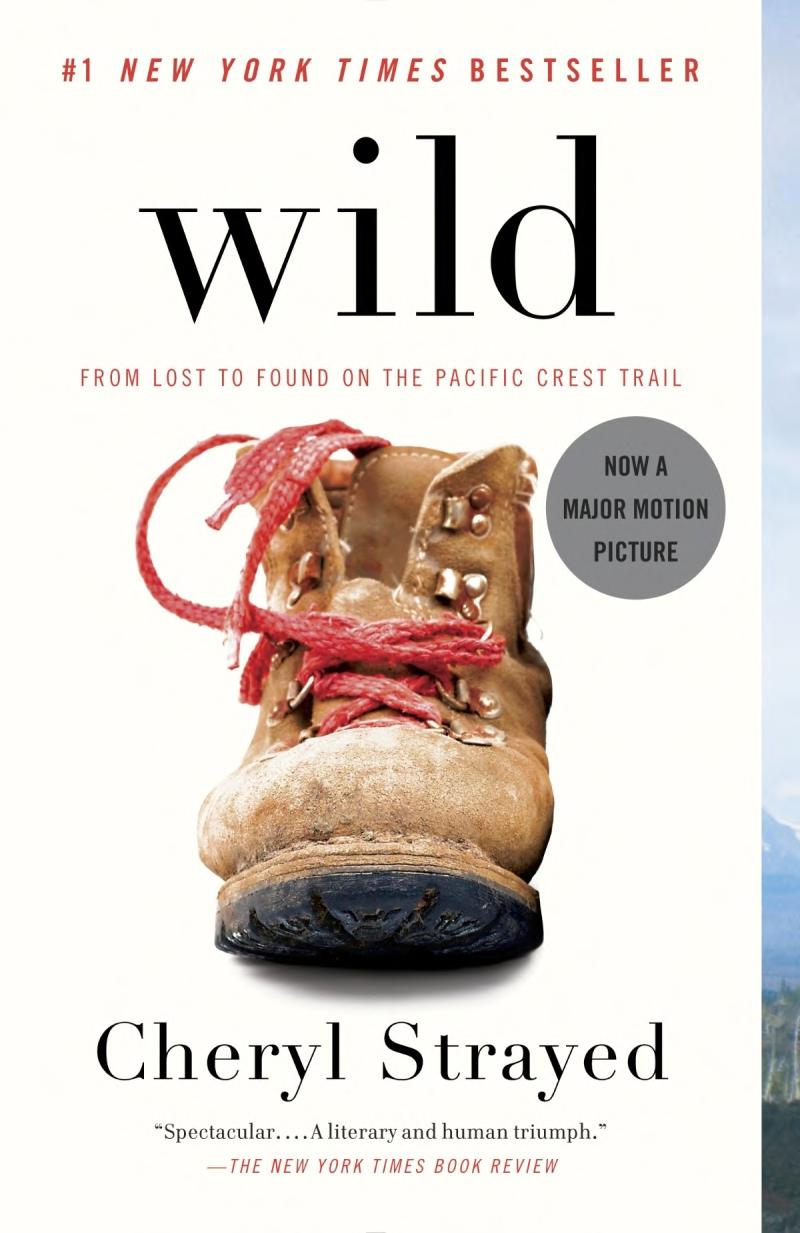
A Man Called OveFredrik BackmanOve’s second chance arrives not as a single dramatic event but as a slow, unwanted accumulation of relationships he didn’t ask for and initially resents — a new neighbor who refuses to let him isolate himself, a pregnant woman who needs his help, a cat he didn’t want. Backman is careful to show that Ove’s grief for his wife Sonja never resolves or gets replaced; the second chance the novel offers him is not a substitute for what he lost but a way of continuing to carry that loss while building something alongside it. The novel’s warmth is earned by how honestly it treats the specific weight Ove never sets down. The Midnight LibraryMatt HaigHaig’s novel makes the second-chance premise literal: Nora Seed, at the point of death, finds herself in a library containing every life she might have lived had she made different choices, and gets to try several of them. The novel’s actual argument runs counter to the wish-fulfillment the premise initially suggests — none of the alternate lives turn out to be simply better, and what Nora eventually discovers is less about finding the right life and more about what she’s been carrying into every version of it regardless of the choices that produced it. The second chance here isn’t really about getting a different life; it’s about understanding what was actually wrong with how she was relating to the one she had. Reminders of HimColleen HooverHoover’s novel is the most direct treatment on this list of what a second chance requires when the first attempt caused real, irreversible harm. Kenna served five years in prison for the accident that killed her boyfriend, and her attempt to build a relationship with the daughter she’s never known is not granted easily or without real resistance from people who have legitimate reasons to keep her away. The novel doesn’t pretend that time served simply settles the account; Kenna’s second chance has to be earned in the present, continuously, against people who are right to be cautious, which gives the eventual hope in the novel real weight rather than easy sentiment. Les MiserablesVictor HugoJean Valjean’s transformation from imprisoned thief to morally exemplary mayor and protector is the foundational second-chance narrative in the Western canon, and Hugo’s specific achievement is showing that the chance Valjean is given — by the bishop who refuses to turn him back over to the police after he steals silver — has to be actively chosen and re-chosen across an entire lifetime, against the constant threat of Javert’s pursuit and against Valjean’s own internalized sense of what he is. The novel’s length is necessary because it’s demonstrating that redemption isn’t a single moment but a sustained, lifelong practice, one that Valjean has to keep choosing even when choosing it again costs him everything he’s built. The Kite RunnerKhaled HosseiniAmir spends decades carrying the guilt of his childhood failure to protect Hassan, and Hosseini’s novel is organized around what it costs him to finally pursue a chance to address it — “there is a way to be good again,” as the novel’s pivotal phrase puts it. The second chance here is not comfortable or safe; it requires Amir to return to a war-torn Afghanistan he fled and to risk real danger in pursuit of something that cannot fully undo what he failed to do as a child. The novel’s honesty is in refusing to suggest that the second chance erases the original failure — it can only be an act undertaken in spite of and in response to it, never a replacement for it. WildCheryl StrayedStrayed’s memoir is the most direct nonfiction treatment of the second chance as something physically and psychologically constructed rather than simply granted. After her mother’s death and the collapse of her marriage, Strayed’s decision to hike eleven hundred miles of the Pacific Crest Trail with no prior backpacking experience is her attempt to build, step by literal step, a version of herself capable of carrying what she’s been through. The book is honest that the trail doesn’t fix anything in a magical sense — it’s simply where Strayed does the work of becoming someone who can hold her grief without being destroyed by it, which is the most accurate available description of what a genuine second chance actually requires. Who This Is For
Readers who want second-chance stories that take the first failure seriously rather than skipping quickly to redemption — who want hope that has been earned through difficulty rather than granted easily. Also readers who are themselves navigating the difficult, ongoing work of building something different after a significant setback or loss. The literary fiction and nonfiction catalogues have more in this direction.
Frequently asked questions
Q: Is Reminders of Him appropriate for readers who want to avoid heavy content?
A: It deals directly with addiction, prison, grief, and the difficulty of regaining trust after serious harm. It is one of Colleen Hoover’s heavier novels rather than one of her lighter ones, and readers looking for something gentler should consider her other titles first.
Q: Is The Midnight Library more hopeful or more melancholic in tone?
A: It moves between both, but lands closer to hopeful by the end. The melancholy comes from Nora’s realization that no alternate life solves the underlying issue; the hope comes from what she does with that realization once she understands it clearly.
Q: Why is Les Miserables on a list about second chances given its length?
A: Because the second chance Valjean receives is the central engine of the entire novel, and Hugo’s insistence on showing it as a sustained, lifelong practice rather than a single redemptive moment is exactly the kind of honest treatment this list is organized around. The length is what makes that argument possible.
Q: What should I read after Wild if I want more memoirs about rebuilding after loss?
A: Educated by Tara Westover covers different territory but shares Wild’s interest in the physical and psychological work required to build a different life. H is for Hawk by Helen Macdonald is a quieter, more interior account of grief and reconstruction through an unconventional method — training a goshawk after her father’s death.
Not sure which of these is right for you specifically? The Pagesmith quiz matches you to books based on your mood, pacing preference, and reading goals, not bestseller lists. Takes two minutes.