Best Epic Fantasy Doorstoppers Worth the Commitment
The very long fantasy novel asks for something specific: not just patience, but trust that the accumulated weight of pages will produce something a shorter book couldn't. These six justify the length -- not through padding but through the genuine scale of what they're attempting.
June 2026 · 7 min read · The Pagesmith
Epic fantasy has a reputation problem that is sometimes deserved: the genre’s worst excesses involve length for its own sake, plots that wander because the author lost the thread, world-building detail included because it exists rather than because it matters. The books here are not that. Each one is long because the thing it’s attempting genuinely requires the space — a magic system with enough internal logic to support an entire plot, a political structure spanning multiple nations and factions that needs room to develop coherently, a cast large enough to render an actual war rather than a skirmish between a handful of named characters. Reading any of these is a real commitment, in some cases spanning a single 800-page volume and in others an entire multi-book series. But the commitment is rewarded: these are books and series where the scale is doing genuine work, not padding the reader’s sense of having gotten their money’s worth.
The best very long fantasy novels don’t ask you to be patient with excess. They ask you to be patient with genuine scale — a world, a magic system, a political structure, or a cast that simply could not be rendered honestly in less space.
The Books
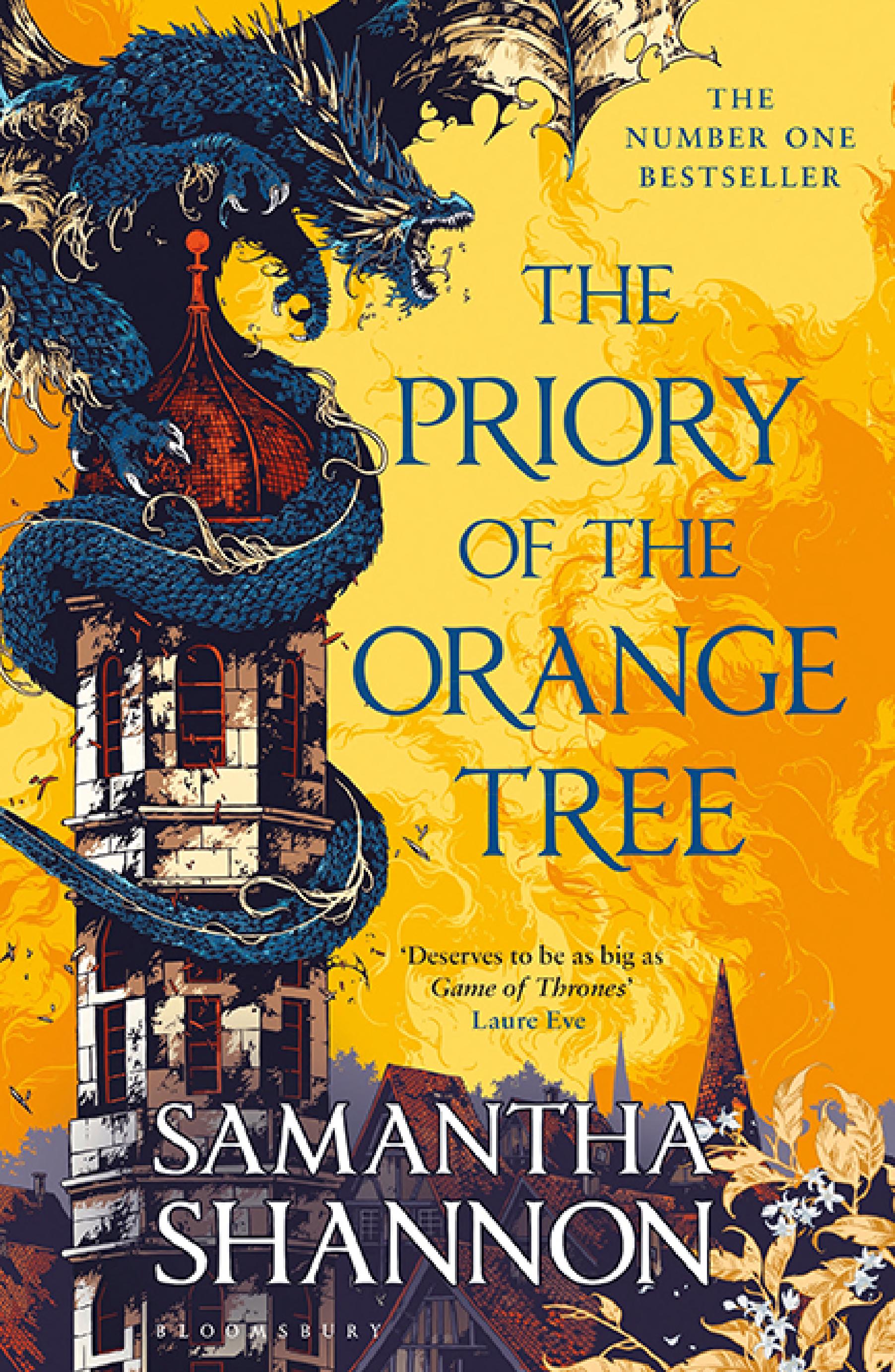
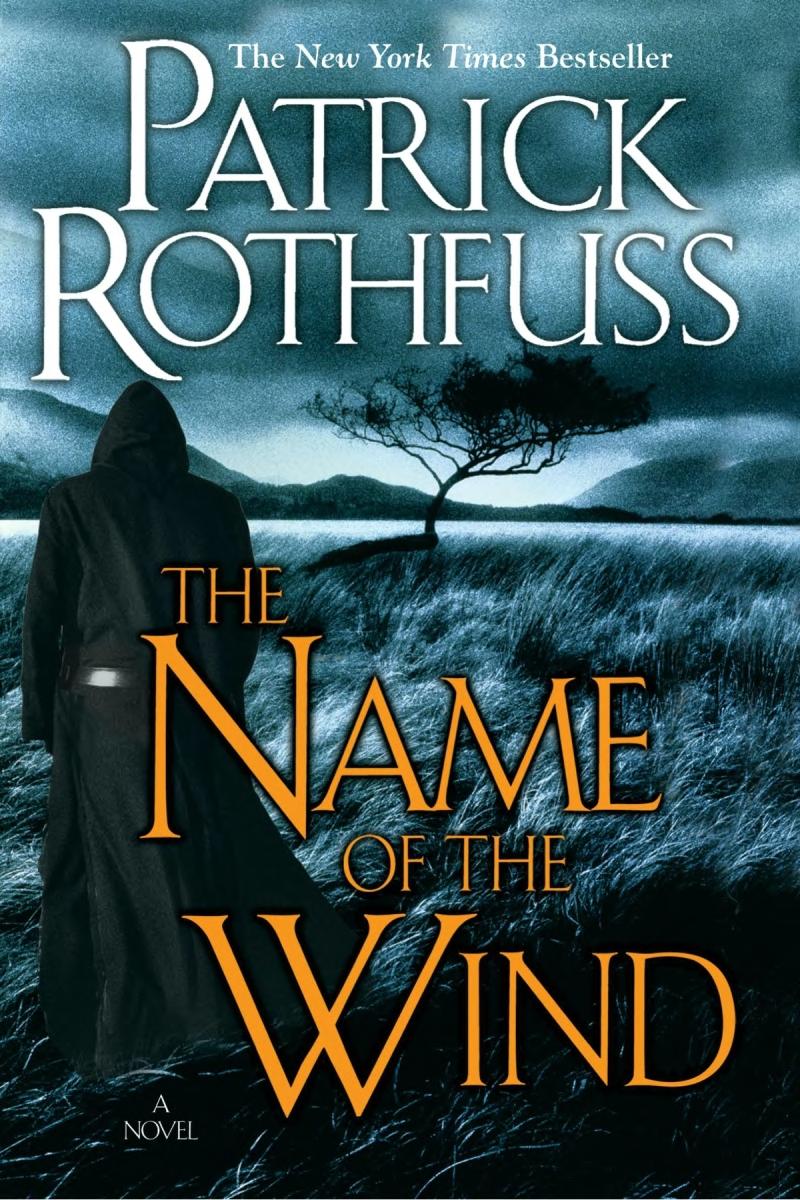
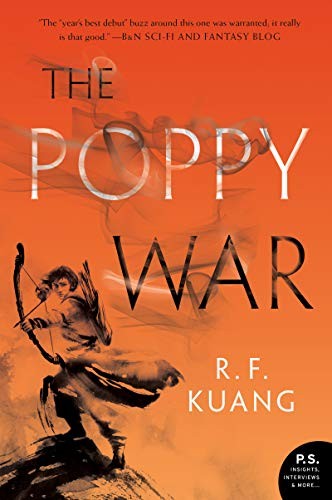
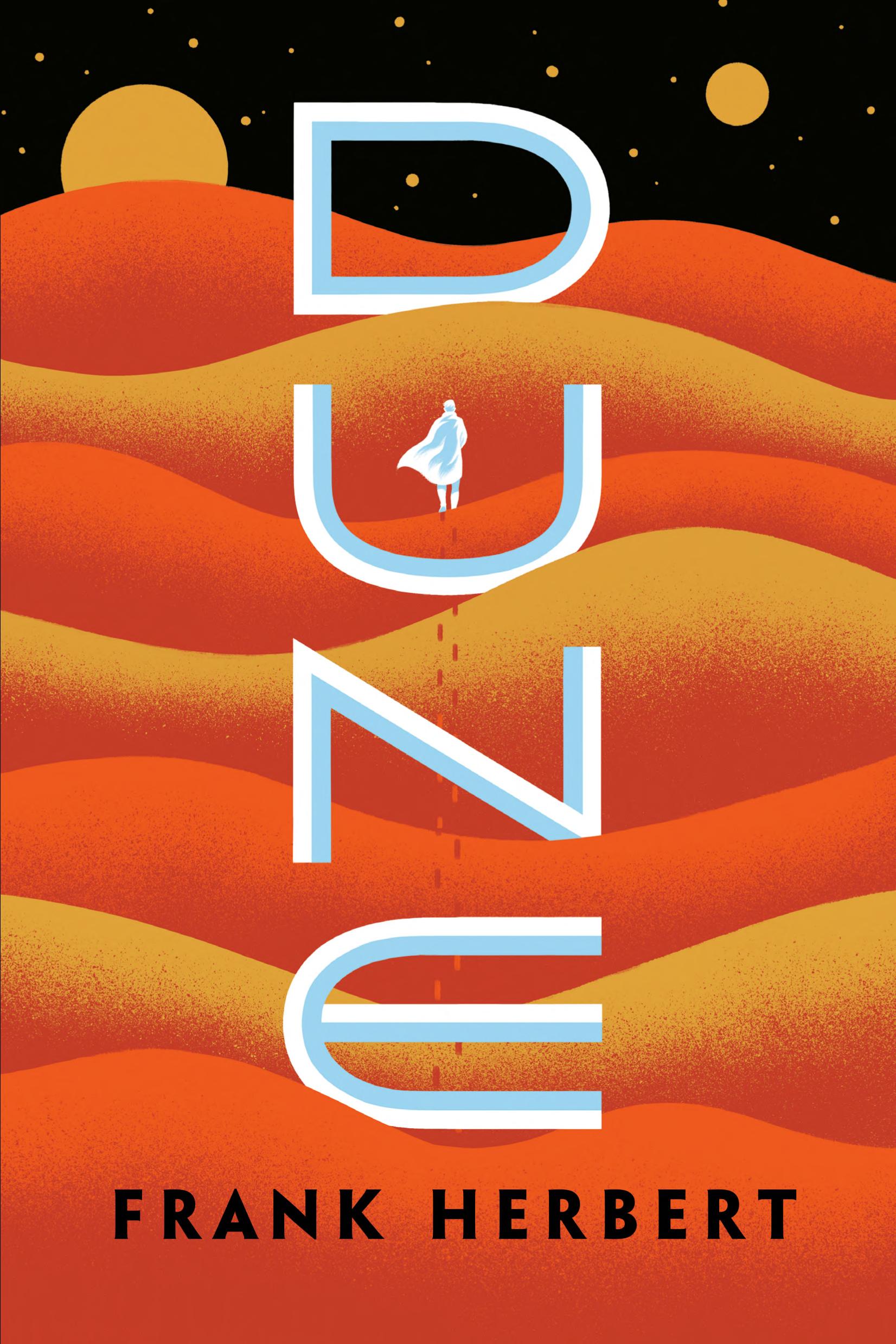
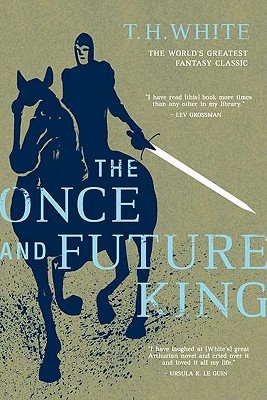
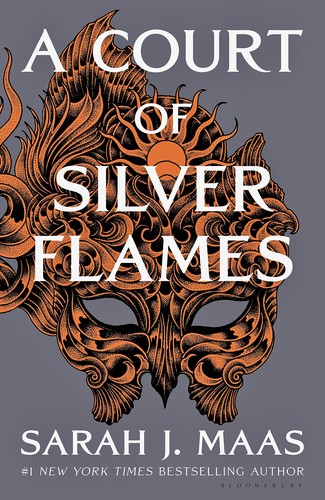
The Priory of the Orange TreeSamantha ShannonAt 800 pages, Shannon’s standalone is the most efficient doorstopper on this list in the sense that it delivers an entire epic’s worth of world-building in a single volume rather than across a multi-book series. Three storylines across different continents, each with distinct political structures, religious traditions, and relationships to dragons, converge toward a single ancient threat — and the length is necessary because Shannon is showing the same mythological history from multiple cultural perspectives, which requires the reader to understand each civilization’s version of events before the convergence can land with its full weight. The right choice for readers who want the scale of epic fantasy without committing to an open-ended series. The Name of the WindPatrick RothfussRothfuss’s novel is the first of a planned trilogy, and its length is justified by the specific formal choice driving the narrative: Kvothe narrating his own life story to a chronicler, in his own words, with all the digressions and self-justifications that an extended first-person oral history actually contains. The university sections, the magic system grounded in something closer to physics than spellcraft, and Kvothe’s gradual transformation from gifted orphan to legendary figure all require the space Rothfuss gives them, because the novel’s central question — how much of what Kvothe is telling us is true, and how much is the self-mythologizing of someone constructing his own legend — depends on the reader having enough material to start noticing the gaps. The Poppy WarR.F. KuangKuang’s trilogy is long because the historical material it’s transposing — the Opium Wars, the Sino-Japanese conflicts, the Rape of Nanjing — demands the space to be rendered with the moral seriousness the events require. The novel begins as something close to a magic-school narrative before expanding into full-scale war, and the shift in scope from Rin’s individual story to the trilogy’s later geopolitical sweep is only possible because Kuang built enough world and enough political structure early on to support the expansion. The length here is in service of an argument about how individual trauma and historical atrocity interact, which a shorter or more contained story could not have made with the same force. DuneFrank HerbertHerbert’s novel earns its length through the sheer density of what it’s building simultaneously: an ecology, a religion, a political system involving competing noble houses and a galactic empire, a prescient protagonist whose visions require the reader to hold multiple timelines in mind, and a desert planet rendered with enough specificity that its ecology functions as a character in its own right. Few novels pack this much world-building into a single 600-page volume without it feeling rushed, and Herbert’s achievement is making the density feel necessary rather than overwhelming — every detail about spice, sandworms, or Bene Gesserit training eventually matters to the plot. The standard against which subsequent science fiction world-building is measured. The Once and Future KingT.H. WhiteWhite’s Arthurian epic earns its 600-plus pages through a structural ambition that few fantasy novels attempt: the four books move from children’s adventure to political philosophy to tragedy, and the length is necessary because the novel’s actual argument — about why idealism cannot survive contact with human nature when it becomes policy — requires the reader to have genuinely loved the early, lighter material before the later books can devastate effectively. A shorter version of this novel could tell Arthur’s story; it could not make White’s argument about the specific way that good intentions curdle into catastrophe when implemented by fallible people. The length is the argument’s delivery mechanism. A Court of Silver FlamesSarah J. MaasThe longest single volume in the ACOTAR series, and the one that most clearly demonstrates why Maas’s books run as long as they do: Nesta’s psychological recovery from severe trauma is not something the novel rushes, and the slow, often frustrating pace of her healing is the point rather than a structural flaw. Maas gives the reader enough time inside Nesta’s self-destruction that her eventual progress feels earned rather than narratively convenient, and the political and military plot developing alongside her personal arc requires the same patience to build properly. The length here is doing emotional work as much as world-building work — a shorter version would have to rush past exactly the material that makes the book matter. Who This Is For
Readers who want to commit to a genuinely epic reading experience — who are not looking for a quick fantasy fix but for a world expansive enough to live inside for weeks, and who trust that length used well produces something a shorter book cannot. The fantasy catalogue has more in this direction.
Frequently asked questions
Q: Is The Name of the Wind worth starting given that the trilogy is unfinished?
A: This is a genuine consideration — the third book has not been published, and there’s no confirmed timeline for its release. Many readers love the first two books enough to consider them worth reading regardless; others prefer to wait until the series is complete. If an unresolved wait would bother you significantly, it’s worth knowing going in.
Q: Which of these is the best starting point for someone new to epic fantasy?
A: The Priory of the Orange Tree is the most self-contained, delivering a complete epic experience in one volume rather than requiring a series commitment. Dune is the most canonical entry point and the shortest at roughly 600 pages.
Q: Is The Poppy War trilogy appropriate for readers sensitive to graphic violence?
A: No — the later volumes include scenes of war crimes and violence based directly on historical atrocities, rendered without significant softening. This is intentional and central to Kuang’s argument, but readers should know what they’re getting into before starting.
Q: How long does it take to read a series like A Court of Thorns and Roses in full?
A: The core series plus A Court of Silver Flames totals roughly 3,000 pages. Most committed readers finish the series in four to six weeks of regular reading, though pace varies widely depending on how much time you have available.
Not sure which of these is right for you specifically? The Pagesmith quiz matches you to books based on your mood, pacing preference, and reading goals, not bestseller lists. Takes two minutes.