Books With Villains You Can't Help Rooting For
A genuinely great villain isn't just menacing -- they're persuasive. The best ones make a case for themselves that's coherent enough you have to actively resist agreeing with it, which is a much harder thing for a writer to pull off than simple menace. These six books have villains worth being uncomfortably charmed by.
June 2026 · 6 min read · The Pagesmith
There’s a meaningful difference between a villain who is simply menacing and a villain you catch yourself rooting for despite knowing better. The menacing villain is an obstacle — well-rendered, perhaps frightening, but fundamentally external to the reader’s sympathies. The villain worth rooting for is something more dangerous to the reading experience: a character whose internal logic is coherent enough, whose grievances are real enough, and whose charisma is strong enough that agreeing with them takes active resistance. This is a much harder thing to write than simple menace, because it requires the author to genuinely build the villain’s case rather than simply gesturing at motivation before getting back to the plot. The books here all have villains of this caliber — characters whose presence on the page produces a small, uncomfortable thrill of agreement, and whose eventual defeat (when it comes) lands with more complexity than straightforward triumph.
The villain worth rooting for isn’t morally confused or secretly good. They’re simply persuasive enough that the reader has to do real work to remember why they shouldn’t be agreeing — which means the villain has earned something a simple antagonist never does: your genuine, if reluctant, attention.
The Books
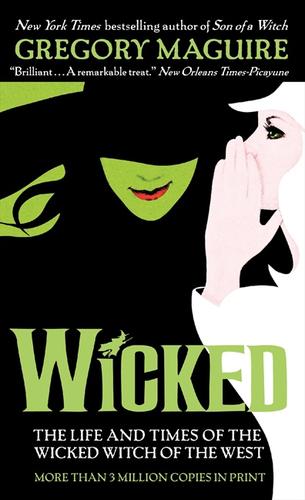
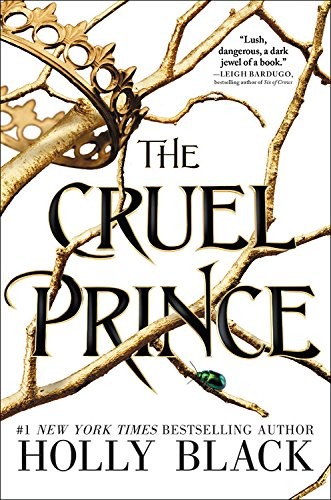
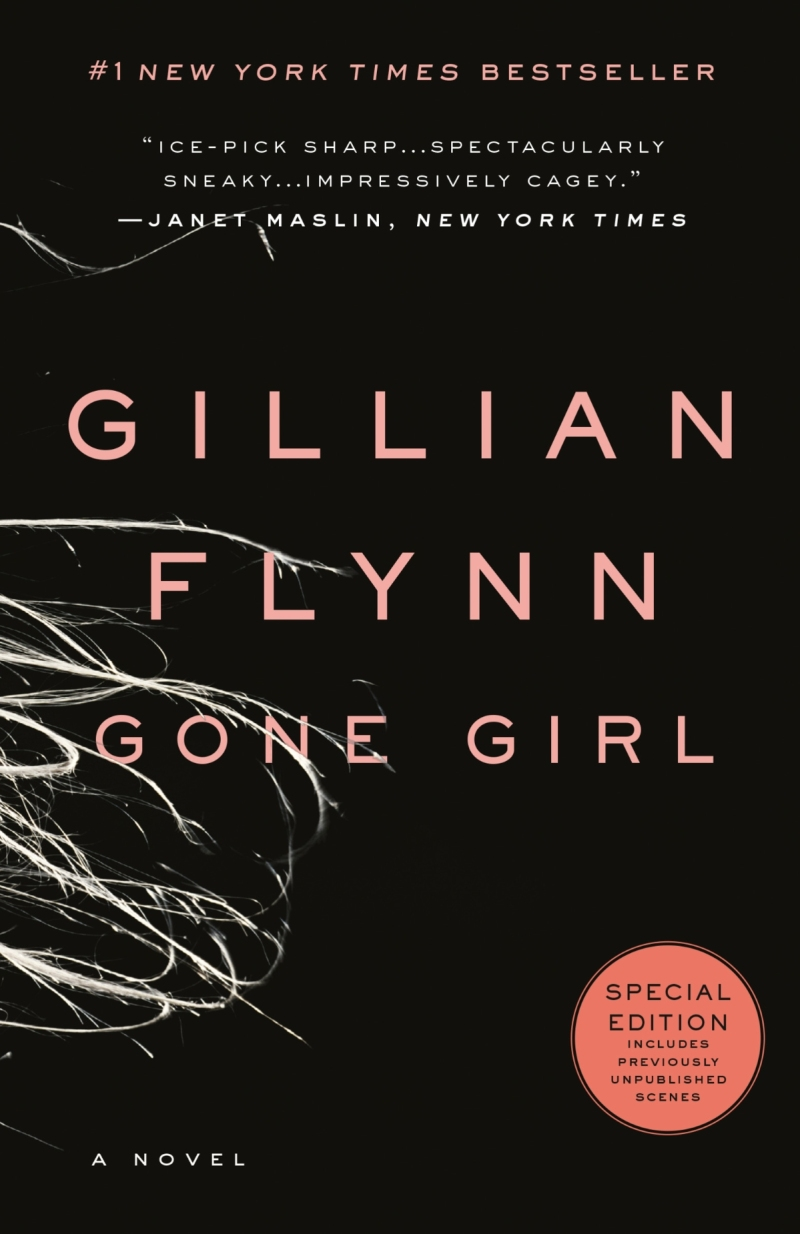
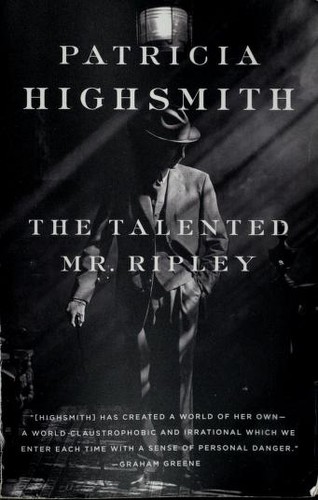
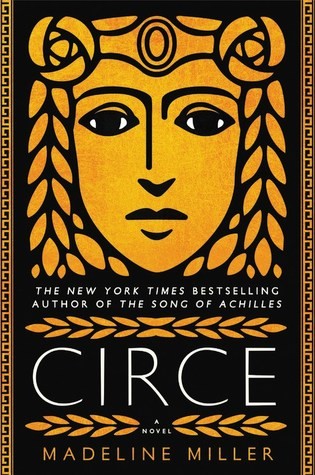
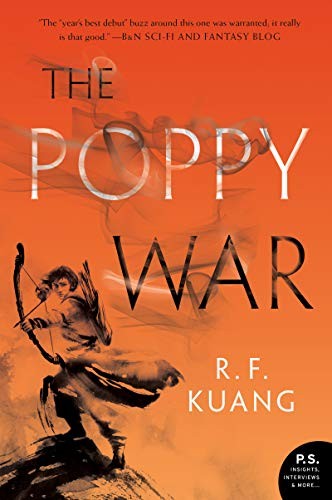
WickedGregory MaguireMaguire’s novel is the foundational text for the modern villain-as-protagonist tradition, and Elphaba’s case is built with genuine political and moral seriousness rather than simple sympathy. The Wicked Witch of the West, as the Wizard’s regime requires her to be understood, is revealed to be a politically engaged, morally principled woman whose resistance to an authoritarian government has been successfully rebranded as villainy by the propaganda apparatus of the people she’s resisting. Maguire isn’t asking you to feel sorry for Elphaba — he’s making you understand that her version of events is more accurate than the official one, which is a different and more uncomfortable kind of persuasion. The Cruel PrinceHolly BlackCardan is introduced as genuinely cruel — the novel’s title is not ironic, at least not initially — and Black does the difficult work of making his cruelty comprehensible without excusing it, rooted in his own specific position as the least-favored son in a court built entirely around hierarchy and power. The slow revelation of what produced him, combined with Black’s refusal to simplify the power dynamics between him and Jude into a clean redemption arc, makes Cardan one of the most genuinely earned morally complicated love interests in contemporary YA fantasy. The reader’s growing sympathy for him is never fully comfortable, which is exactly the point. Gone GirlGillian FlynnAmy Dunne is genuinely monstrous by the novel’s end, and Flynn never asks you to forget that — but the “Cool Girl” monologue and the specific accuracy of Amy’s observations about how women are required to perform palatability in relationships are persuasive enough that readers consistently report a discomforting moment of agreement before remembering what Amy is actually doing with that insight. The novel’s achievement is keeping both things true simultaneously: Amy’s critique of her situation is accurate, and her response to it is monstrous, and Flynn never lets either fact cancel out the other. The Talented Mr. RipleyPatricia HighsmithTom Ripley is a murderer within the first half of the novel, and Highsmith’s specific accomplishment is that the reader keeps wanting him to get away with it anyway — not because his crimes are justified but because Highsmith has made his hunger for beauty, ease, and a life he believes he deserves so legible that his escalating choices feel like an extension of something genuinely sympathetic rather than a departure from it. The novel’s closeness to Ripley’s perspective does the persuasive work: by the time he’s covering his tracks, the reader has been inside his logic long enough to be rooting for the cover-up to succeed. CirceMadeline MillerCirce is a villain in the original Homeric material — the witch who turns Odysseus’s men into pigs — and Miller’s novel rebuilds her entire interiority from the inside, rendering her transformation of dangerous men into animals not as random cruelty but as a specific, reasoned response to a long history of being underestimated, exploited, and dismissed by the gods and mortals around her. The novel doesn’t excuse what Circe does so much as make clear that the original myth never bothered to ask why she might do it. By the time the famous episode with Odysseus’s crew arrives, Miller has made Circe’s logic so coherent that the reader is positioned firmly on her side of an encounter the original story never imagined from her perspective at all. The Poppy WarR.F. KuangRin begins as the trilogy’s protagonist and ends as something closer to its villain, and Kuang’s achievement across the three books is making her trajectory feel logically inevitable rather than a betrayal of who she was at the start. Her grievances are real, rooted in genuine historical atrocity, and her response to those grievances becomes genuinely horrifying without the novel ever suggesting the grievances themselves were illegitimate. By the trilogy’s end, the reader who has stayed with Rin from the beginning has to reckon with having rooted for someone who became capable of mass violence — which is exactly the discomfort Kuang is interested in producing. Who This Is For
Readers who want morally complicated villains rather than simple obstacles — who enjoy the discomfort of finding themselves persuaded by someone they know they shouldn’t agree with. Also readers who are tired of villains whose motivation is gestured at rather than genuinely built. The fantasy and literary fiction catalogues have more in this direction.
Frequently asked questions
Q: Is Wicked appropriate for readers who only know the musical?
A: Maguire’s novel is considerably darker and more politically complex than the musical, which softens much of the original material. Readers coming from the musical should expect a more challenging, less romantic, and more explicitly political book.
Q: Does rooting for these villains say something concerning about the reader?
A: Not at all — this is exactly the response well-crafted morally complex fiction is designed to produce. The discomfort of finding a villain’s logic persuasive is the author doing their job; it’s a sign of sophisticated characterization, not a problem with your judgment.
Q: Is Circe a villain in Madeline Miller’s version, or has she been fully redeemed?
A: Miller doesn’t redeem Circe so much as recontextualize her — the transformations she performs are still genuinely dangerous and still happen, but the novel gives them a coherent emotional logic the original myth never provided. Whether you consider her redeemed depends on how much weight you put on motive versus action; Miller leaves that judgment to the reader.
Q: What should I read after The Poppy War if I want more morally complex protagonists turning villainous?
A: The Secret History by Donna Tartt follows a similar arc at a smaller scale — a group of sympathetic students whose actions become genuinely monstrous. Crime and Punishment is the foundational text for watching a sympathetic protagonist’s logic curdle into something the reader has to reckon with.
Not sure which of these is right for you specifically? The Pagesmith quiz matches you to books based on your mood, pacing preference, and reading goals, not bestseller lists. Takes two minutes.