Making Something: The Best Books About Creativity
The best books about creativity don't offer systems. They offer something harder to find: an honest account of what it actually feels like to make something -- the specific quality of creative work's difficulty, the relationship between a maker and their material, and what the making costs and produces in the person doing it.
June 2026 · 7 min read · The Pagesmith
Books about creativity divide into two categories. The first offers systems: morning pages, the creative process in seven steps, the habits of highly creative people. These can be useful. The second is rarer and more valuable: books that render the actual experience of creative work with enough honesty that the reader feels recognized rather than advised. The books here belong to the second category. They are not telling the reader how to be creative; they are describing what it feels like from the inside to be engaged in a sustained creative practice — the specific resistance of difficult material, the relationship between a maker and the thing they’re making, the particular combination of obsession and doubt that seems to be required. Several are nonfiction; one is fiction. All of them are more honest than most creative advice, because they show the difficulty rather than resolving it into method.
The best books about creativity aren’t inspiring in the self-help sense. They’re accurate — honest about the resistance, the doubt, the specific quality of daily difficulty that sustained creative work involves. That accuracy is more useful than inspiration, because inspiration passes but accurate understanding of what you’re actually dealing with doesn’t.
The Books
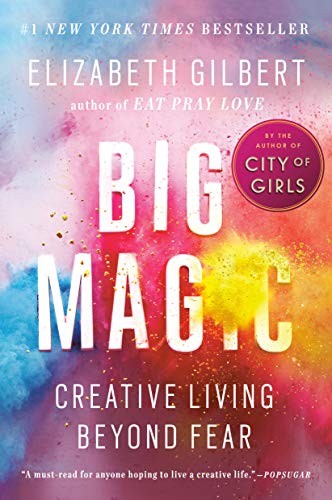
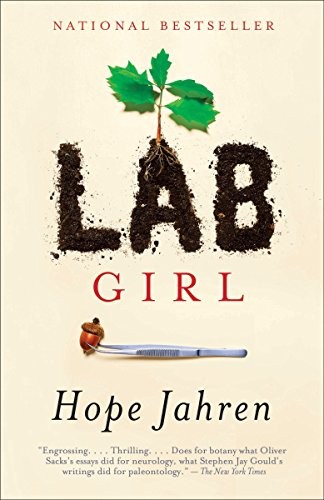
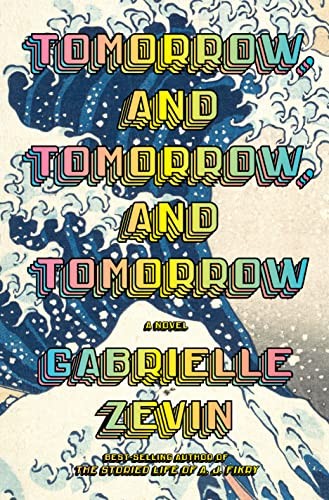
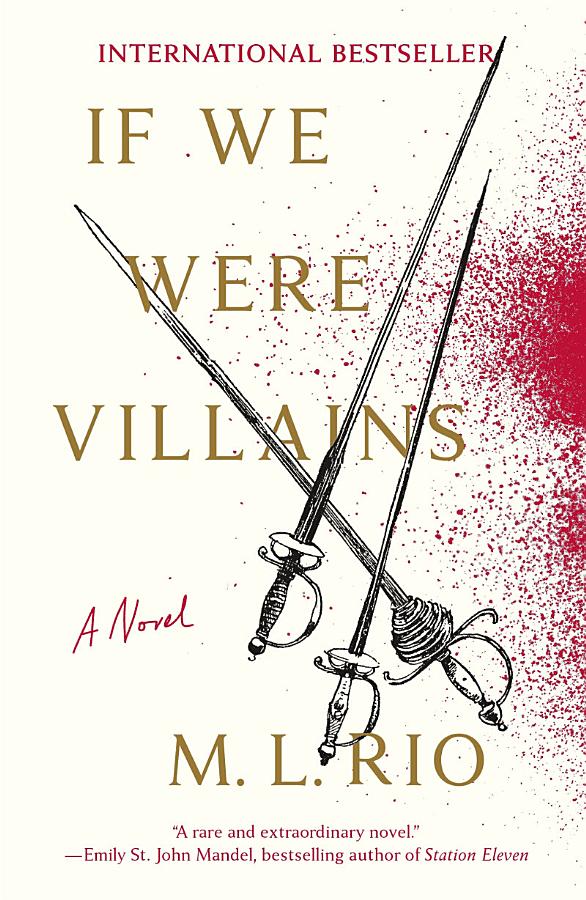
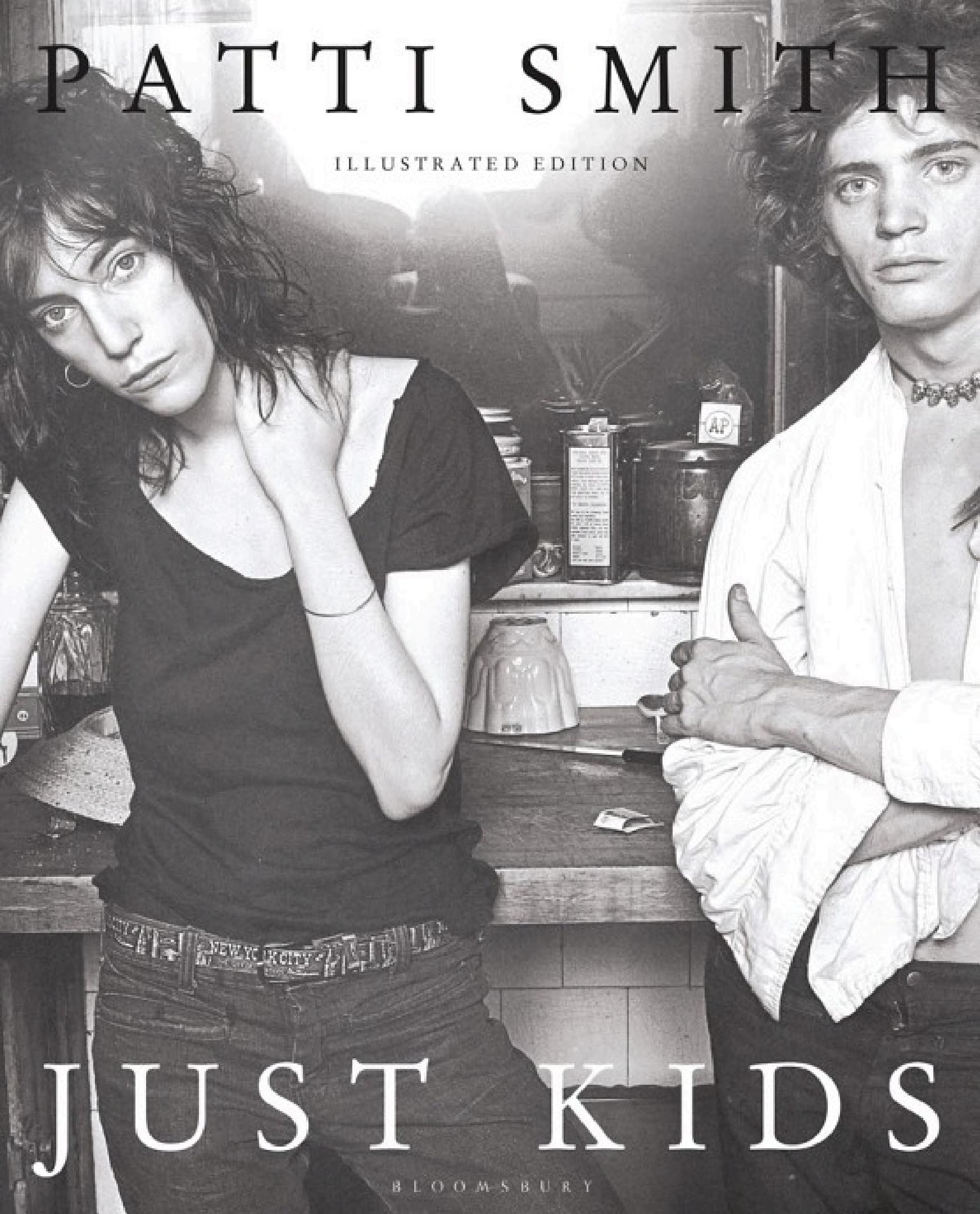
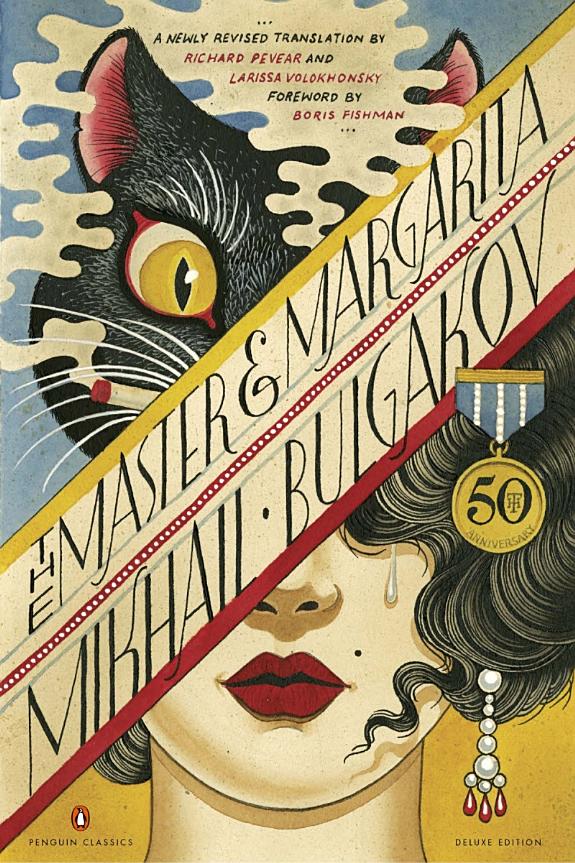
Big MagicElizabeth GilbertGilbert’s book is organized around a single, genuinely useful argument: the creative life does not require permission, suffering, or a particular level of talent, and the primary obstacle to it is fear dressed as various kinds of practical objection. Her tone is warm and direct without being glib, and she is honest about the resistance that creative work requires navigating without either romanticizing that resistance or pretending it doesn’t exist. The specific sections on ideas as living things, on the difference between inspiration and completion, and on the relationship between creative work and personal suffering are the most practically useful of any creative advice book available, partly because Gilbert is writing about her own experience rather than abstracting a system from other people’s. Lab GirlHope JahrenJahren’s memoir alternates between chapters about her scientific career and chapters about plants, and the interleaving is the argument: scientific research is a creative practice, shaped by the same obsession, the same patience with failure, and the same relationship between a person and their material that characterizes artistic work. Jahren writes about the specific quality of scientific attention — the long years of observation, the equipment failures, the specific joy of understanding something that no one has understood before — with the same prose precision she brings to the chapters about tree roots and underground networks. The most detailed account available in popular science memoir of what sustained creative work in research actually consists of on a daily basis. Tomorrow, and Tomorrow, and TomorrowGabrielle ZevinZevin’s novel renders creative collaboration — specifically, the creation of video games across two decades of a friendship and partnership between Sam and Sadie — with enough technical and emotional specificity that the reader understands what game design actually involves as a creative practice. The novel is interested not in the games as products but in the experience of making them together: the creative disagreements, the division of aesthetic vision, the way that shared work produces intimacy and resentment in the same gesture. Zevin’s specific achievement is making the reader care about the making of something they’ve never seen, which is the clearest demonstration available in recent fiction of what it means to render creative work honestly. If We Were VillainsM.L. RioRio’s Shakespeare conservatory novel is the most specific available account of what serious performance training requires of the people who undergo it — the specific way that inhabiting other people’s consciousness, repeatedly and at depth, changes your relationship to your own identity. The novel’s dark thriller mechanics are organized around this creative premise: when you are trained to become whoever the role requires, the boundary between performance and identity becomes genuinely unstable, and the question of who you are outside the rehearsal room becomes genuinely difficult to answer. For readers interested in creativity as a practice that transforms the practitioner rather than simply producing an artifact. Just KidsPatti SmithSmith’s memoir of her early years in New York with Robert Mapplethorpe is the most romantic account of the creative life on this list — young artists in the Chelsea Hotel, broke but surrounded by people becoming important, constructing their artistic identities through the specific combination of observation, influence, and daily work that the New York art world of the late 1960s and 1970s provided. Smith’s prose has the same quality as her music: lyrical, specific, organized around precise sensory memory rather than analysis. The memoir is honest about the difficulty of artistic poverty without romanticizing it beyond its reality, and about what the creative friendship between her and Mapplethorpe actually consisted of on a daily basis across the years the book covers. The Master and MargaritaMikhail BulgakovBulgakov’s novel about a writer whose suppressed manuscript survives despite everything is the most political account of creativity on this list: the Master burns his manuscript when the Soviet literary establishment refuses it, and Woland’s response — that manuscripts don’t burn — is both a statement of consolation and a claim about the relationship between genuine creative work and the institutional structures that try to contain it. Bulgakov wrote the novel in secret over many years, knowing it could not be published in his lifetime, which makes the book itself the fullest demonstration of the argument it is making: that some things need to be written regardless of whether they can be seen, and that the writing is not diminished by the suppression. Who This Is For
Readers who are engaged in or aspiring to some form of creative practice and who want honest accounts of what that practice actually involves — who want accuracy about the difficulty rather than inspiration that papers over it. Also readers who are simply curious about how creative work of different kinds (scientific research, performance, game design, music, writing) is actually experienced by the people doing it. The nonfiction catalogue has more in this direction.
Frequently asked questions
Q: Is Big Magic specifically for writers, or does it apply to other creative fields?
A: Gilbert explicitly argues for a broad definition of creative living that extends beyond conventional artistic practice. The specific examples are often from her own writing, but the underlying arguments — about fear, permission, and the relationship between creative work and personal suffering — apply across creative fields. Most readers in non-writing creative practices report finding it as useful as writers do.
Q: Is Just Kids primarily about Patti Smith or Robert Mapplethorpe?
A: Both equally — the memoir is about their relationship and their parallel development as artists rather than primarily about either one individually. Readers who come for Smith specifically and readers who come for Mapplethorpe both tend to find the book satisfying, because the partnership between them is the subject rather than either person in isolation.
Q: Is Tomorrow, and Tomorrow, and Tomorrow accessible to readers who don’t play or know much about video games?
A: Yes — Zevin provides enough context that prior knowledge of gaming is not required. The novel is about the experience of making games rather than about playing them, and that creative experience is legible to any reader who has tried to make something collaboratively over a long period.
Q: What should I read after Lab Girl if I want more science memoir that reads like literature?
A: When Breath Becomes Air by Paul Kalanithi covers adjacent territory — a scientist-physician facing terminal illness, writing about what the work meant to him — with similar literary ambition and similar precision. The Emperor of All Maladies is the most comprehensive account of a specific scientific problem rendered with narrative skill.
Not sure which of these is right for you specifically? The Pagesmith quiz matches you to books based on your mood, pacing preference, and reading goals, not bestseller lists. Takes two minutes.