Best Science Fiction Books for Literary Fiction Readers
Literary sci-fi uses speculative premises to ask questions about consciousness, gender, memory, and mortality that realist fiction cannot access with the same leverage. These books prove the best science fiction is not about technology but about what it means to be human.
May 2026 · 8 min read · The Pagesmith
Most literary fiction readers who say they don’t like science fiction have encountered the genre at its most genre-forward: books organized around the pleasures of world-building, technology, and plot mechanics, where the literary values — precision of prose, psychological depth, formal intelligence — are secondary to the speculative ideas. There is nothing wrong with that kind of science fiction. It is simply not the only kind, and the books here are the other kind: novels that happen to use a speculative premise because the premise allows them to ask a question that realism cannot ask with the same directness. Ursula K. Le Guin needed a planet with no gender to examine what gender actually is and does. Kazuo Ishiguro needed clones to render certain things about conditioned consciousness and the acceptance of fate. Vonnegut needed Billy Pilgrim’s time travel to find the only honest structure for a consciousness processing the Dresden firebombing. The speculative element in each case is not the point; it is the instrument.
What Makes Literary Science Fiction Different
The distinction is between science fiction where the world is the interest and science fiction where the world is the method. In genre-forward science fiction, readers want to understand the rules of the invented reality and see what happens when those rules produce conflict. In literary science fiction, the invented premise creates conditions under which a specific human question can be examined with more clarity than realism permits. Le Guin is not interested in what Gethen is like; she is interested in what gender is, and Gethen is the formal device that makes the examination possible. Once a reader understands that distinction, the books here read exactly like literary fiction — because they are.
The speculative premise in the best literary science fiction is not where the story lives. It is the instrument that makes the story’s real subject — gender, memory, mortality, what it means to be human — legible in a way that realism cannot achieve.
The Books
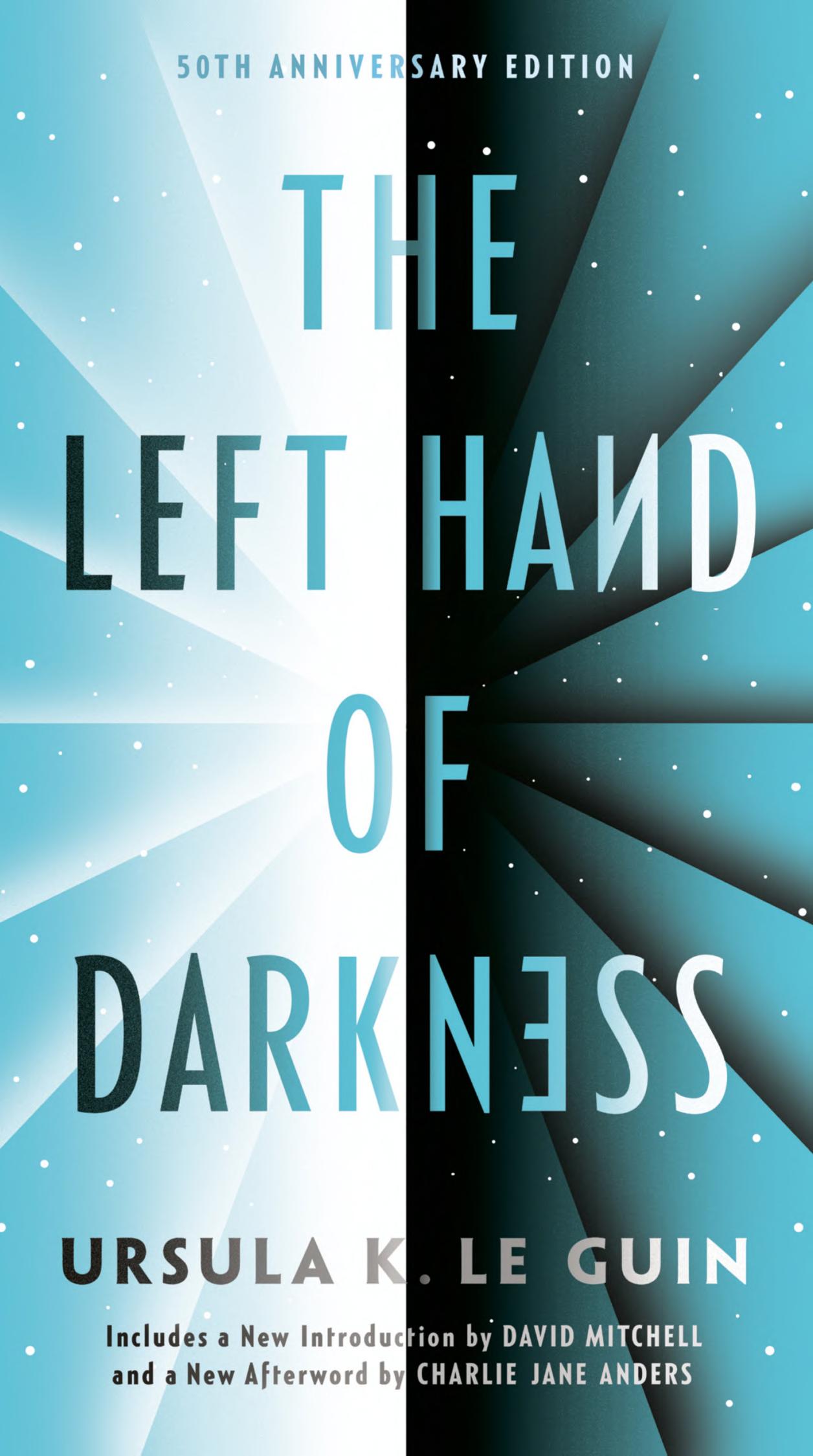
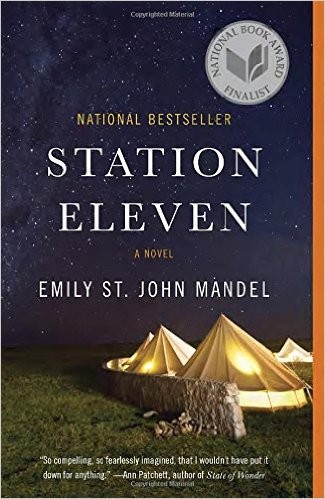
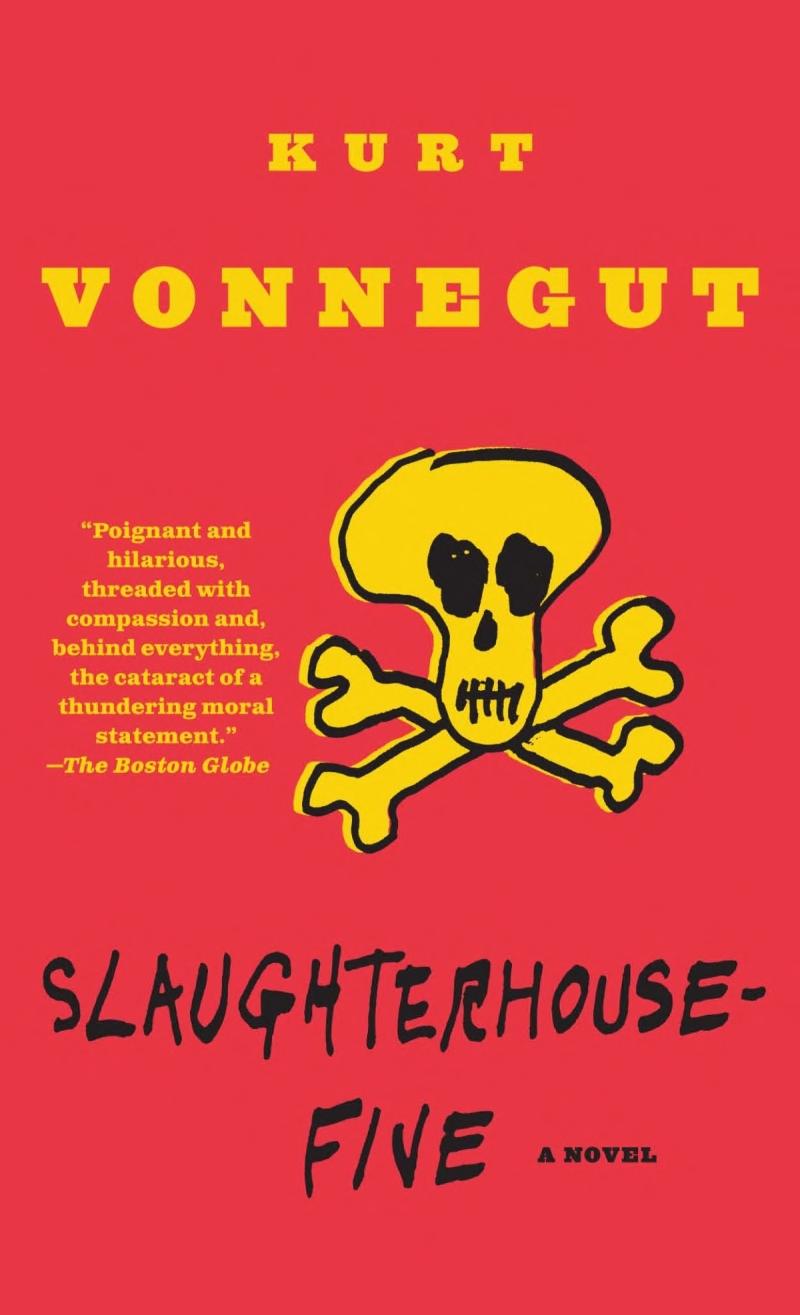
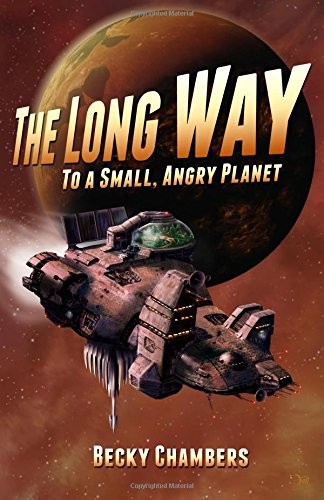
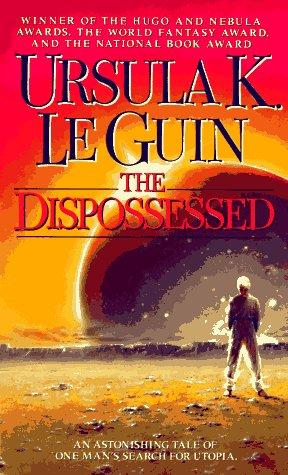
Never Let Me GoKazuo IshiguroThe entry point for literary fiction readers, because Ishiguro uses the science fiction premise almost invisibly. The novel reads as a boarding school memory narrative for most of its first half, and the gradual revelation of what Hailsham actually is arrives the way Ishiguro’s revelations always do — through accumulation rather than disclosure. The cloning premise is not there for science fiction reasons; it is there because Ishiguro needed characters who had accepted, without fully understanding, a fate assigned before they were born, and the narrative conditioned consciousness of a clone is the most precise formal realization of that condition available. One of the most literary novels of the past thirty years regardless of genre classification. The Left Hand of DarknessUrsula K. Le GuinLe Guin’s novel is the clearest demonstration in science fiction of how a speculative premise can function as a philosophical argument. The people of Gethen are neither male nor female except during brief monthly periods of fertility, and an Envoy from a gendered society trying to understand Gethen’s politics becomes the instrument through which Le Guin examines what gender actually is — not a biological fact but a social construction that produces specific kinds of power, conflict, and possibility. The prose is cooler and more anthropological than most literary fiction, which is a stylistic choice rather than a genre marker: Le Guin writes like someone making a careful argument, which she is. Station ElevenEmily St. John MandelMandel’s novel is the best argument available that post-apocalyptic fiction need not be organized around survival mechanics and violence. The pandemic that destroys civilization in Station Eleven is a given — the novel begins in the aftermath — and what Mandel is interested in is not how people survive but what they choose to preserve and why. The traveling Shakespeare company, the graphic novel, the specific art objects that characters carry into the new world: these are Mandel’s argument about what human beings actually need, and the speculative premise is simply the formal device that creates conditions extreme enough to make the argument visible. More interested in memory and the persistence of culture than in logistics. Slaughterhouse-FiveKurt VonnegutThe time travel and the Tralfamadorians are not science fiction elements in the genre sense; they are Vonnegut’s formal solution to the problem of writing about the Dresden firebombing. How do you describe mass civilian death without aestheticizing it, without making it dramatic or meaning-producing in ways that falsify the experience? By making the narrative non-linear, by having the consciousness processing the trauma become unstuck in time, by introducing aliens whose philosophy of time renders death trivial — not because death is trivial but because the scale of what happened at Dresden exceeds the frameworks that conventional narrative provides for it. “So it goes” is not cynicism; it is the only honest response to a scope of loss that language cannot otherwise contain. The Long Way to a Small, Angry PlanetBecky ChambersChambers is doing something unusual in science fiction: she is interested in what daily life looks like in a future that has successfully addressed most of its civilizational problems. The ship Wayfarer and its crew are not in crisis — the plot mechanics are real but light — and what the novel is actually about is what community looks like when the people in it have chosen each other and are trying to make something work across species, temperaments, and histories. Less like genre science fiction and more like a very warm novel about a group of people who happen to live on a spaceship. The best entry point for literary fiction readers who specifically avoid science fiction because they find the genre inhuman. The DispossessedUrsula K. Le GuinLe Guin’s most politically serious novel uses a twin-planet system — one anarchist, one capitalist — to examine what political philosophy looks like when actually lived rather than theorized. Shevek’s journey from Anarres to Urras and back is organized around the question that all political philosophy must eventually face: not which system is theoretically superior but what each one does to the people living inside it, day to day, and what forms of freedom and unfreedom each one produces. More demanding than The Left Hand of Darkness and less immediately accessible, but the most rigorous piece of political fiction available in the science fiction tradition. For literary fiction readers who want their speculative premise to carry a genuinely philosophical argument. Who This Is For
Literary fiction readers who have dismissed science fiction as a genre because their encounters with it have been with books organized around different pleasures from the ones they value, and who want evidence that the genre contains work that meets their standards for prose, psychological depth, and formal intelligence. Also readers who have loved Never Let Me Go or Slaughterhouse-Five without thinking of them as science fiction and who want to understand the tradition they belong to.
Frequently asked questions
Q: What is the difference between science fiction and literary science fiction?
A: In genre science fiction, the invented world and its rules are the primary interest — the reader wants to understand how the speculative premise works and see what dramatic situations it produces. In literary science fiction, the speculative premise is a formal instrument used to examine a human question that realism cannot access with the same directness. The distinction is between the world as subject and the world as method.
Q: Why is Never Let Me Go considered literary fiction if it has a science fiction premise?
A: Because Ishiguro uses the premise as a vehicle rather than as an interest. He is not interested in the technology of cloning or the social organization of a world that farms clones for organs; he is interested in conditioned consciousness, accepted fate, and the specific quality of a memory that preserves what it cannot understand. The science fiction element creates the conditions for those interests; it does not constitute the novel’s subject.
Q: Which of these is the best starting point for a committed science fiction skeptic?
A: Never Let Me Go is the most invisible science fiction premise and the most immediately recognizable as literary fiction. Station Eleven is the most accessible and the most propulsive. The Long Way to a Small, Angry Planet is the warmest and least likely to produce genre resistance. All three are good starting points; Never Let Me Go is probably the safest recommendation for the most resistant reader.
Q: What should I read after The Left Hand of Darkness if I want more Le Guin?
A: The Dispossessed is her most politically rigorous novel, a natural companion. The Ones Who Walk Away from Omelas is an eight-page short story that is Le Guin at maximum compression — the most efficient demonstration of how a speculative premise can function as a moral argument. The Word for World Is Forest is a novella about colonialism and indigenous resistance that reads as a Vietnam-era allegory.
Not sure which of these is right for you specifically? The Pagesmith quiz matches you to books based on your mood, pacing preference, and reading goals, not bestseller lists. Takes two minutes.