6 Essential Books About Faith and Doubt You Need to Read
The best fiction about faith is not about whether God exists but about what belief does to the people who hold it, lose it, or were never able to fully have it. These books treat the question with the seriousness Dostoevsky identified: as the most urgent problem a person can face.
May 2026 · 8 min read · The Pagesmith
Fiction about religion tends toward two failure modes. The first is the dismissive mode: faith as superstition, religious characters as either hypocrites or fools, the implicit argument that enlightened people have moved beyond all of this. The second is the credulous mode: faith as the answer, doubt as the problem to be overcome, the spiritual journey that ends in confirmed belief. The books here reject both positions. They approach faith and doubt as Dostoevsky approached them — not as a contest with a winner but as the most serious question a person can spend a life on, with genuine stakes on both sides and no resolution that satisfies everyone. Ivan Karamazov’s argument against God is as fully rendered as Alyosha’s faith; Pratchett’s satire of institutional religion is as loving toward real faith as it is savage toward its corruption; Hesse’s Siddhartha abandons every available framework for faith before arriving at something that cannot be taught or institutionalized. These books earn the subject by refusing the easy answer in either direction.
Why Fiction Is Uniquely Equipped for This Subject
Philosophy and theology argue about faith. Fiction inhabits it. The difference matters because the question of belief is not primarily an intellectual problem — it is an experiential one. What does it feel like to lose faith you built your life around? What does it feel like to witness suffering and try to hold onto the framework that God is good? What does it feel like to be inside an institution that claims to serve God while serving power? These questions can be argued in the abstract; they can only be fully understood through the specific texture of specific lives. The novels here place the reader inside that experience in ways that no amount of theological argument can replicate, which is why they clarify the subject rather than resolving it.
Ivan Karamazov’s argument against God in The Brothers Karamazov has never been fully answered. Neither has Alyosha’s response. Dostoevsky understood that faith and doubt are not positions to be won but conditions to be lived with, and the best fiction about them demonstrates that by refusing to adjudicate.
The Books
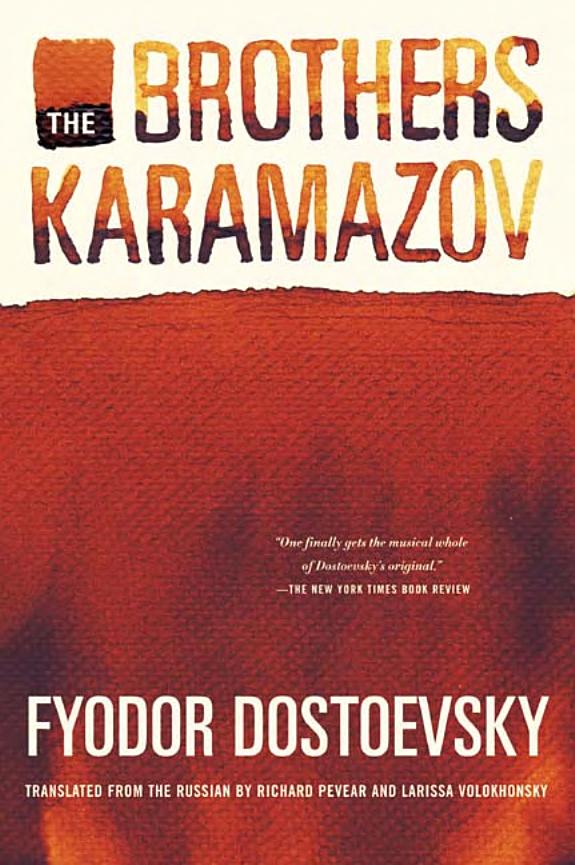
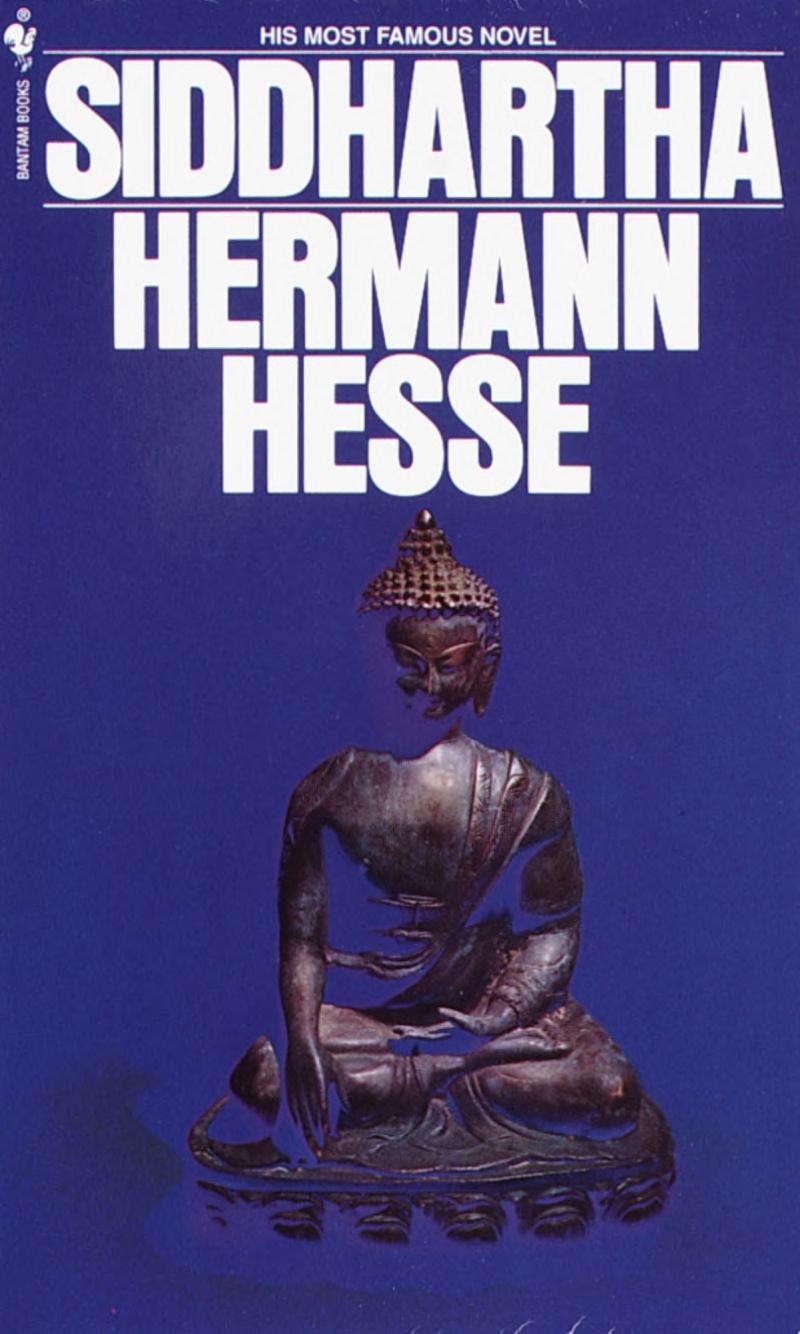
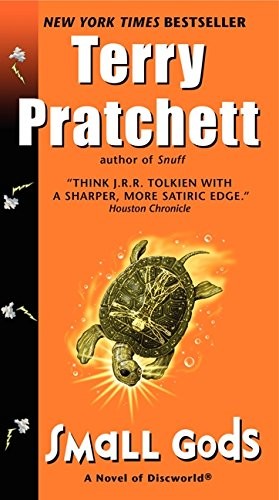
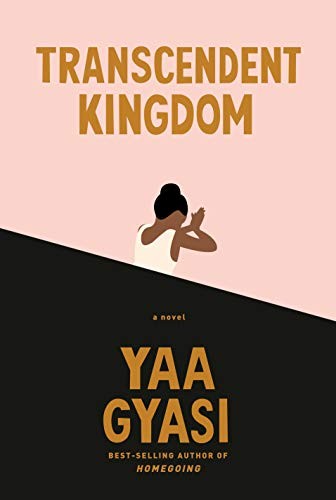
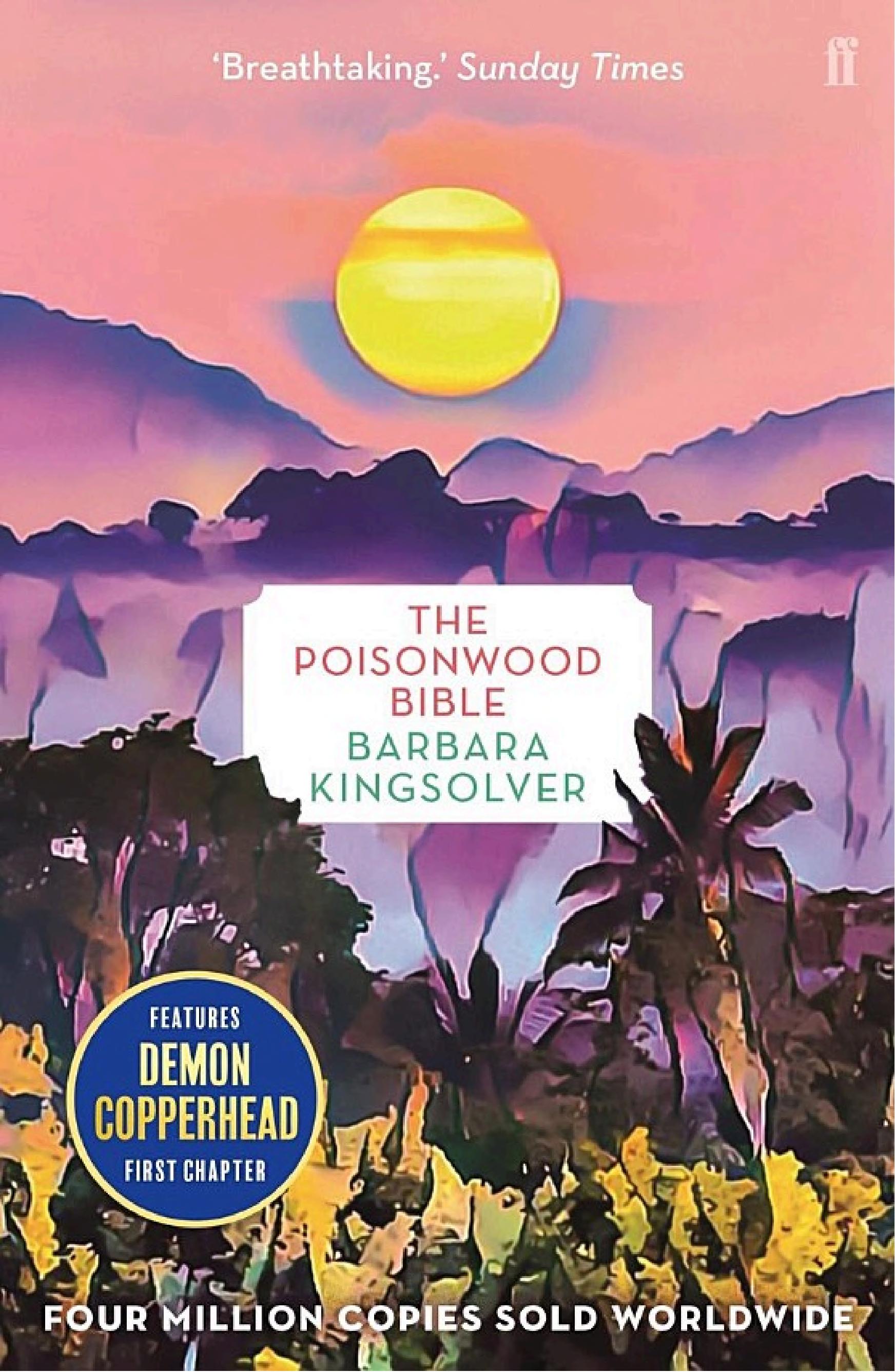
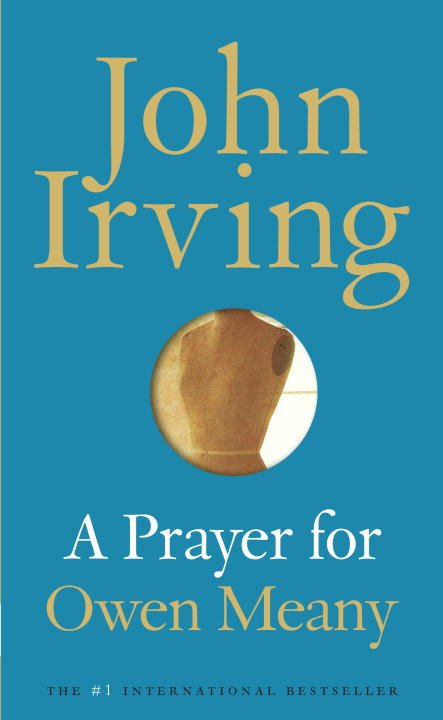
The Brothers KaramazovFyodor DostoevskyThe most complete fictional examination of faith and doubt in world literature, organized around three brothers who embody three different answers to the question of whether God exists and whether it matters. Ivan’s Grand Inquisitor chapter is the most persuasive literary argument against faith available — it has not been satisfactorily answered in a hundred and fifty years — and Dostoevsky, who was himself a believer, makes it as good as he possibly can before placing Alyosha’s response alongside it. Alyosha does not argue back. He demonstrates, through how he lives, that faith is not a philosophical position but a practice, and Dostoevsky’s answer to Ivan is not a counterargument but a character. Whether that answer satisfies is the question the novel leaves with the reader. SiddharthaHermann HesseHesse’s novel is the Eastern counterpart to the Western faith novels on this list, and the one that makes the most radical argument about where genuine belief comes from: not doctrine, not institution, not even a teacher, but direct experience that cannot be transmitted. Siddhartha abandons his Brahmin inheritance, finds and leaves the Buddha, pursues sensual wealth and abandonment, and arrives at the river’s lesson — that the truth cannot be taught, only lived into. Hesse’s argument is that all the available frameworks for faith, including the most profound, are substitutes for something that each person must arrive at through their own specific path. Where The Brothers Karamazov asks whether God exists, Siddhartha asks whether the question can even be approached through inherited belief rather than through earned experience. Small GodsTerry PratchettPratchett’s satire is the most formally unusual entry on this list, and the one that makes its argument about the relationship between genuine faith and institutional religion most directly. The god Om has shrunk to a tortoise because his church has stopped believing in him while continuing to enforce belief in others — the church persecutes doubt while practicing it — and the novice Brutha is the only person who actually believes in Om, because he is the only person whose faith is not mediated by institutional performance. Pratchett is savage toward organized religion as a power structure and genuinely respectful toward private faith as an experience. The combination is rarer in fiction than it should be, and Small Gods is the most formally elegant version of it available. Transcendent KingdomYaa GyasiGyasi’s novel is the most contemporary entry on this list and the one that most directly places the faith-and-doubt question inside a scientific context. Gifty is a neuroscience PhD student studying addiction in mice while her deeply religious Ghanaian-immigrant mother lies catatonic in her childhood bedroom, and the novel is organized around the specific tension between the two frameworks Gifty has for understanding what happened to her brother and her family: the neuroscience she has chosen as her profession and the Pentecostal faith she was raised in and cannot fully abandon. Neither framework is sufficient alone, and Gyasi is honest about what each can and cannot explain. The most precise contemporary fictional account of what it feels like to be scientifically trained and spiritually unresolved. The Poisonwood BibleBarbara KingsolverKingsolver’s novel approaches the faith question through the most extreme version of institutional religious certainty: a Baptist missionary who moves his family to the Congo in 1959, convinced that God has commanded him to save African souls, and who is constitutionally incapable of entertaining the possibility that he is wrong. Nathan Price is not a hypocrite — his faith is genuine — but it is a faith that has been weaponized by his own psychology, and Kingsolver uses five narrators (his wife and four daughters) to show what genuine conviction looks like from the outside when it becomes indistinguishable from destructive certainty. The novel is both a critique of missionary religion and a complex portrait of what faith that has curdled into ideology does to the people it claims to serve. A Prayer for Owen MeanyJohn IrvingIrving’s novel is the most American treatment of faith on this list, and the one that approaches it through the lens of predestination rather than doubt. Owen Meany’s absolute certainty that he has been chosen for something specific — that his whole life is preparation for a single act — is the purest fictional rendering of Calvinist conviction available, and Irving renders it without irony. The novel does not mock Owen’s faith; it demonstrates it, which is the harder and more interesting formal choice. John Wheelwright, the narrator, is the doubter in relation to whom Owen’s faith becomes visible, and the decades John spends trying to understand what Owen’s life meant is the novel’s argument that witnessing genuine faith changes the witness, regardless of whether it produces faith in return. Who This Is For
Readers who take the question of faith seriously — whether they are believers, former believers, or committed nonbelievers — and who want fiction that treats it with the same seriousness rather than using religion as either a source of comfort or a target for satire. Also readers who found Ivan Karamazov’s argument in The Brothers Karamazov more persuasive than they expected, and who want to understand what fiction has done with the question he raises. The literary fiction catalogue has more in this direction.
Frequently asked questions
Q: Do I need to be religious to appreciate these books?
A: No. The novels here take faith seriously as a human experience rather than as a truth claim, which means they are accessible and valuable regardless of the reader’s own position on the question. Ivan Karamazov’s argument against God is as compelling to atheists as to believers; Siddhartha’s rejection of inherited doctrine is as useful to people who have never believed as to those who have left religion behind; Small Gods is as savage toward institutional power as it is respectful toward genuine private faith.
Q: Is Siddhartha a Buddhist book?
A: Hesse draws on Buddhist ideas but Siddhartha is not a Buddhist text — the novel’s Siddhartha finds and leaves the Buddha, concluding that the truth cannot be transmitted from teacher to student but must be arrived at through direct experience. Hesse is using Buddhist frameworks to make an argument about the limits of all inherited belief systems, including Buddhism. The novel is as useful to Christian or Jewish readers grappling with the relationship between doctrine and personal experience as to anyone approaching it from a Buddhist background.
Q: Is The Poisonwood Bible anti-religious?
A: It is anti-missionary in a specific sense: it argues that religious conviction that cannot accommodate evidence of its own harm is dangerous. Nathan Price’s faith is genuine; the novel’s critique is of what certainty does when it becomes impervious to feedback. Kingsolver is more interested in the psychology of religious certainty than in religion itself, and the novel’s treatment of Congolese religious practice is considerably more respectful than its treatment of the American Baptist missionary tradition.
Q: What should I read after Siddhartha?
A: Steppenwolf is Hesse’s other major novel on the same themes — a middle-aged intellectual’s crisis of meaning, rendered with less serenity and more despair than Siddhartha. For readers who want to stay with the question of faith through direct experience rather than doctrine, The Brothers Karamazov is the Western equivalent: both novels refuse the institutional answer and both place their arguments about belief in the texture of specific lives rather than in philosophical abstraction.
Not sure which of these is right for you specifically? The Pagesmith quiz matches you to books based on your mood, pacing preference, and reading goals, not bestseller lists. Takes two minutes.