Best Books About Quiet Lives That Mean Everything
The novel that insists a quiet life deserves the same serious attention as a dramatic one is making a political argument as much as an aesthetic one. These six books make it -- and make it so completely that finishing them produces the specific conviction that the ordinary hours of an ordinary life are not a lesser subject than any other.
July 2026 · 6 min read · The Pagesmith
There is a category of fiction organized around the belief that dramatic events are the only subjects worth serious attention — that a novel needs war, or betrayal, or catastrophic loss to justify its length. These six novels reject that premise without arguing against it; they simply demonstrate its falsity by rendering quiet lives with such complete seriousness that the reader arrives at the end feeling they have encountered something as essential as anything a more dramatic novel could have provided. Williams gives Stoner’s academic life the same weight a lesser novelist would give a battle. Hemingway gives an old man’s fishing trip the weight of a life’s work. The quietness is not a lack but an argument.
The Books
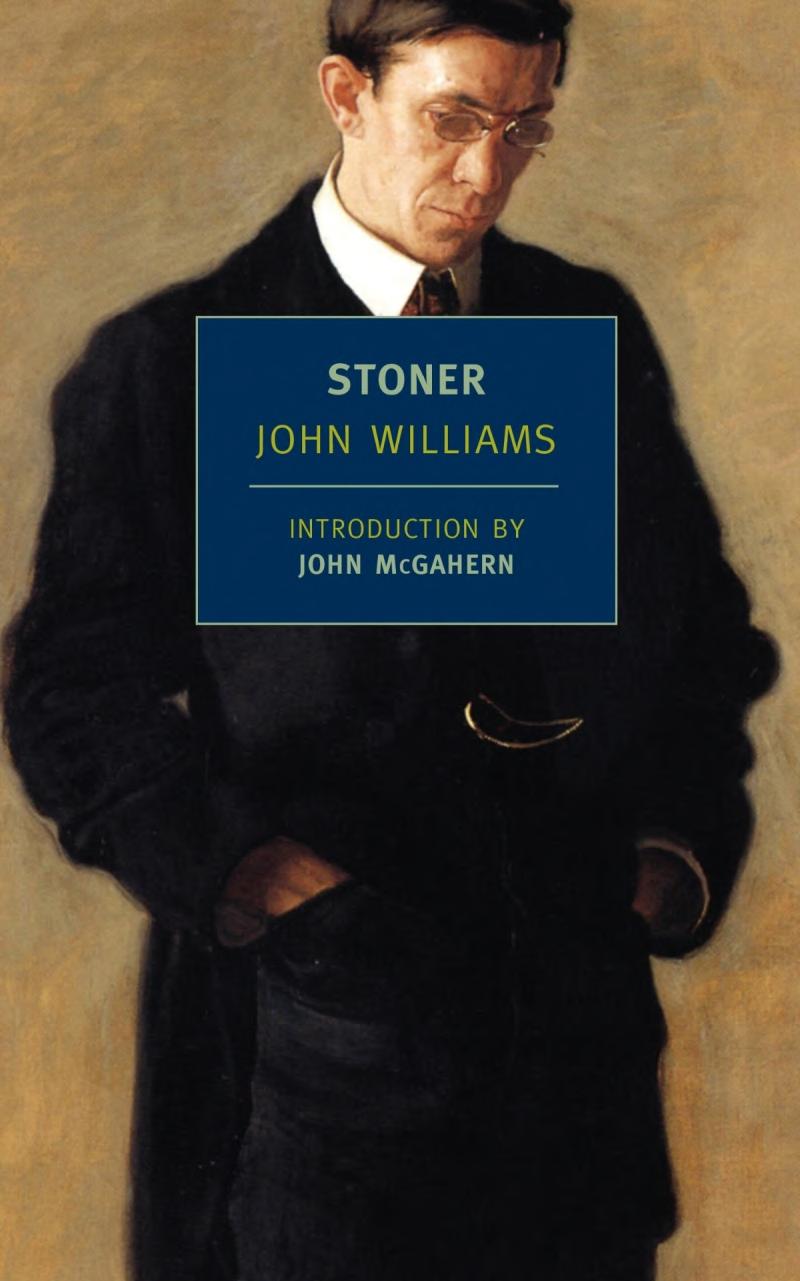
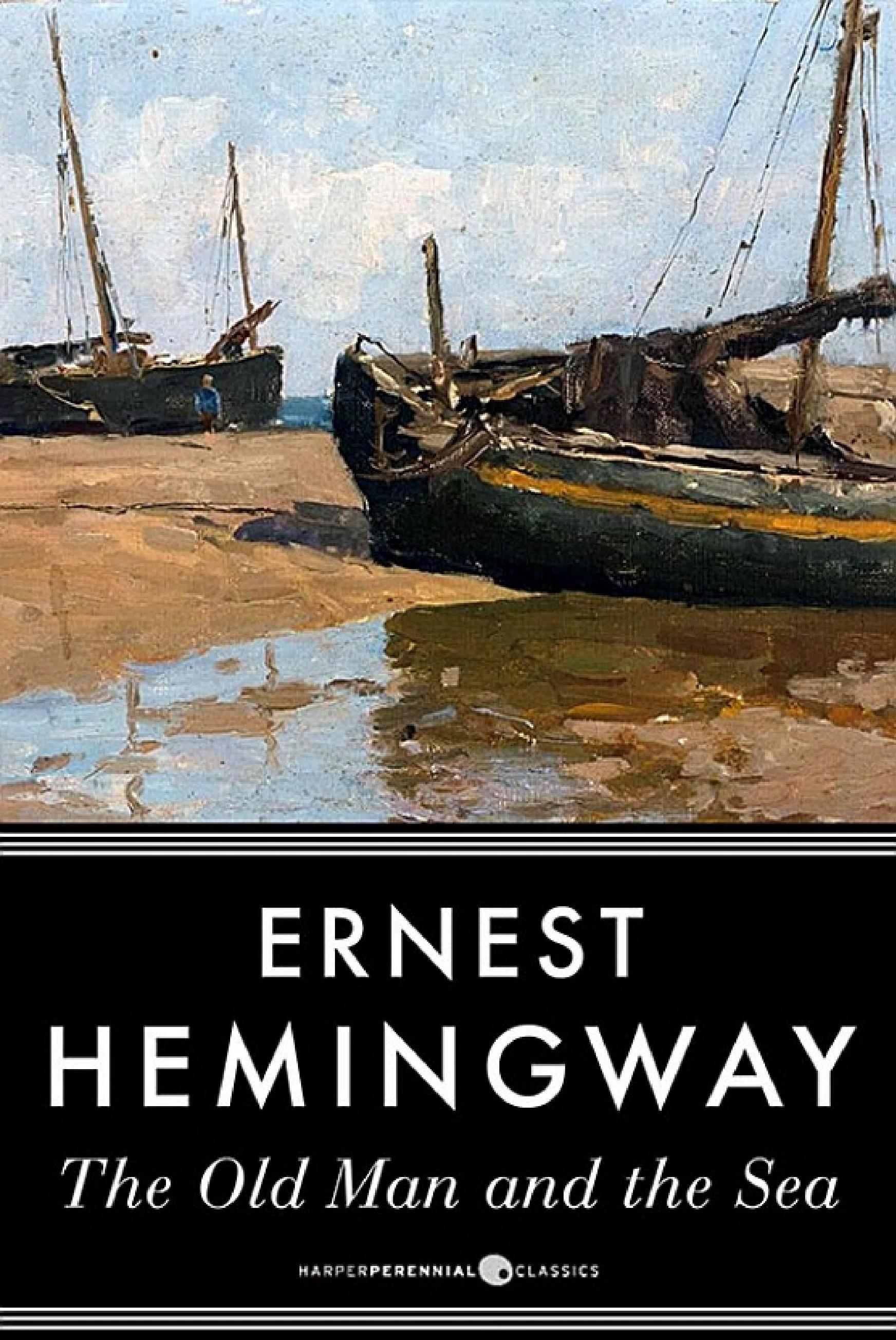
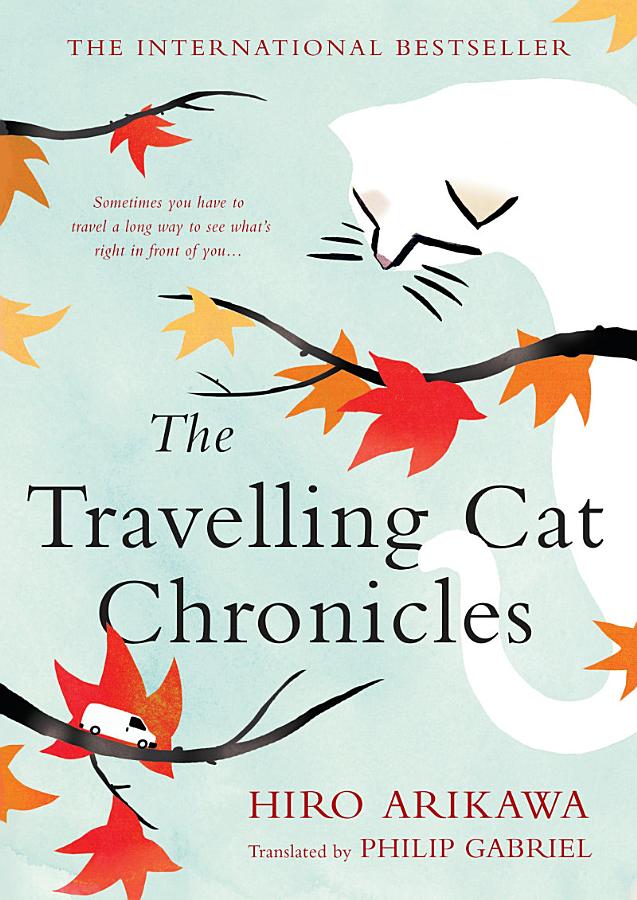
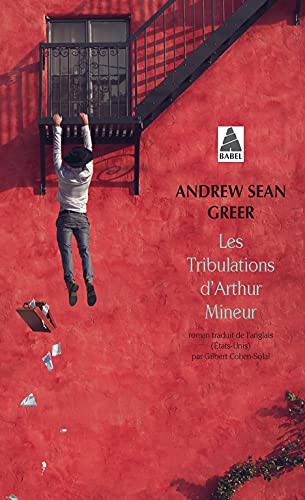
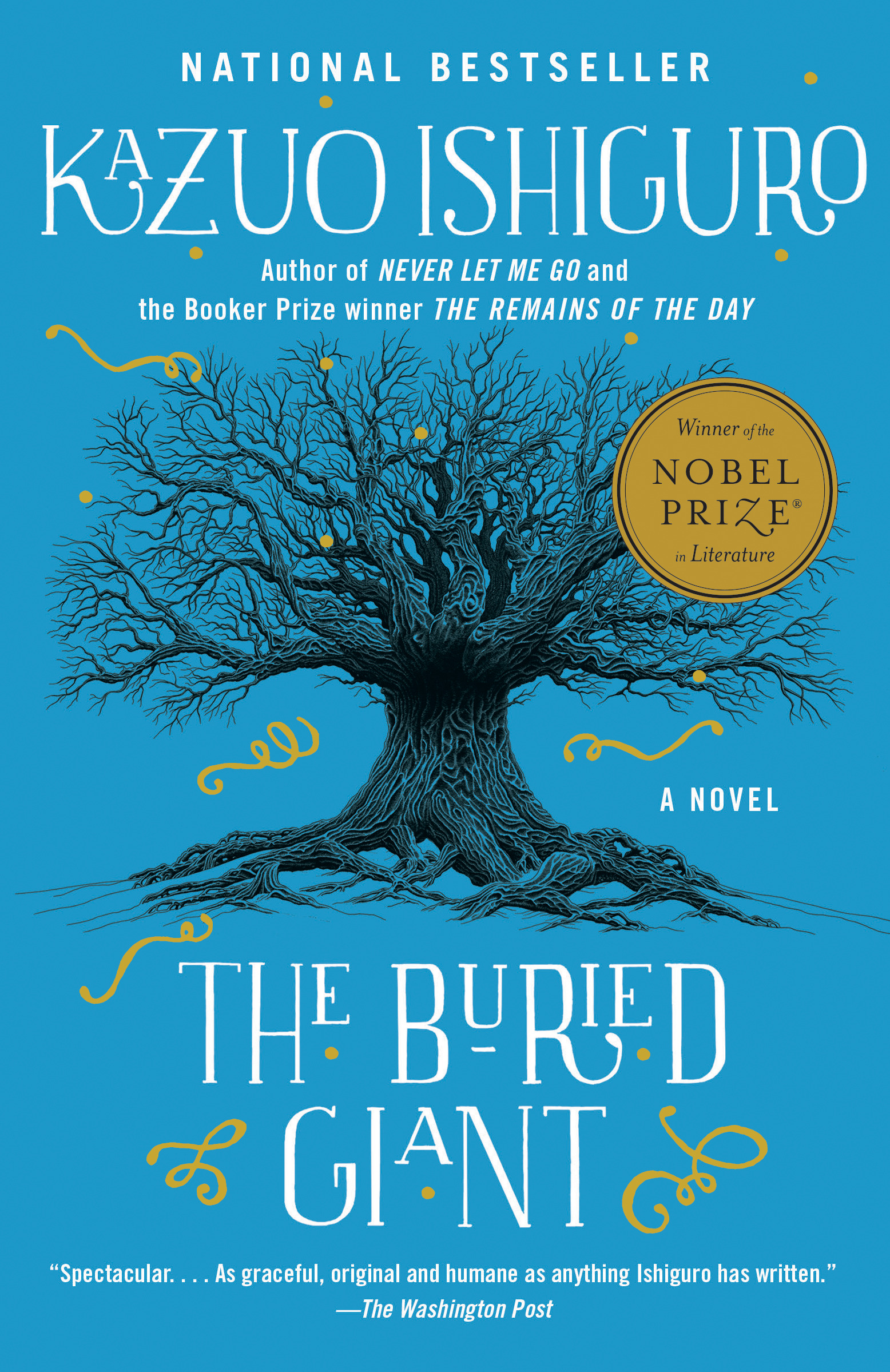
StonerJohn WilliamsThe essential novel on this list and the clearest demonstration of the premise: William Stoner is a Missouri farm boy who becomes an English professor, marries badly, teaches and researches for forty years, and dies. Nothing dramatic happens. Williams gives this life the same patient, complete attention he would give a king’s, and the effect is one of the most emotionally significant reading experiences available in American fiction. The novel’s argument — that Stoner’s life mattered because he lived it with whatever attention and integrity he could sustain — is not made explicitly but through the quality of attention Williams brings to every period of that life, including the undramatic ones. The Old Man and the SeaErnest HemingwayHemingway’s novella achieves in 127 pages what Stoner achieves in 278: a quiet life rendered with complete seriousness, its subject a single fishing trip that is also the fullest remaining expression of an old man’s capacities. Santiago is past his prime, alone, and facing the specific dignity problem of a person who has outlasted the years when he could do the thing that defined him — and Hemingway’s answer to that problem, found in effort and attention rather than in outcome, is the most compact available statement of the argument this list is organized around. The marlin’s loss does not negate the three days with it; the effort was the thing, not the result. The Travelling Cat ChroniclesHiro ArikawaArikawa’s novel makes the argument for quiet lives through the specific form of friendship: Satoru and his cat travel across Japan visiting the friends who might adopt Nana if Satoru can no longer care for him, and each visit is a portrait of a quiet life — a farmer, a horse breeder, a family man in the suburbs — rendered with the patient attention that reveals what each person has built and what it has cost them. The novel’s quietness is structural as well as tonal: each chapter is essentially a conversation and a landscape, and Arikawa trusts that the accumulation of these small, specific things is the fullest available picture of what a human life actually consists of. LessAndrew Sean GreerGreer’s Pulitzer winner is the comedy on this list — Arthur Less’s quietly anxious circumnavigation of the globe to avoid his ex-boyfriend’s wedding — and the one that makes the argument most obliquely: Less’s life, viewed from outside, seems like a series of minor embarrassments and moderate achievements, and the novel is organized around the revelation that this appearance is the mistake rather than the life. What Less has actually built — his friendships, his books, the love he has been too frightened to fully receive — is exactly enough, and the comedy is the form the novel uses to make this visible without sentimentalizing it. The most accessible entry on this list. HamnetMaggie O’FarrellO’Farrell’s novel renders the quiet life of Shakespeare’s wife and family against the largest possible backdrop — the life of the most celebrated writer in English literary history — and the argument is implicit in the structural choice: Agnes’s daily existence, her herbalism and her love and her grief, is rendered with as much seriousness as whatever is happening in the London theaters, and is shown to be the thing that actually mattered to the people living it. The famous name that frames the novel is almost entirely absent from it; O’Farrell is interested in the life that was being lived at home while that name was being made, and in rendering it with the full weight it deserved and rarely received. The Buried GiantKazuo IshiguroIshiguro’s Arthurian novel renders the quietest love story on this list: an elderly couple, Axl and Beatrice, making a journey through a fog-covered Britain toward their son, uncertain of what they will find and uncertain of what they remember. The novel is about what a long marriage contains — the specific accumulated weight of decades of ordinary shared life — and about the question of whether memory is necessary for love or whether love can outlast the forgetting of what it was based on. The quiet of Axl and Beatrice’s life is not emptiness but the specific density of two people who have inhabited the same existence for so long that the life itself is the argument for its own value. Who This Is For
Readers who want fiction that takes the undramatic life seriously — who believe that what happens in the ordinary hours of ordinary existence is as worth attending to as any more dramatic subject, and who want novels that prove it. The literary fiction catalogue has more.
Frequently asked questions
Q: Is Stoner too slow for readers who want something more immediate?
A: Less is the most immediately engaging entry on this list — the comedy works quickly and the narrative is propulsive. The Travelling Cat Chronicles is the most emotionally direct. Stoner rewards patience in the way that the quietest lives reward attention: the accumulation is what produces the effect, not any single moment.
Q: Is The Buried Giant fantasy or literary fiction?
A: Both — it uses Arthurian Britain and a dragon as formal elements while remaining entirely focused on Ishiguro’s literary concerns about memory, love, and the relationship between forgetting and peace. Readers who generally avoid fantasy but trust Ishiguro report finding the Arthurian elements easy to accept; readers who need fantasy to provide genre pleasures may find the novel too interior.
Q: Why is Hamnet on this list if the subject is grief rather than a quiet life?
A: Because O’Farrell’s specific achievement is rendering the quiet life that grief interrupted: Agnes’s daily existence before and after Hamnet’s death, rendered with such attention that the loss is understood as the loss of something specific and built rather than something abstract. The grief is real; the life it happened in is the subject.
Not sure which of these is right for you? The Pagesmith quiz matches you to books based on your mood, pacing preference, and reading goals. Takes two minutes.