Books Like Atonement for Readers Who Want Beauty and Devastation Together
Atonement works because McEwan earns everything -- the beauty of the prose, the devastation of the plot, the formal revelation that reframes the whole novel. These five books share that quality: fiction that makes you feel the weight of what it cost to write, and the weight of what it costs to read.
July 2026 · 5 min read · The Pagesmith
Atonement occupies a specific position in literary fiction: a novel that is beautiful and devastating simultaneously, where the beauty is not comfort but part of the devastation, and where the formal revelation in the final section changes what the reader was reading without changing any of the words. Finding fiction that earns its emotional weight the same way McEwan earns his is the challenge these five novels meet, each through different means.
The Books
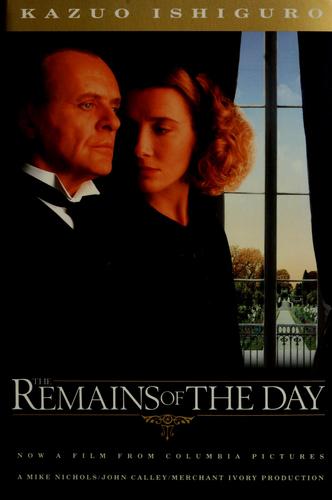
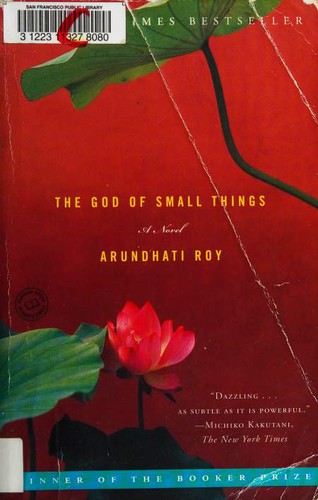
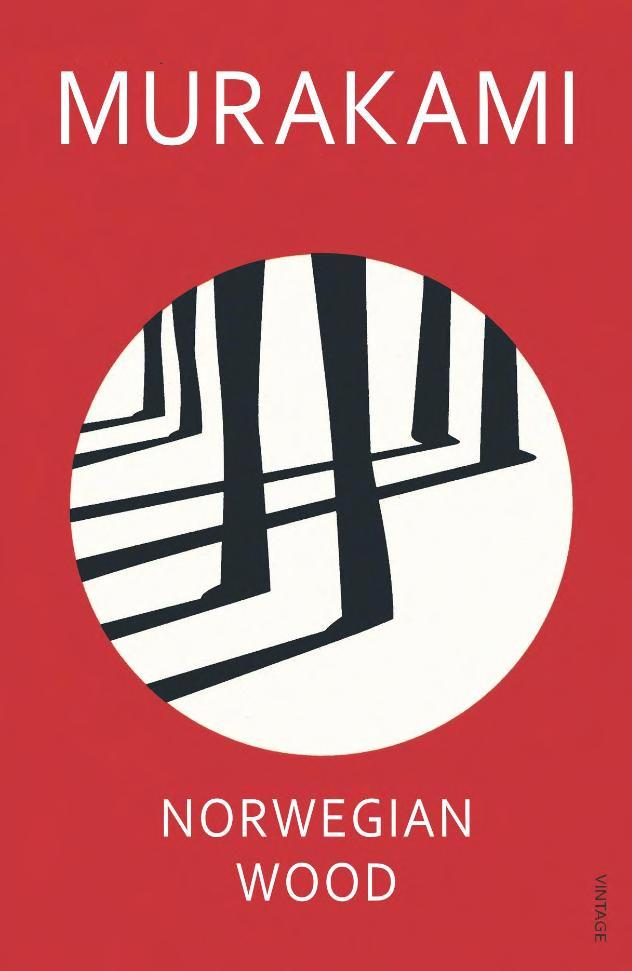
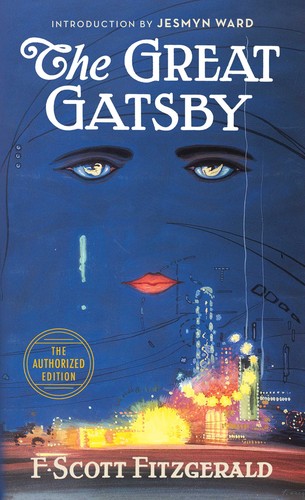
The Remains of the DayKazuo IshiguroThe most formally precise companion to Atonement: another British novel of suppressed feeling and retrospective narration, organized around the same discovery that the story being told has been shaped by what the narrator cannot bring themselves to say. Stevens’s formality is the equivalent of Briony’s narrative control — both characters are using a particular relationship to language to manage something they cannot face directly, and both novels are about the cost of that management. Ishiguro’s ending achieves the same emotional weight as McEwan’s through the same method: everything has been earned by restraint. The God of Small ThingsArundhati RoyRoy’s novel shares Atonement’s essential architecture: a catastrophic event in childhood, a fractured chronology that withholds and reveals, and prose of such deliberate beauty that it becomes impossible to separate the aesthetic experience from the emotional one. Both novels are organized around a wrongdoing that cannot be corrected — Roy’s is structural and caste-bound where McEwan’s is individual and literary — and both use their formal sophistication not as decoration but as the mechanism through which the weight of the irreversible lands. The most stylistically comparable novel on this list. Norwegian WoodHaruki MurakamiMurakami’s most restrained novel shares Atonement’s quality of loss rendered through controlled, beautiful prose — a narrator looking back at his twenties with the full knowledge of what happened and unable to reach back and change it. The grief in Norwegian Wood, like the grief in Atonement, is inseparable from the prose that contains it: Murakami’s cool melancholy is the formal expression of Toru’s specific loss, just as McEwan’s precision is the formal expression of Briony’s guilt. Both novels feel like acts of witness to something that cannot be undone. Never Let Me GoKazuo IshiguroIshiguro’s second novel on this list because both of his contributions are necessary: where The Remains of the Day shares Atonement’s formal restraint, Never Let Me Go shares its specific quality of horror arriving through beauty. Kathy H.’s narration is lovely and controlled in the same way Briony’s narration is lovely and controlled, and both novels work by making the reader feel the beauty before they fully understand the cost. The specific Ishigurian note that both novels share is the equanimity of narrators who are describing their own damage — and the reader’s growing unease at how thoroughly that equanimity has been earned. The Great GatsbyF. Scott FitzgeraldFitzgerald’s novel shares Atonement’s essential combination: prose of genuine beauty deployed in the service of a story about the impossibility of what the characters want, narrated retrospectively by someone whose understanding has been revised by everything that followed. Nick is Briony at one remove — a narrator whose act of narration is itself an attempt to make sense of something that cannot be resolved, using beautiful language to render a world whose beauty was already a lie. The two novels are the major English-language examples of fiction where the prose style is indistinguishable from the moral argument. Who This Is For
Readers who finished Atonement wanting more of its specific combination of formal intelligence, beautiful prose, and the kind of emotional devastation that earns itself slowly. The literary fiction catalogue has more.
Frequently asked questions
Q: Which of these has the most similar structural twist to Atonement’s final revelation?
A: The Remains of the Day — the revelation is quieter (there is no formal metafictional frame) but the moment when Stevens’s composure breaks by the pier has the same quality of suddenly seeing the full cost of everything that preceded it. The God of Small Things uses a similar chronological withholding to Atonement if you want a more formally comparable structure.
Q: Is Norwegian Wood as sad as its reputation suggests?
A: It is genuinely sad — organized around loss and grief and the specific quality of being twenty and watching someone you love disappear — but the sadness is rendered with enough restraint that it produces something closer to ache than to devastation. Readers who found Atonement too devastating often find Norwegian Wood more manageable.
Q: Is The Great Gatsby really comparable to Atonement in literary ambition?
A: Yes. Both are short novels (Gatsby is under 200 pages) that achieve something formally extraordinary through prose precision. The ambition is different — Fitzgerald’s is about rhythm and imagery, McEwan’s is about point of view and reliability — but both are novels in which the prose style does structural work that a simpler style could not achieve.
Not sure which of these is right for you? The Pagesmith quiz matches you to books based on your mood, pacing preference, and reading goals. Takes two minutes.