Best Books About Found Family
Found family is not a lesser category than biological family -- it is what people build when the family they were born into isn't enough, or isn't safe, or simply isn't there anymore. The best fiction about it understands that the bonds formed by choice rather than birth can be as strong as any bond there is, and sometimes stronger.
July 2026 · 6 min read · The Pagesmith
Found family is the literary subject that contemporary fiction has most productively expanded: the recognition that belonging doesn’t require shared blood, that the people who choose to show up for you carry as much weight as the people who were obligated to, and that some of the most sustaining communities are the ones that were formed by accident and sustained by love. The novels here take that subject seriously without sentimentalizing it — they understand both the specific warmth of chosen community and the specific fragility of community that exists without the legal and biological structures that conventional families take for granted.
The Books
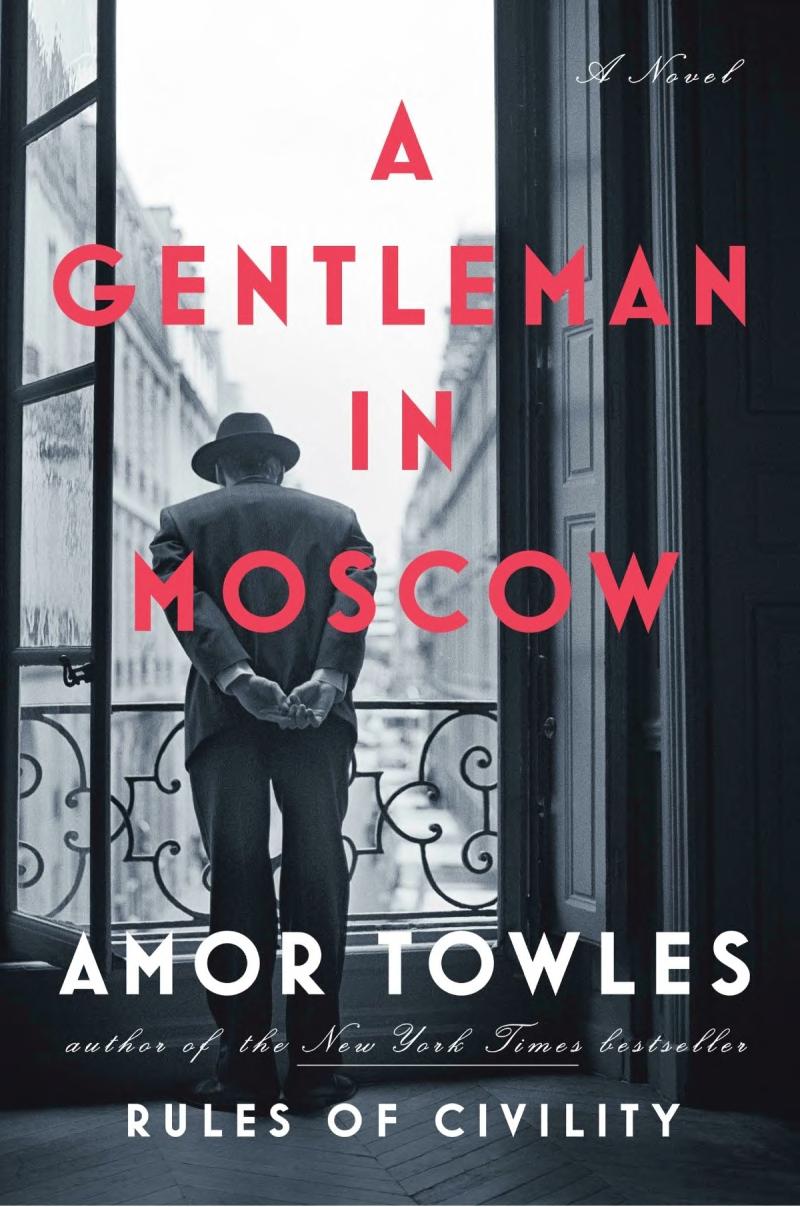
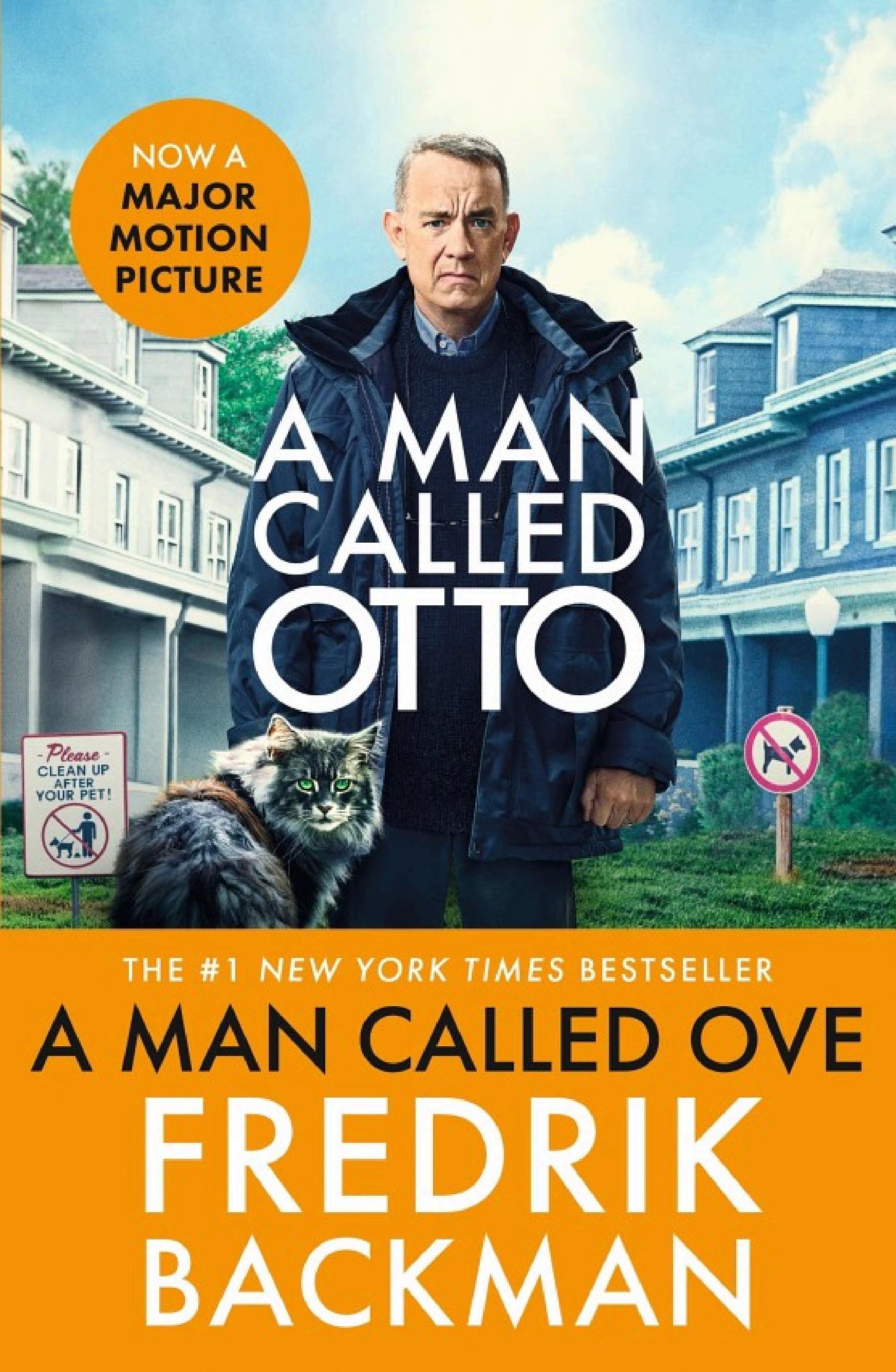
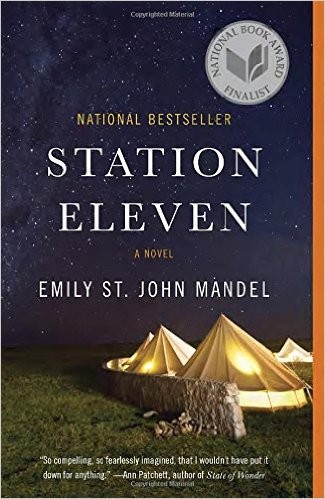
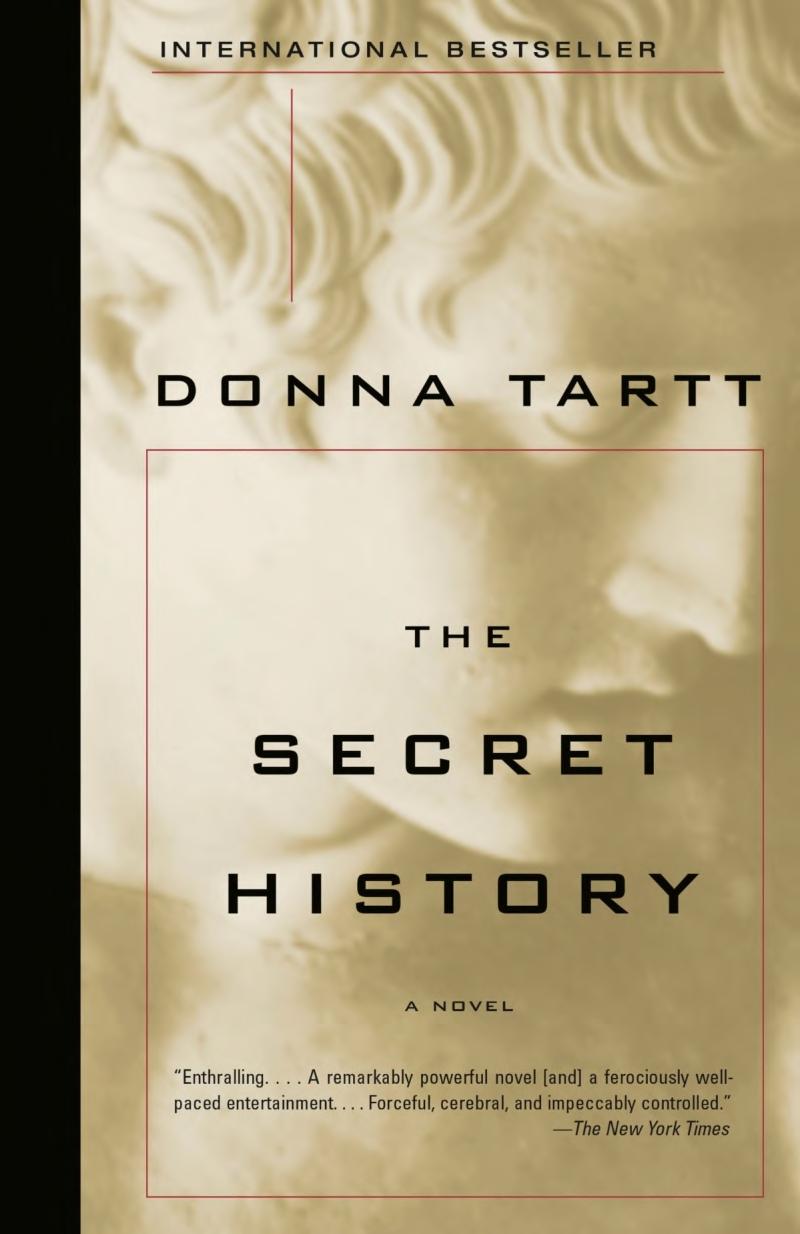
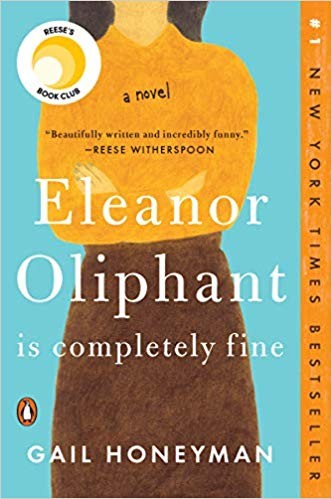
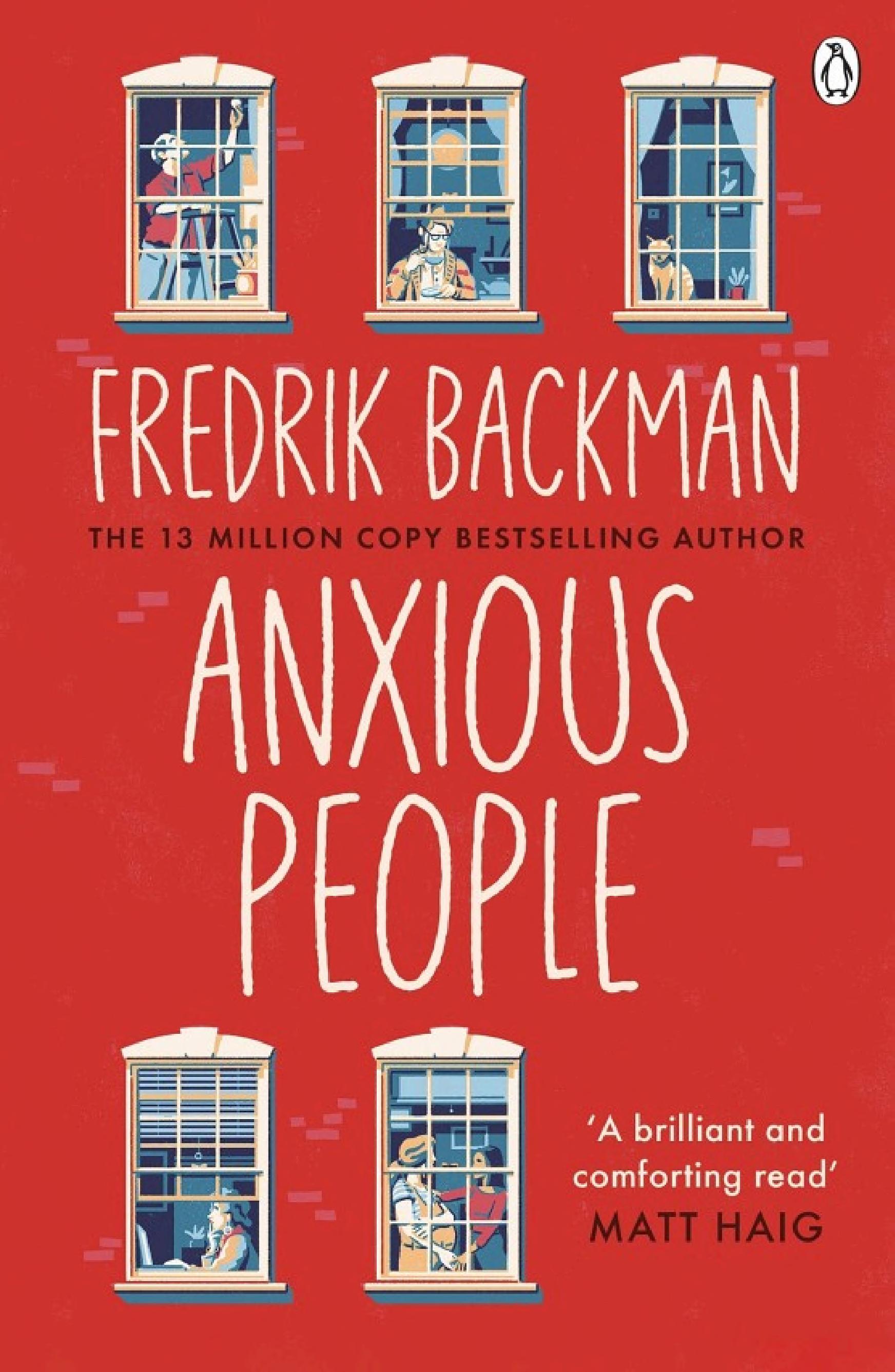
A Gentleman in MoscowAmor TowlesRostov’s found family — built across thirty years of house arrest in the Hotel Metropol from a waiter, a seamstress, a maître d’, an actress, and a child who is left in his care — is the most completely rendered on this list. Towles builds each relationship with the same patience he brings to the hotel itself: specific, accumulating, earned over time rather than announced. The novel’s warmth is inseparable from its understanding that the family Rostov builds from the available material is as real and as sustaining as any family organized by birth or law. The most optimistic entry on this list. A Man Called OveFredrik BackmanBackman’s novel is organized around the specific mechanism through which found family forms: Ove does not want one, and the neighbors who build one around him do so partly against his active resistance, which is the most realistic version of how community actually assembles itself. The novel’s central insight — that the people you need most are often the ones you were most resistant to needing — is rendered through comedy that is also genuine feeling, and Ove’s gradual absorption into the community of his street is one of the most accurately observed processes of found family formation in recent fiction. Station ElevenEmily St. John MandelMandel’s Traveling Symphony — the actors and musicians who move through the post-pandemic Great Lakes region performing Shakespeare and classical music for settlements of twenty people — is found family as the structure of survival: people who came together not by choice but by circumstance, sustained by the shared commitment to the work and to each other. The novel is about what makes the Symphony worth being part of, which is the same question found family always forces: what do we owe to the people we have chosen to be responsible for? Mandel’s answer — the work and the people, inseparably — is the most specifically contemporary treatment of found family on this list. The Secret HistoryDonna TarttTartt’s novel is the dark version of found family: a group of classics students at a Vermont college who form a community of extraordinary intimacy and mutual recognition, which is also the community that commits a murder and destroys one of its members. Found family is not automatically good — the bonds formed by choice can produce as much damage as the bonds formed by birth when the group turns on itself or when the shared project is the wrong one. The Secret History is essential for the found family list because it renders both the specific attraction of a community of people who genuinely see each other and the specific danger of a community organized around exclusivity and transgression. Eleanor Oliphant Is Completely FineGail HoneymanHoneyman’s novel is found family in its most minimal form: one other person who shows up, repeatedly, without being asked, until the relationship has become something Eleanor cannot do without. The novel is about the specific threshold between aloneness and belonging — the moment when a connection that seemed incidental becomes structural, when the person you work with becomes the person you call in a crisis. Eleanor’s specific difficulty receiving connection makes her journey toward it one of the most quietly moving found family narratives in recent fiction, because Honeyman renders the resistance and the eventual arrival with equal honesty. Anxious PeopleFredrik BackmanBackman’s ensemble novel builds its found family from the least likely available material: strangers accidentally taken hostage during a failed bank robbery, forced by circumstance into more honest conversation with each other than they have had with their actual families in years. The hostage situation is the formal device for what found family always requires — the removal of the ordinary social filters that prevent people from actually seeing each other — and Backman is precise about what happens when those filters come down: the specific recognition that the strangers in the room are carrying the same things you are, which is the foundation of all found family. The most comedically constructed novel on this list. Who This Is For
Readers who want fiction that takes chosen community seriously as a subject — that renders the specific bonds formed outside the biological family with the same weight and attention that conventional family novels bring to their subject. The contemporary and literary fiction catalogues have more.
Frequently asked questions
Q: Is The Secret History really about found family given how dark it gets?
A: Yes — the darkness is part of the argument. Found family can produce damage as well as belonging; the bonds formed by choice can be as distorting as the ones formed by birth when the group is organized around the wrong things. Tartt’s novel is essential on this list because it takes the subject seriously enough to show both what found family offers and what it can become when the community’s project is a harmful one.
Q: Why two Backman novels?
A: Because they do different things with the subject. A Man Called Ove is about found family forming slowly around a resistant person; Anxious People is about found family forming suddenly through forced proximity. Both are about how community actually assembles itself, from different angles.
Q: Which of these is best for readers who specifically want comfort?
A: A Gentleman in Moscow and A Man Called Ove are the warmest entries and the most likely to leave readers feeling held rather than challenged. Eleanor Oliphant is warmer than it initially appears but passes through genuine darkness to get there.
Not sure which of these is right for you? The Pagesmith quiz matches you to books based on your mood, pacing preference, and reading goals. Takes two minutes.