Books Like Lord of the Flies for Readers Who Want the Darkness of Human Nature
Lord of the Flies works because Golding doesn't make the boys exceptional -- they are ordinary children in extraordinary circumstances, and what they become is what Golding believes anyone becomes when the structures holding civilization in place are removed. These five novels share that specific premise and that specific honesty.
July 2026 · 5 min read · The Pagesmith
What distinguishes Lord of the Flies from simpler stories about children doing terrible things is Golding’s insistence that the boys are not aberrations. The violence is not produced by bad individuals but by the removal of the conditions that make civilization’s alternatives to violence rational. This is the specific argument the novels here share: not that some people are dark but that the darkness is in the conditions, and that changing the conditions changes what people do. Each book reaches this argument through different subject matter and different formal means, but all of them refuse the comfortable version.
The Books
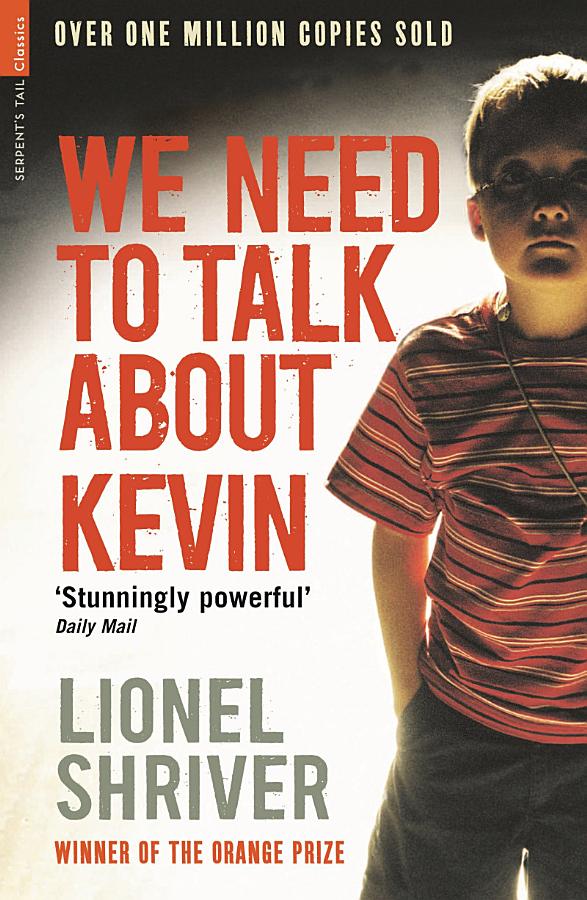
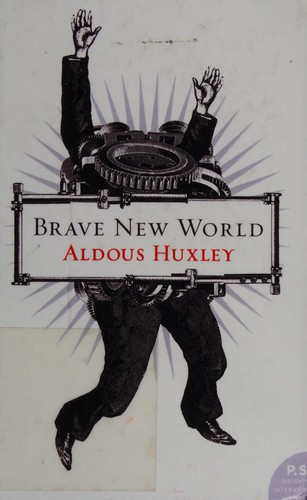
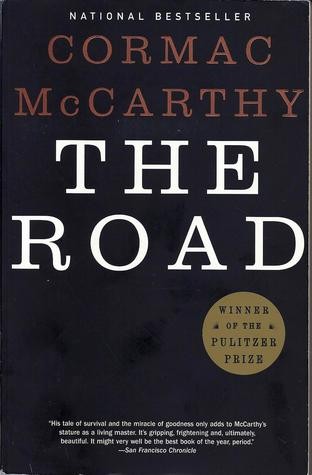
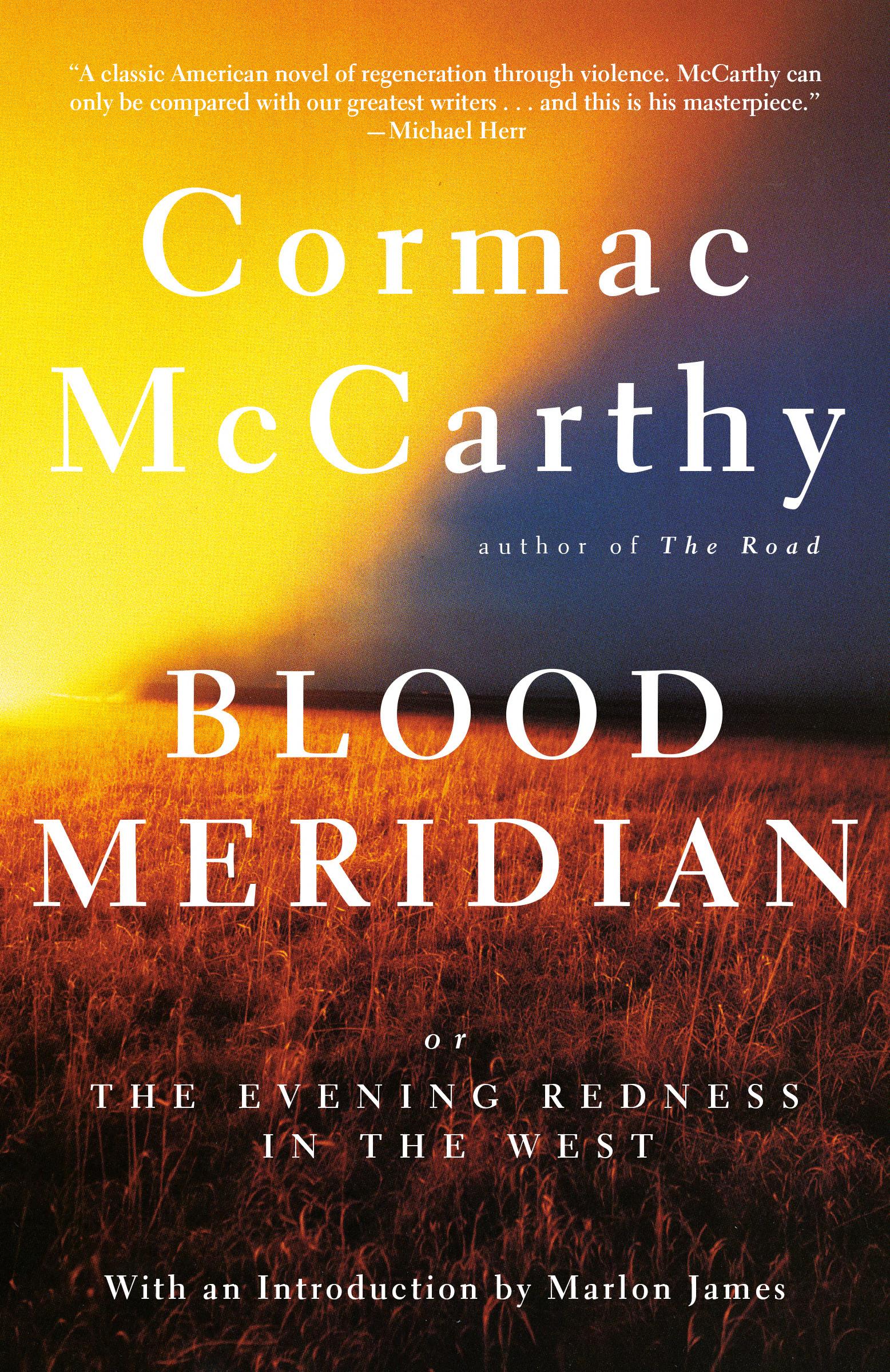
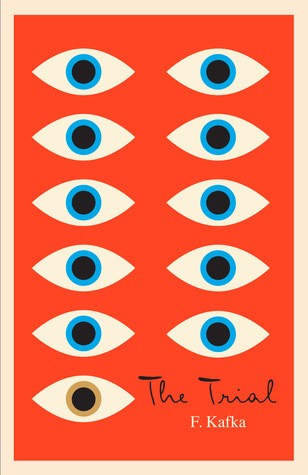
We Need to Talk About KevinLionel ShriverShriver’s novel is Lord of the Flies with the civilizational question applied to the most intimate possible scale: not a group of children on an island but one child inside a family, and the question of whether the darkness in him was produced by his circumstances or was simply there. Golding’s boys become violent when the adult structures are removed; Kevin’s darkness may have been present before any structure failed him — which Shriver never resolves, because the question of where human evil originates is the novel’s subject rather than something it claims to answer. The most psychologically demanding recommendation on this list. Brave New WorldAldous HuxleyHuxley’s response to the same question Golding asks — what do the conditions produce? — arrives at the opposite extreme: a world where the conditions have been so thoroughly engineered that they produce happiness and compliance rather than violence. Both novels are arguing that what people do is determined by the structures around them, but Huxley’s argument is the more disturbing one: that the right conditions produce people who choose their own diminishment, not through fear but through genuine preference. Reading Brave New World after Lord of the Flies reveals the full range of what the argument about conditions actually implies — from Golding’s violence to Huxley’s comfortable surrender. The RoadCormac McCarthyMcCarthy’s post-apocalyptic novel is Lord of the Flies taken to its absolute limit: civilization has not partially failed, it has been completely removed, and what happens next is exactly what Golding predicted — most people do whatever the situation requires, including things that were previously unthinkable. McCarthy’s answer to the question of what remains when everything is stripped away is not Golding’s (organized violence and tribalism) but something smaller and more specific: the love between a father and his son, which is either an argument against Golding’s pessimism or a demonstration that love is the last thing civilization is protecting when everything else has been taken. Both readings are available; McCarthy doesn’t resolve the question. Blood MeridianCormac McCarthyMcCarthy’s other contribution to this question is the most extreme available: the Judge is not a product of collapsed civilization but its most honest expression, the violence of the historical American West rendered without any of the mythological framing that usually makes it bearable. Where Golding shows civilization’s collapse producing violence, McCarthy shows civilization’s establishment requiring violence — the conquest of the West as organized brutality rather than as noble enterprise. Both novels refuse the comfortable version; Blood Meridian does it with more unrelenting intensity. Not the right starting point for Lord of the Flies readers who want something manageable, but the essential next step for readers who want the darkest available version of the same argument. The TrialFranz KafkaKafka’s argument about what human nature produces inside institutions is the precise counterpoint to Golding’s argument about what it produces without them: where Golding shows civilization’s absence producing violence, Kafka shows civilization’s presence producing a different kind of violence — the bureaucratic kind, where everyone follows rules that produce monstrous outcomes and no single person is responsible. Both novelists are deeply skeptical of human nature, but Kafka’s skepticism is about what people do inside systems rather than what they do without them. Reading The Trial after Lord of the Flies reveals that the problem isn’t just civilization’s absence — it’s civilization’s presence, depending on which civilization we’re talking about. Who This Is For
Readers who finished Lord of the Flies wanting more fiction that takes the question of human nature seriously — not nihilistically but honestly, without the false comfort of believing that the problem is always other people. The literary fiction catalogue has more.
Frequently asked questions
Q: Is Lord of the Flies really about human nature or specifically about British boys?
A: Golding wrote in response to a real-world case of boys stranded on an island who, contrary to his novel’s prediction, cooperated and supported each other. The argument about human nature is Golding’s, not the world’s — which is worth knowing. The novel is a powerful argument for a pessimistic position; it is not evidence that the position is correct.
Q: Which of these is most appropriate for younger readers who loved Lord of the Flies?
A: Brave New World is the most accessible in terms of content and the most frequently taught alongside Golding. The Trial is the most formally manageable. Blood Meridian is not appropriate for younger readers.
Q: Does Blood Meridian need to be read after other McCarthy?
A: Start with No Country for Old Men or The Road first. Blood Meridian is McCarthy at his most demanding and most uncompromising; the other two build the necessary tolerance for his prose and his vision.
Not sure which of these is right for you? The Pagesmith quiz matches you to books based on your mood, pacing preference, and reading goals. Takes two minutes.