What to Read After Blood Meridian
Finishing Blood Meridian produces a specific problem: the novel operates at a scale of ambition and darkness that makes most fiction feel thin. These five books can follow it -- each one serious enough, ambitious enough, and honest enough about what violence and history actually consist of to meet a reader whose expectations have been permanently raised.
July 2026 · 5 min read · The Pagesmith
Blood Meridian is the novel most likely to produce a specific kind of recalibration: a raised threshold for what darkness in fiction means, a raised expectation of prose ambition, and a raised standard for what it means to take violence seriously rather than representing it for effect. The books here are not all as dark as McCarthy’s novel — almost nothing is — but each one is operating at the level of seriousness and ambition that Blood Meridian demands from its successors.
The Books
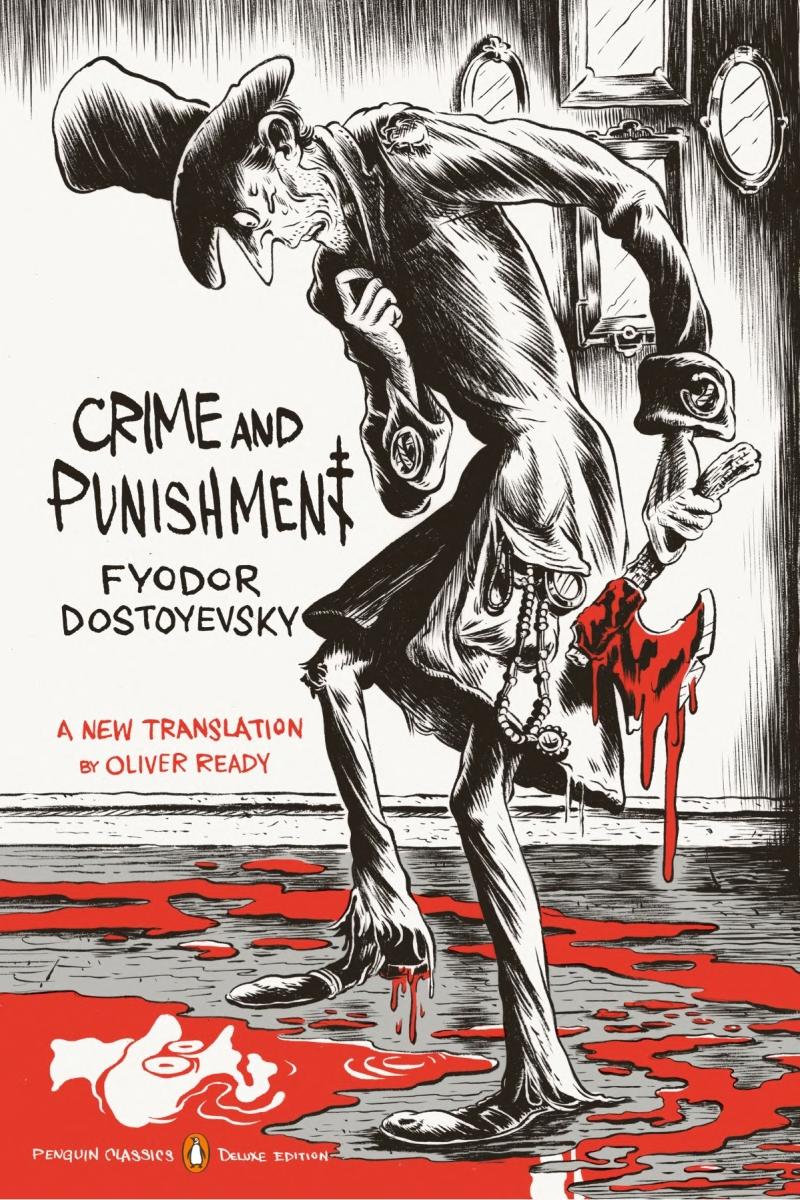
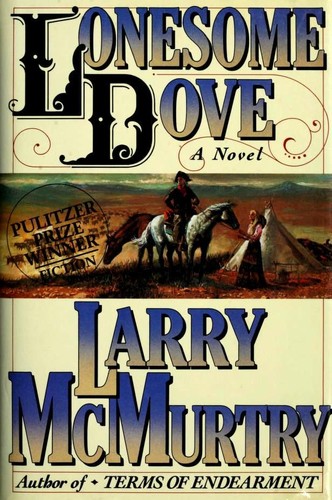
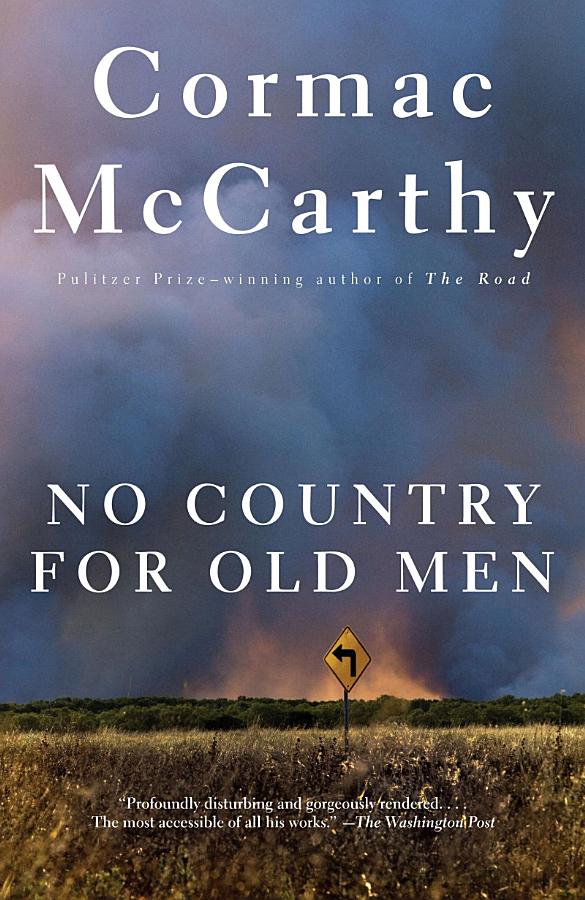
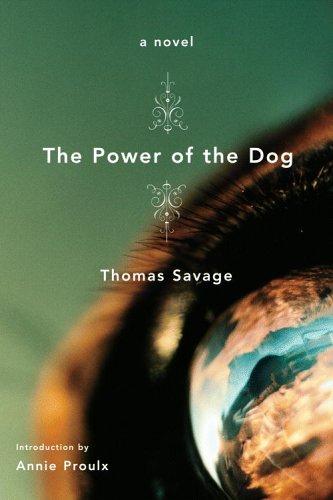
The StrangerAlbert CamusCamus’s short novel is the philosophical ancestor of Blood Meridian’s central argument: a universe indifferent to human meaning, violence rendered without moral framing, and a narrator whose flatness of affect is itself the argument. Meursault shoots a man on a beach for reasons that are not adequate reasons, and Camus refuses to provide the retrospective moral structure that would make the act comprehensible within conventional narrative. McCarthy’s Judge is the apotheosis of this position — violence as pure expression of will in an indifferent universe — and Camus is where the argument was made most precisely in the form of a short novel. The right counterpoint: five times shorter, equally precise, written from a position that Blood Meridian assumes rather than arguing for. Crime and PunishmentFyodor DostoevskyDostoevsky’s response to the question Blood Meridian raises — what is violence, philosophically? — is the opposite answer: where McCarthy’s Judge believes violence is the supreme human act, a manifestation of pure will, Dostoevsky’s Raskolnikov begins with a similar theory (exceptional men are permitted to transgress ordinary moral limits) and discovers through the experience of actual murder that the theory was wrong — that the act costs him everything the theory was supposed to liberate him from. The two novels are arguing opposite positions about the same question, which makes Crime and Punishment the most useful intellectual companion to Blood Meridian: the rebuttal to the Judge’s philosophy, written by the novelist who understood that philosophy most clearly. Lonesome DoveLarry McMurtryMcMurtry’s cattle drive epic is the affirmative answer to the question Blood Meridian poses about the American West: what happens if you render the same landscape and the same historical period with the same honesty but also with warmth for the people inside it? Where McCarthy’s West is mythological and violent to its core, McMurtry’s is specific and human — full of people with comprehensible desires and genuine loyalties, who also participate in violence, who also live and die in a landscape that does not care about them, but who are rendered with enough love that the reader cares about their outcomes. Reading Lonesome Dove after Blood Meridian is understanding what the same territory produces when a novelist brings both honesty and warmth to it simultaneously. No Country for Old MenCormac McCarthyThe right next McCarthy after Blood Meridian: more conventionally plotted, more accessible in prose, but carrying the same philosophical weight about violence and what resists it. Sheriff Bell’s voice — the aging lawman who watches the world become something he no longer recognizes — is McCarthy’s most direct engagement with the question that organizes all his Western work: what do you do when the violence you thought you were holding back is revealed to be older and larger than any individual effort to contain it? No Country is Blood Meridian in a contemporary frame, with the nihilism of the Judge fully realized in Chigurh, and the same unanswered question about whether anything human can stand against it. The Power of the DogThomas SavageSavage’s 1967 Montana novel applies Blood Meridian’s insight about Western violence to a smaller and more intimate scale: one ranch, one family, one man whose intelligence and cruelty are the two expressions of the same character. Phil Burbank is not the Judge — he operates within civilization rather than against it — but he shares the Judge’s quality of dominating every space he enters through the sheer force of his will, and Savage renders what that will does to the people around him with a psychological precision that McCarthy’s mythological register cannot achieve. For Blood Meridian readers who want the Western darkness in a register that permits character interiority, this is the essential companion. Who This Is For
Readers who finished Blood Meridian and want fiction that meets the standard of seriousness it demands — books that take violence, darkness, and the question of what humans are capable of as seriously as McCarthy does, through different formal and philosophical approaches. The literary fiction catalogue has more.
Frequently asked questions
Q: Is Blood Meridian McCarthy’s best novel?
A: Critical consensus has shifted toward rating it as his most ambitious, though not necessarily his most readable. The Road won the Pulitzer and is more emotionally direct; No Country for Old Men is the most propulsive. Blood Meridian is the one that most completely expresses McCarthy’s philosophical project, which makes it the novel readers either consider his masterpiece or find inaccessible.
Q: Why isn’t Beloved on this list given how often it appears alongside Blood Meridian in discussions of American historical violence?
A: It could be. The reason it’s not here is that it appears in the “What to Read After The God of Small Things” list, and creating cross-session coherence meant distributing major titles across posts. Beloved is the essential companion to Blood Meridian in terms of rendering historical American violence through prose of comparable ambition.
Q: Is Lonesome Dove really appropriate after Blood Meridian given how different they are in tone?
A: Yes — the difference in tone is exactly the point. Reading Lonesome Dove after Blood Meridian is understanding what the same territory and the same historical period produce when a novelist brings warmth alongside honesty. The contrast is instructive rather than jarring.
Not sure which of these is right for you? The Pagesmith quiz matches you to books based on your mood, pacing preference, and reading goals. Takes two minutes.