What to Read After The God of Small Things
The God of Small Things is organized around what caste and history have made unsayable -- the love that cannot be spoken, the grief that cannot be processed, the event that cannot be undone. These five novels share that specific gravity: books where the weight of history falls directly on the bodies of specific people, and where no individual choice can escape the structure it was made inside.
July 2026 · 5 min read · The Pagesmith
What Roy achieves in The God of Small Things — the rendering of a specific society’s violence against specific people, through prose of extraordinary beauty — requires an unusual combination: the political intelligence to understand what structures are doing to individuals, and the novelistic intelligence to render it through those individuals’ specific experience rather than through argument. The books here share that combination. Each one is politically serious and personally intimate simultaneously, which is the hardest thing to achieve in fiction and the thing that makes The God of Small Things irreplaceable.
The Books
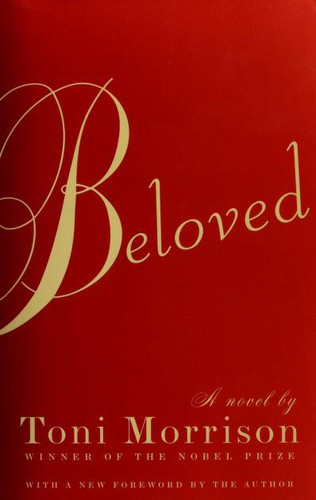
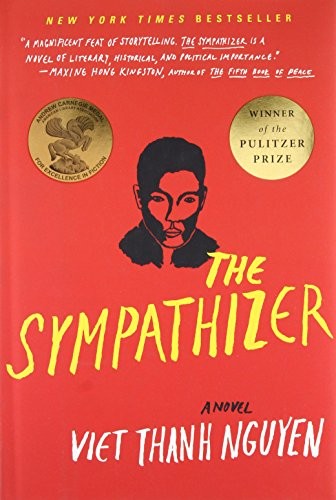
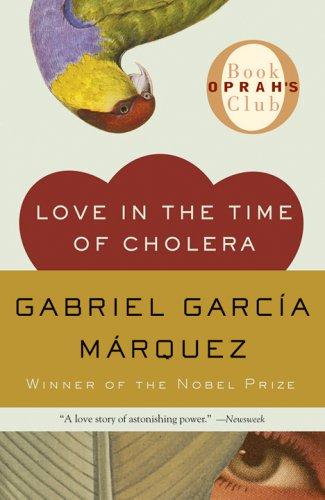
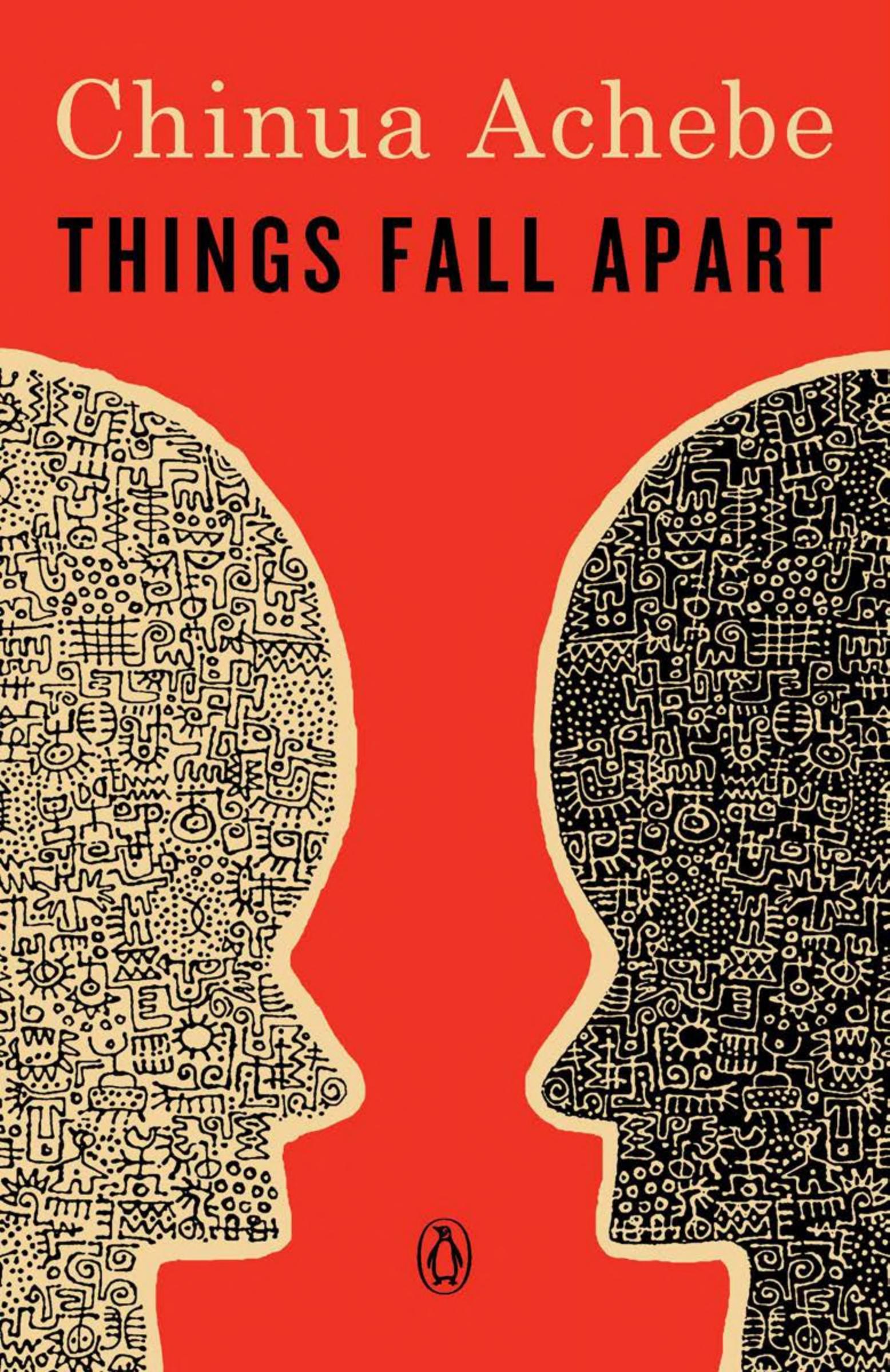
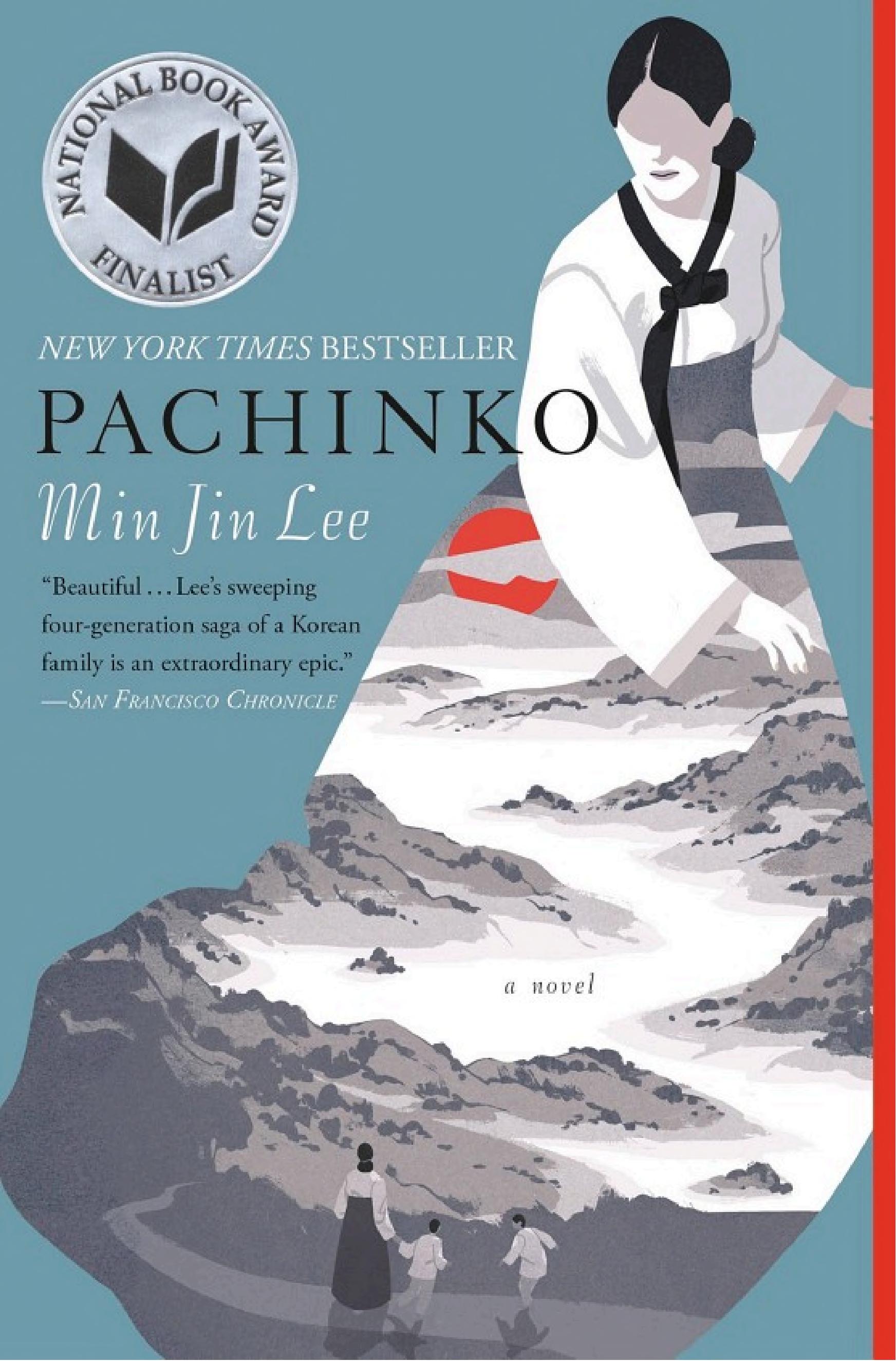
BelovedToni MorrisonThe most essential companion: another novel in which a historical structure of violence — slavery rather than caste — is rendered through the specific experience of one woman at one moment, with prose that achieves the same combination of beauty and devastation that Roy achieves. Both novels are organized around something that cannot be undone: Sethe’s act, Ammu’s love, the system that produced both. Morrison and Roy are the two novelists working in English in the last fifty years who have most completely rendered what history does to individual bodies and individual loves, and reading both together makes visible what each achieves that the other does not. The SympathizerViet Thanh NguyenNguyen shares Roy’s specific political intelligence about the relationship between colonial history and individual consciousness: both novels are organized around characters whose inner lives have been shaped by structures they did not choose and cannot fully escape. Where Roy’s characters are destroyed by caste, Nguyen’s narrator is defined by the double consciousness produced by colonialism — the inability to fully belong to either the culture that produced him or the one that claimed him. Both novels ask the same question from different political contexts: what does a person become when the forces that shaped them are in direct conflict with the person they are trying to be? Love in the Time of CholeraGabriel Garcia MarquezGarcia Marquez shares Roy’s interest in what love becomes when the society around it has decided its form is unacceptable — and in the specifically tropical, postcolonial world that produces particular kinds of social constraint. Both novels are organized around love that exists at the edge of what the social structure permits, rendered through prose of such sensory completeness that the physical world becomes inseparable from the emotional one. Garcia Marquez takes fifty years rather than a childhood to render his love story, which makes Love in the Time of Cholera the more expansive companion and The God of Small Things the more concentrated one. Things Fall ApartChinua AchebeAchebe’s novel shares Roy’s understanding that the most damaging colonial violence is not always direct but structural — that it works by dismantling the systems within which individuals understood themselves and replacing them with systems organized around different values. Both novels render a specific society before and during its disruption with enough precision that the reader understands what was destroyed rather than simply that something was destroyed. Achebe and Roy are also the two writers on this list who were most deliberately responding to a tradition of literature about their societies that had been written from outside — and writing from inside. PachinkoMin Jin LeeLee’s multigenerational saga is the most structurally different recommendation on this list — spanning four generations rather than a single childhood — but shares The God of Small Things’ essential argument: that the category a society assigns you at birth determines the life available to you in ways that individual excellence, love, or effort cannot fully overcome. Where Roy shows this across two lives in one summer in Kerala, Lee shows it across a century of Korean-Japanese history. Both novels insist that this is not tragedy in the individual sense but injustice in the structural sense — and that the distinction between those two things matters enormously. Who This Is For
Readers who finished The God of Small Things wanting more fiction at the intersection of political structure and personal love — novels that render what history does to specific people without ever losing sight of those people as individuals. The literary fiction catalogue has more.
Frequently asked questions
Q: Is Beloved as difficult to read as its reputation suggests?
A: It is formally demanding — the non-linear structure and Morrison’s prose require active engagement — but not more difficult than The God of Small Things, which also uses unconventional chronology and highly stylized language. Readers who handled Roy’s formal complexity will handle Morrison’s.
Q: Does Things Fall Apart hold up against more recent postcolonial literature?
A: Yes — Achebe’s specific achievement (writing from inside a society that had been repeatedly written about from outside, with the full complexity of that society’s internal dynamics) remains rare and important regardless of what has been written since. It is the foundational text of African literary fiction in English and essential reading for anyone engaged with postcolonial literature.
Q: Why is Love in the Time of Cholera on a list that is partly about structural violence?
A: Because Garcia Marquez is as interested as Roy in the specific social structures that determine who can love whom and in what form — the Caribbean society of the novel has its own hierarchies, its own rules about class and propriety, and its own violence against love that doesn’t conform. The tone is warmer than Roy’s but the structural argument is comparable.
Not sure which of these is right for you? The Pagesmith quiz matches you to books based on your mood, pacing preference, and reading goals. Takes two minutes.