Best Books for Readers Who Loved Jane Austen
What Austen actually offers is not bonnets and drawing rooms but the sharpest social intelligence in English fiction -- the understanding that how people talk to each other in polite company reveals everything about what they actually think, want, and fear. These six novels share that intelligence.
July 2026 · 6 min read · The Pagesmith
The readers who love Jane Austen most are often not the ones who love bonnets and countryside balls but the ones who have recognized that she is the most technically precise analyst of social behavior in English literary history — that her comedy is the comedy of watching what people say diverge from what they mean, and that her plots are organized around the specific difficulty of knowing another person when both parties are performing versions of themselves. The novels here share some version of that project: social intelligence rendered through dialogue, the gap between surface and interior, and the specific pleasure of a narrator who sees more clearly than the characters they are describing.
The Books
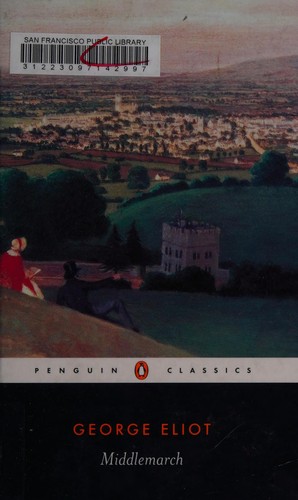
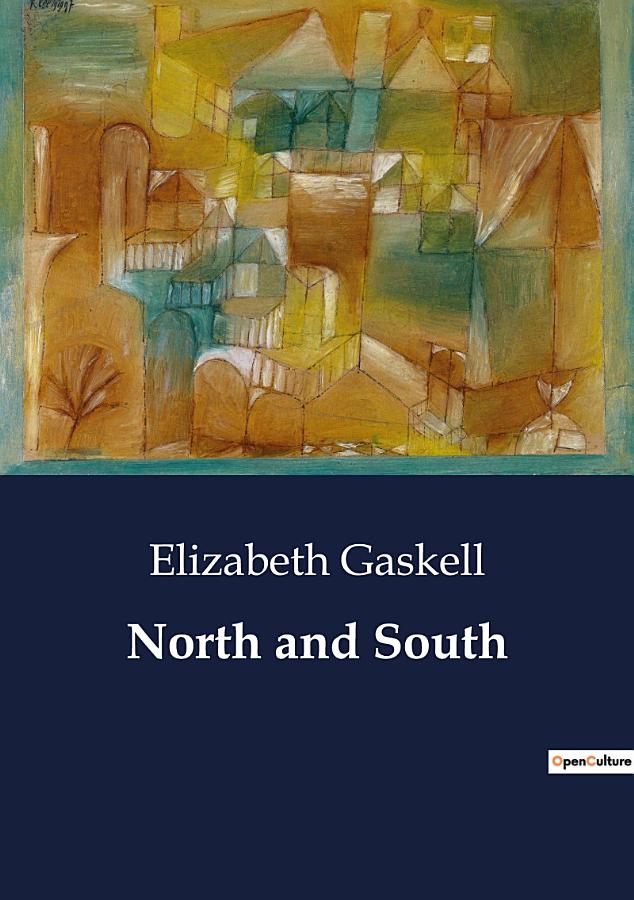
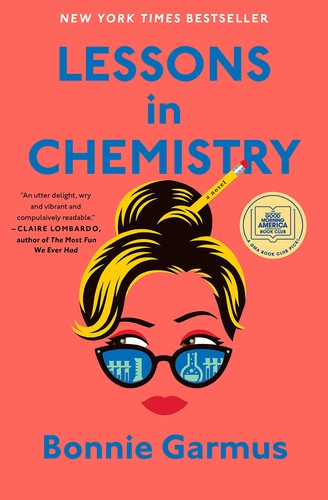
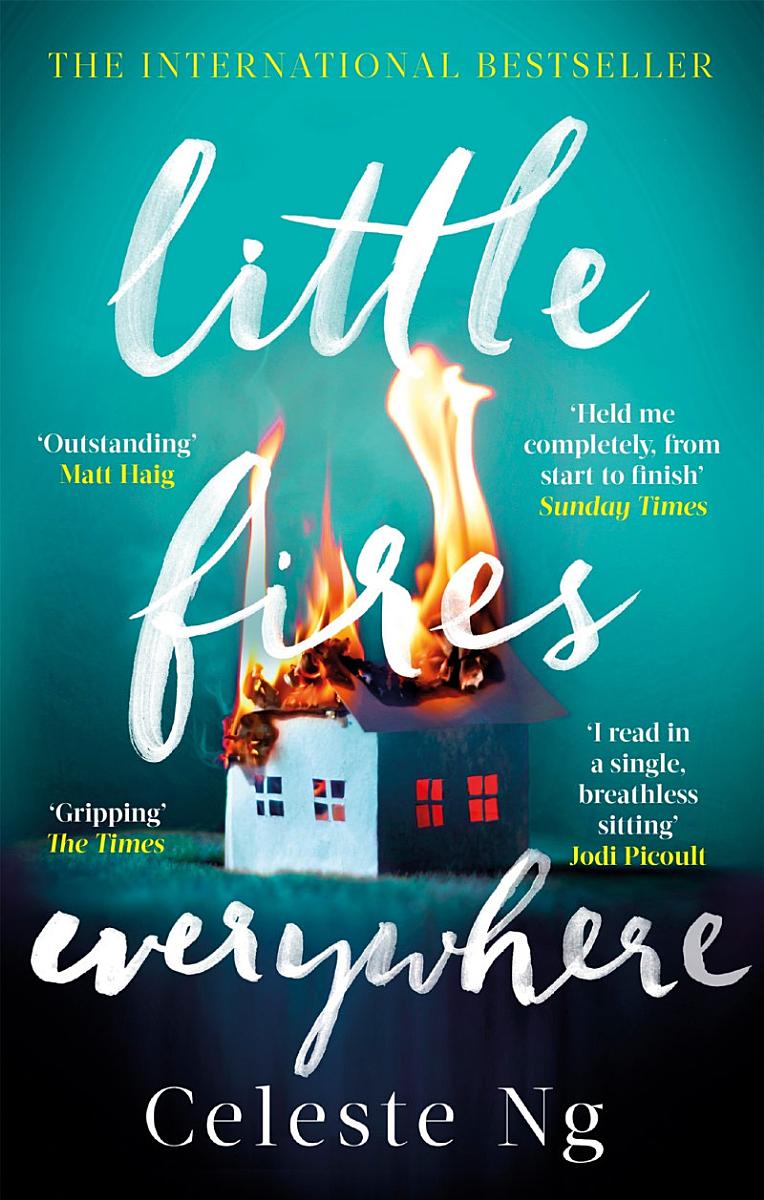
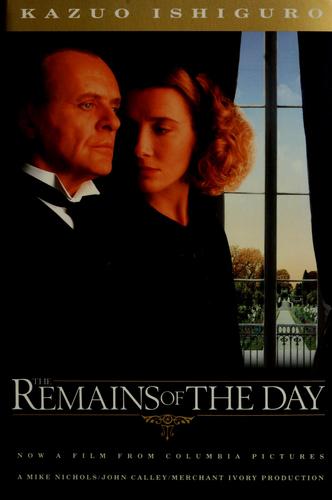
EmmaJane AustenIf you loved Pride and Prejudice or Sense and Sensibility but haven’t read Emma, this is the Austen to read next — and most readers who have read all six novels eventually rank it the highest. Emma Woodhouse is Austen’s most complex protagonist: genuinely intelligent, genuinely kind, and catastrophically wrong about almost everything she is most confident about. The novel is Austen’s most complete investigation of the gap between intelligence and self-knowledge, rendered through a matchmaking plot that is also a portrait of a mind that has never been seriously challenged. The funniest Austen and the one that repays rereading most fully. MiddlemarchGeorge EliotThe natural next step for Austen readers who want more of her social intelligence at greater scale. Eliot’s narrator has the same quality of comprehensive understanding — seeing each character more clearly than they see themselves, rendering the gap between intention and outcome with the same precise irony — but operates across a larger cast and a more explicitly philosophical framework. Where Austen confines her intelligence to the drawing room, Eliot extends it to the whole community: the doctor, the banker, the clergyman, the politician, all of them misunderstanding each other and themselves with the same beautiful consistency. Henry James called Middlemarch one of the few English novels written for grown-up people; Austen readers are exactly the grown-up people he had in mind. North and SouthElizabeth GaskellGaskell’s novel is the most structurally Austenian on this list: a heroine who misjudges the man she will eventually love, a social setting rendered through the specific comedy of class misunderstanding, and a plot organized around the gradual revision of first impressions. What Gaskell adds that Austen doesn’t have is the industrial North — the factories, the labor disputes, the collision between Margaret Hale’s Southern sensibility and the Manchester world she arrives in — which gives the social comedy a political dimension and a sense of historical specificity that Austen deliberately avoided. The right recommendation for Austen readers who want the familiar structure with more of the world inside it. Lessons in ChemistryBonnie GarmusGarmus’s novel is the contemporary Austen: a protagonist of formidable intelligence navigating a social world organized to contain her, rendered through comedy that is also pointed social criticism. Elizabeth Zott’s relationship to 1960s America’s expectations of women is Austen’s relationship to Regency England’s expectations of women at one remove — same fundamental situation, different century, same essential authorial position of being entirely on the heroine’s side while being very funny about the people who underestimate her. The most accessible recommendation on this list for Austen readers who want something recent and fast-paced. Little Fires EverywhereCeleste NgNg’s novel shares Austen’s specific interest in what social performance conceals: the careful Shaker Heights community where Elena Richardson lives, with its rules and its self-congratulatory progressivism, is rendered with the same precision Austen brings to Highbury or Meryton. The collision between Elena’s world and Mia Warren’s anti-world produces the same kind of comedy of misunderstanding that Austen organizes her plots around — two worldviews each certain of its own correctness, colliding with consequences neither anticipated. Ng doesn’t share Austen’s restraint (the novel is more dramatic and darker in its ending), but the social intelligence is equivalent. The Remains of the DayKazuo IshiguroThe most formally distant from Austen on this list but the most essential companion: Ishiguro’s novel is organized around the same gap that Austen’s comedy exploits, but renders it as tragedy. Stevens says one thing and means another in precisely the way Austen’s characters do, but where Austen’s irony is comic and corrective — her heroines revise their misunderstandings and reach better lives — Ishiguro’s is tragic and permanent. Stevens’s inability to say what he feels produces not comedy but the loss of everything that might have mattered. Reading The Remains of the Day after Austen is understanding what happens when her irony is no longer funny. Who This Is For
Readers who loved Austen’s social intelligence and want novels that share her precision, her comedy of manners, and her interest in the gap between what people say and what they mean. The literary fiction and historical fiction catalogues have more.
Frequently asked questions
Q: Which Austen should I read first if I haven’t started?
A: Pride and Prejudice is the conventional starting point and the most immediately accessible. Emma is the one most Austen readers eventually rate highest. Persuasion is the shortest and the most emotionally direct. All six are worth reading; the order matters less than choosing one and starting.
Q: Is Middlemarch really comparable to Austen in readability?
A: It is longer (over 800 pages) and more explicitly philosophical, but the prose is clear and the characters are immediately engaging. Most readers who try it in their twenties find it slow; most who try it in their thirties or forties find it one of the best novels they’ve ever read. The difference is usually life experience.
Q: Why is The Remains of the Day on an Austen list?
A: Because Ishiguro’s novel is in explicit dialogue with the English tradition Austen defined — the comedy of emotional repression rendered in controlled, ironic prose. Ishiguro takes that tradition and shows what it looks like when the repression wins completely. Reading it alongside Austen is understanding the range available within a single formal tradition.
Not sure which of these is right for you? The Pagesmith quiz matches you to books based on your mood, pacing preference, and reading goals. Takes two minutes.